
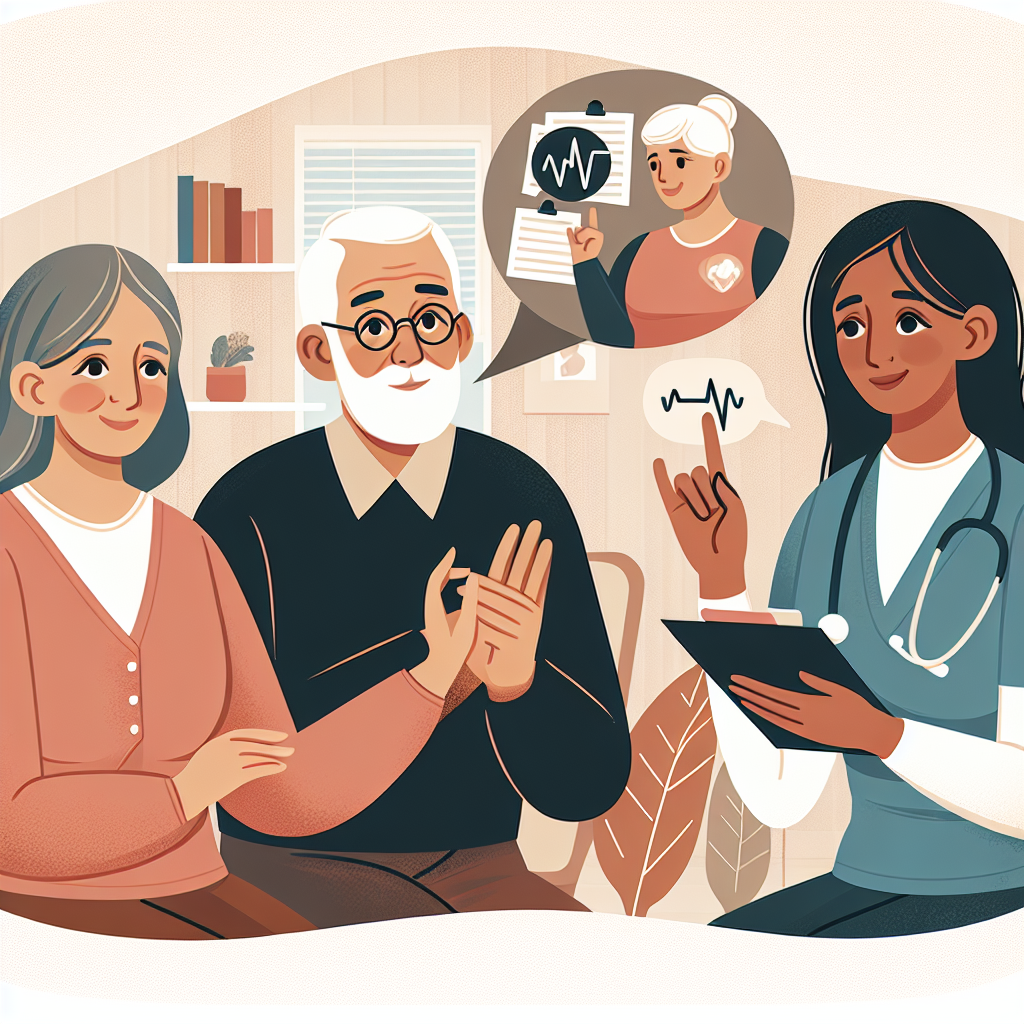
Understanding the dynamics of deaf culture and traditions involves a nuanced exploration of the challenges and triumphs faced by individuals within the Deaf community. As Deaf individuals age, the landscape of communication, healthcare, and support services becomes even more critical. This article dives deeply into these areas, offering insights and tips for a smoother journey.
Introduction
Aging is a universal experience characterized by gradual changes in various aspects of life. For deaf individuals, these changes often intersect with unique communication needs and barriers. Ensuring effective communication, accessible healthcare, and adequate support services becomes increasingly vital to sustaining quality of life. This article explores the aging process among the Deaf population, shedding light on the specific challenges they face and how society can better support them.
The aging process affects everyone differently, but for Deaf individuals, it often amplifies existing communication barriers. Age-related conditions such as vision loss, cognitive decline, or chronic health issues may compound these challenges, making it more difficult to access necessary information and services. This reality underscores the importance of tailored support strategies for aging Deaf individuals.
A critical component of supporting aging Deaf individuals is cultural competency. Deaf culture is rich with traditions, values, and social networks that play a significant role in individual and community well-being. Recognizing and respecting these cultural elements is essential to providing meaningful support and maintaining effective communication.
This article will discuss the aging process among Deaf individuals comprehensively, focusing on communication strategies, healthcare accessibility, and the available support services. By highlighting these topics, we aim to raise awareness and encourage better practices to benefit the aging Deaf population.
Understanding Communication Needs and Strategies
Challenges in Communication
Communication barriers can become more pronounced as Deaf individuals age. Traditional methods of non-verbal communication, such as sign language, can be impacted by age-related physical changes. Arthritis, for example, might make signing more difficult, while cognitive decline can affect the ability to process and produce language effectively.
Adapting Sign Language
Sign language, a cornerstone of Deaf culture, may need to be adapted for older individuals. Larger and slower movements can make signing easier for those with restricted mobility. Additionally, blended methods of communication, such as combining signs with written text or visual aids, can enhance understanding and reduce frustration.
Technological Aids
Modern technology offers numerous tools to assist with communication. Video relay services allow Deaf individuals to communicate in real-time with hearing people via sign language interpreters. Text messaging, video calling, and digital note-taking apps also provide alternative methods to maintain communication, especially when face-to-face interaction is not feasible.
Healthcare Accessibility for Aging Deaf Individuals
Barriers to Healthcare
Aging Deaf individuals often face significant hurdles in accessing healthcare. Communication barriers between patients and healthcare providers can result in misunderstandings, misdiagnoses, and a lack of appropriate care. Additionally, a general lack of awareness and training among healthcare professionals regarding the specific needs of Deaf patients exacerbates these issues.
Ensuring Effective Communication in Healthcare Settings
Effective communication in healthcare settings is paramount. Healthcare providers should be encouraged to learn basic sign language or employ qualified interpreters to facilitate appointments. Written communication tools and visual aids should be readily available to bridge the gap when interpreters are not present.
Training Healthcare Providers
Improving healthcare accessibility for Deaf individuals involves educating and training healthcare professionals. Workshops and training programs on Deaf culture, communication methods, and the specific health needs of Deaf patients can significantly enhance the quality of care provided.

Support Services for Aging Deaf Individuals
Social Support Networks
The importance of social support cannot be overstated. For aging Deaf individuals, maintaining social connections within the Deaf community is crucial. Participating in community events, clubs, or organizations provides emotional support and fosters a sense of belonging.
Access to Information and Resources
Having access to relevant information and resources is critical for maintaining independence and well-being. Information on healthcare, legal rights, and social services should be readily available in accessible formats, such as sign language videos or written text with visual aids.
Support Services
Various support services are available to assist aging Deaf individuals. These include assistive devices for communication, personal assistance services, and community-based programs offering social, recreational, and educational activities tailored to the Deaf community.
Financial and Legal Considerations
Planning for the Future
Financial stability and legal preparedness are key components of aging. Deaf individuals should be encouraged to plan for the future, considering aspects such as retirement savings, healthcare costs, and legal documentation, including advanced directives and wills.
Access to Financial Resources and Benefits
Many government programs and non-profit organizations offer financial support and benefits specifically for disabled individuals, including the Deaf. Ensuring that Deaf individuals are aware of and can access these resources is essential for their financial security.
Legal Advocacy and Support
Legal advocacy services can help Deaf individuals understand their rights and navigate legal challenges. Access to sign language interpreters during legal proceedings and consultations ensures that Deaf individuals are adequately represented and informed.
Promoting Awareness and Inclusion
Public Awareness Campaigns
Raising public awareness about the challenges faced by aging Deaf individuals is crucial. Public awareness campaigns can highlight these issues, promote understanding, and drive policy changes to improve accessibility and support services.
Inclusive Policies and Practices
Promoting inclusivity involves not only recognizing the unique needs of the Deaf community but also implementing policies and practices that ensure accessibility in all areas of public life. From healthcare to social services, inclusivity can significantly enhance the quality of life for Deaf individuals.
Building Inclusive Communities
Creating inclusive communities starts with fostering respect and understanding. Encouraging interaction and collaboration between Deaf and hearing individuals can help bridge communication gaps and build more compassionate, inclusive environments.
Conclusion
The intersection of aging and Deafness presents unique challenges that require thoughtful, tailored solutions. By understanding the specific communication needs of aging Deaf individuals, improving healthcare accessibility, providing robust support services, and promoting awareness and inclusivity, society can better support this community throughout the aging process.
Efforts to enhance the quality of life for aging Deaf individuals will not only benefit the Deaf community but also foster a more inclusive and compassionate society as a whole. Organizations, healthcare providers, and individuals all have roles to play in this endeavor, contributing to a world where everyone, regardless of their abilities, can age with dignity, respect, and support.