

Summertime often brings the anticipation of fun-filled activities and relaxation. However, for Deaf or Hard of Hearing (HH) individuals, finding accessible and engaging activities can sometimes be challenging. Whether you’re a parent, an educator, or simply someone looking to make the summer experience accessible for Deaf and HH children and adults, integrating crafts into your plans can be both enjoyable and accommodating. Creative crafts are not only a great way to spend time, but they also introduce a multitude of benefits including improving fine motor skills, fostering creativity, and enabling tactile learning. In this article, we will explore a variety of crafts that cater specifically to Deaf and HH individuals, ensuring inclusivity while having summer fun.
The Importance of Creative Crafts in Deaf Education
When considering activities for Deaf and HH individuals, it’s important to emphasize the role of creative crafts in their education and day-to-day life. Crafts are beneficial beyond plain creativity; they impart skills that aid in cognitive and psychological development. For Deaf children, who often rely on visual and tactile learning, crafts offer an engaging, hands-on way to understand the world around them. These activities can help develop fine motor skills, improve hand-eye coordination, and promote problem-solving capabilities. Additionally, crafts also provide a medium for self-expression, which can be particularly valuable for someone who communicates primarily through sign language.
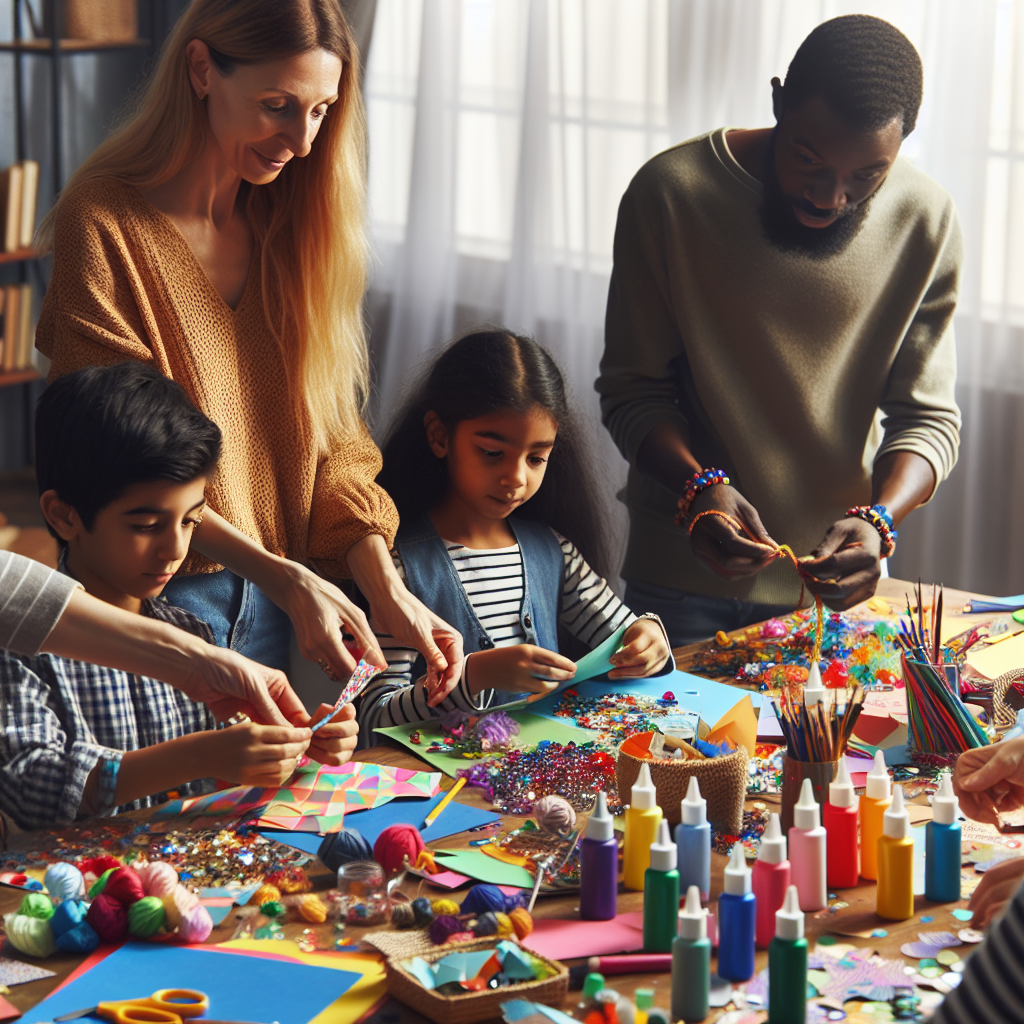
Craft activities also serve as a bridge for social interaction for Deaf and HH individuals. Group craft sessions can be a fantastic way to promote teamwork and inclusivity, breaking down barriers often faced in communication. This collaborative environment assists in building social skills and empathy as individuals work together towards a common creative goal.
Craft Ideas for Children
Keeping children engaged with fun and accessible craft activities is crucial, especially during the summer holidays. Here are some craft projects that cater specifically to Deaf and HH children:
1. Sensory Bottles
Sensory bottles, also known as calm down jars, are a hit with children. These are made by filling a clear plastic bottle with water, glitter, beads, and other small decorative items. Watching the items float and settle can be very soothing. It provides a visual and tactile experience that is both calming and engaging.
2. Handprint Art
Getting hands on with paint can be a lot of fun. Kids can use their handprints to create various designs on paper or canvas. This activity can be paired with learning the American Sign Language (ASL) alphabet by decorating the handprints to resemble signs.
3. Texture Collages
Gather materials with different textures such as fabric swatches, sandpaper, cotton balls, and foil. Have children create collages using these materials. The different textures provide an enhanced tactile exploration, making it a wonderfully inclusive craft activity.
Craft Ideas for Adults
Adults can also greatly benefit from engaging in tactile and visually stimulating craft projects. These activities can be both therapeutic and social, providing an inclusive space for creative expression:
1. Quilting or Sewing
Quilting offers a multi-sensory experience with the various textiles involved. It’s a great way to create something beautiful and functional. For Deaf and HH adults, quilting groups can also foster a sense of community.
2. Pottery
The tactile nature of working with clay makes pottery a wonderful craft for Deaf individuals. Whether they are molding shapes or using a pottery wheel, the process is deeply engaging and allows for artistic expression through touch.
3. Painting
Painting allows for visual creativity and can be incredibly therapeutic. From watercolors to acrylics, the act of painting offers a way to convey emotions and concepts visually, an ideal medium for Deaf and HH adults.
Community Craft Events
Organizing community craft events focused on Deaf and HH individuals can be tremendously rewarding and foster a sense of inclusion. Here are some ideas on how to make these events successful:
1. Inclusive Workshops
Arrange for craft workshops that are facilitated by instructors proficient in ASL. This ensures that Deaf and HH participants receive instructions clearly and can engage fully in the activity.
2. Craft Fairs with a Purpose
Hosting a craft fair where all stalls are operated by, or focus on selling creations made by Deaf and HH crafters. This not only provides them with a platform to showcase their talents but also raises community awareness.
3. Collaborative Community Projects
Embark on a community-based craft project, such as creating a communal mural or tapestry. This can bring together Deaf, HH, and hearing individuals in a shared creative endeavor, fostering inclusivity and understanding.
Utilizing Technology in Crafts
Technology can greatly enhance the crafting experience for Deaf and HH individuals. Here are some ideas to integrate tech into your craft sessions:
1. Virtual Craft Classes
Offer virtual craft classes with captions or ASL interpretations. These can be live sessions or pre-recorded, allowing flexibility for participants to join from anywhere and at their own pace.
2. Crafting Apps
Several apps provide step-by-step craft tutorials. Select apps that offer visual instructions rather than verbal, making them more accessible for Deaf and HH users.
3. 3D Printing
3D printing technology allows for the creation of custom tactile learning aids or personalized craft materials. It’s an innovative way to incorporate technology and crafting for an enriching experience.
Funding and Resources for Deaf Craft Projects
Finding resources and funding for projects aimed at fostering Deaf education and awareness can sometimes be challenging but is not impossible. Here are some avenues to explore:
1. Grants for Deaf Education
Look into grants specifically aimed at supporting Deaf education and activities. Organizations such as the Alexander Graham Bell Association and the National Association of the Deaf often offer financial support for inclusive projects.
2. Community Support
Engage your local community and businesses in supporting your craft projects. Hosting fundraising events or seeking donations for craft supplies can rally community support and awareness.
3. Online Fundraising
Utilize platforms like GoFundMe, Kickstarter, or Patreon to crowdfund your craft activities. Highlighting the impact and importance of your project can garner support from a wider audience beyond your immediate community.
Conclusion
Incorporating accessible and inclusive crafts into summer plans for Deaf and HH individuals is not only beneficial but also essential. Craft activities offer an enjoyable way to foster creativity, improve fine motor skills, and promote social interaction. By considering the unique needs of Deaf and HH individuals, these activities become more than just a pastime; they become a conduit for education, self-expression, and community building. Whether through sensory bottles, quilting sessions, or community craft events, there is no shortage of ways to make summer fun and enriching for everyone. Let us all take a proactive step in creating inclusive environments where creativity and fun know no bounds.