
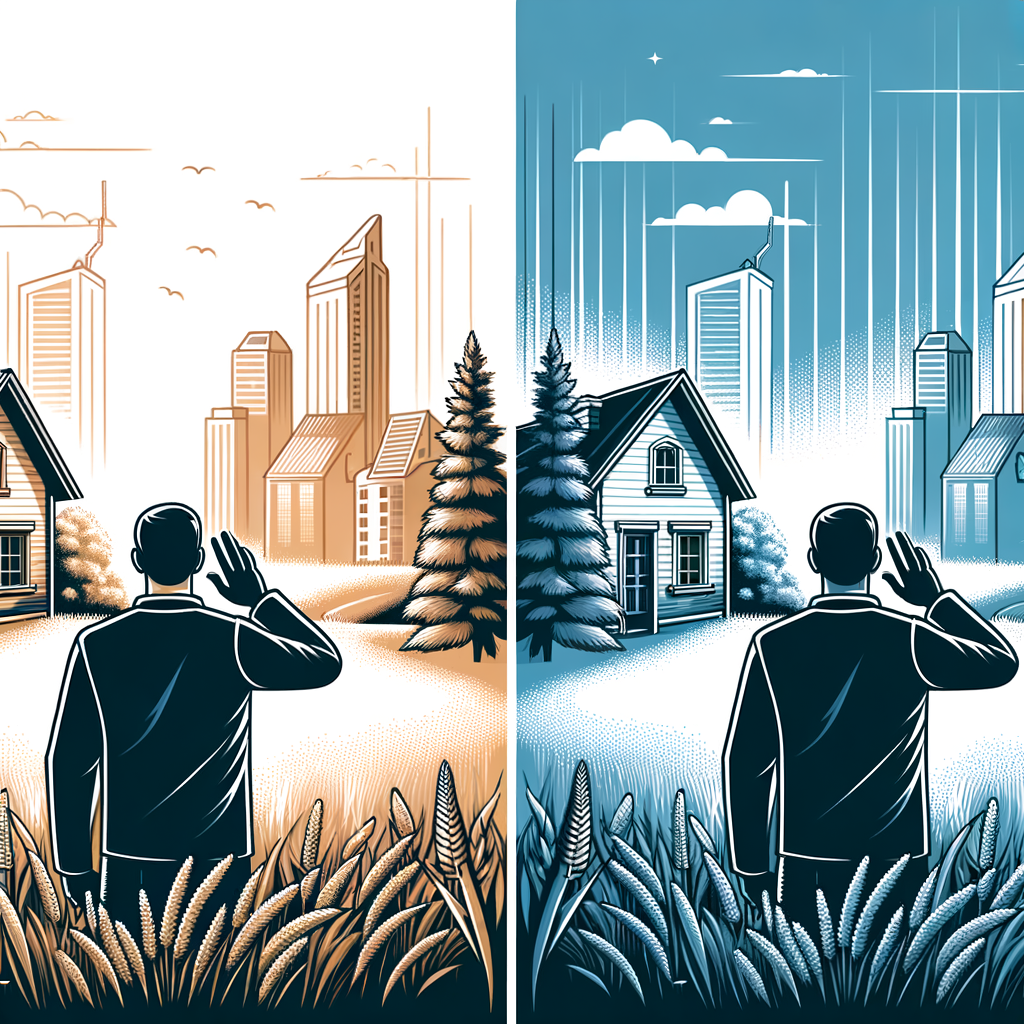
Deafness is a unique identity, not merely a medical condition. It profoundly influences a person’s interaction with their surroundings. One of the most critical factors shaping the experience of being deaf is location—urban vs. rural settings. This distinction is not trivial; it deeply affects social interactions, access to resources, educational opportunities, and personal development. In this discussion, we’ll explore how living in urban versus rural areas shapes deaf identity. By examining these differences, we endeavor to understand the nuanced fabric of the deaf experience across diverse settings. Our investigation delves into accessibility, community, education, and employment, revealing the profound impact of geography on deaf identity.
Living in a city versus a rural area presents contrasting challenges and opportunities for the deaf community. Urban environments often offer more resources, yet can feel isolating. On the other hand, rural areas might lack infrastructure but provide tightly-knit community bonds. As we engage with varied aspects of deaf life, the objective is to highlight how these differences shape individual experiences and the broader deaf identity. Ultimately, the goal is to foster a deeper understanding and awareness of the multiplicity of experiences within the deaf community, influenced heavily by geographical context.
Accessibility and Infrastructure
In urban settings, infrastructure typically supports greater accessibility for the deaf. Public transport systems often incorporate visual aids for announcements, such as screens displaying text or symbols. Similarly, public buildings, schools, and offices are more likely to be equipped with facilities catering to the hearing impaired. The availability of interpreters, sign language courses, and technological aids, like hearing loops, is generally higher in cities. Urban planners are increasingly aware of diverse needs, allowing for relatively easier integration of deaf individuals into mainstream society. In contrast, rural areas often lack such robust infrastructure. Public transportation, if present, seldom has provisions for the deaf. Signage and communications tend to rely heavily on auditory cues, leaving deaf individuals dependent on alternative methods or personal adaptation strategies. Internet connectivity issues can further compound isolation, as online resources and communities become less accessible. These hinderances make daily activities more challenging, demanding a higher level of personal resourcefulness from deaf individuals in rural locales.
Community and Social Interactions
Urban areas often house larger deaf communities, offering a plethora of social interaction opportunities. Cities have dedicated community centers, clubs, and support groups specifically for the deaf population. Such spaces not only provide opportunities for socialization but also reinforce cultural identity and provide advocacy platforms. The diversity within urban settings encourages a broader cultural perspective and access to varying viewpoints, enriching personal experiences and expanding one’s understanding of both deaf and hearing cultures. However, despite the community presence, some deaf individuals may experience greater isolation in urban settings. The fast-paced life and sprawling cityscape can hinder meaningful daily interactions. Even within a dense population, the sheer size and busyness of a city may lead to feelings of anonymity or exclusion from the hearing majority, which can impact one’s sense of belonging and community cohesion. Rural environments, while smaller, often provide a strong sense of close-knit community, which can be a double-edged sword. In smaller towns, personal relationships with both deaf and hearing neighbors are more common, offering personalized support and deeper social ties. Community members may be more familiar with and accommodating of individual needs. However, the limited size of the community can also mean fewer peers with similar experiences, leading to a lack of deaf-specific social groups. This can impede the full expression of deaf culture and limit exposure to diversity within deaf identity.
Educational Opportunities
Education is a significant area where urban and rural environments diverge in their support for deaf students. In cities, specialized schools for the deaf and inclusive mainstream schools with support services are more prevalent. These institutions provide tailored educational experiences and resources that cater to various learning styles of deaf students. Access to trained educators, assistive technologies, and curriculums designed to support visual learning styles are often more available. Urban areas also host numerous workshops and extracurricular opportunities, enriching educational experiences beyond the classroom. In rural areas, educational support for deaf students can be sparse. Schools may lack specialized programs or adequately trained staff, resulting in a reliance on mainstreaming without sufficient support. Teacher familiarity with sign language and deaf culture can be limited, posing barriers to effective teaching and learning. Students may have to travel long distances to access quality education, which can strain families financially and emotionally. Distance education solutions can sometimes bridge the gap, but they depend heavily on internet infrastructure and administrative support, which rural areas often lack.
Employment and Economic Factors
Urban centers generally offer a broader range of employment opportunities for deaf individuals. Corporate awareness and inclusivity laws ensure that many workplaces employ policies to accommodate deaf employees, such as providing interpreters or modified workspaces. The presence of advocacy groups and government initiatives helps to enforce these accommodations, promoting smoother workplace integration and career advancement. Furthermore, cities are hubs for industries like technology, arts, and services, which often embrace diverse communication styles and can be more adaptive to the needs of deaf professionals. Conversely, rural settings may offer fewer employment opportunities. Industries prevalent in these areas—such as agriculture, fishing, or mining—may not provide inclusive facilities or policies, and jobs can be scarce due to lower economic activity. While there may be less competition for certain roles, positions that do not require auditory skills are limited. This economic disparity can inhibit personal growth and financial independence, impacting overall quality of life. The cost of living also plays an integral role. Urban areas, despite offering more job opportunities, have a higher cost of living, which can offset economic benefits. This necessitates careful financial management for deaf individuals who may encounter additional expenses related to accessibility. In contrast, rural areas generally have a lower cost of living, which, coupled with longer employment searches, demands strategic planning for sustainable living.
Conclusion
Ultimately, the experience of being deaf in urban versus rural settings is shaped by a myriad of factors, each playing a critical role in shaping individual identity. Urban environments, with their advantages in accessibility, employment, and diverse communities, offer resources that can enrich personal development but can also present challenges related to isolation within bustling, hearing-majority settings. Rural environments, while offering a potentially more personal community environment and reduced cost of living, often lack the infrastructure and opportunities necessary for the full inclusion and growth of deaf individuals. The interplay of these elements underscores the importance of geographically tailored approaches to supporting the deaf community. Advocacy efforts must consider the unique requirements of both settings to foster inclusive policies that can mitigate the disadvantages faced by deaf individuals, regardless of their geographical location. Accessibility must be prioritized in rural areas, while urban-centric support systems must evolve beyond basic compliance to actively promote inclusivity and community engagement. Understanding these dynamics not only shines a light on the diverse spectrum of the deaf experience but also suggests pathways to fostering environments that nurture the unique identity formed by each individual’s interaction with their world. The responsibility lies with society as a whole to ensure that both urban and rural landscapes develop in ways that respect and promote the cultural identity and potential of the deaf community, thereby enriching the broader social fabric.