
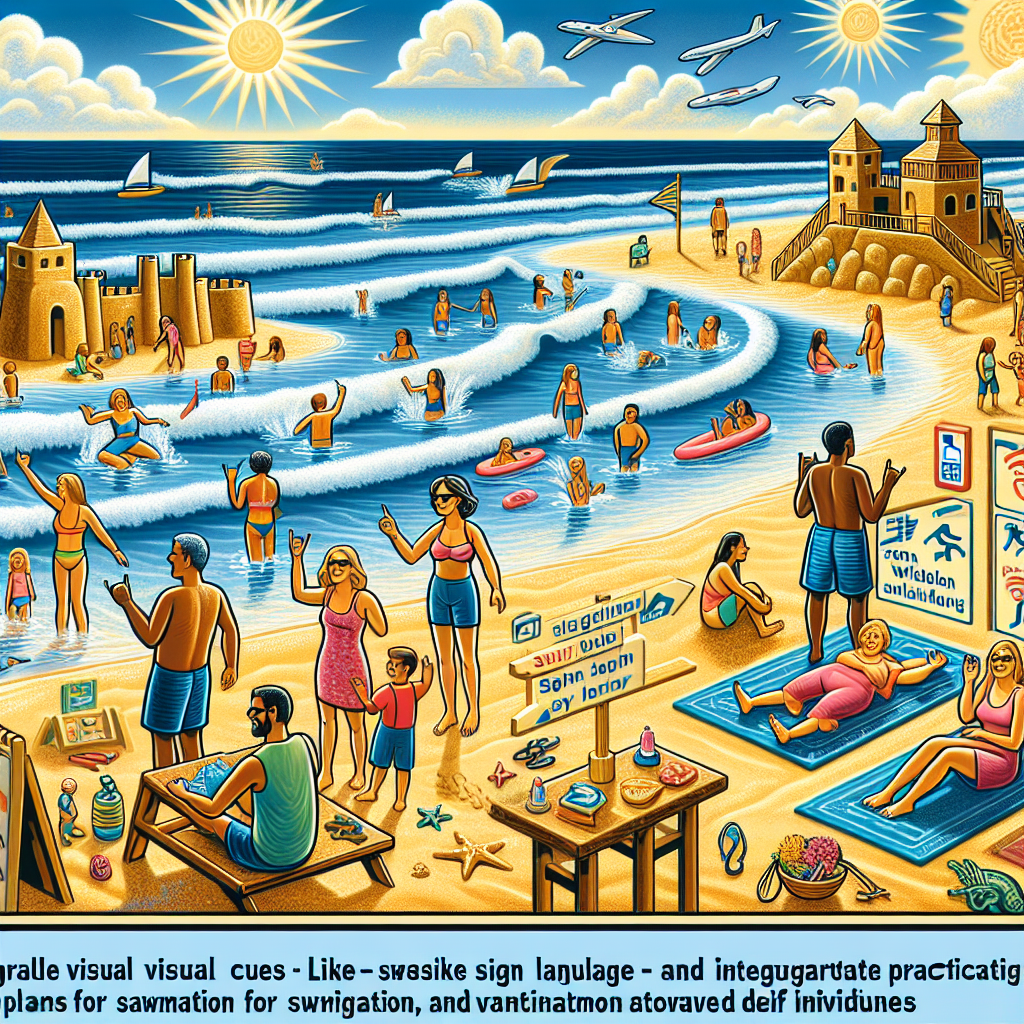
Summer is the time when everyone looks forward to enjoying the outdoors, especially at the beach. But for Deaf individuals, a beach day can come with unique challenges. From communication barriers to safety concerns, it’s important to be prepared in order to ensure an enjoyable and stress-free experience. This guide aims to provide practical tips and insight into how Deaf beachgoers can make the most out of their day in the sun, sand, and water.
The beach offers a rich tapestry of sensory experiences, but navigating these can be tricky when one sense is less available. Nonetheless, with a few adjustments and proper planning, a beach day can be as fun and inclusive for Deaf individuals as it is for everyone else. Our goal is to help bridge the gap by giving actionable advice and highlighting accessible activities to ensure that everyone has the opportunity to make cherished summer memories.
Access to information and resources is crucial. This article will delve into planning, communication aids, accessible activities, and safety measures essential for a fulfilling beach day experience. Whether you are Deaf yourself or planning a beach trip with Deaf friends or family, these tips will help you create an environment that’s comfortable and enjoyable for all.
Pre-trip Planning and Preparations
Taking the time to plan your beach trip can significantly affect your overall experience. Research accessible beaches in your area or destination that offer facilities catering to Deaf and hard-of-hearing visitors. Beaches with services such as visual alert systems, captioned announcements, and staff trained in basic sign language can make a world of difference.
Make sure to pack essential items such as waterproof cases for hearing aids or cochlear implants, and extra batteries. Sun protection is a must—opt for high SPF sunscreen to protect your skin during the long hours under the sun. Consider beach umbrellas and portable shelters for shade, which can also provide a quieter space away from the bustling shoreline for more focused communication.
Coordinate with friends and family—create a visual schedule or checklist to ensure everyone is on the same page. Using a dry-erase board or a notepad app on your phone can be handy for real-time communication. Establishing meeting points and safety signals beforehand can further alleviate anxiety and ensure everyone knows where to go if they get separated.
Communication Aids to Enhance the Experience
Effective communication is key for a successful beach day. Leverage modern technology to break communication barriers. Smartphones and tablets can become invaluable tools equipped with speech-to-text apps that convert spoken words into readable text. Some apps even translate spoken language into sign language, aiding interactions with non-signers around you.
Carrying a set of waterproof notepads and pens can also provide a quick and efficient way for written communication, particularly when technology fails or isn’t practical. Hand signals developed in advance with friends or family can aid simple, essential communication even from a distance.
It’s also beneficial to educate those who might accompany you to the beach trip on basic sign language. Phrases such as “Where is,” “Help,” and “Wait” can facilitate smoother interactions and reduce the need for constant reliance on technology or written notes.
Fun and Accessible Activities for Deaf Beachgoers
Having fun at the beach isn’t limited just to swimming or sunbathing. There are numerous activities that are both inclusive and enjoyable for Deaf individuals. One example is beachcombing—searching for unique shells, rocks, and beach glass can be a peaceful and rewarding activity.
Group games such as volleyball or frisbee can also be incredibly engaging. These activities don’t require auditory cues and can be enjoyed equally by Deaf and hearing participants. For water-based fun, consider kayaking or paddleboarding. These activities provide an immersive experience and can be done solo or with a partner, with safety always in mind.
Another idea is to engage in artistic endeavors like sand sculpting. Collaborative projects like building sandcastles can be highly interactive and visually stimulating. Bringing along colorful beach kites can also add a playful element to your day and are inclusive by nature.
Safety Measures for Deaf Beachgoers
Safety is paramount when spending a day at the beach. For Deaf beachgoers, there’s an additional layer to consider. Lifeguards may use audible alarms or whistles to signal emergencies, which may not be effective for Deaf individuals. It’s essential to pick a beach where lifeguards are aware and trained to accommodate Deaf visitors.
Wearing bright, distinguishable swimwear can help if lifeguards or companions need to spot you quickly in the water. Portable visual alert systems, like those that vibrate or flash when an alarm goes off, can also serve as effective alternatives.
Always swim with a buddy and establish clear, visual emergency signals before entering the water. It’s advisable to stay in designated swimming areas where lifeguards are most attentive. Use technology like waterproof fitness trackers that monitor vitals and have SOS features to enhance your safety further.
Community and Inclusive Beach Events
Many coastal communities host inclusive beach events tailored for Deaf and hard-of-hearing participants. Look for local organizations or community groups that offer such events. These gatherings provide a supportive environment where you can meet new friends and participate in a variety of fun-filled activities.
Specialized events often include accessible amenities such as ASL interpreters, captioned programs, and designated quiet zones, ensuring every attendee feels comfortable and included. Taking part in these events can significantly enhance your beach experience as they focus on creating an inclusive atmosphere for all.
Additionally, engage with social media groups and online forums dedicated to the Deaf community. These platforms often feature announcements and reviews of upcoming accessible beach events, helping you stay informed and connected. Attending community-run events can also provide opportunities to share resources, tips, and build lasting relationships.
Engaging with Local Resources and Support
Before heading out to the beach, consider reaching out to local resource centers dedicated to serving the Deaf and hard-of-hearing communities. These centers can provide invaluable information on the most accessible beaches, available services, and potential hazards to be aware of.
Engage with advocacy groups that focus on creating inclusive environments. These organizations often have resource lists, guides, and partnerships with local businesses to ensure accessibility standards are met. Leveraging these networks can make planning your beach day simpler and more effective.
Lastly, contributing to evaluation platforms by sharing your experiences at various beaches can aid others in the Deaf community. Providing feedback on the accessibility features, staff assistance, and overall environment helps create a repository of trusted information that others can rely on for their own beach adventures.
Conclusion
Spending a day at the beach should be a joyous and stress-free experience for everyone, including Deaf beachgoers. With the right planning, tools, and awareness, you can overcome most barriers and fully enjoy the breathtaking beauty and fun activities the beach has to offer. By taking proactive steps like researching accessible beaches, leveraging technology for communication, engaging in inclusive activities, and attending community events, you can ensure a memorable and fulfilling beach outing.
Safety measures tailored for Deaf individuals, like visual alerts and clear emergency signals, are crucial for a secure environment. Additionally, benefiting from local resources, inclusive events, and community support networks can turn a simple beach day into a nurturing and empowering experience.
The beach is a place of relaxation, adventure, and bonding. By incorporating these practical tips and embracing the essence of inclusivity, Deaf individuals can share in this universal summertime joy without compromising on safety or enjoyment. As allies or members of the Deaf community, let’s continue to advocate for and contribute towards a more inclusive world where everyone can bask in the sun, sand, and seawater alike.