
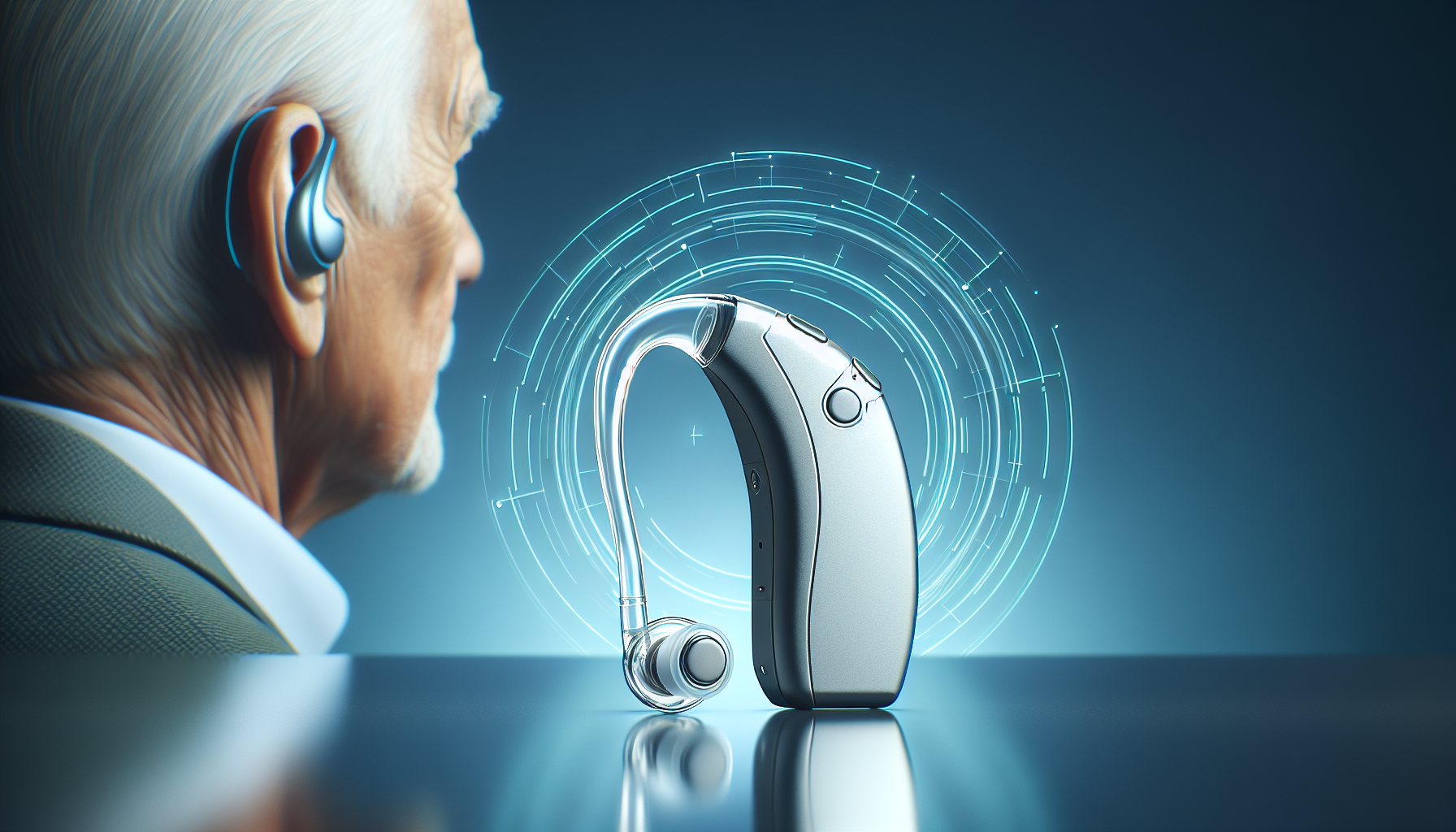
Choosing the best hearing aids for seniors in 2025 starts with understanding that hearing loss is not one problem with one solution. In practice, older adults usually compare comfort, speech clarity, battery life, smartphone features, clinic support, and price all at once. After helping families evaluate devices for different levels of age-related hearing loss, I have seen that the right choice is rarely the newest model alone. It is the model that matches the user’s hearing profile, dexterity, vision, lifestyle, and budget. That is why a useful buying guide must cover hearing aid styles, prescription versus over-the-counter options, telehealth care, Bluetooth connectivity, rechargeability, tinnitus features, and follow-up service.
Hearing aids are small electronic devices that amplify and process sound for people with hearing loss. Most seniors considering hearing aids have sensorineural hearing loss, commonly called presbycusis, which often reduces the ability to hear high-frequency sounds and understand speech in noise. A modern hearing aid does far more than make everything louder. It uses microphones, digital signal processing, noise reduction, feedback management, and directional microphones to improve speech understanding while keeping sound comfortable. Premium models may also add artificial intelligence-based scene analysis, fall or activity tracking, hands-free calling, auracast readiness, and remote fine-tuning by an audiologist or hearing instrument specialist.
This topic matters because untreated hearing loss affects much more than volume. Research consistently links hearing loss with social withdrawal, communication strain, depression risk, and increased cognitive load. Seniors often tell me that the hardest part is not hearing the television; it is missing comments at family dinners, church gatherings, medical appointments, and restaurants. The best hearing aids for seniors in 2025 address those real-life situations. They also fit a changing market. Seniors now face three broad paths: traditional prescription hearing aids fitted in a clinic, remotely supported prescription devices, and OTC hearing aids for adults with perceived mild to moderate hearing loss. Knowing where each path works, and where it does not, is the foundation of a smart purchase.
What makes a hearing aid the best choice for seniors
The best hearing aids for seniors combine audibility, comfort, usability, and ongoing support. Sound quality comes first. A device should improve speech understanding, especially in background noise, without creating harshness or distortion. That usually depends on proper fitting and verification, not just brand reputation. In clinical settings, real-ear measurement remains the gold standard because it confirms that amplification delivered at the eardrum matches prescriptive targets such as NAL-NL2. When seniors skip professional fitting, they often end up complaining that voices sound sharp, their own voice echoes, or noisy places remain exhausting.
Usability is equally important for older adults. Tiny batteries, nearly invisible controls, and complex app menus can frustrate users with arthritis, tremor, low vision, or limited smartphone experience. I generally see better long-term adherence when seniors choose rechargeable hearing aids with simple onboard buttons, automatic programs, and easy charging docks. Physical fit matters too. Behind-the-ear receiver-in-canal models are the most common recommendation because they are light, discreet, and adaptable across many hearing losses. Custom in-the-ear styles can help with glasses or mask use, but they may offer fewer features and can be harder to adjust.
Support is the factor many buyers underestimate. Hearing aids are not one-time electronics purchases. Ears change, hearing changes, wax buildup affects performance, and settings usually need refinement after real-world use. Seniors do best when they have access to cleanings, dome or wax guard replacements, counseling, and remote or in-person follow-up. Return periods, warranty length, loss-and-damage coverage, and the availability of local service should be reviewed with the same seriousness as sound features.
Top hearing aid categories and standout options in 2025
In 2025, the strongest hearing aid choices for seniors fall into clear categories rather than a single universal winner. Prescription premium brands remain the safest option for moderate to severe hearing loss, complex listening needs, or seniors who want comprehensive professional care. Leading names include Phonak, Oticon, ReSound, Signia, Starkey, Widex, and Unitron. These brands typically offer advanced speech processing, multiple listening programs, Bluetooth streaming, rechargeable models, tinnitus masking options, and broad clinic support networks. Phonak remains strong for connectivity and severe loss fittings. Oticon is widely respected for open, natural sound. ReSound stands out for app control and wireless ecosystem support. Starkey continues to attract seniors interested in health and activity features.
Prescription midrange devices are often the value sweet spot. In my experience, many seniors do not need every premium automation feature to hear well in common environments. They need reliable directional microphones, good feedback control, and a fitting programmed carefully to their audiogram. Mid-tier technology from the major brands often performs very well in quiet conversation, television listening, worship services, and moderate restaurant noise. Buyers should be cautious about paying large premiums for feature sets they may never use.
OTC hearing aids are now a meaningful category for tech-comfortable seniors with perceived mild to moderate hearing loss who want a lower entry cost. Stronger OTC names in 2025 include Jabra Enhance, Eargo, Lexie, Sony, and brands sold through retail channels with remote support. These can work well when hearing loss is uncomplicated and the user is willing to complete hearing checks, insert devices correctly, and use an app for setup. However, OTC products are not ideal for asymmetrical hearing loss, severe loss, active ear disease, sudden hearing changes, or cases where speech clarity is poor even when sounds are loud enough.
| Category | Best for | Strengths | Limitations |
|---|---|---|---|
| Prescription premium | Moderate to profound loss, complex listening needs | Maximum customization, clinic fitting, advanced noise management | Highest price |
| Prescription midrange | Everyday hearing support with good value | Strong speech features, professional care, lower cost than premium | Fewer automatic programs and extras |
| OTC hearing aids | Mild to moderate loss, budget-conscious independent users | Lower upfront price, easy access, app-based setup | Less suitable for complex loss or medical issues |
How to match hearing aid style to senior needs
Style affects comfort, maintenance, and performance as much as appearance. Receiver-in-canal, often abbreviated RIC, is the most flexible style for seniors in 2025. The main body sits behind the ear, while a thin wire connects to a receiver in the ear canal. This design supports open fittings for mild high-frequency hearing loss and more closed fittings for greater losses. It also accommodates directional microphones and rechargeability without making the ear canal feel blocked. For many older adults, it is the best balance of comfort and acoustic performance.
Behind-the-ear, or BTE, models remain essential for severe to profound hearing loss and for users who need robust durability or easier handling. Because the electronics sit in a larger case, BTEs can provide more power and simpler battery or control management. Custom in-the-ear styles, including ITC and ITE options, appeal to seniors who dislike anything behind the ear or who struggle with glasses. Their downside is that they place electronics in a wax- and moisture-prone environment, and their small size can limit battery life, venting, and wireless features. Completely-in-canal devices are usually the least practical choice for seniors with dexterity or vision challenges.
Open versus closed domes is another major decision. Open domes feel lighter and reduce the plugged-up sensation, but they leak more low-frequency sound and can limit power for some users. Closed domes or custom molds improve retention and output, especially when hearing loss is more than mild. During fittings, I often explain that comfort in the first ten minutes is not the only metric. Stability after six hours, ease of insertion, and consistent acoustic seal matter more for day-to-day success.
Features that matter most in daily life
The most useful hearing aid features for seniors are the ones that solve recurring communication problems. Directional microphones are near the top of the list because they prioritize speech in front of the wearer and reduce competing sounds from the sides and rear. This helps in restaurants, meetings, and family gatherings. Noise reduction helps reduce listening fatigue, although no hearing aid can remove all background noise. Seniors should expect improvement, not perfection. Devices that promise effortless hearing everywhere are overselling what current technology can do.
Rechargeable batteries have become a major quality-of-life upgrade. Most seniors prefer placing hearing aids in a charger each night instead of handling disposable zinc-air batteries. A full-day charge is now standard on many models, though streaming phone audio heavily can shorten runtime. Bluetooth is valuable when paired with actual habits. For seniors who talk on the phone, stream television through accessories, or use video calls with grandchildren, direct streaming can transform usability. For others, it is a feature they rarely touch.
Telecoil, tinnitus support, remote microphone compatibility, and app simplicity deserve close attention. Telecoil still matters in churches, theaters, airports, and public venues with hearing loop systems. Tinnitus masking features can benefit seniors who have both hearing loss and ringing in the ears. Remote microphones help in situations where distance is the main barrier, such as a spouse speaking from another room or a lecture hall. App quality varies widely. The best apps allow volume, program changes, finder tools, and remote care without forcing constant interaction. Automatic environmental classification should reduce the need to manage settings manually.
Prescription vs OTC: which path is right in 2025
For many families, the biggest question is whether prescription or OTC hearing aids are better for seniors. The short answer is simple. Prescription hearing aids are better for most seniors with established hearing loss, especially if the loss is moderate or worse, uneven between ears, or accompanied by tinnitus, balance issues, or poor word recognition. They provide professional diagnosis, programming to an audiogram, physical fit adjustments, counseling, and access to medical referral when needed. That structure solves problems early and improves the odds that a senior will actually keep using the devices.
OTC hearing aids are best viewed as an accessible entry point, not a replacement for hearing care in every case. They work well for adults who suspect mild to moderate hearing loss, have no red-flag symptoms, and are comfortable self-managing setup and troubleshooting. The savings can be significant, but support varies. Some OTC brands now offer remote hearing tests, virtual care, and generous trial periods, which narrows the gap. Even so, buyers should seek a formal hearing test if they notice sudden loss, one-sided symptoms, ear pain, drainage, persistent dizziness, or speech understanding that remains poor despite amplification.
Cost transparency also differs. Prescription bundles may include exams, fittings, follow-up visits, and supplies, while low advertised prices may not. OTC pricing is usually more direct but can shift support burdens onto the user. When comparing options, seniors should look at the three-year total cost, not only the purchase price.
Buying tips, fitting process, and long-term success
Successful hearing aid use depends on the process as much as the product. Start with a comprehensive hearing evaluation that includes pure-tone thresholds, speech testing, and discussion of medical history and communication goals. Ask whether real-ear measurement will be used during fitting. This single question often separates a careful evidence-based fitting from a generic one. Request counseling on realistic expectations. Even the best hearing aids for seniors in 2025 require an adaptation period while the brain readjusts to sounds that have been missing.
Trial periods matter. In the United States, many providers offer return windows of 30 to 60 days, sometimes longer. Use that time deliberately. Test hearing aids at home, in the car, at restaurants, in places of worship, and during phone calls. Keep a written list of problems, such as wind noise on walks or difficulty hearing one grandchild’s soft voice. Those details help the provider fine-tune compression, noise reduction, directional settings, and physical fit. Routine maintenance is straightforward but essential: clean microphones and domes, replace wax guards, keep charging contacts clean, and schedule service if sound weakens suddenly.
The best outcome usually comes from acting early rather than waiting until communication has severely deteriorated. Seniors who address hearing loss sooner often adapt faster, wear hearing aids longer each day, and maintain stronger social engagement. If you are comparing hearing aids now, shortlist the brands and service models that fit your hearing level, handling needs, and budget, then book a hearing test and trial. The right pair should make conversations easier, reduce strain, and help daily life feel connected again.
Frequently Asked Questions
What should seniors look for when choosing the best hearing aids in 2025?
The best hearing aids for seniors in 2025 are not simply the most advanced or most expensive models. The right choice depends on how well a device matches the user’s specific hearing loss, daily routine, comfort preferences, and ability to handle small controls or charging systems. For many older adults, speech clarity in real-world situations matters more than having every available feature. That means looking closely at how well a hearing aid helps with conversations in restaurants, family gatherings, church services, medical appointments, and phone calls.
Comfort is also a major factor. A hearing aid that sounds good but feels irritating is less likely to be worn consistently. Seniors should consider whether they prefer a behind-the-ear style, a receiver-in-canal model, or a custom in-ear option based on fit, ear shape, glasses use, and dexterity. Battery type matters too. Rechargeable hearing aids are often easier for seniors who do not want to handle tiny disposable batteries, but replaceable batteries may still appeal to users who want quick changes without waiting for a charge.
It is also wise to compare ease of use. Some devices offer simple automatic adjustments, while others rely more heavily on smartphone apps. That can be helpful for tech-comfortable users, but less ideal for seniors who want a straightforward set-it-and-forget-it experience. Lastly, support should never be overlooked. In many cases, the quality of the hearing care provider, follow-up programming, cleaning guidance, and warranty service has as much impact on satisfaction as the hearing aid itself.
Are rechargeable hearing aids better than battery-powered models for seniors?
For many seniors, rechargeable hearing aids are one of the most practical choices in 2025. They remove the need to open small battery doors, handle tiny cells, and keep replacement batteries on hand. This can be especially helpful for people with arthritis, reduced hand strength, vision challenges, or limited finger dexterity. Instead of changing batteries every few days, users typically place the hearing aids in a charging case overnight and start the next day with a full charge.
Rechargeable models are also popular because they simplify daily use. Many modern devices now offer all-day battery life, even with streaming and advanced sound processing. That said, battery-powered hearing aids still have advantages in certain situations. Some seniors prefer disposable batteries because they can swap in a fresh one immediately if power runs low, which may be useful during travel, long outings, or in areas where reliable charging is less convenient.
The better option depends on lifestyle and comfort with routine. If convenience and reduced maintenance are priorities, rechargeable hearing aids are often the stronger fit. If flexibility, easy backup power, or specific model availability matters more, traditional battery-powered options may still be worth considering. The key is not assuming one format is automatically superior, but choosing the one that makes daily hearing care easier and more reliable for the individual user.
Which hearing aid features matter most for seniors with age-related hearing loss?
The most useful hearing aid features for seniors are usually the ones that improve speech understanding, reduce listening fatigue, and make the device easier to manage every day. In 2025, one of the most important features remains background noise reduction. Many older adults do reasonably well in quiet rooms but struggle in noisy environments. Hearing aids with strong speech-in-noise performance can help make voices clearer in restaurants, social events, and group settings where hearing loss often becomes most frustrating.
Directional microphones are another valuable feature because they help focus on the person speaking in front of the wearer. Feedback management is also essential, especially for seniors who wear glasses, masks, or hats that can affect how the hearing aid sits on the ear. Bluetooth connectivity may be very useful for seniors who regularly talk on smartphones, watch television through compatible accessories, or use apps for volume and program changes. However, these features are only beneficial if the user is comfortable using them.
Automatic environment detection can be especially helpful for seniors who do not want to manually change settings throughout the day. Many newer hearing aids can adjust themselves when moving from a quiet home setting to a noisy public place. Telecoil support may still matter for users who attend places of worship, theaters, or community venues with hearing loop systems. Ultimately, the most important features are not the longest list on paper, but the ones that solve the wearer’s real daily hearing challenges in a simple and dependable way.
How important is professional fitting and follow-up care when buying hearing aids for seniors?
Professional fitting and ongoing support are extremely important, and they are often underestimated by first-time buyers. Even the best hearing aids for seniors in 2025 can underperform if they are not properly programmed for the user’s hearing loss, ear anatomy, and listening needs. A hearing test provides the foundation, but fitting is where the device is tailored to deliver the right amount of amplification at different pitches. Without that customization, speech may sound unnatural, too soft, too sharp, or simply unhelpful in daily life.
Follow-up care matters because hearing aids usually require adjustment after the first fitting. Seniors often need time to adapt to amplified sound, especially if they have gone years without treatment. Sounds that initially seem too strong, such as dishes clinking or paper rustling, may need refinement. A provider can also help fine-tune settings for specific situations like television, family dinners, or outdoor conversations. This process is normal and often critical to long-term success.
Support also includes instruction on inserting the devices, cleaning them, changing wax guards, using chargers, and troubleshooting connectivity issues. For seniors and family members alike, that hands-on guidance can make the difference between hearing aids that end up in a drawer and hearing aids that truly improve communication. When comparing options, it is smart to look beyond the device itself and ask about trial periods, service plans, in-office adjustments, remote support, warranty coverage, and repair policies.
How much should seniors expect to pay for hearing aids in 2025, and are more expensive models always better?
Hearing aid prices in 2025 vary widely depending on technology level, brand, style, bundled services, and whether the devices are purchased through a clinic, hearing center, or over-the-counter channel. Seniors should expect meaningful price differences between basic prescription devices, premium models with advanced sound processing, and self-fit options designed for mild to moderate hearing loss. In many cases, the price reflects not just the product, but also professional testing, fitting, adjustment appointments, maintenance, and warranty support.
More expensive hearing aids are not always better for every senior. Premium devices may offer stronger noise management, better automatic adaptation, more refined speech processing, and broader connectivity features. Those benefits can be worthwhile for active seniors who spend time in complex listening environments. However, a person who mainly talks one-on-one at home may not need the highest tier to hear well. Paying for features that are never used does not automatically create a better outcome.
The smarter approach is to weigh value instead of price alone. Seniors should ask what is included, how long support lasts, what happens if adjustments are needed, and whether the hearing aid suits their hearing profile and daily habits. A mid-level device with excellent fitting and reliable follow-up often outperforms a premium model that is poorly matched to the user. The goal is not to buy the most technology, but to invest in the combination of sound quality, comfort, usability, and support that delivers the most real-world benefit.