
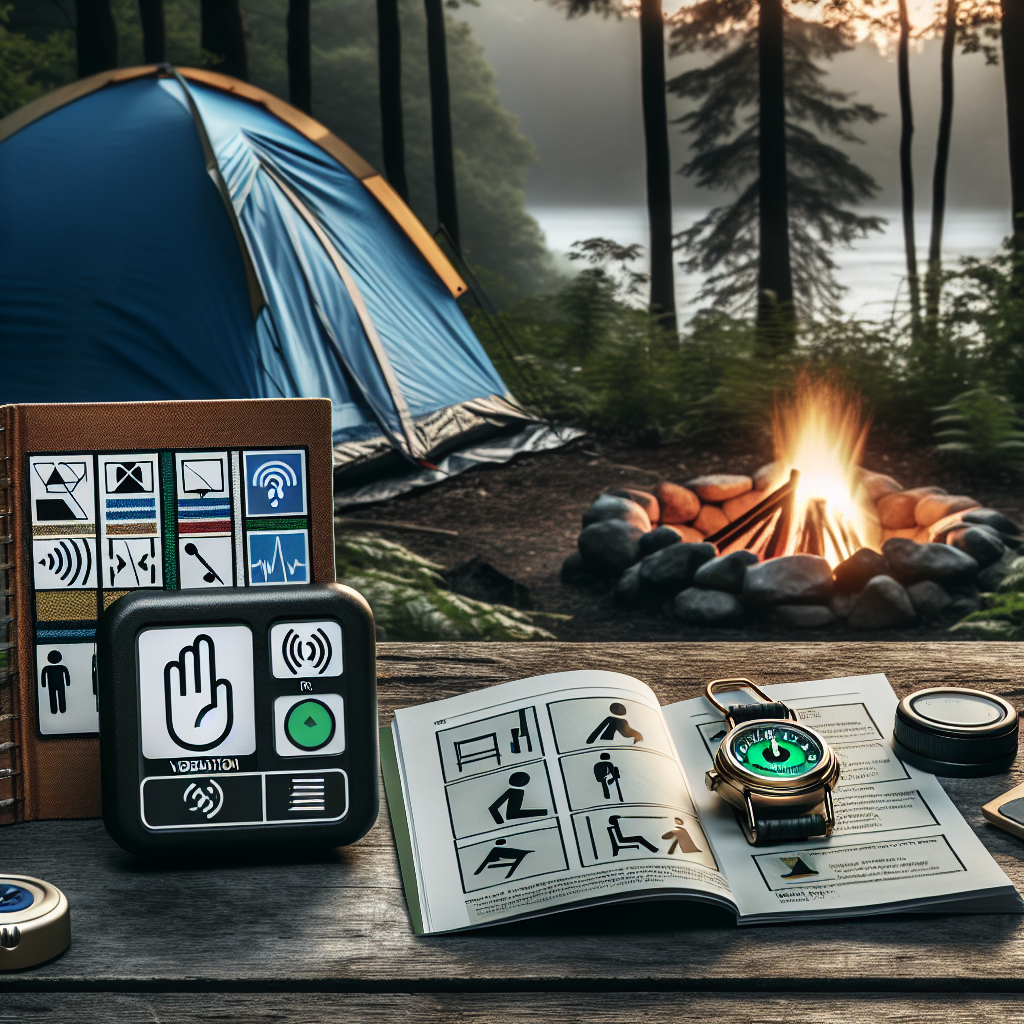
Summer is a prime time for outdoor adventures, and camping tops the list for many enthusiasts. The joy of connecting with nature, bonding with friends and family, and disconnecting from the digital world is unrivaled. However, the experience can be different for those who are Deaf or Hard of Hearing (D/HoH). To ensure a safe and enjoyable camping adventure for everyone, preparation and awareness are paramount.
Camping offers a multitude of sensory experiences that can be deeply fulfilling. For the Deaf and Hard of Hearing community, these experiences are just as rich, albeit different. The key to a successful adventure lies in preparation—ensuring that there are no communication barriers and that the environment is conducive to everyone’s needs. This guide provides practical tips and insights to make camping accessible and fun for Deaf and Hard of Hearing individuals.
Whether you are a part of the Deaf or Hard of Hearing community or planning a camping trip with someone who is, this article will offer essential advice on how to prepare for the adventure. From communication tools to campsite selection, and from adapting activities to ensuring safety, we cover everything you need to know to make the most of your outdoor excursion.
So, pack your gear, don your adventure hat, and let’s dive into making your camping trip a memorable and inclusive experience for everyone involved. Remember, the goal is not just to survive in the wild but to thrive and soak up every moment of the great outdoors.
Choosing the Right Campsite
One of the first steps in planning your camping trip is selecting the right campsite. Proximity to amenities and the suitability of the site for Deaf and Hard of Hearing campers are crucial factors.
Accessibility: Look for campsites that offer accessible facilities. These sites typically provide better accommodations for campers who are D/HoH, including visual alerts in restrooms and showers.
Quiet Zones: Noise can interfere with communication for D/HoH individuals who use sound amplification devices. A quieter campsite away from busy roads or noisy neighbors can be more conducive.
Proximity to Rangers and Emergency Services: Being close to rangers and emergency services can provide an added layer of security and assistance, should it be needed.
Visual Environment: Ensure that the campsite offers a clear line of sight. Open spaces are better for visual communication and signing. Also, make sure that the area is well-lit with natural or artificial light during the night for any potential emergency communication.
By taking these factors into account, you can choose a campsite that will serve as the ideal base for your outdoor expeditions, ensuring both comfort and safety for all campers.
Communication Tools and Strategies
Effective communication is essential for any camping trip, and it demands extra attention when members of the group are Deaf or Hard of Hearing.
Visual Signals and Alerts: Utilize visual signals to get attention. Flashlights, lanterns, or even waving hands can serve as excellent means to communicate in low-light conditions.
Technology Aids: Devices like vibrating alarms and light-up alert systems can be invaluable. Walkie-talkies with text display functions can also come in handy for timely communication.
Pre-Established Signals: Before the trip, establish a set of visual hand signals that everyone in the group understands for basic needs such as ‘food,’ ‘water,’ ‘help,’ or ‘danger.’
Written Communication: Always carry notepads and pens for written communication. Smartphones with notepad apps can also serve this purpose.
Reliable communication can make the difference between a smooth, enjoyable trip and one fraught with misunderstandings and potential danger. Investing time in setting up these tools and strategies will ensure a better experience for all.
Adapting Camping Activities
Many camping activities can be easily adapted to ensure they are inclusive for Deaf and Hard of Hearing campers.
Hiking: Choose trails that are well-marked and safe. Use visual guides and maps to explain the route beforehand. Encourage hikers to maintain visual contact and use pre-agreed signals.
Campfire Stories: Ensure that the storyteller is well-lit and can be seen by everyone. Using gestures and visual props can make stories more engaging.
Water Activities: Ensure everyone wears bright-colored vests for easy visibility. For activities like canoeing or kayaking, establish pre-determined signals for communication.
Nighttime Activities: Utilize glow sticks, flashlights, and other light sources to facilitate night-time communication. Games that rely on vision rather than sound are preferable.
Activities play a central role in the camping experience, and with a bit of foresight, they can be adapted to ensure everyone has an enjoyable and inclusive experience.
Safety Precautions
Safety is paramount on any camping trip, and additional measures should be taken to ensure the well-being of Deaf and Hard of Hearing campers.
Emergency Kits: Make sure to include items like vibrating alarms, flashlights, and visual alert systems in your emergency kit.
Clear Communication: Establish a clear and visual method for alerting campers in case of emergency. This could be a combination of flashlights, hand signals, or written notes.
Fire Safety: Ensure that there are visual alerts for smoke and carbon monoxide if you’re using a camper or tent with these potential risks.
Buddy System: Pair campers up, ensuring that each pair has a reliable means of communication. This helps in looking out for one another and addressing any issues promptly.
Implementing these safety measures will help mitigate risks and ensure that everyone can enjoy the camping trip with peace of mind.
Creating an Inclusive Environment
An inclusive and supportive environment is key to making camping enjoyable for Deaf and Hard of Hearing individuals.
Awareness and Education: Educate all campers on the basics of Deaf culture and effective communication strategies. This fosters a more inclusive atmosphere.
Encouragement: Encourage everyone to be patient and understanding. This ensures smoother interactions and a more relaxed environment.
Participation: Make sure that all campers are included in activities and discussions. This can be achieved by having clear communication guidelines and using visual aids.
Special Roles: Assign roles that play to the strengths of Deaf and Hard of Hearing individuals. For example, someone who is visually attuned could take charge of spotting wildlife.
An inclusive environment enriches the camping experience for everyone, turning it into an occasion for learning and building stronger connections.
Conclusion
Camping is a perfect way to reconnect with nature, bond with loved ones, and enjoy a host of adventurous activities. For Deaf and Hard of Hearing individuals, it requires a bit more planning and consideration, but the rewards are just as immense. By carefully selecting a campsite, employing effective communication tools, adapting activities, taking necessary safety precautions, and fostering an inclusive environment, you can ensure that everyone has a safe, enjoyable, and memorable experience.
Inclusivity and accessibility shouldn’t be seen as hurdles; rather, they should be perceived as opportunities to expand our understanding and bond more deeply with fellow campers. With the right preparation and mindset, your camping trip can be a wonderful adventure where everyone feels valued and engaged.
So, as you prepare for your next great outdoor adventure, keep these tips in mind and get ready to create some cherished memories. After all, nature doesn’t discriminate, and with a little effort, neither should our camping experiences.
Here’s to a summer filled with magnificent views, captivating stories around the campfire, and the joy of shared adventures. Pack your bags, plan smartly, and embark on a camping trip that celebrates the beauty of inclusion and the wonders of the natural world.