
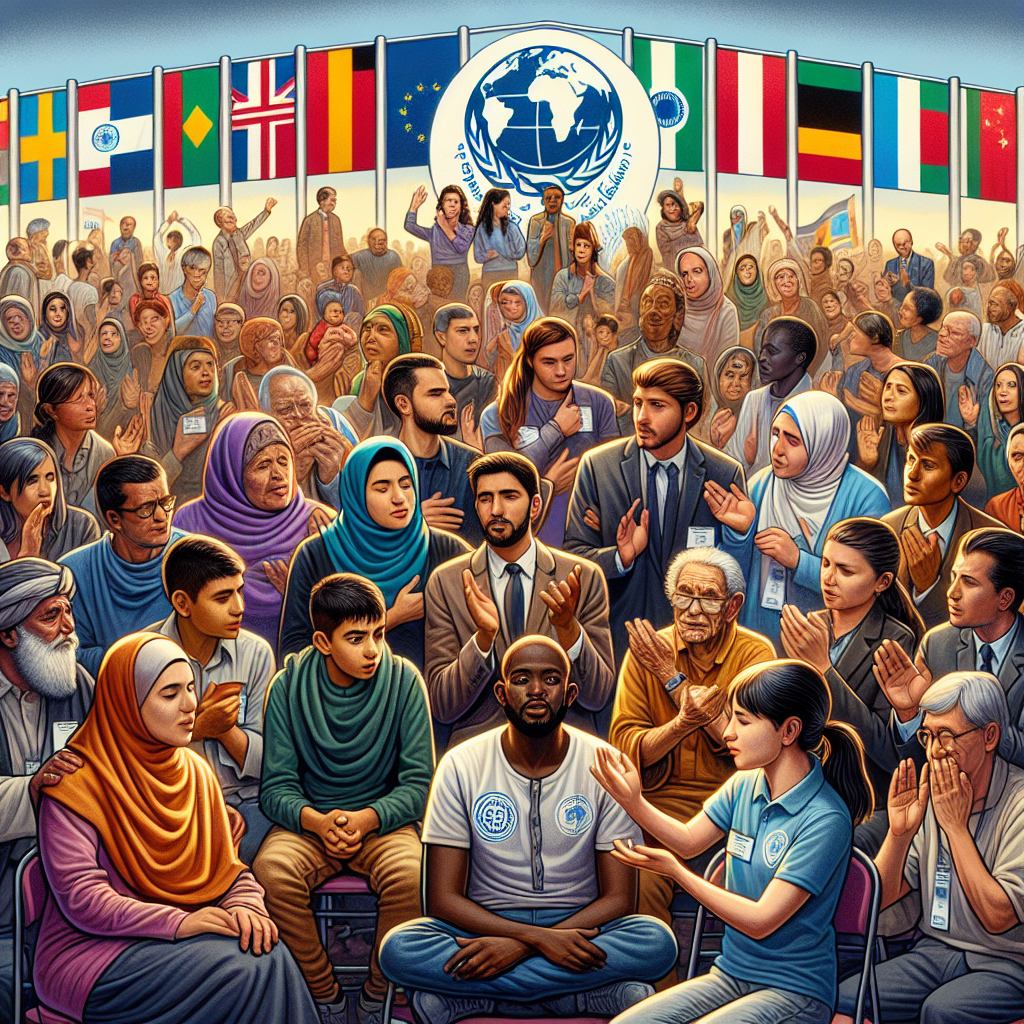
Every year on June 20th, the world comes together to observe the International Day of the Refugee, a day dedicated to raising awareness about the plight of millions of refugees globally. Among these vulnerable populations are deaf refugees who face unique challenges that often go unnoticed. In this article, we will dive deep into these issues, advocating for the inclusion and support of deaf refugees in our global community.
Introduction
Imagine fleeing your home country due to war, violence, or persecution, leaving behind everything familiar to seek safety and a better life. Now, imagine going through this harrowing experience while also being deaf. The duality of being a refugee and having a disability like deafness exacerbates the challenges one faces, from communication barriers to accessing vital resources. Deaf refugees find themselves at the intersection of two marginalized identities, making their journey to safety and inclusion particularly arduous.
At the heart of the matter is the lack of awareness and specialized support for deaf refugees. Mainstream refugee services often do not cater to the needs of individuals with disabilities, and when it comes to deaf refugees, the situation is dire. They face significant difficulties in communication, accessing education, employment, and healthcare, which further isolates them in their new environments.
Though the International Day of the Refugee shines a light on the struggles of refugees worldwide, it’s crucial to focus attention on the unique plight of deaf refugees to advocate for targeted policies and programs that foster their inclusion. This article aims to bring to the forefront the challenges deaf refugees face and propose measures that can lead to their better inclusion in society.
Communication Barriers and Isolation
One of the most significant challenges deaf refugees face is the communication barrier. The ability to communicate effectively is vital for anyone, and for refugees, it is essential for accessing humanitarian aid, legal assistance, and integration services. However, for deaf refugees, this can become an insurmountable obstacle.
Most refugee support systems are not equipped with the necessary resources to accommodate deaf individuals. Essential services often lack sign language interpreters, which makes it extremely difficult for deaf refugees to understand their rights, navigate legal processes, or even participate in daily activities that hearing individuals might take for granted. Additionally, the scarcity of interpreters who are proficient in both the sign language of the refugee’s home country and the host country’s language exacerbates the problem.
This communication gap leads to isolation, as deaf refugees are unable to engage fully with their new communities. Without the ability to express themselves or comprehend others, they often recede into the background, which undermines their overall well-being and mental health. This isolation not only hinders their integration but also perpetuates a cycle of exclusion and marginalization.
Education and Employment Challenges
Access to education is a fundamental right, yet deaf refugees often face numerous hurdles in pursuing their educational aspirations. Many refugee children and adults miss out on quality education due to a dearth of specialized programs and resources tailored to their needs. Schools and educational institutions in refugee camps and host countries frequently lack the infrastructure and trained personnel to support deaf students.
Moreover, the trauma and disruption caused by displacement can exacerbate learning difficulties, making it even more challenging for deaf refugees to catch up with their peers. This educational gap has long-term consequences, as it limits their opportunities for higher education and skilled employment.
In the job market, deaf refugees encounter discrimination and stereotypes that hinder their employment prospects. Employers often have misconceptions about the capabilities of deaf individuals, leading to reluctance in hiring them. Furthermore, job training programs and employment services are rarely tailored to address the specific needs of deaf refugees, leaving them with limited pathways to economic self-sufficiency.
Access to Healthcare
Accessing healthcare is another critical area where deaf refugees face significant barriers. Healthcare providers often lack training in communicating with deaf patients, and the absence of sign language interpreters puts deaf refugees at a disadvantage. Understanding medical instructions, discussing symptoms, and making informed decisions about treatments become daunting tasks without proper communication support.
Additionally, the psychological toll of being a refugee combined with the stress of deafness can lead to severe mental health issues. Unfortunately, mental health services are already scarce in many refugee settings, and for deaf refugees, they are almost nonexistent. This lack of mental health support further compounds their vulnerability and hinders their ability to rebuild their lives.
To mitigate these challenges, it is crucial to implement healthcare policies that prioritize the inclusion of deaf refugees, ensuring that they receive equitable healthcare services. Training healthcare providers in basic sign language and engaging interpreters in medical facilities are essential steps towards achieving this goal.
Legal and Human Rights Issues
Navigating the legal landscape is an intricate process for any refugee, but for deaf refugees, it is fraught with additional difficulties. Legal processes often entail significant documentation, interviews, and hearings, all of which require clear communication. Without access to sign language interpreters or alternative communication methods, deaf refugees may struggle to understand legal proceedings, potentially jeopardizing their asylum claims or other legal rights.
Moreover, there is a lack of awareness about the rights of deaf refugees both among refugees and within the legal systems of host countries. This knowledge gap can lead to violations of their rights and inadequate protection against discrimination.
Advocating for the legal rights of deaf refugees involves raising awareness about their specific needs and ensuring that legal frameworks are inclusive. This can be achieved through training legal professionals on disability rights, providing accessible legal information, and ensuring interpreter services during legal proceedings.
Policy Recommendations and Advocacy
The challenges faced by deaf refugees are multifaceted and require a coordinated response from multiple stakeholders. To address these issues effectively, several policy recommendations can be made:
- Integrate sign language interpreters into all refugee services, including education, healthcare, and legal assistance.
- Develop educational programs that cater specifically to the needs of deaf refugees, ensuring they have access to quality education and learning resources.
- Implement training programs for healthcare providers, educators, and legal professionals to enhance their ability to support deaf refugees.
- Foster partnerships between non-governmental organizations, governments, and disability rights groups to advocate for and implement inclusive policies.
- Ensure that deaf refugees are included in decision-making processes that affect their lives, allowing them to voice their needs and concerns.
By adopting these recommendations, we can create a more inclusive environment that empowers deaf refugees to thrive and contribute to their communities.
Global Case Studies and Success Stories
There are several inspiring examples worldwide where efforts have been made to support and include deaf refugees, demonstrating the positive impact of targeted interventions.
In Uganda, the Refugee Law Project has implemented inclusive programs that provide sign language interpretation and training for refugees and service providers. This has significantly improved the accessibility of vital services for deaf refugees in the region.
In Germany, organizations such as “Deaf Refugees Welcome” have been instrumental in advocating for the rights of deaf refugees and providing them with essential support. They offer services ranging from interpreting and legal assistance to social integration programs, ensuring that deaf refugees have the resources they need to navigate their new environment.
These case studies show that with the right support and advocacy, deaf refugees can overcome their challenges and lead fulfilling lives. By learning from these examples and replicating their success, other countries and organizations can make significant strides in promoting the inclusion of deaf refugees.
Conclusion
The International Day of the Refugee is a poignant reminder of the resilience and courage of refugees worldwide. However, it is crucial to recognize and address the unique challenges faced by deaf refugees, who often remain invisible in mainstream refugee discourse. Their experiences underscore the need for inclusive policies and practices that cater to the diverse needs of all refugees.
By raising awareness about the specific challenges of deaf refugees and advocating for their inclusion, we can make meaningful strides towards creating a more equitable world. Governments, non-governmental organizations, and communities must work together to dismantle the barriers that hinder deaf refugees’ access to essential services and opportunities.
Ultimately, promoting the inclusion of deaf refugees is not just a matter of policy but a moral imperative. It is about recognizing their inherent dignity and right to participate fully in society. On this International Day of the Refugee, let us commit ourselves to this cause and strive to build a world where every refugee, regardless of their abilities, can thrive.