
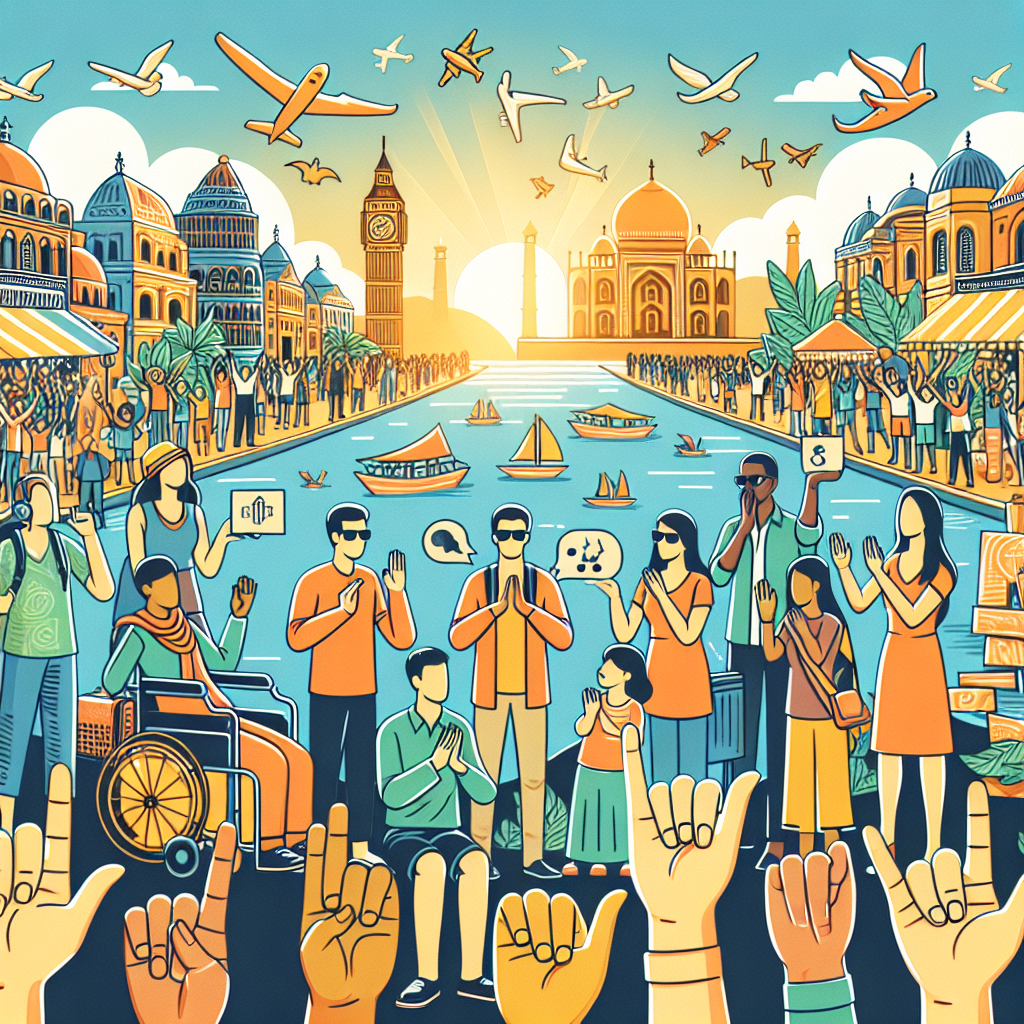
World Tourism Day is an annual celebration that offers a unique opportunity to raise awareness about the importance of tourism and its social, cultural, political, and economic value worldwide. Every year, this event provides a platform to discuss and promote sustainable tourism practices. One crucial aspect that requires continuous attention and improvement within the tourism industry is accessibility, particularly for Deaf individuals. Ensuring that tourism is inclusive and accessible can significantly enhance the travel experiences of Deaf individuals, fostering a sense of independence and inclusion as they explore new destinations.
As global citizens, it’s essential to recognize the potential barriers that Deaf individuals might face while traveling. Language barriers, lack of visual aids, inadequate information, and untrained staff are some of the hurdles that can make travel challenging. Addressing these issues through innovative solutions and inclusive practices can make a monumental difference, not only for Deaf travelers but also for other tourists with varying needs. This article will explore how we can promote accessible travel experiences and tourism destinations that are inclusive of Deaf individuals, focusing on raising awareness, implementing practical solutions, and sharing inspiring case studies from around the world.
Understanding the Needs of Deaf Travelers
To promote accessible travel experiences, it’s essential first to understand the specific needs and challenges faced by Deaf travelers. Communication is one of the most significant barriers. The absence of visual and textual information can make it difficult for Deaf individuals to access necessary travel information. This includes everything from airport announcements to hotel check-ins and guided tours. Additionally, many tourism staff may not be trained to communicate effectively with Deaf individuals, which can lead to misunderstandings and a less enjoyable experience.
Another critical aspect is the availability of assistive technology. Devices such as hearing aids, video relay services, and real-time captioning can significantly improve accessibility for Deaf travelers. However, the availability of these technologies varies greatly from one destination to another. Furthermore, cultural and social differences can also affect the travel experience. In some places, there may be a lack of awareness or sensitivity towards Deaf individuals, leading to isolation and discomfort. By understanding these unique needs and preparing to address them, the tourism industry can create more inclusive and fulfilling travel experiences.
Implementing Inclusive Practices in Tourism
The first step towards making tourism more inclusive is through effective training and education for tourism staff. It’s essential for staff in hotels, airports, museums, and other tourist attractions to receive training on how to communicate with Deaf individuals. This can include basic sign language training, understanding how to use assistive technology, and being aware of the specific needs of Deaf travelers. Additionally, providing written and visual information in multiple languages, including sign language, can significantly enhance accessibility.
Another critical area is the adaptation of tourism infrastructure. Airports and transportation hubs should have visual announcement systems to provide critical information in a way that Deaf travelers can easily understand. Hotels and accommodations should be equipped with visual alarm systems and communication devices. Tourist attractions, such as museums and historical sites, can offer sign language tours, written guides, and interactive displays that provide information visually. By implementing these inclusive practices, the tourism industry can ensure that Deaf individuals have access to the same enriching experiences as everyone else.
The Role of Technology in Enhancing Deaf Travel Experiences
Technology has the potential to revolutionize the travel experiences of Deaf individuals. Various apps and devices are available that can help bridge the communication gap and provide essential information. For example, translation apps can convert spoken language into text, making it easier for Deaf travelers to understand announcements and interact with local people. Video relay services, which allow Deaf individuals to communicate via video calls with sign language interpreters, can also be incredibly beneficial.
Virtual reality (VR) and augmented reality (AR) are also beginning to play a role in accessible tourism. These technologies can provide immersive experiences and detailed information through visual means, making it easier for Deaf individuals to engage with their surroundings. Furthermore, social media platforms and travel blogs can be valuable resources for Deaf travelers seeking information and recommendations from others who share similar experiences. By embracing these technological advancements, we can make travel more accessible and enjoyable for Deaf individuals.
Case Studies: Success Stories of Inclusive Tourism
Several destinations around the world have made significant strides in promoting accessible tourism for Deaf individuals. For example, the city of Barcelona has implemented various initiatives to enhance accessibility, including providing sign language interpreters at major tourist attractions and offering accessible guided tours. The Barcelona Tourism Office also provides detailed information on accessible transportation and accommodations, making it easier for Deaf travelers to plan their trips.
Another inspiring example is Japan’s commitment to inclusivity in preparation for the Tokyo 2020 Olympics. Several tourist spots in Japan have introduced sign language guides and video interpretation services. The country’s transportation network has also been upgraded with visual announcement systems and accessible information services. These initiatives have set a new standard for inclusive tourism and have demonstrated the positive impact that accessible practices can have on the travel experiences of Deaf individuals.
By highlighting these success stories, we can inspire other destinations to follow suit and prioritize accessibility in their tourism offerings. Sharing these examples also helps raise awareness about the importance of inclusive tourism and the benefits it brings to both travelers and the industry as a whole.
Raising Awareness and Advocating for Change
Promoting accessible travel experiences for Deaf individuals requires a concerted effort from various stakeholders, including government bodies, tourism organizations, and advocacy groups. Raising awareness about the barriers faced by Deaf travelers and the importance of inclusive tourism is a crucial step in driving change. Public campaigns, educational programs, and collaborations with Deaf communities can help spread the message and encourage more inclusive practices.
Advocacy groups play a vital role in this process. Organizations such as the World Federation of the Deaf (WFD) and the European Union of the Deaf (EUD) work tirelessly to promote the rights and inclusion of Deaf individuals in all aspects of society, including tourism. By partnering with these organizations, the tourism industry can gain valuable insights and support in implementing accessible practices. Moreover, encouraging feedback from Deaf travelers and addressing their concerns can help create more inclusive and satisfying travel experiences.
Conclusion
As we celebrate World Tourism Day, it’s essential to reflect on the strides we have made in promoting accessible travel experiences and recognize the areas that still require improvement. Fostering an inclusive tourism environment that caters to the needs of Deaf individuals not only enriches their travel experiences but also promotes a culture of diversity and understanding. By understanding the unique challenges faced by Deaf travelers and implementing practical solutions, we can make significant progress towards a more accessible and inclusive world.
Accessibility in tourism is not just about meeting the needs of a particular group; it’s about creating an environment where everyone can enjoy the beauty and culture of different destinations. By raising awareness, advocating for change, and embracing technological advancements, we can ensure that the tourism industry continues to evolve in a way that benefits all travelers. As we move forward, let us commit to making travel a more inclusive and accessible experience for everyone, regardless of their abilities.