

World No Tobacco Day, observed on May 31st annually, is a crucial global initiative spearheaded by the World Health Organization (WHO) to combat the widespread use of tobacco and related health issues. While the focus is often placed on prominent hazards like lung cancer and heart disease, it is vital not to overlook the adverse effects that tobacco use has on hearing health. Smoking has been linked directly to hearing loss and other auditory issues, thus affecting millions of people worldwide. In recognizing World No Tobacco Day, we not only aim to emphasize the importance of smoking cessation but also to highlight the often-underestimated impact of tobacco on hearing. By addressing both smoking cessation and hearing health, we hope to encourage a more comprehensive understanding and motivate collaborative efforts to support both causes.
The Connection Between Smoking and Hearing Loss
Many individuals are unaware that smoking is a significant risk factor for hearing loss. Research indicates that smokers are more likely to develop hearing loss compared to non-smokers, with the risk increasing further for those exposed to second-hand smoke. Nicotine and carbon monoxide can restrict blood flow and oxygen to the inner ear, affecting the auditory nerve necessary for healthy hearing. Furthermore, studies have found that the toxins in cigarette smoke can damage the hair cells in the cochlea, which play a crucial role in translating sound vibrations into electrical signals for the brain. This damage is often irreversible and can lead to permanent hearing loss. Raising awareness of this connection is essential, as it provides an additional health-related incentive for individuals to quit smoking and protect their auditory health.
Promoting Smoking Cessation: Strategies and Support
Encouraging smoking cessation requires a multifaceted approach, involving behavioral changes, medical interventions, and community support. Educational campaigns are fundamental in informing the public about the dangers of smoking and the benefits of quitting. These campaigns should incorporate information about the risk of hearing loss alongside other well-known health risks. Access to resources such as hotlines, counseling services, and support groups is also essential. Health professionals can play a pivotal role by consistently advising patients about smoking cessation and providing tailored quit plans. Additionally, medication and nicotine replacement therapies, such as patches, gums, and lozenges, can alleviate withdrawal symptoms and increase the likelihood of successful cessation. Combining these strategies creates a robust support system for individuals striving to quit smoking and regain control over their health.
Raising Awareness about Hearing Health
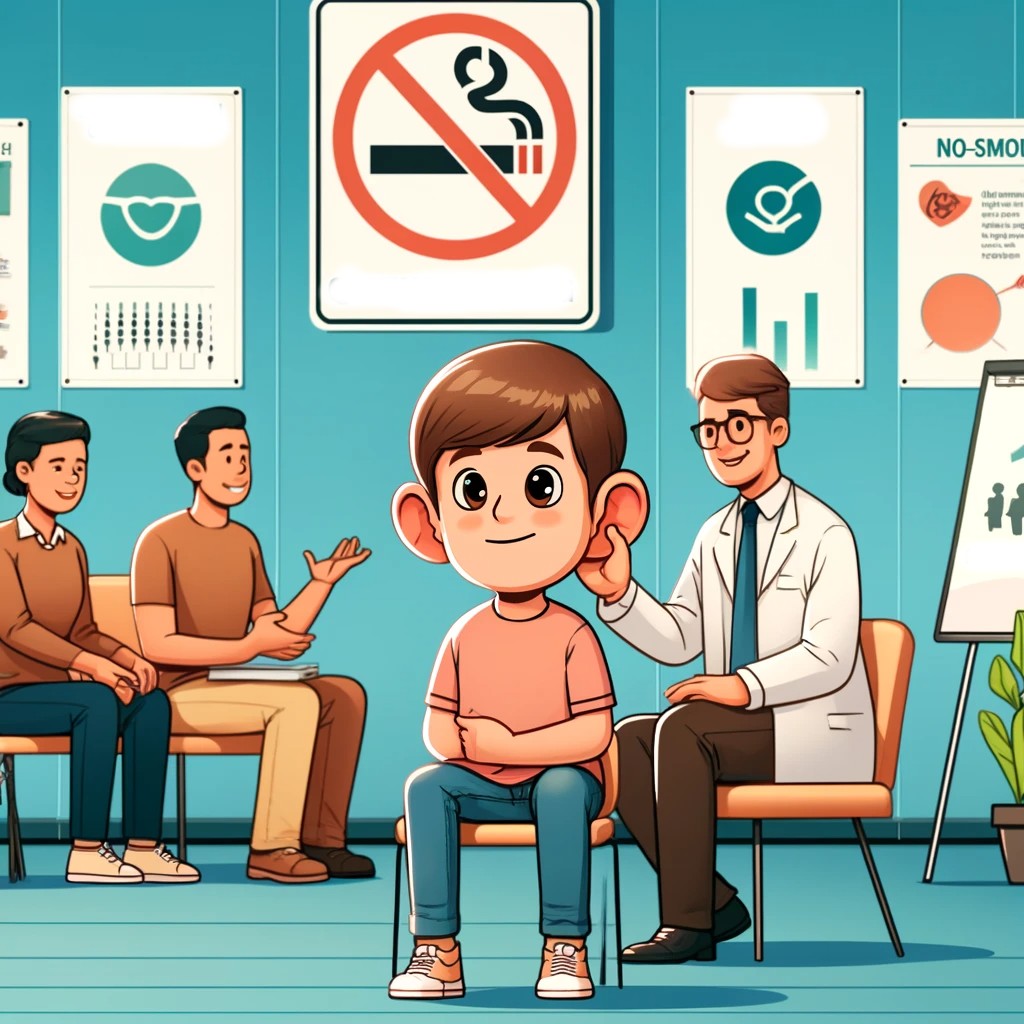
Educational outreach is crucial in raising awareness about the importance of hearing health and the risks posed by smoking. Informative materials, workshops, and online webinars can equip individuals with knowledge about maintaining auditory health and recognizing early signs of hearing loss. Engaging with schools, workplaces, and community centers can help disseminate information widely and foster environments that prioritize well-being. Partnering with hearing health professionals, such as audiologists, can further enhance these efforts by providing expert insights and conducting hearing screenings. Creating compelling narratives through personal stories of those affected by smoking-related hearing loss can also resonate more deeply with audiences, highlighting the real-life impact and motivating preventative actions.
Impact of Second-Hand Smoke on Hearing
The dangers of second-hand smoke extend beyond respiratory issues, significantly impacting auditory health. Individuals, including children, exposed to second-hand smoke are at an increased risk of developing hearing problems. Infants and young children, particularly, are more susceptible to middle ear infections, which can lead to hearing complications if recurrent and untreated. Protecting non-smokers from the harmful effects of second-hand smoke is equally crucial, requiring strict enforcement of smoke-free policies in public spaces, homes, and vehicles. Public awareness campaigns should emphasize the risks associated with second-hand smoke and encourage smoke-free environments to safeguard the hearing health of all community members.
Global Efforts and Personal Responsibility
Global initiatives, such as World No Tobacco Day, play a vital role in driving societal change and promoting health-conscious behaviors. Countries worldwide participate by enacting policies, raising public awareness, and providing support for smoking cessation. These efforts are further amplified by individuals taking personal responsibility for their health choices. Smokers are encouraged to take proactive steps toward quitting, supported by readily available resources and community encouragement. Loved ones and peers also play a significant role by offering support and creating environments that facilitate healthy living. Collective action at both community and individual levels is essential in overcoming the challenges of tobacco use and promoting a healthier, hearing-conscious world.
Conclusion
World No Tobacco Day serves as a powerful reminder of the widespread dangers of tobacco use, extending beyond commonly known health issues to include significant auditory health risks. The link between smoking and hearing loss underscores the multifaceted health hazards of tobacco, reinforcing the necessity for robust smoking cessation efforts. By integrating education about hearing health into smoking cessation initiatives, we can provide a comprehensive approach that addresses multiple health concerns concurrently. Empowering individuals with knowledge and support to quit smoking, along with creating protective environments against second-hand smoke, can significantly reduce the incidence of hearing loss and improve overall health outcomes. As we observe World No Tobacco Day, let us renew our commitment to combating tobacco use, protecting hearing health, and fostering healthier communities worldwide.