
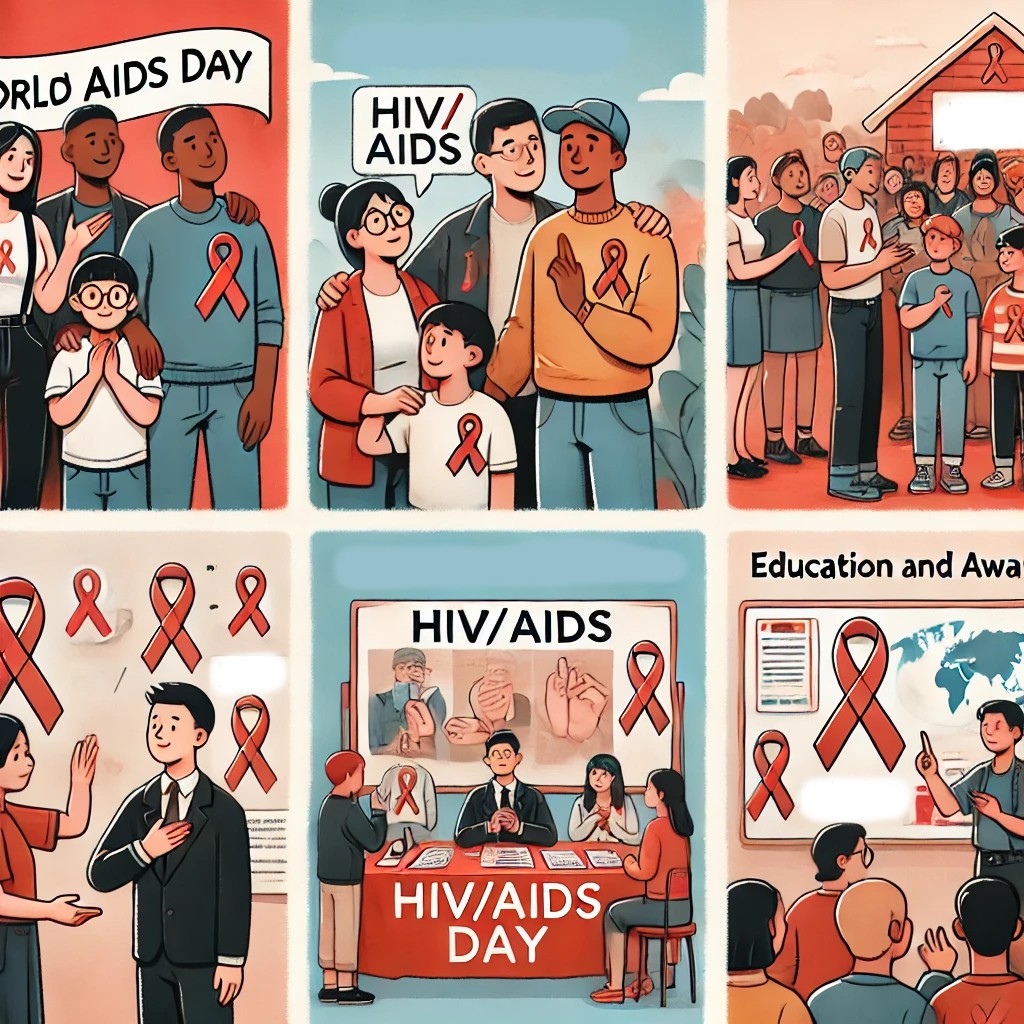
World AIDS Day, observed annually on December 1st, serves as a reminder of the ongoing battle against HIV/AIDS and the importance of raising awareness about this global health issue. While significant strides have been made in prevention, treatment, and education, the Deaf community often remains underserved and overlooked. This article aims to shed light on the unique challenges faced by Deaf individuals regarding HIV/AIDS, highlight the importance of accessible healthcare services, and encourage inclusive practices in raising awareness.
The Deaf Community and HIV/AIDS: An Overview
The Deaf community, like any other, is not immune to the impact of HIV/AIDS. However, the barriers to accessing information and healthcare services make them particularly vulnerable. Communication challenges, a lack of culturally competent healthcare providers, and limited access to sign language interpreters are just a few of the issues that contribute to this vulnerability.
Communication Barriers: One of the most significant obstacles faced by Deaf individuals is the communication gap between them and healthcare providers. Many healthcare settings are not equipped with sign language interpreters or other means of effective communication, leaving Deaf patients at a disadvantage. This communication barrier can result in a lack of understanding about HIV prevention, testing, and treatment options.
Limited Access to Information: Public health campaigns often rely on spoken or written language, which may not be accessible to Deaf individuals, especially those who primarily use sign language. Traditional media, like television and radio, often exclude this population unless information is provided in sign language or with captions. As a result, critical information about HIV/AIDS may not reach Deaf individuals in a timely or understandable manner.
Cultural Competency: Healthcare providers may not be familiar with Deaf culture, which can lead to misunderstandings and a lack of trust between Deaf patients and their healthcare providers. This lack of cultural competency can further exacerbate the challenges faced by Deaf individuals in accessing appropriate care.
Raising Awareness About HIV/AIDS in the Deaf Community
Raising awareness about HIV/AIDS within the Deaf community requires targeted efforts that consider the unique needs of this population. Here are some strategies to effectively raise awareness and ensure that Deaf individuals have access to the information and resources they need:
1. Utilize Deaf-Friendly Media: Information should be disseminated through channels that are accessible to the Deaf community. This includes using social media platforms with videos in sign language, providing captions on all visual content, and collaborating with Deaf influencers and advocates who can communicate directly with their community.
2. Partner with Deaf Organizations: Collaborating with organizations that work closely with the Deaf community is essential. These organizations can help tailor HIV/AIDS awareness campaigns to ensure they resonate with Deaf individuals and address their specific concerns.
3. Provide Culturally Competent Training for Healthcare Providers: Training healthcare providers in Deaf culture and sign language basics can significantly improve communication and trust between Deaf patients and their healthcare providers. Additionally, ensuring that interpreters are available for all medical appointments is crucial for effective communication.
4. Advocate for Policy Changes: Advocacy efforts should focus on policies that mandate the provision of sign language interpreters in healthcare settings and require that all public health information be made accessible to the Deaf community. These policies can help bridge the gap in healthcare access for Deaf individuals.
5. Create Visual and Interactive Educational Tools: Visual aids, interactive websites, and apps that use sign language can be effective tools for educating Deaf individuals about HIV/AIDS. These tools should be designed with input from Deaf individuals to ensure they are both accessible and culturally appropriate.
Promoting Accessible Healthcare Services
Accessible healthcare services are essential for preventing and treating HIV/AIDS in the Deaf community. Here are some ways to promote accessibility in healthcare:
1. Ensure Availability of Sign Language Interpreters: All healthcare facilities should have access to qualified sign language interpreters, either on-site or through video remote interpreting services. This ensures that Deaf patients can communicate effectively with their healthcare providers.
2. Offer Training for Healthcare Providers: As mentioned earlier, training healthcare providers in basic sign language and Deaf culture can greatly enhance the quality of care provided to Deaf patients. This training should be a standard part of medical education and ongoing professional development.
3. Develop Accessible Health Materials: Health education materials, including pamphlets, websites, and videos, should be available in sign language and easy-to-understand formats. This ensures that Deaf individuals have access to the same information as their hearing counterparts.
4. Implement Universal Design in Healthcare Settings: Universal design principles should be applied to healthcare settings to make them accessible to everyone, including Deaf individuals. This includes using visual alerts, offering text-based communication options, and ensuring that all signage is clear and easy to understand.
5. Support Peer Education Programs: Peer education programs, where Deaf individuals are trained to educate others in their community about HIV/AIDS, can be highly effective. These programs allow for the sharing of information in a culturally relevant and accessible way.
The Role of Advocacy on World AIDS Day
World AIDS Day provides an important platform for advocacy and awareness-raising within the Deaf community. By focusing on the unique challenges faced by Deaf individuals, advocates can help bring attention to the need for accessible healthcare services and inclusive HIV/AIDS education.
1. Host Deaf-Friendly Events: Organize events that are specifically designed to be accessible to Deaf individuals. This could include panel discussions with Deaf healthcare professionals, workshops in sign language, and community forums where Deaf individuals can share their experiences.
2. Engage in Social Media Campaigns: Social media can be a powerful tool for raising awareness about HIV/AIDS in the Deaf community. By using platforms that support video content, advocates can share information in sign language and reach a wider audience.
3. Collaborate with Public Health Agencies: Public health agencies should work closely with Deaf organizations to ensure that their campaigns are inclusive. This collaboration can lead to the development of materials and strategies that are effective in reaching Deaf individuals.
4. Raise Awareness About the Importance of Accessible Services: Use World AIDS Day as an opportunity to highlight the need for accessible healthcare services for the Deaf community. This can include advocating for policy changes, sharing success stories, and encouraging healthcare providers to adopt more inclusive practices.
Conclusion
World AIDS Day is a time to reflect on the progress made in the fight against HIV/AIDS and to recognize the work that still needs to be done. For the Deaf community, the challenges are significant, but with targeted awareness efforts and a commitment to accessibility, these challenges can be overcome. By promoting accessible healthcare services and raising awareness about HIV/AIDS in the Deaf community, we can ensure that everyone has the information and resources they need to protect their health.
In conclusion, the fight against HIV/AIDS is a global effort that must include every community, including the Deaf community. By addressing the unique challenges faced by Deaf individuals, we can work towards a future where everyone has equal access to healthcare and education. Let World AIDS Day be a reminder of the importance of inclusivity in our efforts to combat HIV/AIDS and promote health for all.