
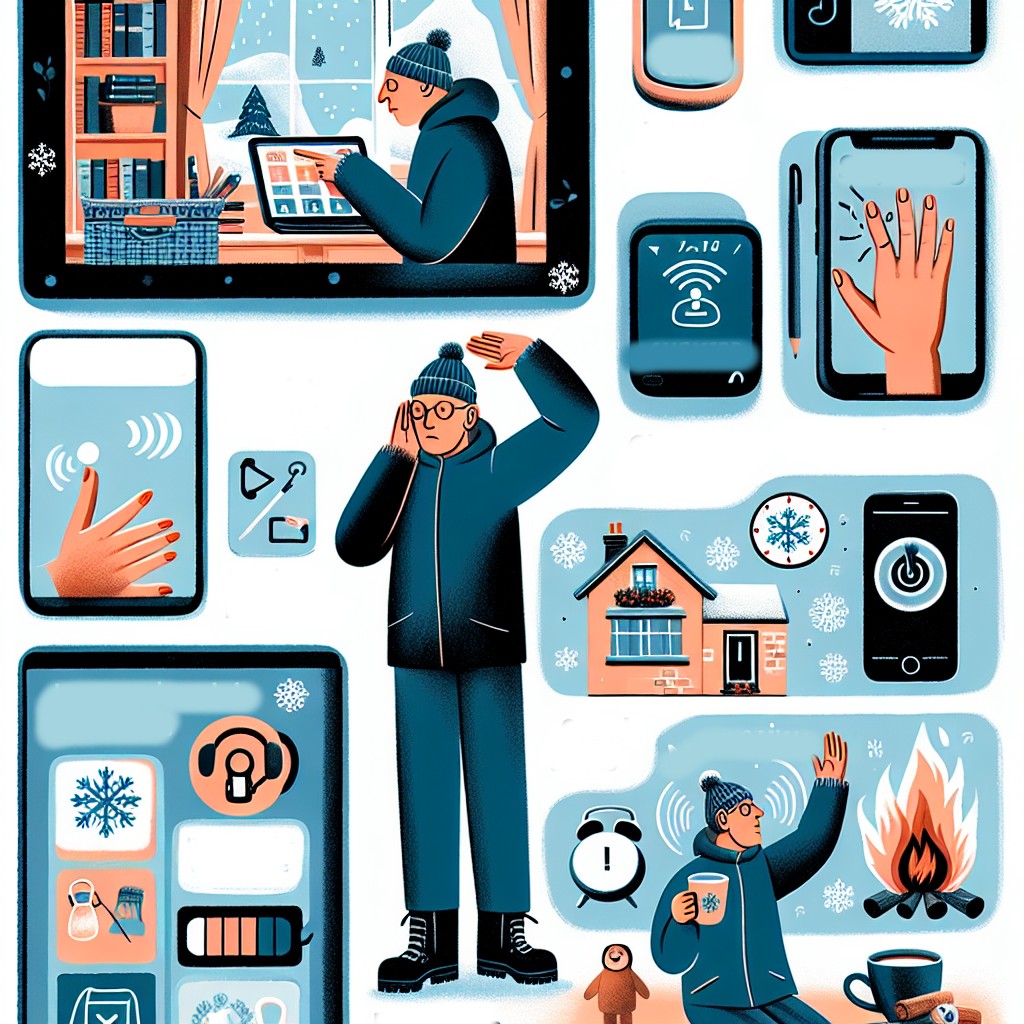
Winter brings with it a unique set of challenges and opportunities for everyone. For the Deaf community, navigating the icy roads and brisk weather requires an additional layer of preparation. If you or someone you know is Deaf, ensuring their safety, comfort, and accessibility during the winter months is paramount. From understanding how to communicate in an emergency to providing inclusive activities, this comprehensive guide will help you and your loved ones be well-prepared for the colder seasons ahead.
In communities around the world, word of mouth and auditory cues often play significant roles in delivering important information, especially during emergencies. Deaf individuals, however, must rely on visual or tactile methods for communication. This difference necessitates specific strategies to ensure their well-being and inclusion in society’s seasonal activities. By being equipped with the knowledge and tools that cater to Deaf individuals, you can help cultivate an inclusive environment for everyone to thrive in the winter months.
Safety Tips
When the temperatures drop and snow begins to fall, safety is a top concern. For Deaf individuals, safety measures need to go beyond the norm to include things like visual alerts and other accessibility tools. Here are some practical safety tips:
- Visual Smoke and Carbon Monoxide Detectors: Make sure your home is equipped with detectors that use flashing lights or vibrating alerts.
- Communication Cards: Carry a set of communication cards that clearly explain specific needs in case of an emergency. These can be shared with first responders who might not know sign language.
- Weather Apps: Use weather apps that provide text-based alerts for severe weather, ensuring you’re always informed.
- Emergency Contact List: Have a list of emergency contacts that can be reached via text or other non-verbal methods. Ensure the contacts understand how to communicate effectively with a Deaf individual.
- Visual Doorbells: Install doorbells that use flashing lights to alert when someone is at the door. This is especially useful for deliveries or when expecting visitors.
Accessible Activities
Winter can still be a season full of fun and engagement, regardless of hearing ability. Ensuring activities are accessible means everyone can enjoy the festivities:
- Indoor Games: Board games, card games, and puzzles don’t rely on auditory cues and can be a great way to spend time indoors.
- Visual Art Projects: Encourage creativity with painting, drawing, or crafting projects. These activities are not only enjoyable but also therapeutic.
- Virtual Meet-ups: Use video conferencing tools with captions or sign language interpreters to stay connected with friends and family.
- Subtitled Movies and Shows: Host movie nights with films that include subtitles or captions to ensure everyone can follow along.
- Community Events: Look for local community events that offer sign language interpretation or are tailored for Deaf participants.
Enhancing Communication
Effective communication is vital during the winter months, especially when navigating potentially hazardous conditions. Here are ways to enhance communication with Deaf individuals:
- Learn Basic Sign Language: Taking the time to learn basic signs can go a long way in improving communication. Many online resources are available for this purpose.
- Texting and Messaging Apps: Utilize texting and other messaging apps for quick and accessible communication. Apps like WhatsApp, Viber, and Signal can be very effective.
- Video Relay Services (VRS): Make use of VRS, which allows Deaf individuals to communicate with hearing people via a sign language interpreter through video calls.
- Speech-to-Text Apps: Use apps like Live Caption or Otter to convert spoken language into text in real-time, which can be very helpful in noisy environments or group settings.
- Emergency Notification Systems: Register for emergency notifications that provide text-based updates about severe weather, road conditions, and other critical information.
Navigating Outdoor Environments
The winter months often necessitate travel through snow and ice, which can be particularly challenging for Deaf individuals. Here are some tips for navigating outdoor environments:
- Reflective Clothing: Wear reflective clothing to enhance visibility to others, especially in low-light conditions commonly found during winter.
- Travel in Pairs: Whenever possible, travel with a friend or family member who can assist and provide company.
- Warning Systems: Use personal warning systems that emit visual alerts in case of dangerous situations, such as icy surfaces or incoming traffic.
- Public Transportation: Opt for public transportation options that offer visual schedule updates and announcements to ensure you don’t miss important information.
- GPS Devices: Use GPS devices that provide visual directions and maps to help navigate unfamiliar areas safely.
Community Resources
Connecting with community resources can provide additional support and information specifically geared towards Deaf individuals:
- Deaf Community Centers: These centers often offer winter programs, resources, and social events that are accessible and inclusive.
- Online Forums and Groups: Join online forums and groups where Deaf individuals share tips, experiences, and support for navigating the winter months.
- Local Nonprofits: Many local nonprofits provide resources and assistance tailored to the needs of the Deaf community, including offering hearing devices and winter supplies.
- Educational Workshops: Attend workshops focused on winter safety and preparedness that are specifically designed for Deaf and hard of hearing individuals.
- Social Media Pages: Follow social media pages and channels that provide updates and resources for the Deaf community.
Conclusion
Winter months can pose specific challenges for Deaf individuals, but with the right tools, strategies, and support, these challenges can be navigated effectively. Whether it’s ensuring safety at home with visual alerts, participating in accessible activities, enhancing communication methods, or utilizing community resources, there are myriad ways to embrace the season while staying safe and connected.
Deaf individuals deserve to experience the winter season with the same joy, safety, and comfort as anyone else. This comprehensive guide aims to provide practical tips and strategies to help achieve that goal. By fostering an environment of inclusivity and awareness, we can all contribute to making the colder months enjoyable and accessible for everyone.
As a community, let us remember that preparedness and inclusivity go hand-in-hand. Embrace the beauty of winter while ensuring that the world remains an accessible and supportive place for Deaf individuals. Simple gestures, like learning basic sign language or ensuring communication devices are up-to-date, can make a significant difference in fostering a sense of belonging and safety.