
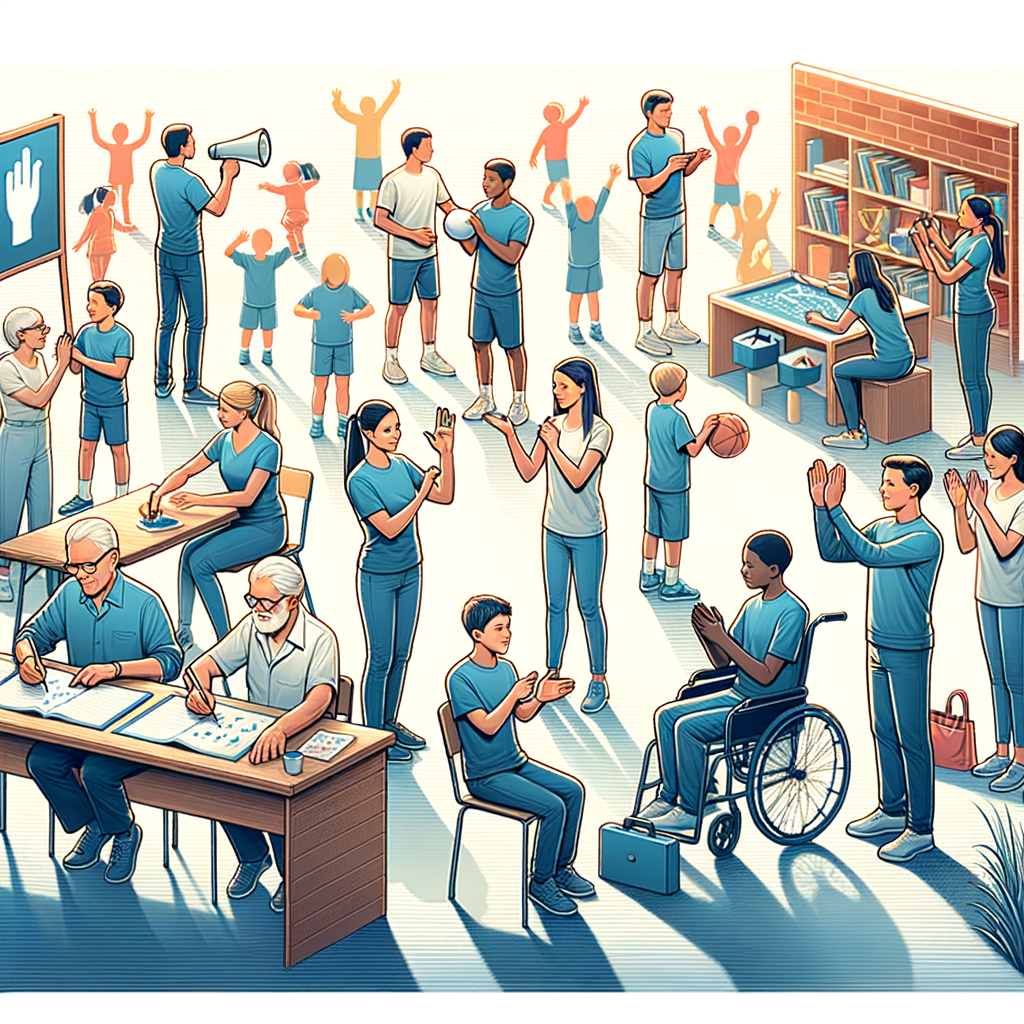
Volunteering stands as a valuable bridge between individuals eager to give back to the community and those in need of assistance. One often-overlooked yet highly rewarding area for volunteering is within deaf schools. As inclusive education continues to gain traction, the demand for volunteers who can contribute to programs for deaf and hard-of-hearing students has never been more crucial. Participation in such programs not only enriches the lives of students but also provides volunteers with a unique understanding of Deaf culture, language, and education systems. Whether you are a student, a professional seeking to make a difference, or someone passionate about education, getting involved in volunteer work at deaf schools can be truly transformative.
The engagement in deaf schools requires an understanding of the specific needs and dynamics of the Deaf community. While anyone can become a volunteer, a meaningful contribution comes from being informed and prepared to meet the challenges and opportunities that such an environment presents. From assistance in the classroom to organizing extracurricular activities, volunteers play vital roles. Opportunities exist in various capacities including educational support, skill sharing, and community outreach. However, knowing where to start and how best to make an impact requires insight and readiness to adapt and learn. In this article, we delve into ways you can get involved with volunteering in deaf schools and how it can benefit both you and the students. You’ll find an outline of main activities, qualifications necessary, and how volunteering can impact your personal growth and career development.
Understanding the Environment
To effectively volunteer in deaf schools, it’s essential to cultivate an understanding of the environment and the unique challenges faced by the Deaf community. Deaf schools are specific institutions that cater to the educational needs of students who are deaf or hard of hearing. These schools focus not only on delivering the regular curriculum but doing so in a manner that’s accessible. Most importantly, they incorporate communication methods such as sign language, lip reading, and the use of assistive listening devices. Understanding these different methods of communication is central to effectively assisting within the school.
Before volunteering, familiarize yourself with sign language, as it’s the primary means of communication in deaf schools. American Sign Language (ASL) is commonly used in the United States, but other countries may have their own sign languages. Participating in basic sign language courses either online or in person can significantly enhance your ability to communicate and bond with students. Additionally, learning about the culture surrounding the Deaf community can improve interaction. The Deaf culture has its own values, norms, and even its literature. Respecting and embracing these aspects is paramount for building trust and relationships.
Opportunities for Volunteering
There are numerous roles you can take on when volunteering at deaf schools, each contributing uniquely to the school’s community. Classroom assistance is one of the main activities where volunteers can have a profound impact. You might work alongside teachers to help create and implement lesson plans, ensuring that they are accessible to all students and assist in maintaining a conducive learning environment. This role can involve anything from one-on-one tutoring sessions to preparing and organizing educational materials.
Another vital area is extra-curricular support. Deaf schools, like all educational institutions, offer a variety of clubs and activities beyond academics. Volunteering to coach sports teams, lead art classes, or facilitate drama groups provides invaluable support to students seeking outlets for creativity and physical development. These activities encourage socialization, teamwork, and confidence – essential ingredients in the holistic development of deaf students.
Moreover, involvement as an interpreter is a highly specialized volunteering opportunity. If you possess sign language proficiency, volunteering as an interpreter can bridge communication between students and teachers or between schools and parents. Even if you’re not fluent, many schools offer training programs where you can develop this skill further while helping to maintain critical communication links.
Qualifications and Preparation
Volunteering at deaf schools can require specific qualifications and preparations to ensure both the volunteer and students receive the full benefit of the experience. Firstly, understanding and respect for confidentiality and sensitivity are non-negotiable. You must protect personal information about students and respect the privacy of the school community.
While formal qualifications are not always necessary, most schools prefer volunteers who have some experience or training in special education or communication. Therefore, obtaining certification in sign language or special education would significantly stand out. Additionally, many programs offer orientation sessions and continuous support to adapt volunteers to the particular needs of the students and the environment of the schools.
Preparation may extend to background checks, as working with children requires a degree of screening to ensure their safety. This thorough process includes obtaining clearances which could involve identity verification and providing references. While this might seem daunting, it’s a critical safeguard for the children and the integrity of the schools.
Impact on Personal Growth
Volunteering in deaf schools is not only about giving back; it’s also a unique opportunity for personal growth. By engaging in an environment that challenges your communication comfort zones, you develop empathy, patience, and communication skills. These skills extend far beyond the immediate experience, enhancing your capacity to interact in various professional and personal contexts.
Such volunteering provides insight into alternative education systems, equipping you with profound knowledge and understanding that can be applied in various professional fields, whether you continue in education, enter healthcare, or move into community services. For those contemplating careers in teaching, speech therapy, or audiology, volunteering serves as an invaluable platform for practical, hands-on experience that is otherwise difficult to obtain.
The relationships formed with students and faculty also create a mutual learning environment. By teaching and sharing knowledge, volunteers gain new perspectives and approaches, fostering a collaborative spirit. The gratitude and warmth from students and their noticeable growth fuel a sense of accomplishment and purpose, encouraging continuous personal development beyond the volunteering period.
Getting Started: Steps to Take
Getting involved in volunteer work at deaf schools begins with identifying local institutions or organizations that align with your skills and interests. Contacting schools directly, browsing through volunteering platforms, or obtaining referrals from professional networks can quickly open up opportunities. Reach out proactively and express your interest in contributing, offering your skills, and learning simultaneously.
Once identified, the next step is to undergo any application processes required by the institution. This may involve submitting applications, attending interviews, and participating in orientation sessions. Institutions may also provide training sessions prior to starting, ensuring you’re equipped to handle the responsibilities you’re taking on.
Simultaneously, continue improving your sign language skills and understanding of deaf culture through self-study or by participating in community events. Attend workshops or meetups that bring together volunteers who are already engaged in deaf education to gain first-hand insight and tips on improving your effectiveness in the role.
Key to success in this arena is remaining flexible and open-minded. Every school and student may present unique challenges and perspectives, and being adaptive ensures that you’ll provide the most meaningful and effective support you can offer.
Conclusion
Volunteering in deaf schools offers a compelling opportunity to make a meaningful impact in the lives of students and contribute to a more inclusive society. By engaging with these communities, you gain valuable skills, insights, and a deepened empathy that enrich both your personal and professional life. As you become a part of their world, you help empower students by providing them with the tools and confidence they need to thrive.
The journey begins with a genuine willingness to learn and adapt to the unique demands of this educational environment. Each volunteer role, whether in teaching, coaching, or community outreach, plays a critical role in enhancing the educational experience of deaf students. For the volunteers, these experiences are not only about service but transformation, leading to personal growth and development that lasts far beyond the volunteer period.
Ultimately, the fulfillment comes from knowing your contributions make a tangible difference. Through volunteering in deaf schools, you help foster a nurturing educational space that celebrates diversity and encourages all children to achieve their fullest potential. It’s a profound commitment to create and be part of a legacy that champions inclusion and acceptance, resonating well beyond the walls of the school. If you’re ready to embark on this journey, take the first step today by reaching out to deaf schools in your area and exploring the possibility of becoming a volunteer. The rewards, both personal and communal, are truly immeasurable.