
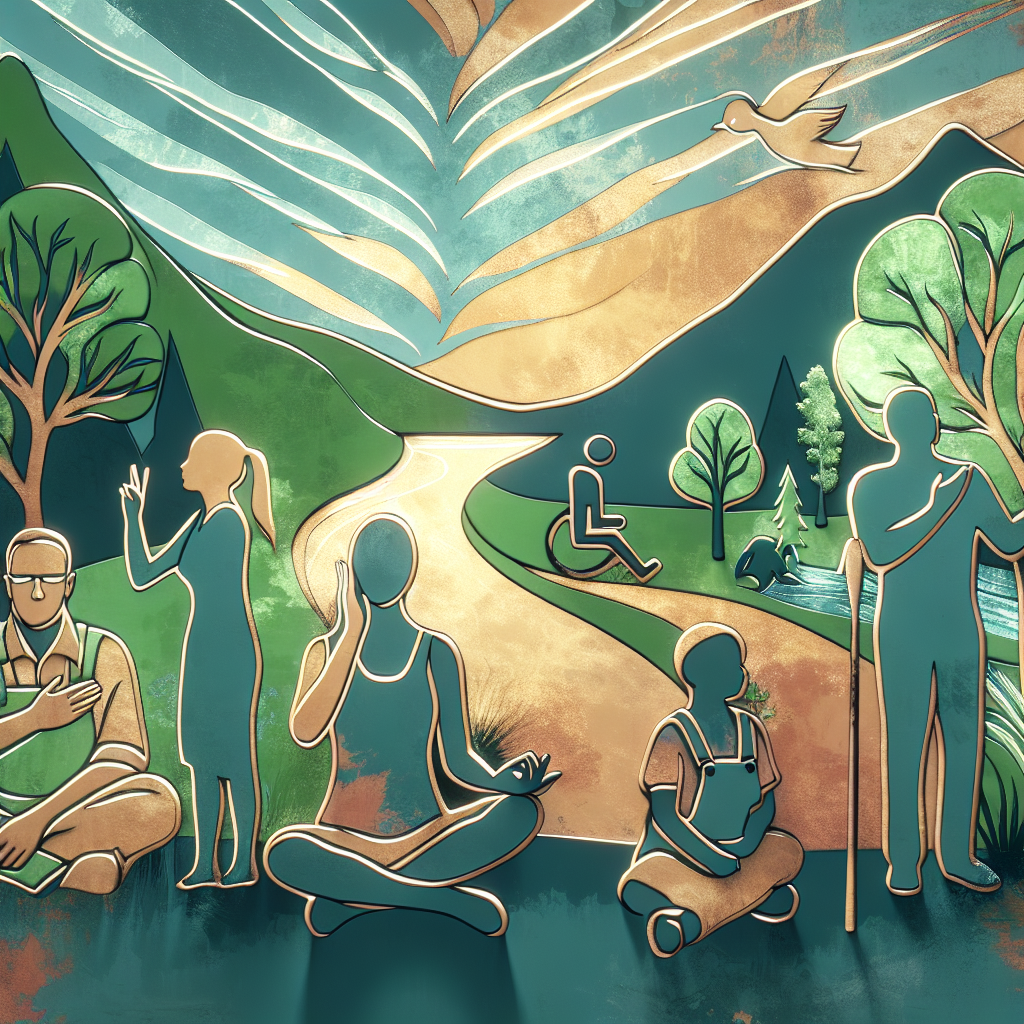
When it comes to health and wellbeing, the advantages of spending time in nature are widely recognized. Nature offers a unique and profound setting for enhancing physical and mental health. For individuals in the Deaf community, communing with nature can be particularly beneficial, offering a range of healthful effects that can be both unique and impactful. This piece delves into the considerable benefits that enjoying the outdoors can provide for the Deaf community, from improving mental health to bolstering physical wellbeing, and more.
The Deaf community encounters specific health challenges, both mental and physical, that require specialized understanding and approaches to address. Issues such as social isolation, communication barriers, and limited access to healthcare resources can lead to increased stress and health complications. However, spending time outdoors and engaging with nature offers therapeutic effects that can help alleviate some of these challenges. This article explores how the natural world can serve as a powerful ally in promoting the overall health of Deaf individuals.
Mental Health Benefits of Nature for the Deaf Community
Mental health is a crucial component of overall wellbeing, and for the Deaf community, it often demands specialized strategies to maintain. People who spend significant time in natural settings tend to experience lower stress levels, enhanced mood, and a general improvement in mental health. One of the most significant benefits is the reduction in symptoms related to anxiety and depression, which can be prevalent among Deaf individuals due to social isolation and communication barriers.
Walking through a forest, spending time by the ocean, or simply enjoying a well-maintained park can offer a serene escape from everyday stress. Nature provides a sense of calm and solace that can lower cortisol levels and other stress hormones. This mental reprieve helps in achieving a state of mindfulness and mental clarity. For Deaf individuals, who may face unique stressors related to communication and accessibility, nature’s non-judgmental presence offers a welcoming retreat, allowing for mental recuperation and improved emotional balance.
Physical Health Improvements Linked to Nature Exposure
Physical health is equally important, and spending time in natural environments has been shown to offer substantial physical benefits. Regular outdoor activities such as hiking, biking, or even a leisurely walk can improve cardiovascular health, reduce the risk of chronic diseases, and promote an overall active lifestyle. For Deaf individuals, these activities are also an opportunity to enhance proprioceptive and balance skills, which are vital for overall physical stability and coordination.
Furthermore, natural sunlight provides Vitamin D, which is essential for bone health and immune function. Being outdoors can also improve sleep patterns by regulating circadian rhythms, thereby promoting better restorative sleep, which is often disrupted by stress and anxiety. For Deaf individuals, incorporating regular nature-based exercises into daily routines can significantly improve physical health outcomes, contributing to a more balanced and healthy life.
Enhancing Social Connections Through Outdoor Activities
Building and maintaining social connections is vital for emotional health and overall happiness. Nature-based activities offer unique opportunities to forge stronger community ties and create lasting memories with peers. Group activities like hiking clubs, bird watching groups, and nature photography classes can be particularly impactful, providing shared experiences and fostering a sense of community and belonging.
For Deaf individuals, participating in such activities alongside both Deaf and hearing individuals can help bridge communication gaps and foster inclusion. Many nature-focused organizations are increasingly becoming more accessible, offering sign language interpreters and other accommodations to ensure that everyone can participate fully. This inclusivity helps mitigate feelings of isolation, providing a supportive environment that encourages more meaningful social interactions.

Nature as a Medium for Education and Personal Growth
The educational aspects of spending time in nature cannot be overlooked. Nature serves as an expansive, interactive classroom where Deaf individuals can learn about ecology, biology, environmental science, and more. This experiential learning can be incredibly empowering, offering a hands-on approach to education that is often more engaging and memorable than traditional classroom settings.
Moreover, nature encourages personal growth and resilience. Activities like rock climbing, kayaking, and camping push individuals out of their comfort zones, teaching problem-solving skills, endurance, and adaptability. These experiences can be particularly valuable for Deaf individuals, reinforcing self-reliance and boosting self-esteem. In essence, nature acts as a dynamic arena for both educational enrichment and personal development.
The Therapeutic Role of Nature in Deaf Health
Many healthcare professionals are embracing the holistic benefits of nature-based interventions for various health conditions, including mental health. Therapeutic practices such as eco-therapy and nature immersion programs are designed to harness the healing power of nature to improve psychological wellbeing. These programs often include guided activities like forest bathing, mindful walks, and meditation, all aimed at reducing stress and enhancing mental clarity.
For members of the Deaf community, the inclusion of nature-based therapy can be immensely beneficial. Such programs can be adapted to ensure accessibility and inclusivity, often involving trained professionals who are knowledgeable about Deaf culture and communication needs. This holistic approach to mental health care not only mitigates symptoms of stress and anxiety but also promotes a sense of peace and connection with the natural world.
Conclusion
In conclusion, the healing power of nature is a profound and accessible resource for improving the mental and physical wellbeing of the Deaf community. From stress reduction and mental clarity to physical health benefits and social inclusion, spending time outdoors offers a multifaceted approach to holistic health. Engaging with nature helps mitigate many of the unique challenges faced by Deaf individuals, providing a sanctuary of wellness and belonging.
It’s important for healthcare providers, educators, and community leaders to recognize and promote the benefits of nature as part of comprehensive health and wellbeing strategies. By advocating for more inclusive and accessible nature-based activities and interventions, we can help ensure that all individuals, regardless of hearing ability, can tap into the enriching and healing power of the natural world. Embracing nature is not just a leisure activity; it is a vital component of a healthy, balanced life for Deaf individuals and the community at large.