

In today’s digital age, social media has become an essential tool for advocacy and change, particularly for marginalized communities seeking to amplify their voices and create awareness. For the Deaf community, who have historically faced challenges in accessing mainstream media and educational resources, social media represents a game-changing platform. It offers a space for Deaf activists to educate the public, challenge stereotypes, and celebrate Deaf culture. Platforms such as Instagram, Twitter, TikTok, and YouTube empower individuals to share their stories and experiences on a global scale, reaching audiences that traditional media often cannot. This ability to connect and communicate directly with a diverse audience is redefining the landscape of Deaf representation in art, media, and society at large.
Over the last decade, the impact of social media on Deaf advocacy has been profound. Deaf individuals and organizations have harnessed these digital tools to push for equal rights, increased awareness, and the normalization of sign language. By using video content and visual storytelling, Deaf activists can effectively convey messages and ideas that resonate with audiences both within and outside the Deaf community. Social media campaigns have also led to tangible changes, such as policy shifts, increased media representation, and greater inclusion in various aspects of social life. This article explores how Deaf activists use social media to drive change, the significance of this representation, and the future of Deaf advocacy in a digitally connected world.
Social Media as a Tool for Visibility and Advocacy
One of the pivotal roles that social media plays in Deaf advocacy is providing visibility to the Deaf community. In the past, Deaf individuals were often underrepresented or misrepresented in traditional media. However, social media platforms have democratized the ability to share experiences and viewpoints, allowing Deaf activists to shape their narrative. As a result, there is a growing presence of Deaf influencers, educators, and artists online, each contributing to a more comprehensive understanding of Deaf culture.
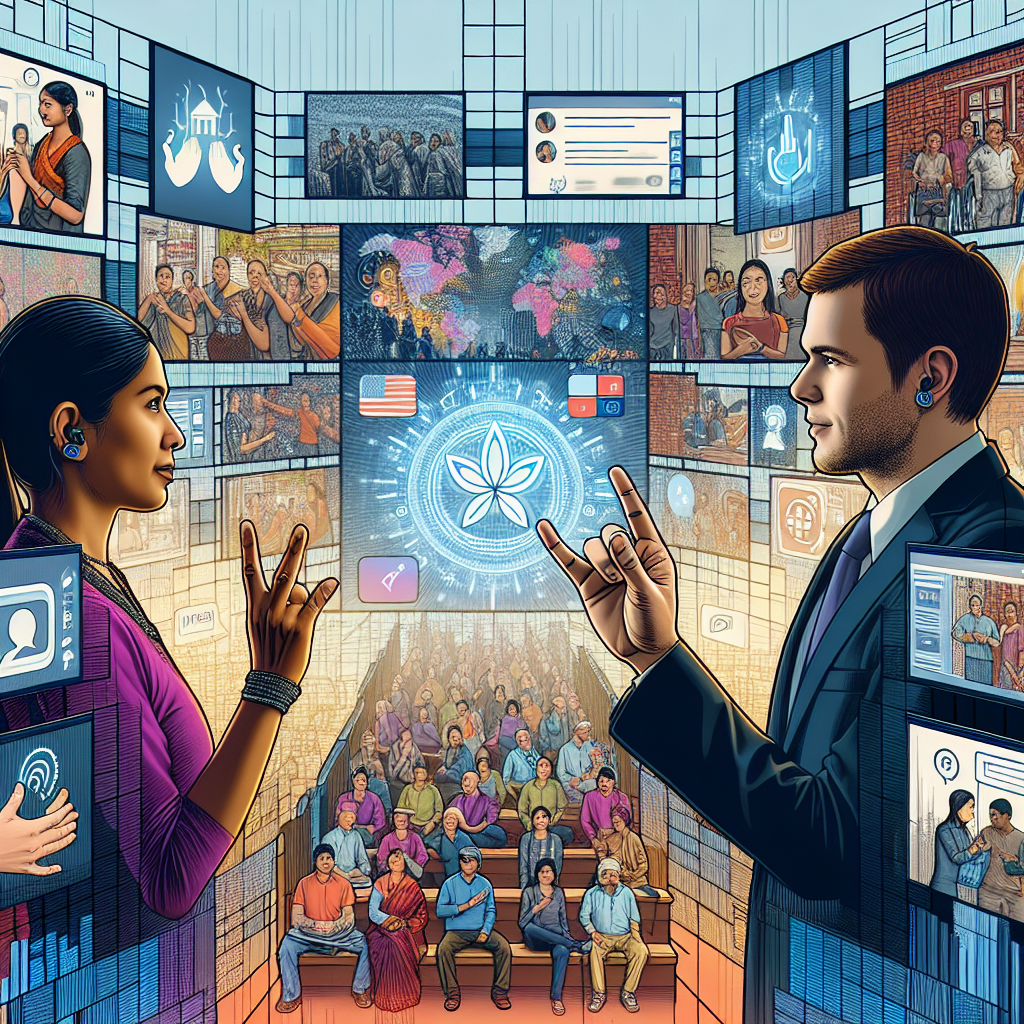
Visual platforms such as Instagram and TikTok are particularly powerful for Deaf activists. These platforms emphasize visual storytelling, which aligns well with the nature of sign language communication. Activists use these channels to post videos and images that educate others about Deaf culture, signal language, accessibility issues, and everyday experiences. Additionally, hashtags like #DeafAwareness and #DeafTalent have gained momentum, connecting Deaf creators to broader networks and encouraging dialogue around key issues. This visibility not only fosters community within Deaf circles but also challenges hearing individuals to reconsider prejudices and preconceptions.
A Platform for Challenging Stereotypes
Another crucial benefit of social media as a platform for Deaf activism is its potential to challenge stereotypes and misrepresentations of Deaf people. Popular media has often failed to accurately portray the diverse experiences and lives of Deaf individuals, sometimes resorting to harmful tropes or myths. By utilizing social media, Deaf activists can directly address and debunk these stereotypes, offering a rich tapestry of perspectives that showcases the community’s diversity.
For example, Deaf creators regularly highlight the linguistic and cultural richness of sign languages, illustrating that being Deaf is not a disability to be pitied but a unique identity to be celebrated. They share personal stories, educational content, and creative works that counteract prevalent misconceptions about Deafness. Furthermore, through the real-time dynamics of social media conversations, non-Deaf audiences are encouraged to listen and learn directly from Deaf communicators, fostering empathy and understanding. By providing authentic narratives and shedding light on the breadth of the Deaf experience, social media campaigns can create lasting impacts on societal attitudes and inclusion.
Creating Change Through Online Campaigns
The dynamic nature of social media allows Deaf activists to launch campaigns that reach a wide audience and effect change. Campaigns are often centered around key issues like education accessibility, employment rights, and the representation of Deaf people in the media. By rallying support online, these campaigns put pressure on decision-makers and institutions to implement changes that benefit the Deaf community.
For instance, online petitions and awareness days have become common tools for raising issues and mobilizing support. A recent example is the demand for more sign language interpreters in hospitals, spurred by grassroots online movements highlighting the lack of access to essential health services for Deaf individuals. Furthermore, social media campaigns have successfully lobbied for changes in law and policy, such as the adoption of sign languages as official languages, or the implementation of closed captioning on streaming platforms. The ability to rapidly disseminate information and bring attention to neglected issues makes social media an indispensable resource for Deaf activists seeking systemic change.
Engaging with Diverse Audiences
Social media not only facilitates interaction within the Deaf community but also extends outreach to diverse audiences around the world. Through the interactive nature of these platforms, Deaf activists can engage with followers who might not otherwise have exposure to Deaf culture or issues. This interaction is essential for breaking down barriers and building bridges between Deaf and hearing communities.
By using features like live streaming, comments, and direct messaging, Deaf activists can foster instantaneous and meaningful dialogue with their audience. Collaborations with hearing allies, influencers, and other social justice movements further expand the reach and impact of Deaf advocacy online. Moreover, multilingual content allows messages to travel beyond linguistic borders, ensuring that Deaf advocacy can resonate globally. These multifaceted engagements highlight the universality of the struggle for equality and exemplify the shared human capacity for solidarity and support.
The Future of Deaf Advocacy in a Digital World
As technology evolves, so too does the landscape of Deaf advocacy. Emerging technologies and platforms will likely continue to redefine how Deaf activists engage with audiences and campaign for change. For example, the integration of virtual reality in social media has the potential to offer immersive experiences of Deaf culture and sign language, broadening the reach of advocacy efforts.
Looking ahead, it is crucial for social media companies to consider the needs of Deaf users when developing platform features. Enhancements in video captioning, text-to-sign language generation, and inclusive user interfaces will ensure that these digital spaces remain accessible to all. Additionally, ongoing dialogue between tech developers and the Deaf community can lead to innovations that empower Deaf individuals further while fostering an inclusive digital ecosystem.
The unprecedented access to information and connectivity offered by social media will continue to be a cornerstone of Deaf activism. As new generations of Deaf individuals continue to engage with these platforms, the potential for creating sustainable change in how Deaf people are perceived and treated by society remains promising. By embracing these digital tools, the Deaf community is not only advocating for their rights but also paving the way for future inclusivity and understanding on a global scale.
Conclusion
In summation, social media represents a powerful tool for Deaf activists seeking to advocate for change and visibility. By leveraging platforms like Instagram, TikTok, and Twitter, they are able to share authentic narratives, challenge harmful stereotypes, and engage with diverse audiences globally. Through creative campaigns and educational outreach, Deaf activists are reshaping conversations around accessibility, representation, and inclusion.
The impact of Deaf advocacy on social media extends beyond online interactions, leading to tangible changes in societal attitudes and policies. By challenging traditional media’s misrepresentations and filling the gaps in knowledge about Deaf culture, these activists are fostering a more inclusive world. As technology continues to evolve, the possibility for even greater and more impactful advocacy efforts lies ahead.
Ultimately, the rise of social media as a platform for Deaf activism underscores the importance of accessible communication and the responsibility of digital platforms to accommodate diverse users. By promoting empathy, understanding, and inclusive practices, social media can continue to serve as a catalyst for change. The future of Deaf advocacy is bright, informed by the resilience and creativity of those who refuse to be silenced, ensuring that their voices are heard and celebrated across all digital landscapes.