
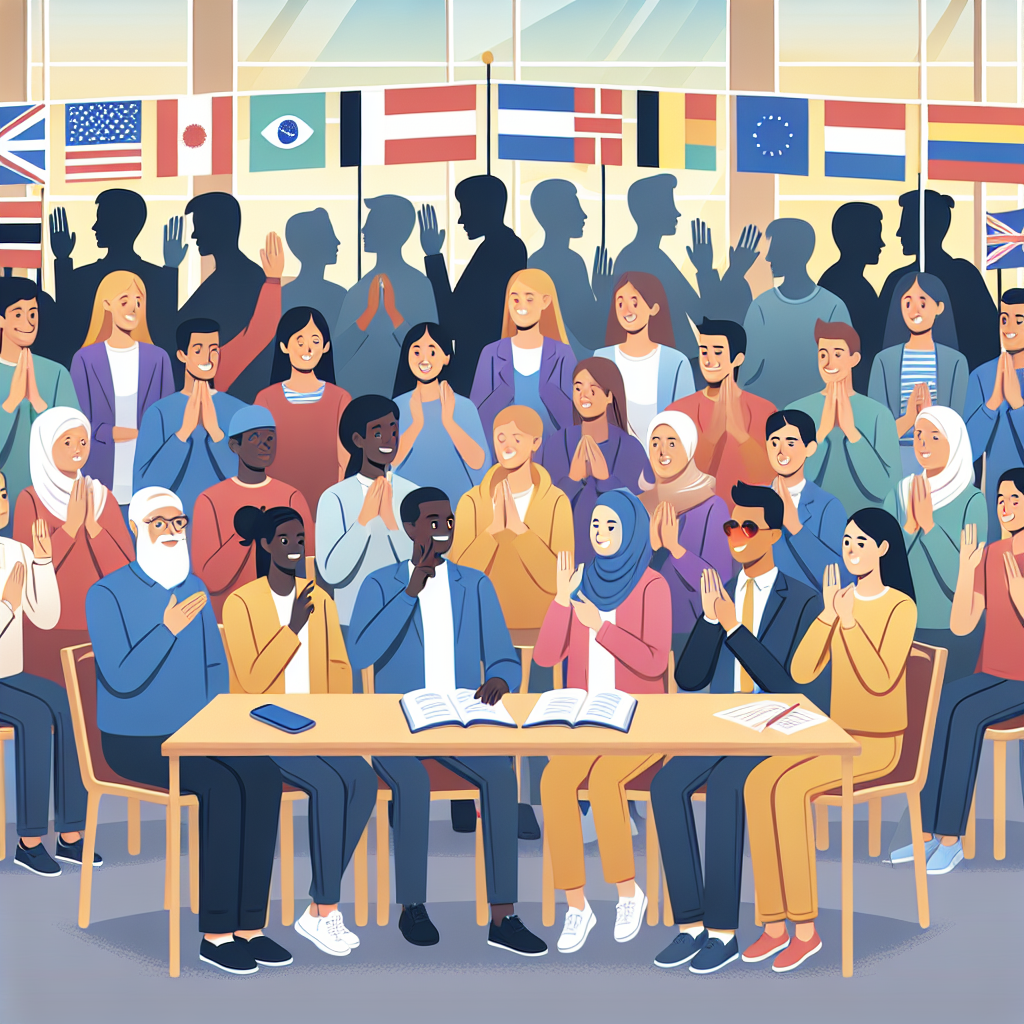
Every year on November 16, we celebrate the International Day of Tolerance. It’s a day dedicated to recognizing the importance of tolerance and understanding between various cultures and social groups. Rooted in the values of respect and inclusion, this day serves as a reminder of the need for ongoing efforts to create a more harmonious world. Among these efforts, promoting Deaf inclusion stands out as a pivotal area deserving attention. Deaf individuals, often left out of mainstream discourse, face unique challenges that require both awareness and action.
The concept of tolerance extends beyond mere acceptance; it encompasses genuine efforts to understand and integrate differences into the fabric of our society. This is particularly significant for Deaf communities globally, as they navigate various barriers in everyday life. Linguistic differences, lack of accessible resources, and societal biases are just a few challenges they regularly encounter. Addressing these issues creates an inclusive environment where Deaf individuals can thrive.
Though the journey towards complete Deaf inclusion is ongoing, days like the International Day of Tolerance serve as critical milestones. They provide an opportunity for reflection, education, and action. By focussing on Deaf inclusion, we promote diversity, celebrate shared values, and foster a society where everyone has the opportunity to participate fully.
The Importance of Deaf Education
Deaf education is a fundamental aspect of promoting inclusion and empowering Deaf individuals. Quality education tailored to the needs of Deaf students provides them with the necessary skills and confidence to succeed in various spheres of life. However, it’s crucial to understand that Deaf education is not merely a matter of translating spoken language into sign language or providing hearing aids.
A significant part of Deaf education involves creating an environment where Deaf culture is respected and valued. This includes recognizing the importance of sign language as a primary mode of communication for many Deaf individuals and integrating it into the educational curriculum. Additionally, providing training for teachers in sign language and Deaf culture can significantly improve the quality of education for Deaf students.
Moreover, accessibility to educational resources is a key consideration. This encompasses everything from textbooks and online materials available in sign language to ensuring classrooms are equipped with the necessary technology to support Deaf students. By prioritizing these aspects, we can help bridge the gap between Deaf and hearing students, allowing for a more inclusive and equitable educational system.
Promoting Deaf Inclusion in Diverse Cultures
Inclusion is a universal concept, but its application can vary significantly across different cultures. Promoting Deaf inclusion requires a culturally sensitive approach, recognizing and respecting the unique traditions and practices of each community.
For instance, in some cultures, Deafness is viewed through a medical lens, focusing on “curing” the condition. In contrast, other cultures celebrate Deafness as part of their identity and heritage. Awareness and education campaigns should be tailored to address these cultural perceptions, promoting a more inclusive mindset.
Furthermore, collaborations with local Deaf communities and organizations can be tremendously beneficial. These entities often have intimate knowledge of the specific challenges faced by Deaf individuals in their regions and can guide the development of effective inclusion strategies. Whether it’s advocating for sign language recognition, promoting accessible public services, or providing support for Deaf entrepreneurs, such initiatives can have a profound impact.
By embracing the diversity within Deaf communities and working collaboratively, we can create a more inclusive global culture that respects and values the contributions of Deaf individuals.
Leveraging Technology for Deaf Inclusion
Technology has the potential to be a game-changer in promoting Deaf inclusion. From communication aids to educational tools, technological advancements can significantly enhance the lives of Deaf individuals.
Video relay services, for example, allow Deaf individuals to communicate with hearing people via sign language interpreters. Such services can be invaluable in professional settings, enabling Deaf employees to participate fully in meetings and discussions. Similarly, captioning and transcription services make multimedia content accessible to Deaf audiences, breaking down barriers to information and entertainment.
In the educational sector, technology can facilitate more inclusive classrooms. Tools like interactive whiteboards, online learning platforms, and educational apps can support Deaf students’ learning needs. Moreover, advancements in artificial intelligence and machine learning hold promise for even more sophisticated tools, such as real-time sign language translation.
However, it’s important to remember that technology alone cannot solve all the challenges faced by Deaf individuals. Equally crucial are the attitudes and policies that support the adoption and effective use of these technologies. By promoting a culture of innovation and inclusion, we can maximize the benefits of technological advancements for Deaf communities.
The Role of Advocacy and Policy
Advocacy and policy play pivotal roles in promoting Deaf inclusion. Legislative frameworks that recognize and protect the rights of Deaf individuals are fundamental to ensuring their full participation in society.
One of the key policy areas is the recognition of sign languages. Official recognition can facilitate the development of education systems, public services, and media content that are accessible to Deaf individuals. Countries that have recognized their national sign languages have seen significant improvements in the quality of life for Deaf citizens.
Moreover, employment policies that promote workplace diversity and inclusion can have a substantial impact. Providing support for Deaf employees through accommodations such as sign language interpreters, assistive technology, and accessible communication channels can enhance their productivity and job satisfaction.
Advocacy efforts are equally important. Organizations advocating for Deaf rights play a crucial role in raising awareness, influencing policy, and providing support and resources to Deaf individuals and their families. By continuing to advocate for inclusive policies and practices, we can create a more equitable society for all.
Celebrating Shared Values and Building a Brighter Future
The International Day of Tolerance provides an opportunity to celebrate the shared values that unite us. Inclusion, respect, and understanding are fundamental principles that transcend cultural and social differences, fostering a more harmonious world.
Celebrating Deaf culture as part of this day is a powerful statement. Deaf culture is rich with traditions, languages, and experiences that contribute to the diversity and vibrancy of our global community. Recognizing and valuing these contributions enhances our collective understanding and appreciation of human diversity.
Events and activities that celebrate Deaf culture can be incredibly impactful. From showcasing Deaf artists and performers to hosting educational workshops and discussions, such events promote awareness and understanding. They also provide Deaf individuals with a platform to share their experiences and talents, fostering a sense of pride and community.
By celebrating our shared values and recognizing the contributions of Deaf individuals, we can build a brighter, more inclusive future. Guided by the principles of tolerance and inclusion, we can create a world where everyone has the opportunity to thrive, regardless of their abilities or differences.
Conclusion
The International Day of Tolerance serves as a poignant reminder of the importance of inclusivity and respect in our increasingly diverse world. Promoting Deaf inclusion is a critical aspect of this broader effort, requiring education, cultural sensitivity, technological innovation, advocacy, and celebration of shared values.
Deaf education is foundational to empowering Deaf individuals, providing them with the skills and confidence to succeed. Through a culturally sensitive approach, we can promote Deaf inclusion in diverse cultures, recognizing and respecting the unique experiences and traditions of Deaf communities.
Technology offers immense potential for enhancing the lives of Deaf individuals, from communication aids to educational tools. However, the success of these advancements depends on supportive attitudes and policies that promote their adoption and effective use.
Advocacy and policy are critical to ensuring the recognition and protection of Deaf rights. Through continued advocacy, we can influence policy and create a more inclusive and equitable society. Furthermore, celebrating Deaf culture as part of the International Day of Tolerance highlights the shared values that unite us, fostering a sense of pride and community.
As we reflect on the significance of the International Day of Tolerance, let us commit to promoting Deaf inclusion in all aspects of life. By embracing diversity and fostering a culture of respect and inclusion, we can build a brighter future where everyone is empowered to participate and contribute to society’s collective well-being.