
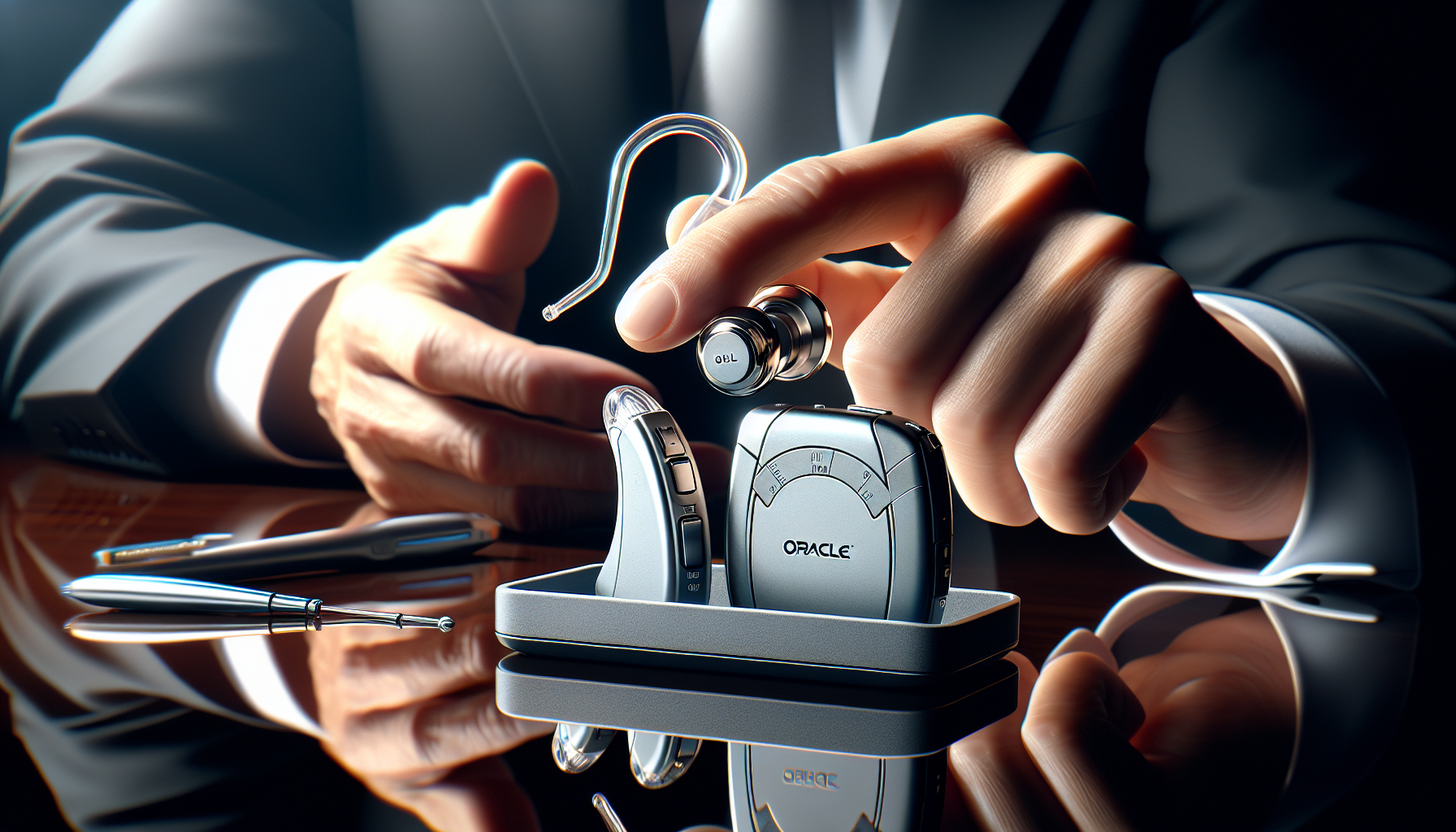
Oracle hearing aids reviews matter because hearing aid buyers are no longer choosing between only a few clinic brands. They are comparing prescription devices, over-the-counter options, app-based fitting systems, rechargeability, Bluetooth streaming, telecare support, and trial policies in one crowded market. In that environment, a brand review is useful only if it explains what the devices actually do, who they fit well, where they fall short, and how they compare with the standards people should expect from modern hearing technology.
When I evaluate hearing aids, I look beyond marketing language and focus on the factors that shape daily use: sound processing, fit, comfort, feedback control, speech-in-noise performance, battery life, setup support, warranty terms, and whether follow-up care is realistic. For readers searching Oracle hearing aids reviews, the goal is not simply to know whether the products are “good.” The goal is to understand whether Oracle hearing aids make sense for your hearing loss, lifestyle, budget, and expectations for support.
Oracle hearing aids generally refer to devices sold under the Oracle name through online channels or hearing-related retailers, often positioned as affordable alternatives to premium clinic-fit brands. Depending on the model, features may include rechargeable batteries, multiple listening programs, directional microphones, noise reduction, feedback suppression, and mobile app controls. Some listings emphasize simplicity and low upfront cost, while others suggest more advanced functionality. That difference is important, because not every Oracle model is aimed at the same user.
This article serves as a general hub for the Oracle category within hearing aids. It covers what Oracle hearing aids are, the features buyers usually care about, how reviews should be interpreted, common advantages and complaints, and how to judge value before you buy. If you are researching hearing aids for the first time, this guide will help you separate headline promises from meaningful performance. If you already wear hearing aids and are comparing alternatives, it will help you assess whether Oracle is a practical step, a budget compromise, or a device worth shortlisting.
What Oracle Hearing Aids Are and Who They Are For
Most Oracle hearing aids are marketed to adults with perceived mild to moderate hearing loss who want more amplification and speech clarity without paying premium clinic prices. In practical terms, that usually means people who hear reasonably well in quiet but struggle in restaurants, group conversations, cars, meetings, or while watching television. These users often want a straightforward hearing solution with less friction than the traditional model of hearing testing, in-office fitting, and repeated adjustment visits.
That positioning matters because it sets realistic expectations. A lower-cost hearing aid can still be useful, but it may not match the customization, verification, or advanced signal processing available from major prescription platforms made by Phonak, Oticon, ReSound, Signia, Starkey, or Widex. Buyers reading Oracle hearing aids reviews should therefore ask a direct question: is Oracle intended to replace a professionally fitted device for a medically confirmed hearing loss, or is it best viewed as a simpler consumer option for basic daily help? The answer depends on the model, the support structure, and the severity of the user’s hearing needs.
In my experience reviewing direct-to-consumer hearing products, the best outcomes happen when the buyer’s needs are uncomplicated. Someone with symmetrical mild hearing loss, good dexterity, comfort using a smartphone, and realistic expectations can often do well with a streamlined device. Someone with significant asymmetry, poor word recognition, severe tinnitus, chronic ear problems, or a long history of wearing highly programmed aids usually needs a more individualized path.
Core Features Buyers Should Check First
Reading Oracle hearing aids reviews without understanding the feature set can be misleading. A reviewer may praise volume and comfort, while another criticizes background noise. Both can be right, because hearing aid performance depends heavily on the underlying technology. The first features to verify are form factor, processing channels, directional microphones, feedback management, rechargeability, connectivity, app support, environmental automation, and the availability of remote adjustments.
Form factor affects both visibility and performance. Behind-the-ear and receiver-in-canal styles usually allow more power, better microphone placement, and easier handling than very small in-ear designs. If an Oracle model is nearly invisible, it may trade some battery size, microphone sophistication, or ease of insertion for cosmetics. That is not necessarily bad, but it should be a conscious tradeoff.
Directional microphones are especially important. They help prioritize speech from in front of the listener while reducing sounds from other directions. In the real world, this feature can make a noticeable difference at a dinner table or during a conversation in a busy store. Noise reduction also matters, but buyers should understand what it can and cannot do. No hearing aid erases all background noise. Good systems reduce the burden of steady noise and make listening less tiring; they do not create silence in a crowded room.
Rechargeable batteries have become a baseline expectation. They are more convenient than disposable cells for many users, especially those with vision or dexterity issues. However, battery life needs careful scrutiny. A hearing aid that lasts all day without streaming may not last all day if you use Bluetooth audio for calls, television, and music. Reviews that mention “strong battery life” are most useful when they describe actual use patterns.
| Feature | Why It Matters | What to Look For in Reviews |
|---|---|---|
| Directional microphones | Improves speech understanding in noise | Examples from restaurants, meetings, and family gatherings |
| Rechargeable battery | Reduces maintenance and battery purchases | Reported runtime with streaming, not just standby claims |
| App controls | Allows volume, program, and sound adjustments | Ease of pairing, stability, and intuitive controls |
| Feedback suppression | Helps prevent whistling and squealing | Performance with glasses, hats, hugs, and phone use |
| Return policy | Lowers buying risk | Length of trial, restocking fees, and refund process |
How Oracle Hearing Aids Reviews Usually Break Down
Most Oracle hearing aids reviews cluster around five themes: affordability, ease of setup, comfort, speech clarity, and customer support. Positive reviews often come from buyers who want immediate amplification at a manageable price and who feel the devices help with television, one-on-one conversation, and general awareness. These users frequently value convenience as much as audio performance. If the hearing aids arrive quickly, charge easily, fit comfortably, and make voices louder and clearer, they consider the purchase successful.
Negative reviews usually center on fit consistency, limited customization, background noise handling, connection issues, and expectations that exceeded the product category. I have seen this pattern across many non-premium devices. A buyer reads a glowing testimonial, expects near-normal hearing in every environment, then feels disappointed when a noisy restaurant remains difficult. That frustration is understandable, but it often reflects a mismatch between user needs and product capability rather than a simple product failure.
Reviews are also shaped by the buyer’s baseline hearing status. Someone moving from no hearing aid at all may experience Oracle devices as a major improvement. Someone switching from a well-fitted premium prescription system may notice the gaps immediately. That is why star ratings alone are unreliable. The context of the reviewer matters more than the headline score.
Another pattern worth noting is that setup support can influence reviews as much as sound quality. If onboarding instructions are clear, app pairing is smooth, and support responds quickly, buyers tend to rate the product more favorably. If they struggle to insert domes, understand controls, or interpret charging indicators, dissatisfaction can rise even if the core sound quality is acceptable.
Strengths Commonly Reported in Oracle Hearing Aids Reviews
The biggest strength most often associated with Oracle hearing aids is value. Buyers who want hearing assistance without a premium price tag often see Oracle as a practical entry point. That can be especially appealing for people who delayed treatment because of cost. Hearing loss is associated with communication strain, social withdrawal, listening fatigue, and reduced participation. A lower-cost option that gets someone back into conversations has real value, even if it is not the most advanced solution on the market.
Ease of use is another recurring advantage. Many users prefer simple controls, uncomplicated charging, and a short learning curve. If Oracle models are set up with intuitive buttons or a manageable app interface, that lowers the barrier for first-time users. In hearing care, usability is not a secondary issue. A technically impressive hearing aid that is hard to operate often ends up in a drawer.
Comfort can also be a meaningful positive. Lightweight devices, soft domes, and stable behind-the-ear designs improve wear time, and wear time strongly affects benefit. A hearing aid only helps when it is worn consistently. Some budget devices succeed not because they outperform premium products on every acoustic measure, but because users find them comfortable enough to wear all day.
For people with mild hearing loss, speech lift in quiet settings may be the most noticeable win. Everyday voices can sound more present, television may require less volume, and family conversations may involve less repetition. That level of improvement is often enough to generate favorable Oracle hearing aids reviews, particularly among users who prioritized affordability and accessibility from the start.
Limitations and Complaints to Consider Before Buying
Oracle hearing aids, like many value-focused devices, may have limitations in complex listening environments. The hardest situation for any hearing aid is competing speech in noise, and lower-tier processing often shows its limits there first. If your main complaint is missing words in restaurants, open offices, religious services, or large family events, you should read reviews with extra caution and compare Oracle against better-established alternatives.
Fine-tuning is another possible weakness. Professionally fitted hearing aids are typically programmed to an audiogram and can be verified with real-ear measurement, the clinical gold standard endorsed by audiology best practice. Consumer devices generally do not include that level of precision. Some offer self-fitting or preset profiles, which can work reasonably well for straightforward losses, but they are not equivalent to individualized verification.
Durability and after-sales support also deserve close attention. A hearing aid is not a one-time gadget purchase; it is an ongoing wearable medical-adjacent device exposed to moisture, earwax, drops, and daily handling. If replacement parts, domes, wax guards, chargers, or service channels are hard to access, the long-term ownership experience may suffer. Reviews mentioning support delays, confusing warranty procedures, or poor communication should not be brushed aside.
Finally, buyers need to watch for overpromising. Terms such as “advanced,” “premium,” or “crystal clear” are not standardized. Meaningful review analysis relies on specifics: Did the device reduce listening effort? Was speech easier to understand in noise? Did Bluetooth stay connected? Did the battery last through the day? Specifics are more valuable than adjectives.
How to Decide Whether Oracle Is Right for You
The best way to judge Oracle hearing aids is to match the product to your hearing profile and daily routine. Start with your hearing difficulty, not the advertisement. If you mainly need help with television, quiet conversations, and occasional community outings, an affordable Oracle model may be enough. If you regularly work in noisy spaces, attend frequent social events, or rely on phone and media streaming all day, you will need stronger performance and support.
It is also wise to confirm whether you need a medical hearing evaluation. Sudden hearing loss, hearing in one ear only, ear pain, drainage, dizziness, significant asymmetry, or persistent unilateral tinnitus should be evaluated by a medical professional. Those are not situations for a casual online purchase. Even when symptoms are less urgent, an audiogram provides a much better foundation for choosing any hearing aid.
Pay close attention to trial periods and return terms. A good trial gives you time to test the devices in the environments that matter most: breakfast conversation, the car, television, the grocery store, a restaurant, and outdoor walking. Keep notes during the first two weeks. In my work with hearing device comparisons, structured note-taking often reveals whether a product is genuinely helping or simply sounding louder.
For buyers using this hub as a starting point, the next step is comparison. Look at Oracle model-specific reviews, fit-style guides, Bluetooth performance breakdowns, and articles on hearing aid return policies and maintenance. The right hearing aid is the one you will wear consistently, hear clearly with, and get reliable support for over time.
Oracle hearing aids reviews are most useful when they are read with context, not as isolated ratings. The brand may appeal to budget-conscious buyers who want simple hearing support, easy setup, rechargeable convenience, and better day-to-day communication without the cost of premium clinic devices. For the right user, that can be a sensible and worthwhile purchase.
At the same time, Oracle hearing aids are not automatically the best choice for every type of hearing loss or every listening environment. The main questions are straightforward: How complex is your hearing loss? How often are you in noisy settings? How much customization do you need? How important are app controls, streaming, remote support, and a strong return policy? Clear answers to those questions will tell you more than any single testimonial.
The biggest benefit of taking a review-based approach is that it helps you buy realistically. Instead of chasing broad claims, you can focus on sound quality, comfort, battery performance, support, and long-term value. That leads to better decisions and fewer returns.
If you are considering Oracle, use this page as your starting hub, then compare specific models, verify the trial and warranty terms, and, if possible, get your hearing tested before you buy. A careful comparison now will give you a much better chance of finding hearing aids that truly improve daily life.
Frequently Asked Questions
What should you look for in Oracle hearing aids reviews before deciding to buy?
The most useful Oracle hearing aids reviews go far beyond general statements like “good sound” or “easy to use.” Buyers should look for reviews that explain how the devices perform in real listening environments, including one-on-one conversations, restaurants, group settings, TV watching, phone calls, and outdoor spaces with wind or traffic noise. A strong review should also address whether Oracle models are intended for mild, moderate, or more significant hearing loss, because a hearing aid can receive positive feedback overall and still be a poor match for a specific hearing profile.
It is also important to focus on feature-specific details. Reviews should mention rechargeability, battery life, Bluetooth connectivity, streaming compatibility with iPhone or Android, app controls, remote adjustments, and whether the fitting process is done in person, self-fit, or through telecare. These practical details often shape daily satisfaction more than brand reputation alone. Comfort, retention in the ear, and ease of inserting or cleaning the device also matter, especially for older adults or first-time users.
Finally, good reviews put Oracle in context. That means comparing the brand with current market standards rather than treating it in isolation. Buyers should understand how Oracle stacks up on return policies, warranties, follow-up support, price transparency, and software quality. In today’s crowded hearing aid market, the most trustworthy review is one that clearly explains what Oracle devices do well, where they may fall short, and what type of user is most likely to be happy with them.
Are Oracle hearing aids a good choice for first-time hearing aid users?
Oracle hearing aids may be a good option for first-time users if the devices are easy to fit, simple to control, and supported by clear follow-up care. For new wearers, the biggest challenge is usually not just sound amplification, but adaptation. Hearing aids can initially make everyday sounds seem unusually sharp, loud, or distracting, so it helps when a brand offers gradual adjustment settings, an intuitive app, and accessible customer support. Reviews that mention a manageable learning curve are especially valuable for beginners.
First-time buyers should also pay close attention to whether Oracle devices emphasize convenience features such as rechargeable batteries, automatic environmental adjustments, and streamlined app controls. These features reduce the amount of manual handling and troubleshooting, which can make the transition smoother. If Oracle offers telecare or remote fine-tuning, that can also be a major advantage for users who are still learning what settings work best in different environments.
That said, being a “good first hearing aid” depends on the individual. Someone with mild to moderate hearing loss who wants modern features and straightforward daily use may find Oracle appealing. On the other hand, if a user has more complex hearing needs, poor speech clarity, dexterity issues, or a history of unsuccessful hearing aid use, a more personalized prescription model fitted through a hearing care professional may be the better path. The key is not whether Oracle is marketed as beginner-friendly, but whether the review evidence shows reliable support, realistic performance, and a fitting process that matches the user’s needs.
How do Oracle hearing aids compare with prescription hearing aids and over-the-counter alternatives?
Oracle hearing aids should be evaluated based on how they compare in three major areas: sound personalization, professional support, and overall value. Prescription hearing aids typically offer the highest level of customization because they are programmed by hearing care professionals using hearing test data and clinical software. That can make a major difference for people with asymmetrical hearing loss, more severe loss, or complicated speech-understanding issues. If Oracle relies more heavily on app-based setup or consumer-directed fitting, it may be more comparable to advanced over-the-counter options than to traditional clinic-fitted devices.
Compared with over-the-counter hearing aids, Oracle may stand out if it offers stronger app tools, better telecare access, more refined noise management, or better product design. However, some OTC competitors now offer impressive self-fitting systems, Bluetooth streaming, rechargeable designs, and attractive prices. That means Oracle reviews need to explain not just whether the product works, but whether it delivers enough real-world performance and support to justify its position in the market. Features alone are not enough if speech clarity, comfort, or reliability are inconsistent.
For many buyers, the best comparison is practical rather than technical. A prescription device may cost more but include professional fitting and long-term adjustments. An OTC model may cost less but require more self-management. Oracle’s value depends on where it sits between those two models. If it combines accessible pricing with solid performance, strong support, and good usability, it can be competitive. If reviews point to weak aftercare, limited fine-tuning, or average sound quality, then buyers may find better value elsewhere. The right comparison is always based on hearing needs, budget, and the level of support a person expects after purchase.
What features matter most when reading Oracle hearing aids reviews?
The most important features are the ones that affect daily hearing, comfort, and long-term satisfaction. Sound quality should come first. Reviews should explain whether Oracle hearing aids improve speech understanding, especially in noise, and whether they handle sudden loud sounds, background chatter, and directional listening effectively. It is one thing for a hearing aid to make sounds louder; it is another for it to make conversations clearer. That distinction is critical.
Beyond sound processing, buyers should pay close attention to connectivity and convenience. Bluetooth streaming is now a major expectation for many users, especially those who take calls, watch video content, or listen to music from smartphones and tablets. Reviews should clarify whether Oracle devices support direct streaming, how stable the connection is, and whether app controls are responsive and easy to use. Rechargeability also matters, particularly for users who want to avoid tiny disposable batteries. A useful review should mention real-world battery performance, charging speed, and whether the charger is easy to travel with.
Support features are just as important as hardware features. A hearing aid with excellent specs can still disappoint if the app is unreliable, the fitting process is confusing, or customer service is hard to reach. Reviews should discuss telecare options, return windows, warranty coverage, maintenance needs, and whether updates or adjustments are easy to obtain. The best Oracle hearing aids reviews treat the product as a complete ownership experience, not just a list of features. That is what helps buyers understand whether the device will actually work well over time.
Are Oracle hearing aids worth the money?
Oracle hearing aids are worth the money only if their performance, support, and feature set align with the buyer’s hearing needs and expectations. Value in hearing aids is not just about the sticker price. A lower-cost device can be a poor value if it does not provide enough clarity, requires frequent troubleshooting, or lacks meaningful after-purchase support. On the other hand, a moderately priced hearing aid can be an excellent value if it delivers consistent speech understanding, comfortable wear, reliable connectivity, and responsive customer care.
When assessing value, buyers should look at the full package: the quality of the listening experience, the sophistication of the app, the reliability of Bluetooth or streaming functions, battery system, trial period, warranty, and availability of adjustments. If Oracle includes useful telecare, transparent pricing, and a generous return policy, that improves its value significantly because it reduces the risk of making the wrong choice. Reviews that mention long-term satisfaction are particularly helpful, since hearing aids are not impulse purchases and often require adjustment over time.
The bottom line is that Oracle may be worth the money for the right user, but no hearing aid brand is automatically a good buy simply because it is popular or well reviewed. Buyers should compare Oracle not only with similarly priced products, but with the standards they personally need: clear speech, easy daily use, dependable support, and a realistic ownership experience. If reviews consistently show that Oracle performs well in those areas, then the cost may be justified. If reviews reveal compromises in fit, service, or real-world clarity, shoppers should keep comparing before committing.