
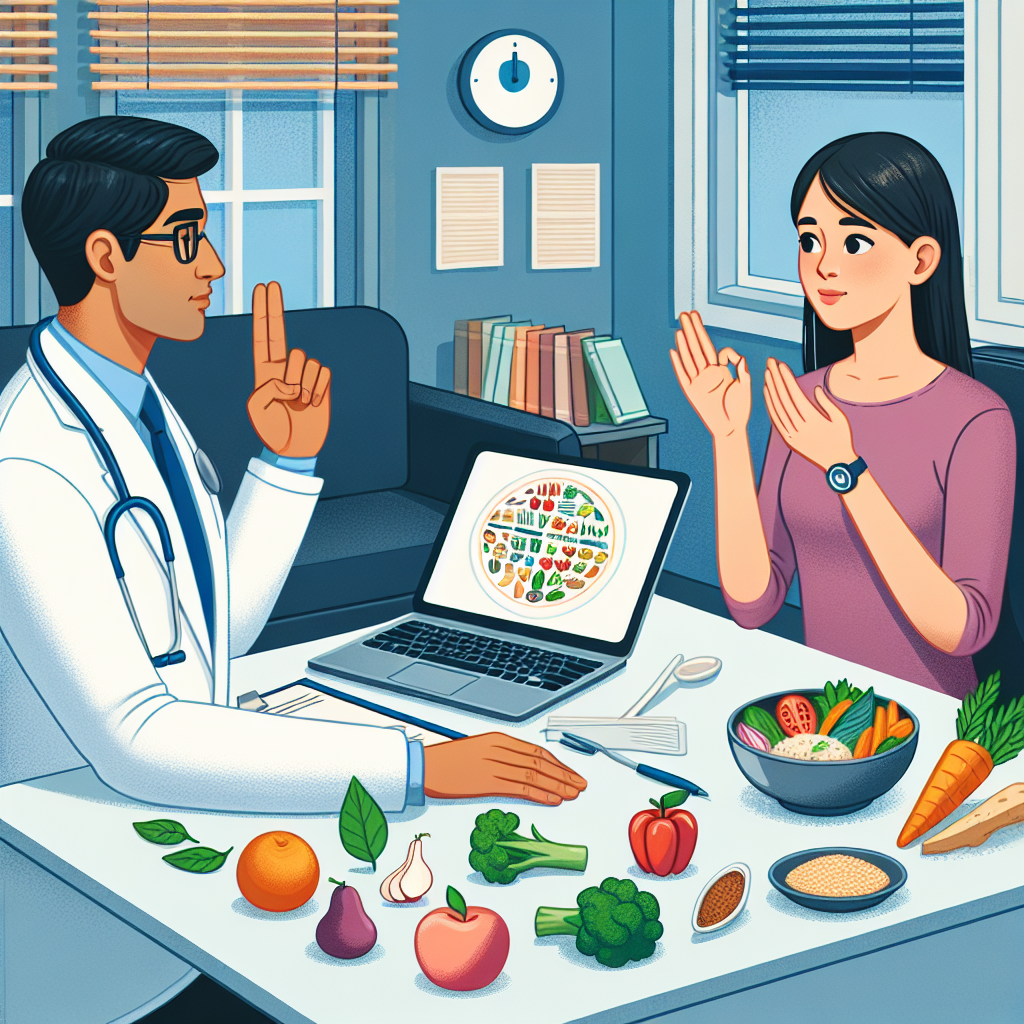
Nutrition and healthy eating are essential aspects of wellbeing for everyone, including deaf individuals. Maintaining a balanced diet contributes significantly to overall health, decreasing the risk of chronic diseases and fostering a healthier lifestyle. Despite the universality of these principles, deaf individuals often face unique challenges when it comes to nutrition and healthcare. Communication barriers with medical professionals and the intricacies of dietary requirements can make managing nutrition more complex for deaf individuals. This article provides a comprehensive guide on how to overcome these challenges, offering valuable insights into effective communication with healthcare providers and making healthy food choices for deaf individuals.
Impact of Communication Barriers in Healthcare
Effective communication with healthcare professionals is crucial for anyone seeking medical advice, especially concerning nutrition and diet. For deaf individuals, communication barriers can lead to misunderstandings, misdiagnoses, and inadequate treatment plans. Healthcare settings often lack the necessary accommodations, such as sign language interpreters or written communication tools, which can hinder the quality and accuracy of interactions between deaf patients and medical professionals. This not only affects the individual’s immediate health concerns but can also result in long-term implications for their dietary habits and overall health.
It is essential for healthcare providers to be aware of these challenges and to take proactive steps in ensuring clear and accessible communication. Implementing strategies like using visual aids, providing written instructions, and utilizing technology such as video interpreting services can significantly improve the quality of healthcare for deaf patients. Moreover, training healthcare professionals to be sensitive and responsive to the needs of deaf individuals can create a more inclusive and supportive healthcare environment.
Healthy Eating: Understanding Nutritional Needs
Healthy eating involves understanding and meeting one’s nutritional needs through a balanced diet. For deaf individuals, acquiring accurate information about nutrition can be challenging due to potential communication barriers. Simple misunderstandings can result in nutritional deficiencies or health issues. Therefore, it’s crucial for deaf individuals to have access to reliable and comprehensible nutritional information.
A balanced diet should include a variety of foods from all food groups, including fruits, vegetables, whole grains, lean proteins, and healthy fats. Deaf individuals should also be aware of specific dietary needs based on their health conditions. For instance, those with specific allergies or chronic diseases like diabetes may need tailored dietary plans. Collaborating with nutritionists who are trained to communicate effectively with deaf patients or using resources designed for deaf individuals, such as visual dietary guides and apps, can help in understanding and implementing healthy eating habits.
Promoting Awareness: Healthy Food Choices
Promoting healthy food choices is vital for the wellbeing of deaf individuals. Awareness campaigns and educational programs specifically designed for the deaf community can play a significant role in fostering healthy eating habits. Visual aids, videos with sign language interpretation, and interactive workshops can be effective methods of delivering this information.
For instance, creating accessible content that explains the benefits of various food groups, the importance of portion control, and the impact of processed foods can empower deaf individuals to make healthier choices. Social media platforms and community events can also serve as valuable tools for spreading awareness. By making nutritional information accessible and engaging, we can ensure that deaf individuals are equipped with the knowledge they need to maintain a healthy diet.
Role of Technology in Enhancing Nutritional Knowledge
Technology has the potential to bridge the communication gap and enhance nutritional knowledge among deaf individuals. With advancements in digital tools and online resources, there are now numerous ways to access and understand nutritional information effectively. Mobile apps, websites, and online platforms dedicated to nutrition often feature visual aids, videos, and interactive content that can be more easily understood by deaf individuals.
Moreover, social media platforms offer a space for deaf individuals to connect with others, share experiences, and receive support. Online communities and forums can provide peer support and encourage the exchange of valuable information related to nutrition and healthy eating. By leveraging technology, we can create an inclusive environment where deaf individuals have the resources and knowledge to make informed dietary decisions.
Overcoming Challenges: Building a Support System
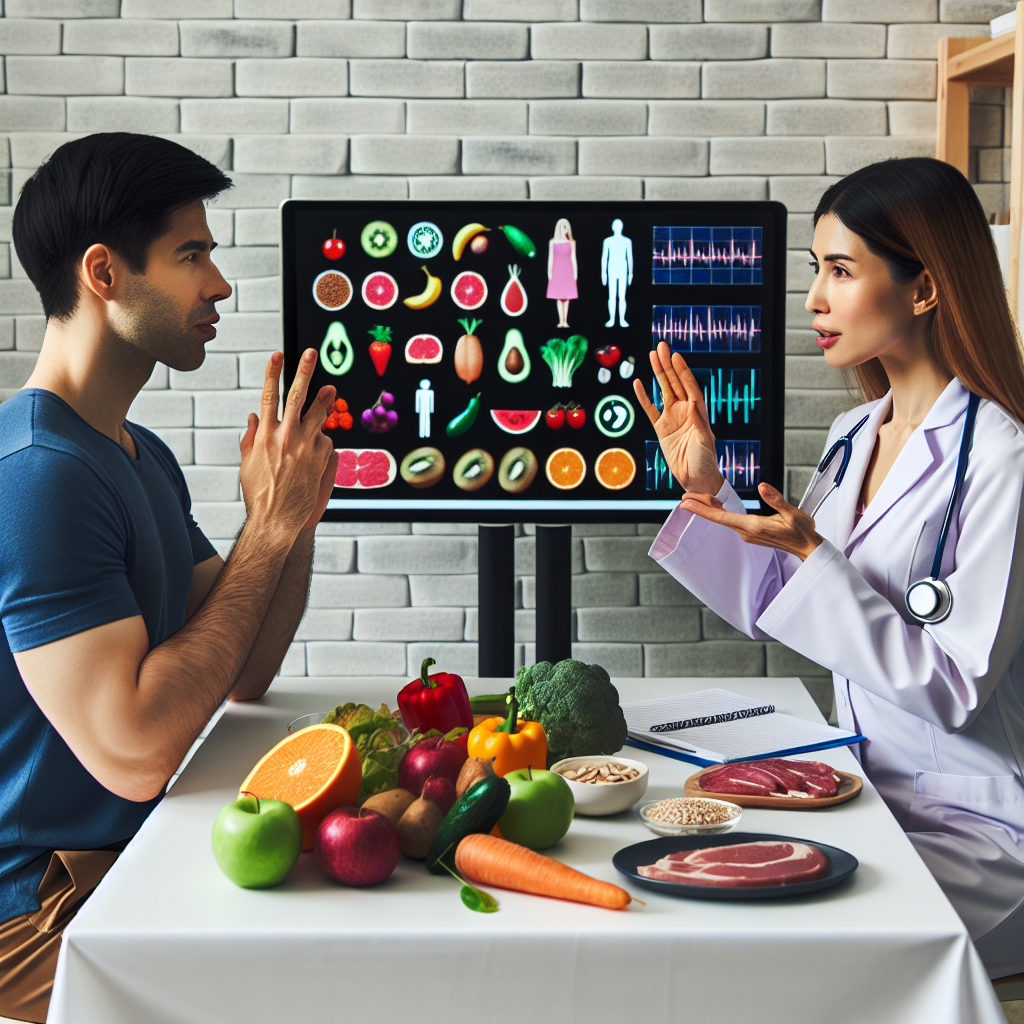
While accessing accurate nutritional information and communicating with healthcare professionals can be challenging, building a strong support system can significantly alleviate these issues. Family members, friends, and caregivers can play a crucial role in supporting deaf individuals in their journey towards healthier eating habits.
Support groups and community organizations can also provide valuable resources and assistance. Joining groups that focus on health and nutrition within the deaf community can offer a sense of belonging and mutual understanding. These groups can facilitate the sharing of tips, recipes, and strategies for maintaining a balanced diet. Additionally, professional support from nutritionists and dietitians who are skilled in working with deaf individuals can offer personalized guidance and ensure that nutritional needs are met effectively.
Conclusion
In conclusion, promoting nutrition and healthy eating habits among deaf individuals requires addressing communication barriers in healthcare, understanding nutritional needs, enhancing awareness, leveraging technology, and building a supportive community. By taking a holistic approach that considers the unique challenges faced by deaf individuals, we can foster an inclusive environment where everyone has the opportunity to achieve optimal health and wellbeing.
Healthcare systems must prioritize accessibility and effective communication to ensure that deaf individuals receive the same high-quality care as their hearing counterparts. Providing education and resources tailored to the deaf community can empower individuals to make informed dietary choices and lead healthier lives. As we continue to advance in technology and understanding, the collaboration between healthcare professionals, deaf individuals, and their support networks will play a pivotal role in overcoming barriers and promoting health equity.