
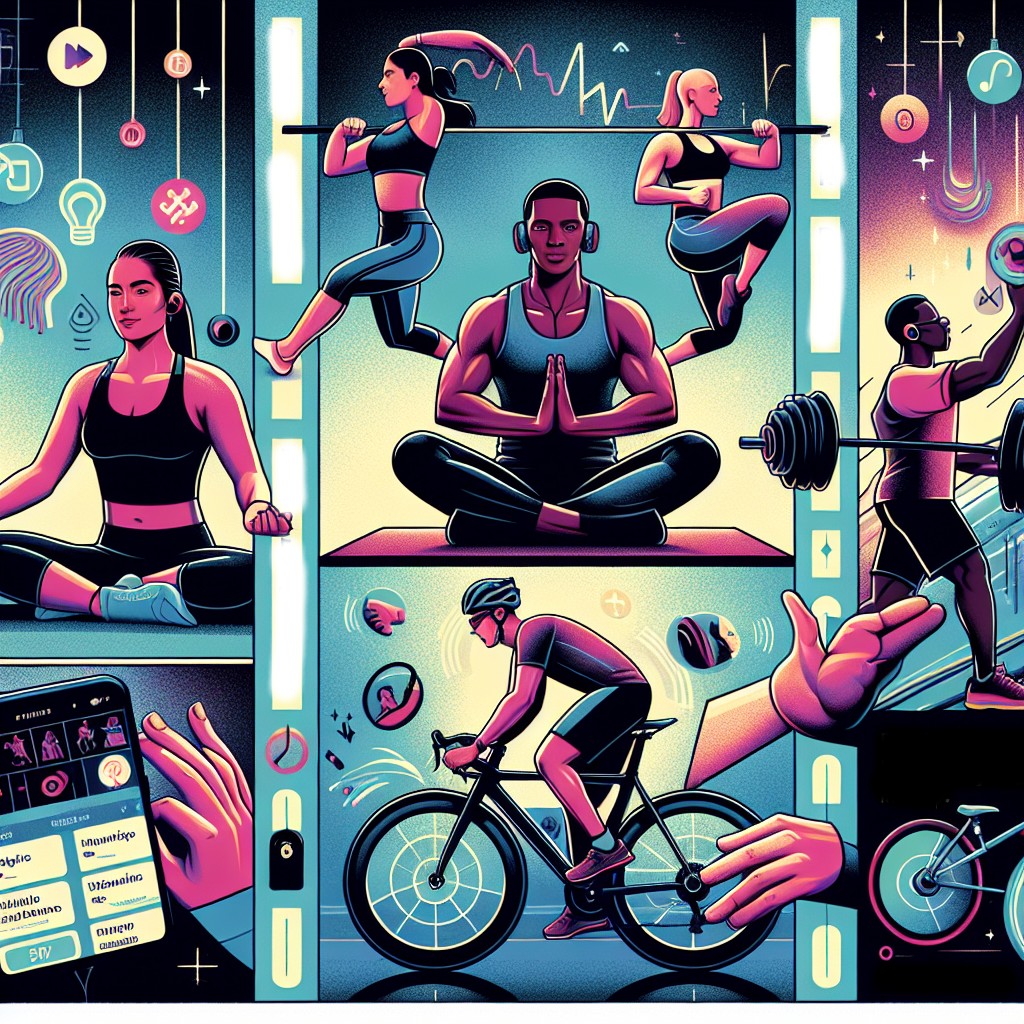
Fitness and wellbeing are crucial aspects of life that have been gaining immense popularity. For many, the gym or any fitness regimen is a pathway to not just physical strength, but also mental resilience. However, an often overlooked group within the fitness community is the Deaf and Hard of Hearing. This article aims to highlight the role of fitness in the lives of deaf athletes, their workout routines, and accessible fitness tips tailored for them. It’s time to bring awareness to Deaf health and wellbeing.
Introduction
Physical well-being is universally important. However, there are unique challenges faced by the Deaf and Hard of Hearing community when it comes to fitness and health. Standard workout routines and fitness programs often rely heavily on audio cues and verbal instructions, creating a significant barrier for non-hearing individuals. Yet, many Deaf athletes have risen above these barriers, demonstrating remarkable resilience and discipline.
Let’s embark on a journey to explore the life of deaf fitness heroes, their workout routines, and the inclusive fitness tips that can be implemented to make fitness culture accessible to all. Deaf athletes like Marcus Titus, an American competitive swimmer, and Giulia Deaf Fitness, an Italian health influencer, have paved the way with substantial contributions to the Deaf fitness community, serving as pillars of inspiration. Their stories not only inspire but also pave the way forward towards inclusive fitness practices.
Highlighted Deaf Athletes and Their Fitness Routines
The world of sports and fitness isn’t devoid of Deaf athletes making significant strides. Marcus Titus, for example, has wowed the world with his achievements in swimming. Being deaf since birth, he never let his condition hinder his ambition. His training regimes consist of a mix of strength training, rigorous swimming schedules, and endurance workouts.
Similarly, Giulia Deaf Fitness has been an inspiration on social media, promoting strength training and cardiovascular workouts. She regularly shares her fitness journey along with accessible workout tips for her Deaf followers. Giulia’s routines are accessible, emphasizing the power of visual cues over audio instructions.
These routines generally include a warm-up session, strength training, cardio exercises, and a cool down. Visual aids, such as video demonstrations and detailed descriptions, are instrumental in these workouts. Additionally, sign language can also be incorporated into fitness instructions to enhance understanding. These athletes’ commitments to fitness demonstrate how Deaf individuals can lead equally fulfilling and active lives.
Challenges in Deaf Fitness Routines
Despite the awe-inspiring stories of these athletes, it is crucial to acknowledge the challenges faced by the Deaf and Hard of Hearing community in fitness. For one, audio-based instructions and announcements in gyms are inaccessible. This limitation not only affects understanding of routines but also creates a barrier in participating in group activities.
Moreover, real-time adjustments and feedback from trainers, usually given verbally, often miss the bench for many Deaf athletes. Communication with trainers can also be a primary hindrance. Most fitness trainers lack the skills in sign language, which is pivotal for effective communication with deaf clients.
Another crucial concern is the feeling of isolation. In a social setting like a gym, where communication is key, Deaf individuals can often feel left out or ignored due to their inability to engage in conversations happening around them. This isolation can deter many from joining these spaces.
Fitness Tips for Deaf Individuals
While the challenges are significant, there are many practical solutions and tips that can make fitness accessible to the Deaf community. Firstly, embracing technology can be a game-changer. Fitness apps with visual cues and captions, instructional videos in sign language, and online fitness communities offer substantial support.
It’s essential to focus on visual instructions rather than verbal cues. Creating a workout plan that is straightforward, with clear and distinct visual demonstrations, can enhance the effectiveness of any fitness routine. Accessories like wristbands with vibrating alerts can help in timing exercises and rests precisely.
Engaging a fitness trainer proficient in sign language can be an invaluable resource. These trainers can offer both moral support and precise instructions, ensuring an effective workout. Moreover, it’s beneficial to work out in environments already aware and accommodating of Deaf needs.
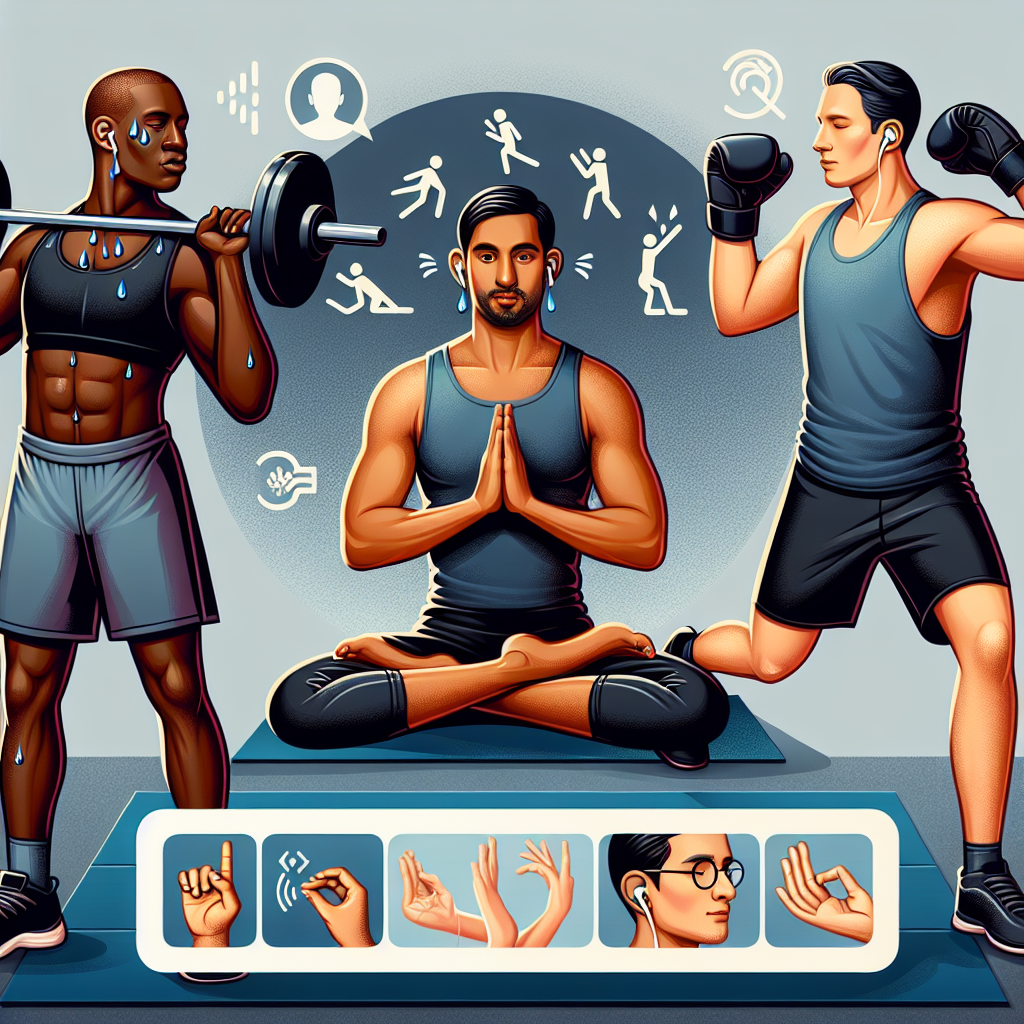
Creating an Inclusive Fitness Environment
To create a truly inclusive fitness environment, gyms and fitness centers must take proactive steps. One important measure is the education and training of fitness staff in sign language. This can bridge the communication gap and foster an inclusive environment.
Additionally, fitness centers should incorporate visual guides and subtitles in their instructional videos. They can also install vibrating machines for alerts and signals. Ensuring that fitness equipment comes with visual or tactile instructions is another significant step.
Creating Deaf-friendly fitness classes can also be incredibly empowering. These classes can be led by or include interpreters who can translate standard instructions into sign language. Furthermore, fitness centers can offer workshops and regularly update their policies to enhance accessibility.
Deaf Athlete Advocacy and Communities
The role of advocacy cannot be overstated in the journey towards inclusive fitness. Deaf athletes play a crucial role by raising awareness and advocating for change. Online platforms and social media are powerful tools for advocacy, where Deaf athletes can share their journeys, challenges, and victories.
Joining Deaf fitness communities can also offer unparalleled support. These communities provide a sense of belonging and understanding that might be lacking in general fitness environments. They offer spaces where Deaf individuals can share tips, workout plans, and experiences, fostering mutual encouragement and inspiration.
Advocacy also involves pushing for policy changes at institutional levels, lobbying for more inclusive and accessible fitness programs, and championing facilities and organizations that cater specifically to the Deaf community. The collective voice of the Deaf community can drive significant transformations in the fitness industry.
Conclusion
The journey towards inclusive fitness is ongoing, with tremendous contributions from both individual Deaf athletes and broader advocacy efforts. Highlighting the workout routines of inspiring Deaf athletes like Marcus Titus and Giulia Deaf Fitness serves not just as motivation, but as a testament to the limitless potential within the Deaf community.
With a combination of accessible fitness tips and advocacy for inclusive environments, we can ensure that Deaf individuals have equal opportunities to lead healthy, active lives. Incorporating visual cues, improving trainer education, embracing technology, and fostering supportive communities can collectively bring about positive change.
Fitness is for everyone, and through continuous effort and awareness, we can make sure that including fitness enthusiasts from the Deaf and Hard of Hearing community is not just a dream but a reality.