
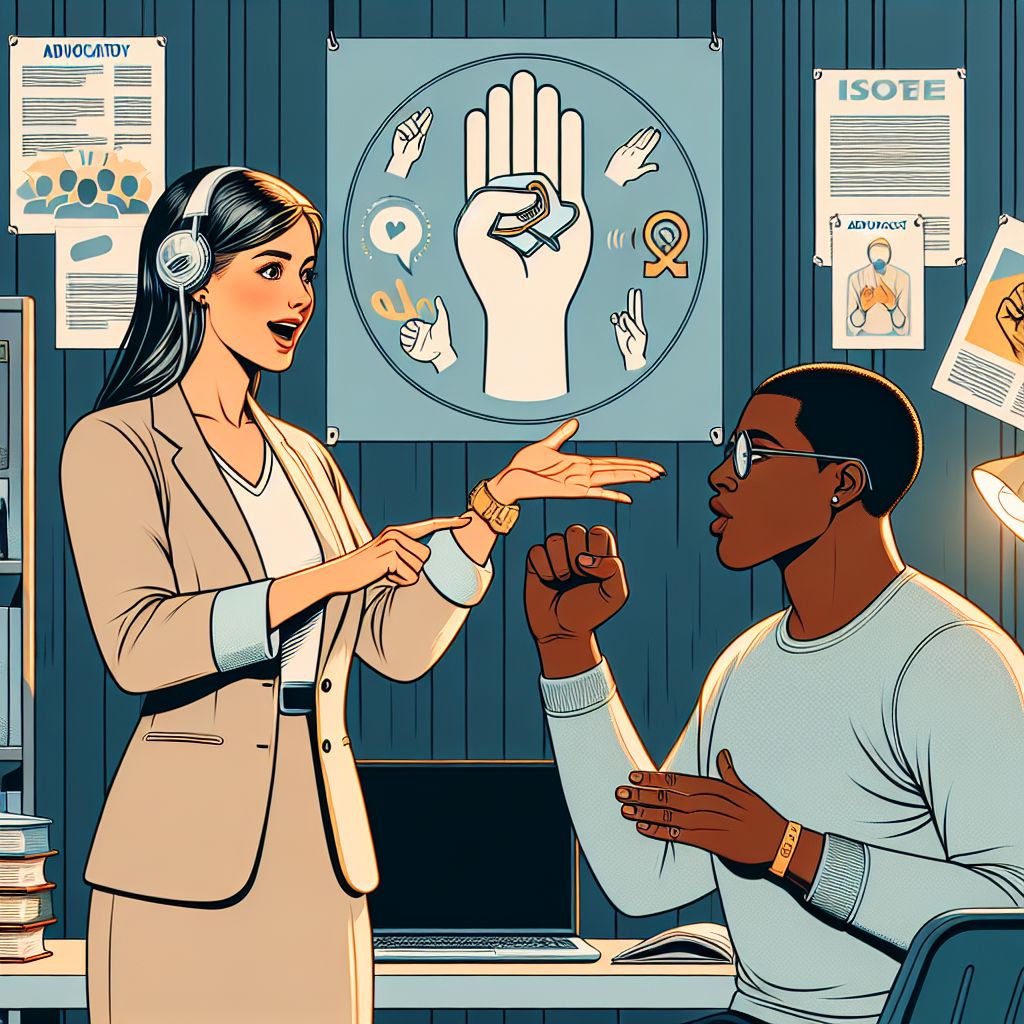
Welcome to our comprehensive guide to deaf education and awareness on deaf resources. This article aims to shed light on the various resources available for deaf individuals and their families, and to provide authoritative guidance on how to navigate and advocate within the system effectively.
Understanding Deafness and its Implications
Deafness is more than just a lack of hearing; it is a part of an individual’s identity and culture. Understanding the nuances of deafness is critical for providing effective support and resources. Deafness can range from mild to profound, and individuals may identify as deaf, hard of hearing, or deafened. Each individual’s experience with deafness is unique, and their needs and preferences for communication and support can vary widely.
The implications of deafness extend to education, social interactions, and access to services. For deaf individuals, communication barriers can pose significant challenges in day-to-day life. However, numerous resources and advocacy opportunities are available to help overcome these barriers, ensuring that deaf individuals can lead fulfilling and independent lives.
Awareness and education about deafness are essential for creating inclusive environments. This article will delve into various resources available for deaf individuals and their families, including educational programs, technological aids, and community support, as well as provide practical tips on advocacy. This guide is designed to be both informative and practical, offering actionable advice to empower deaf individuals and their families.
Educational Resources for Deaf Individuals
Access to quality education is a fundamental right for every individual, including those who are deaf. Fortunately, there are numerous resources and programs designed specifically to support the educational needs of deaf students.
Specialized schools for the deaf offer tailored educational programs that utilize sign language as the primary mode of instruction. These institutions provide a conducive learning environment where deaf students can thrive both academically and socially. Mainstream schools with deaf education programs integrate deaf students into regular classrooms, providing necessary accommodations such as sign language interpreters, captioning services, and assistive listening devices.
Post-secondary education opportunities for deaf individuals have also expanded in recent years. Colleges and universities have established support services, such as disability resource centers, to ensure that deaf students receive the necessary accommodations and resources. Online education platforms have also adapted to be more inclusive, offering captioned videos and accessible materials.
It’s crucial for parents and guardians to be proactive in seeking out and advocating for the best educational resources for their deaf children. Participating in Individualized Education Program (IEP) meetings, understanding their rights under the Individuals with Disabilities Education Act (IDEA), and collaborating with educators are key steps in ensuring that deaf students receive the education they deserve.
Technological Aids and Assistive Devices
Technology has revolutionized the way deaf individuals communicate and access information. A variety of assistive devices and technological aids are available to support communication, enhance safety, and improve the quality of life for deaf individuals.
Hearing aids and cochlear implants are common devices used by individuals who have some degree of hearing. These devices amplify sound and can significantly improve hearing ability for many users. It’s important for individuals to work with audiologists to determine the best type of hearing aid or implant for their specific needs.
For those who rely on visual communication, video relay services (VRS) and video remote interpreting (VRI) provide real-time video communication with sign language interpreters. These services are invaluable in bridging communication gaps, especially in emergency situations or medical appointments.
Captioned telephones and television programs ensure that deaf individuals can stay connected and informed. Many smartphones and computer applications also offer speech-to-text and text-to-speech capabilities, further enhancing accessibility. Additionally, alerting devices such as vibrating alarm clocks, visual doorbell signals, and emergency notification systems provide crucial safety features for deaf individuals.
As technology continues to advance, it is likely that we will see even more innovative solutions designed to support deaf individuals. Keeping up-to-date with the latest technological developments and accessing available funding or grant programs can help individuals and families obtain the necessary devices to improve their daily lives.
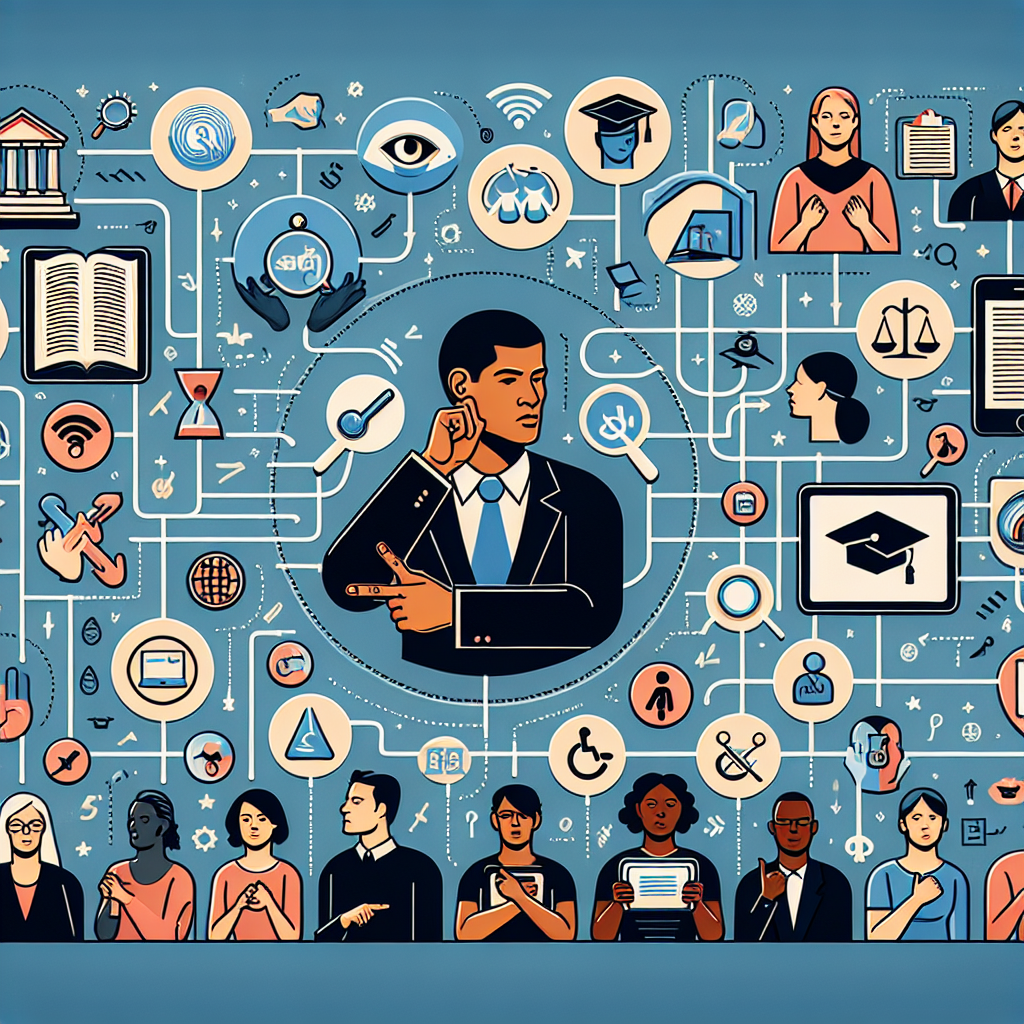
Community and Support Networks
The deaf community is a rich and diverse network of individuals who share common experiences and challenges. Connecting with this community can provide emotional support, practical advice, and a sense of belonging for deaf individuals and their families.
Local and national organizations, such as the National Association of the Deaf (NAD) and the Hearing Loss Association of America (HLAA), offer valuable resources, including advocacy, education, and social opportunities. These organizations often host events, workshops, and conferences that provide networking opportunities and access to the latest information and resources related to deafness.
Support groups, both in-person and online, offer spaces where individuals can share their experiences, seek advice, and provide mutual support. These groups can be particularly beneficial for parents and caregivers of deaf children, as they navigate the unique challenges of raising a child with hearing loss.
Engaging with the broader deaf community also helps to preserve and promote deaf culture and sign language. Cultural events, such as Deaf Awareness Month and Deaf History Month, highlight the rich heritage and contributions of deaf individuals. Participation in these events fosters a sense of pride and solidarity within the community.
Building a strong support network is essential for navigating the complexities of deafness. Whether through formal organizations, support groups, or cultural events, connecting with others who understand and share similar experiences can provide invaluable support and empowerment.
Advocacy and Legal Rights
Advocacy is crucial for ensuring that deaf individuals receive equal access to education, employment, healthcare, and other essential services. Understanding and asserting one’s legal rights is a critical component of effective advocacy.
The Americans with Disabilities Act (ADA) is a landmark civil rights law that prohibits discrimination against individuals with disabilities, including deafness. Under the ADA, deaf individuals have the right to reasonable accommodations, such as sign language interpreters, captioning, and assistive listening devices, in public and private settings.
Section 504 of the Rehabilitation Act and the Individuals with Disabilities Education Act (IDEA) are other key pieces of legislation that protect the rights of deaf students in educational settings. These laws ensure that deaf students are provided with appropriate accommodations and support services to access a free and appropriate public education.
Effective advocacy often involves collaborating with educators, employers, healthcare providers, and other service providers to ensure that accommodations are in place and that deaf individuals receive equitable access to services. It may also involve participating in advocacy organizations, attending public meetings, and engaging with policymakers to promote systemic change.
An important aspect of advocacy is self-advocacy, where deaf individuals learn to assert their rights and communicate their needs effectively. Developing self-advocacy skills can empower individuals to navigate various systems confidently and advocate for themselves in diverse situations.
Conclusion: Moving Forward with Awareness and Empowerment
Awareness and advocacy are fundamental components of supporting deaf individuals and their families. By understanding the resources available, leveraging technological aids, connecting with support networks, and advocating for legal rights, we can create a more inclusive and equitable society for deaf individuals.
Deafness is not a barrier to achieving one’s goals and aspirations. With the right support and resources, deaf individuals can thrive academically, professionally, and personally. It is our collective responsibility to promote awareness, challenge misconceptions, and advocate for the rights of deaf individuals.
Moving forward, it is essential to continue building on the progress made in deaf education and advocacy. This involves staying informed about the latest developments, engaging with the deaf community, and working towards systemic change. By fostering a culture of inclusivity and respect, we can ensure that deaf individuals have the opportunity to lead fulfilling and successful lives.
Thank you for joining us in this important conversation about deaf education and awareness. Together, we can make a meaningful difference in the lives of deaf individuals and their families.