

In a world designed primarily for hearing individuals, being deaf or hard of hearing can sometimes feel isolating. As technology advances, awareness increases, and educational opportunities broaden, navigating these previously rugged terrains has become less daunting. However, there’s more to a fulfilling life than just accessibility and education – relationships, connections, and community play crucial roles. This article dives into the benefits of finding your tribe within the deaf community and building long-lasting support networks. From social gatherings to educational resources, there’s a wealth of opportunities and avenues to explore and grasp.
For many, the journey begins with education and awareness. Figuring out how to communicate effectively and understanding available resources cannot be underestimated. Historically, the deaf community has faced numerous challenges in terms of education and social integration. Traditional schools and environments often didn’t factor in the unique needs of deaf individuals, but much has changed. Today, diversity and inclusivity are buzzwords for good reason. With increased awareness and improved teaching methods, individuals can fully immerse themselves in both learning and societal participation.
Let’s take a closer look at how to find and build connections, the resources available, and, ultimately, how to create a support system that enhances your quality of life. By drawing on each other’s experiences and resources, we can find comfort and strength within our communities.
Building Connections and Setting Foundations
The building blocks of connection usually start within the family and educational settings. Parents of deaf children often face a steep learning curve, from understanding how to use hearing aids to learning sign language. Early intervention programs can prove crucial at this juncture, offering speech therapy, counseling, and other forms of support. These programs can sometimes be a gateway into the broader community, as they connect parents and children with professionals and other families undergoing similar journeys.
School environments play another critical role in fostering connections. Specialized schools for the deaf and mainstream schools with strong support programs can provide children with opportunities to socialize with peers who share similar experiences. Peer networks can extend into extracurricular activities, where students can participate in sports, clubs, and other group activities. The relationships developed here often carry forward into adulthood, providing a bedrock of support and friendship.
However, education isn’t confined to formal school settings. Local community centers and online forums also offer venues for learning and connection. Many communities have organizations dedicated to supporting the deaf and hard of hearing, offering resources ranging from social events to educational workshops. Online communities can also be invaluable, providing round-the-clock access to forums, webinars, and social networks where individuals can share their experiences and support each other.
Finding and Utilizing Resources
In addition to social networks, finding and utilizing resources can greatly enhance the quality of life for deaf individuals. From technological aids to educational programs, resources are plentiful but can sometimes be daunting to navigate. Awareness is the first step. Knowing that these resources exist and understanding how to access them can pave the way for a more inclusive experience.
Assistive technology has made incredible strides in recent years. Devices like hearing aids, cochlear implants, and video relay services have revolutionized how deaf individuals communicate. Smartphones and tablets now come equipped with a variety of apps designed to help with everything from real-time transcription to emergency alerts. Moreover, learning sign language through online courses or apps can be a game-changer, not just for the deaf individual but also for their friends and family.
Educational resources are also crucial. Schools and universities increasingly offer specialized support services, including interpreters and note-takers. Scholarships and grants are available specifically for deaf students, reducing financial barriers to higher education. Outside the classroom, lifelong learning opportunities abound. Workshops, seminars, and certification programs can equip individuals with the skills needed to excel in various fields.
Embracing Culture and Shared Experience
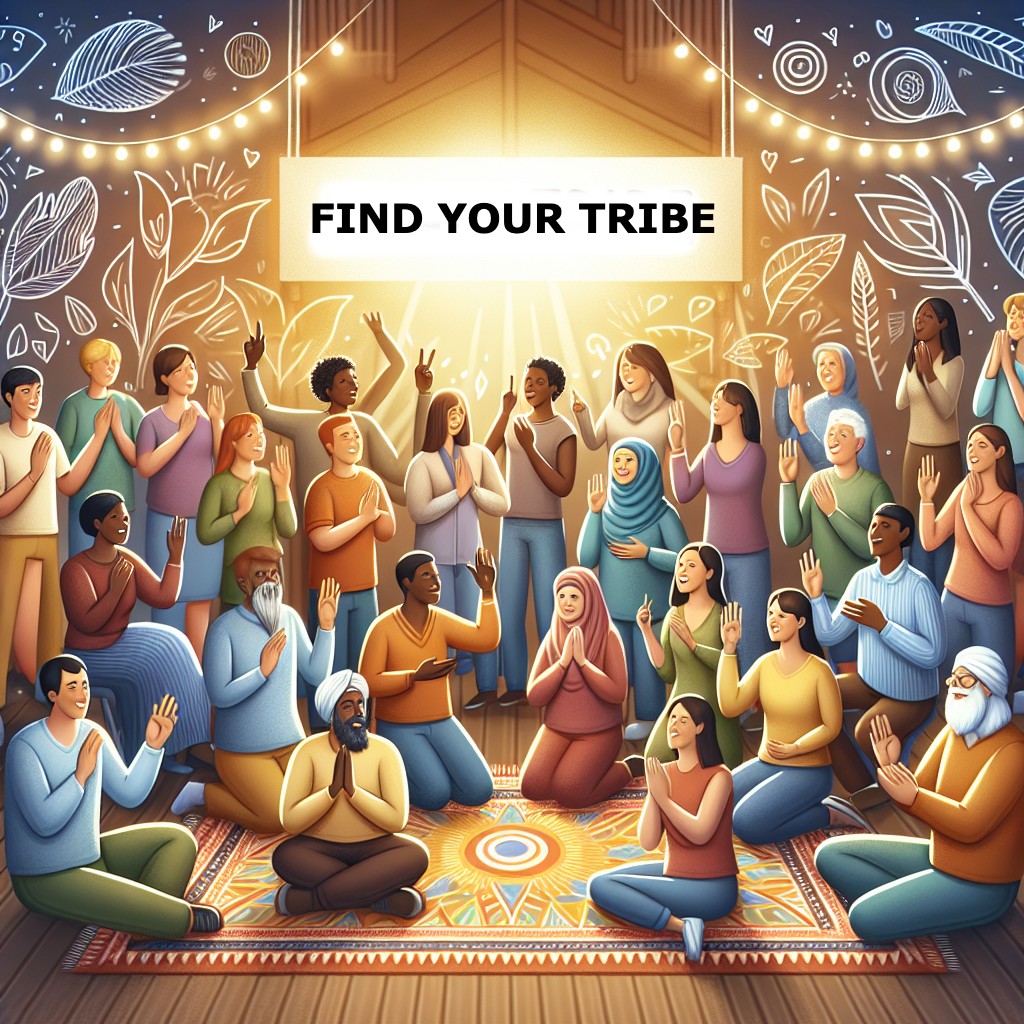
It’s essential to remember that being deaf is not just a medical condition but also a cultural identity. Embracing this identity can be empowering. Within the deaf community, there’s a rich tapestry of history, art, language, and shared experiences. Participating in cultural events and joining organizations devoted to celebrating this heritage can provide a deep sense of belonging and pride.
There are numerous cultural festivals, both local and national, that celebrate deaf culture. These events offer a space for the community to come together, share experiences, and celebrate their unique identity. Artistic expressions in the form of visual art, theater, and dance highlight the creativity and vibrancy of deaf culture. Attending or participating in these events can be a source of inspiration and motivation for many.
The role of language in cultural identity cannot be underestimated. American Sign Language (ASL) and other forms of sign language are not just means of communication but integral parts of the cultural fabric. Encouraging the use of sign language within families and communities reinforces a sense of unity and continuity. Learning ASL can be a fulfilling endeavor for anyone, fostering deeper connections with deaf friends and loved ones.
Professional Networks and Opportunities
Navigating the professional world as a deaf individual has its set of challenges, but with the right networks and resources, these can be effectively managed. Many industries actively seek to diversify their workforce and are more than willing to employ qualified deaf individuals. Job fairs, mentorship programs, and networking events specifically tailored for the deaf community can provide valuable opportunities for career advancement.
The Job Accommodation Network (JAN) is an invaluable resource, offering advice on workplace adjustments and accommodations that can help deaf professionals thrive. From ensuring that meetings are accessible through interpreters and transcription services to advocating for the latest in assistive technology, JAN provides crucial support. Many companies also have internal diversity and inclusion initiatives that aim to support employees from all backgrounds.
Professional networks within the deaf community can also be incredibly supportive. Organizations such as the National Association of the Deaf (NAD) and the Hearing Loss Association of America (HLAA) offer professional development resources, networking opportunities, and advocacy. These organizations work tirelessly to ensure that the rights and needs of deaf individuals are recognized in every sector.
Community and Representation
Representation matters, and seeing deaf individuals in various aspects of public life can be incredibly uplifting for the community. Whether in media, arts, sports, or politics, increased representation helps normalize and affirm the capabilities and achievements of deaf individuals.
Role models, whether they are actors, athletes, or public figures, provide inspiration and prove that the sky’s the limit regardless of hearing ability. The presence of deaf characters in mainstream media, portrayed authentically, contributes significantly to public understanding and acceptance. Campaigns for better representation and inclusion are ongoing, and public support adds momentum to these efforts.
Social media has also democratized representation, allowing deaf influencers and content creators to share their stories and experiences globally. Platforms like Instagram, YouTube, and TikTok have numerous accounts run by deaf individuals who offer valuable insights, tips, and support. Engaging with these platforms can provide both a sense of community and practical advice on navigating daily challenges.
Conclusion
Building connections and support within the deaf community is more accessible and richer than ever before. From educational opportunities and assistive technologies to professional networks and cultural celebrations, the avenues for finding your tribe are numerous and varied. Inclusion and representation are vital, as they validate experiences and provide avenues for deaf individuals to thrive.
As we continue to foster a more inclusive society, the importance of understanding and integrating deaf resources cannot be overstated. Deaf education has come a long way, propelling individuals into worlds previously inaccessible. Awareness and proactive involvement are key in building strong, supportive networks that enhance the lives of deaf individuals and their families.
By embracing the deaf community’s unique cultural identity, utilizing available resources, and actively participating in community-building activities, everyone can contribute to a world where deaf individuals are empowered, understood, and celebrated.