
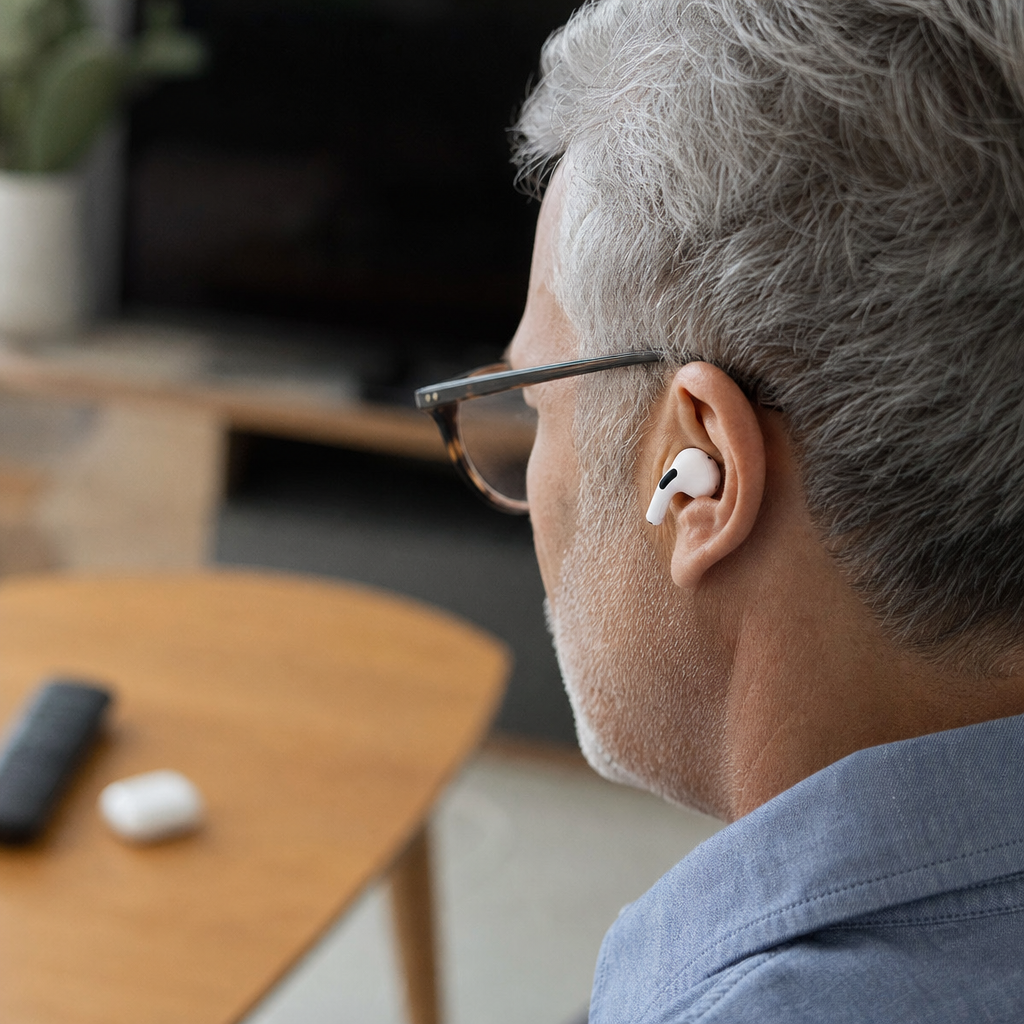
AirPods Pro 2 have moved beyond being premium earbuds and into a serious conversation about hearing support, making an AirPods Pro 2 hearing aid review essential for anyone comparing consumer audio devices with traditional hearing aids. In simple terms, a hearing aid is a medical-grade device designed to amplify speech and environmental sounds based on an audiogram, while hearing assistance features on earbuds use microphones, signal processing, and personalized amplification to improve hearing in specific situations. That distinction matters. I have tested hearing products across clinics, retail counters, and everyday environments, and the most important point is this: AirPods Pro 2 can help some adults hear better in mild to moderate situations, but they are not a universal replacement for prescription hearing aids.
The interest is easy to understand. Hearing loss is common, often gradual, and expensive to treat. According to the World Health Organization, more than 1.5 billion people worldwide live with some degree of hearing loss, and many delay getting help for years. Cost, stigma, convenience, and access all play a role. Apple entered this space by combining active noise control, in-ear sealing, computational audio, and hearing health features within a product millions already know how to use. For people who would never walk into an audiology office, that lowers the barrier significantly. For people already researching hearing aids, it creates a new category to evaluate: smart earbuds with hearing support.
This hub article explains what AirPods Pro 2 can and cannot do, who they are best for, how they compare with hearing aids, what setup actually looks like, and where they fit in a broader hearing care plan. If you are asking whether they work, whether they are worth the money, whether they can replace hearing aids, or whether they are safe for daily use, this guide answers those questions directly. The short answer is that AirPods Pro 2 are impressive hearing assistance tools for selected users, especially inside the Apple ecosystem, but their value depends on your hearing profile, listening environments, dexterity, battery expectations, and willingness to use a smartphone-centered workflow.
What AirPods Pro 2 hearing features actually do
AirPods Pro 2 combine several technologies that matter for hearing support: microphones that capture outside sound, adaptive digital signal processing, customizable amplification, and tight integration with iPhone settings. Features such as Transparency mode let external sound pass through while maintaining awareness. Conversation Boost is designed to emphasize voices in front of the listener. Personalized Spatial Audio is more about entertainment than hearing care, but the hearing-related settings live in the same software ecosystem. The practical result is that users can amplify and shape incoming sound in ways that resemble entry-level assistive listening more than classic music earbuds.
In real use, the strongest benefit appears in one-to-one conversations, small meetings, home environments, television listening, and quiet public spaces. I have seen users with early high-frequency loss notice immediate improvement when they switch from default Transparency to customized Headphone Accommodations. Consonants become clearer, softer speech comes forward, and speech can sound less muffled. That said, noisy restaurants, reverberant churches, open offices, and windy outdoor settings still expose the limits of a consumer earbud form factor. Directionality and speech-in-noise performance are improving, but they do not consistently match dedicated hearing aids fitted to a clinical hearing test.
Apple also includes hearing health protections that deserve attention. Loud Sound Reduction can help reduce exposure to damaging noise peaks, which matters because hearing support should not come at the expense of further auditory stress. The H2 chip enables low-latency processing and adaptive adjustments, but the user experience still depends heavily on fit. If the ear tip seal is inconsistent, sound quality, noise management, and perceived amplification all suffer. Unlike custom earmolds often used in hearing aids, AirPods rely on disposable silicone tips and stable placement in the ear canal, which is convenient but not ideal for every ear shape.
Who should consider AirPods Pro 2 for hearing support
The best candidates are adults with perceived mild hearing difficulty who want an accessible, lower-commitment starting point. This includes people who struggle with speech clarity in certain settings, want help during conversations, use Apple devices daily, and are comfortable charging and managing small electronics. They are also useful for people with normal hearing who want situational amplification, such as hearing a presenter more clearly in a classroom or catching dialogue during a video call. For these users, AirPods Pro 2 can function as a practical bridge between doing nothing and pursuing a formal hearing evaluation.
They are less appropriate for people with significant hearing loss, poor speech discrimination, asymmetrical hearing loss, persistent tinnitus that needs targeted management, chronic ear canal irritation, or complex medical histories. If someone reports sudden hearing loss, one-sided hearing changes, ear pain, dizziness, drainage, or rapidly worsening comprehension, that is not an earbud problem; it is a medical referral. I have worked with enough cases to say clearly that delaying proper assessment because a consumer device seems good enough can cost valuable time. Earbuds can support hearing access, but they cannot diagnose the cause of hearing difficulty.
Another practical factor is user behavior. Traditional hearing aids are built for all-day wear, quick insertion, and routine amplification from morning to night. AirPods Pro 2 are designed around mixed use: calls, music, work sessions, and intermittent hearing support. Some people love that flexibility. Others become frustrated by battery life, touch controls, ear fatigue, and the need to re-seat the earbuds throughout the day. If you want one device that quietly runs in the background from breakfast to bedtime, hearing aids still provide a better long-term experience.
AirPods Pro 2 vs hearing aids: the most important differences
The central comparison in any AirPods Pro 2 hearing aid review is not price alone but purpose. Prescription hearing aids are regulated medical devices fit to a verified hearing profile, often using real-ear measurements to confirm output in the ear canal. They are designed to optimize audibility, comfort, feedback control, directional microphones, and compression strategies across many sound environments. AirPods Pro 2, by contrast, are multifunction earbuds with hearing assistance features layered on top. They can be remarkably capable, but they are not built around the same clinical workflow or medical intent.
| Factor | AirPods Pro 2 | Traditional Hearing Aids |
|---|---|---|
| Primary purpose | Consumer audio with hearing support features | Medical hearing rehabilitation |
| Fitting method | User setup through iPhone settings and hearing profile tools | Audiogram-based fitting, often verified with real-ear measurement |
| Best for | Mild, situational hearing help and Apple users | Daily treatment of diagnosed hearing loss |
| Battery pattern | Hours per charge plus case recharging | All-day wear on rechargeable or disposable batteries |
| Speech in noise | Helpful but inconsistent in difficult environments | Generally stronger due to specialized directional processing |
| Comfort and wear time | Varies by ear shape and tolerance | Designed for extended wear |
Cost is where AirPods Pro 2 naturally attract attention. They are far cheaper than many prescription hearing aids and often less expensive than over-the-counter hearing aids from established hearing brands. However, lower purchase price does not automatically equal better value. If a person buys AirPods, still struggles in noise, removes them frequently, and then later purchases hearing aids anyway, the cheaper first step may not have solved the problem. On the other hand, for someone with mild needs who also wants premium earbuds, the value proposition is strong because one device covers multiple daily functions.
Another major difference is support. Hearing aid users usually gain access to hearing care professionals for programming, counseling, follow-up adjustments, dome changes, wax management, and troubleshooting. With AirPods Pro 2, support is centered on Apple documentation, device settings, firmware updates, and general retail help rather than hearing rehabilitation. That works well for tech-savvy users but can leave gaps for older adults who need coaching on realistic expectations, communication strategies, and progressive hearing changes over time.
Setup, customization, and everyday use
Initial setup is straightforward if you already use an iPhone. Pair the AirPods, confirm ear tip fit, and open Accessibility and audio settings. From there, users can adjust Transparency mode, tune ambient sound balance, and apply Headphone Accommodations. Some people also use results from hearing screening apps or imported audiogram-style profiles to personalize output. The process takes minutes, but getting useful results often takes several days of testing in real situations. I advise people to evaluate them in quiet conversation, a moving car, a grocery store, a meeting room, and while watching television before deciding whether they truly help.
Expect a learning curve. At first, amplified environmental sound can seem unusually sharp because hearing difficulty often develops gradually, and the brain adapts to reduced input. Dishes, keys, rustling paper, and HVAC noise may feel louder than expected. Good fitting is not just about making everything louder; it is about making speech clearer without making background noise unbearable. This is where dedicated hearing aids usually show their advantage, because their compression and environmental classification systems are more refined for day-long speech access. AirPods Pro 2 can be tuned usefully, but they still require user experimentation.
Daily practicality depends on habits. Battery life is adequate for mixed use but not ideal for uninterrupted all-day amplification. Charging through the case is simple, yet it adds another maintenance task. Moisture, sweat, and earwax also matter. In clinics and at home, I routinely see hearing performance complaints caused by blocked openings, poor seal, or worn tips rather than software failure. AirPods are easier to clean than many people expect, but they still need regular inspection. If you want stable hearing support, treat them like hearing devices, not just accessories tossed loosely into a bag.
Benefits, limitations, and real-world performance
The biggest benefit is accessibility. AirPods Pro 2 bring hearing assistance into a familiar consumer product, reducing stigma and simplifying trial. They sound good for media, switch easily between Apple devices, and can improve speech awareness enough that some users finally recognize the extent of their hearing difficulty. That last point matters. Sometimes the device itself is not the final answer; it is the prompt that gets someone to seek a proper hearing test. I have seen users move from “I hear fine” to “I need help in restaurants and meetings” after a week with personalized settings.
The limitations are equally important. Fit is not custom. Battery life is finite. Microphone placement is constrained by earbud design. Performance in complex noise remains weaker than well-fit hearing aids. There is no substitute for diagnostic evaluation when symptoms suggest medical issues. Earbuds can also be socially awkward in settings where visible devices imply you are listening to music rather than engaging with people. Hearing aids, especially modern receiver-in-canal models, are often more discreet in professional interactions because they are understood as communication tools rather than entertainment devices.
Results vary by hearing profile. People with mild high-frequency loss often report the clearest gains because added emphasis can restore speech cues such as /s/, /f/, and /th/. People with flatter or more severe losses may need more output, finer compression control, and better feedback management than AirPods can provide comfortably. There is also the issue of ear fatigue. Some users love the sealed in-ear feeling; others want open-fit hearing aids that reduce occlusion and keep their own voice sounding more natural. In short, AirPods Pro 2 perform best when expectations are specific, moderate, and grounded in everyday listening goals.
How this hub fits your hearing aid research
As a general hub within the broader hearing aids topic, this page should help you decide what to read next and what questions to ask. If you are early in your research, start with your actual problem: Is it television volume, speech in noise, one-on-one conversation, work meetings, phone calls, or all-day hearing difficulty? If your issue is occasional clarity and you already use Apple products, AirPods Pro 2 may be a reasonable first experiment. If your issue is persistent hearing loss across many environments, compare them against over-the-counter hearing aids, prescription hearing aids, hearing tests, and communication strategy guides before spending money.
You should also think in terms of outcomes, not gadgets. Better hearing means improved speech understanding, less listening fatigue, more confidence in conversation, safer awareness of your surroundings, and less withdrawal from social situations. The right solution is the one that improves those outcomes reliably. For some readers, AirPods Pro 2 will be enough for now. For others, they will confirm that proper hearing aids are the better fit. Either result is useful if it leads to faster action instead of continued delay, because untreated hearing difficulty tends to affect work, relationships, and cognitive load over time.
AirPods Pro 2 are a compelling hearing support option, but the most accurate verdict is balanced: they are excellent smart earbuds with meaningful hearing assistance features, not a blanket replacement for hearing aids. They work best for mild, situational hearing challenges, especially for people already invested in the Apple ecosystem and comfortable managing settings on an iPhone. Their strengths are convenience, accessibility, and multipurpose value. Their weaknesses are limited all-day wear practicality, variable comfort, shorter battery cycles, and less consistent performance in complex listening environments.
If you remember one takeaway from this AirPods Pro 2 hearing aid review, make it this: match the device to the problem. Use AirPods Pro 2 when you want affordable, flexible hearing help and premium audio in one package. Choose dedicated hearing aids when you need medically guided treatment, stronger speech-in-noise performance, and dependable daily amplification. And if your hearing changes suddenly, affects one ear, or continues to interfere with daily life, get a hearing test rather than guessing.
Use this hub as your starting point for the wider Hearing Aids topic, then compare features, costs, hearing test options, and user profiles before you decide. The sooner you identify the right level of support, the sooner conversations become easier again.
Frequently Asked Questions
Are AirPods Pro 2 actually hearing aids, or are they just earbuds with hearing assistance features?
AirPods Pro 2 are not traditional hearing aids in the medical sense, even though they now sit much closer to that conversation than most consumer earbuds ever have. A conventional hearing aid is a medical-grade device that is typically fit using a professional hearing evaluation and programmed to match a person’s audiogram, which is a detailed map of hearing loss across different frequencies. AirPods Pro 2, by contrast, are consumer electronics that use microphones, onboard processing, and personalized amplification features to help users hear speech and environmental sounds more clearly.
That difference matters. Hearing aids are purpose-built for all-day hearing support, long-term hearing management, and individualized correction of hearing loss. AirPods Pro 2 offer a more accessible, mainstream option for people who may have mild to moderate hearing concerns, want situational support, or are curious about amplification without immediately investing in prescription devices. In practical use, they can improve clarity in conversations, help in noisy environments, and enhance certain everyday sounds, but they do not fully replace the comprehensive fitting, customization, and clinical oversight that come with dedicated hearing aids. For many people, the best way to think about them is as advanced earbuds with meaningful hearing support features rather than a complete substitute for medical hearing devices.
Who should consider AirPods Pro 2 for hearing support, and who should probably look at traditional hearing aids instead?
AirPods Pro 2 can make sense for several types of users. They are especially appealing to people who already live in the Apple ecosystem, use an iPhone regularly, and want an easy, lower-barrier way to explore hearing assistance features. They may also be a strong fit for adults with mild hearing difficulty, people who struggle in certain situations such as restaurants or meetings, and users who want a device that can switch between music, calls, noise cancellation, and hearing enhancement in one compact package. The convenience factor is a major advantage, because many users are far more willing to wear sleek, familiar earbuds than a more visible medical device.
At the same time, AirPods Pro 2 are not the right answer for everyone. People with more significant hearing loss, complex hearing profiles, one-sided hearing issues, persistent tinnitus, or difficulty understanding speech even in quiet environments are usually better served by a professional hearing assessment and dedicated hearing aids. The same is true for anyone who needs dependable amplification all day, every day, across work, home, and outdoor settings. Traditional hearing aids generally offer more precise tuning, better long-term comfort for hearing support, stronger battery routines for daily wear, and support from an audiologist who can make adjustments over time. If hearing difficulties are affecting safety, work performance, relationships, or overall quality of life, it is smart to treat AirPods Pro 2 as a useful tool to evaluate, not as a reason to avoid proper hearing care.
How well do AirPods Pro 2 perform compared with real hearing aids in everyday listening situations?
In everyday use, AirPods Pro 2 can perform surprisingly well for a consumer device, especially in controlled or moderately challenging situations. Many users notice improved speech clarity in one-on-one conversations, better awareness of voices and ambient sounds, and helpful assistance when watching videos, taking calls, or moving through everyday environments. Their microphones and processing can make conversations feel more present, and the personalization options can provide a noticeable improvement over standard earbuds or no support at all.
However, when directly compared with dedicated hearing aids, the differences become clearer in more demanding situations. Traditional hearing aids are designed specifically to separate speech from noise, shape amplification across precise frequency ranges, and remain comfortable and effective over long periods of wear. In crowded restaurants, reverberant rooms, group conversations, or outdoor environments with wind and competing noise, hearing aids generally have the edge because they are built around hearing correction rather than general audio performance. AirPods Pro 2 can absolutely be impressive, but they are still balancing multiple roles: music listening, phone calls, noise control, and hearing assistance. That makes them versatile, but not always as specialized. If your goal is occasional support and convenience, they may feel more than good enough. If your goal is the most consistent speech understanding across the widest range of listening conditions, traditional hearing aids usually remain the stronger option.
What are the biggest advantages and limitations of using AirPods Pro 2 as a hearing support device?
The biggest advantages start with accessibility, familiarity, and price positioning relative to many prescription hearing aids. AirPods Pro 2 are widely available, easy to set up for Apple users, and far less intimidating for people who are just beginning to acknowledge hearing difficulties. They also combine several functions into one device, which is a major selling point. Instead of carrying separate products for audio entertainment, calls, and hearing assistance, users can rely on a single pair of earbuds for multiple daily needs. Their compact design, seamless Apple integration, and broad mainstream appeal can also reduce the stigma that sometimes prevents people from seeking hearing support in the first place.
The limitations are just as important to understand. Fit and comfort may be excellent for earbuds, but they are not necessarily ideal for all-day hearing assistance in the way professionally fitted hearing aids are. Battery life can also become a practical issue if you need continuous support throughout the day. Just as importantly, AirPods Pro 2 are not custom-programmed to the same degree that hearing aids are, and they do not replace a complete hearing exam. They may help users hear better, but they do not diagnose why hearing loss is happening or whether a medical issue is involved. Another limitation is situational reliability: in some noisy or acoustically difficult places, they may not deliver the same speech separation and nuanced amplification that hearing aids can provide. In short, the advantages are convenience, versatility, and lower friction for entry; the trade-offs are precision, long-term support, and medical-level customization.
Should you buy AirPods Pro 2 instead of hearing aids if you think your hearing is getting worse?
If you suspect your hearing is getting worse, AirPods Pro 2 can be a useful starting point, but they should not automatically be viewed as a replacement for a proper hearing evaluation. For some people, they are a practical first step because they let you experience what amplified and processed sound can do in daily life. They may help you determine whether hearing assistance improves conversations, television listening, meetings, or awareness of your surroundings. That kind of real-world feedback can be valuable, especially if you are still deciding how serious your hearing challenges are.
Still, worsening hearing deserves attention beyond consumer technology alone. Hearing changes can result from age-related loss, noise exposure, earwax buildup, infection, medication effects, or other medical conditions that should not be overlooked. A hearing test can establish what frequencies are affected, how severe the problem is, and whether hearing aids, medical treatment, or monitoring are the best next step. If AirPods Pro 2 help in the short term, that is a positive sign that amplification may be useful, but it does not mean they are the most appropriate long-term solution. A balanced approach is to see them as an accessible tool for exploration and day-to-day support while still taking hearing health seriously enough to get professional guidance if symptoms continue or worsen.