
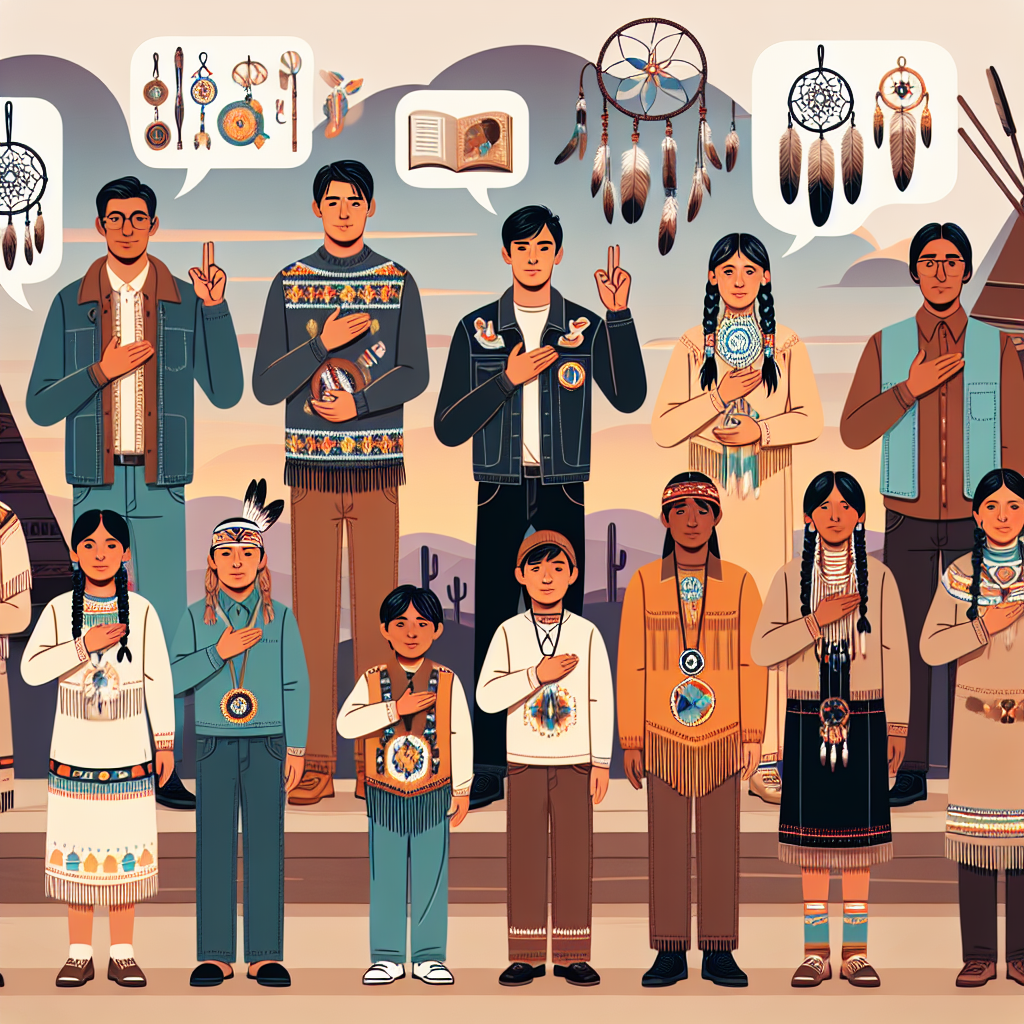
Native American Heritage Month is a time to celebrate and recognize the rich cultural diversity, traditions, and contributions of Native Americans. One often overlooked group within this community is Deaf Native Americans. This article aims to shed light on their unique experiences, contributions, and the specific challenges they face.
Introduction
Deaf Native Americans have a rich history and culture that intersects with both their ethnic heritage and their Deaf identity. As we celebrate Native American Heritage Month, it is crucial to acknowledge the unique contributions of Deaf Native Americans to their communities and to the broader society. Despite their significant contributions, they face numerous challenges, particularly in the realm of education and social inclusion. Understanding their experiences can foster greater awareness and support, helping to bridge the gaps they often encounter.
Historically, Native American communities have exhibited a variety of communication methods, including sign languages that predate American Sign Language (ASL). These indigenous sign languages played a crucial role in the lives of Deaf Native Americans long before European settlers arrived. However, modernization and the dominance of English have significantly impacted these traditional means of communication.
Education plays a pivotal role in the lives of Deaf individuals, influencing their social and economic opportunities. For Deaf Native Americans, accessing quality education is often fraught with numerous obstacles. These challenges range from language barriers to a lack of culturally responsive educational programs. By delving into these issues, we can work towards creating a more inclusive and supportive environment for Deaf Native Americans.
Historical Context and Contributions
Deafness in Native American communities is not a new phenomenon. Historically, many tribes had their own signs and ways of communicating with Deaf members, displaying a sophisticated understanding of sign language and inclusivity. Tribes like the Plains Indians used Plains Indian Sign Language (PISL), a lingua franca that enabled communication across different language groups, including Deaf members.
Deaf Native Americans have made significant contributions to their communities. From storytelling and artistic expression to leadership roles, their unique perspectives have enriched the cultural tapestry of their tribes. Storytelling, an integral part of Native American culture, often includes hand signals and a strong visual component, making it naturally inclusive of Deaf community members. Additionally, many Deaf Native Americans have contributed to the preservation and teaching of these traditional sign languages, ensuring that these vital parts of their cultural heritage are not lost.
Despite these contributions, the arrival of settlers and the subsequent forced assimilation policies profoundly disrupted these traditional ways of life and communication. Boarding schools, in particular, played a detrimental role by prohibiting the use of Native languages and sign languages, pushing many Deaf Native Americans to the margins of their cultural and linguistic communities.
Educational Challenges and Barriers
Education is a critical area where Deaf Native Americans face profound challenges. The intersectionality of being both Deaf and Native American often means they encounter compounded barriers to accessing quality education. These include systemic issues such as the underrepresentation of Deaf educators who understand both ASL and indigenous sign languages and a lack of culturally relevant curricula.
One major obstacle is the language barrier. While ASL is broadly used in Deaf education, it may not be the native language for many Deaf Native American students who might be more comfortable with their indigenous sign languages. Moreover, mainstream educational institutions often lack the resources and knowledge to accommodate these linguistic needs, leading to significant gaps in communication and understanding.
In addition to language barriers, there is often a lack of culturally responsive teaching methods that respect and incorporate Native American traditions and values. This can make the educational experience alienating for Deaf Native American students, who may feel a disconnect between their cultural identity and their education. Furthermore, discriminatory attitudes and misconceptions about Deafness and Native American identities can create an unwelcoming and challenging environment for these students.
Promoting Culturally Responsive Education
Addressing the educational needs of Deaf Native Americans requires a multifaceted approach that includes culturally responsive teaching methods, specialized training for educators, and community involvement. Culturally responsive education recognizes the importance of including students’ cultural references in all aspects of learning, which can significantly enhance their educational engagement and success.
Training educators to understand and use indigenous sign languages can be a transformative step. This not only validates and preserves these languages but also ensures that Deaf Native American students have access to education in a language they are comfortable with. Moreover, incorporating Native American history, traditions, and perspectives into the curriculum can make learning more relevant and engaging for these students.
Community involvement is also essential. Collaborating with Native American communities to develop educational programs ensures that these programs are culturally appropriate and meet the specific needs of Deaf students. Community members can provide valuable insights and contribute to creating a supportive and inclusive educational environment.
It is also important to advocate for policies that promote educational equity. This includes ensuring that schools have the necessary resources to support Deaf Native American students and implementing anti-discrimination policies to create a more welcoming educational environment.
Social Inclusion and Advocacy
Beyond education, social inclusion is another critical area where Deaf Native Americans face challenges. Social inclusion encompasses various aspects of life, including employment, healthcare, and community involvement. Ensuring that Deaf Native Americans are fully included in all areas of society requires targeted advocacy and support.
Employment opportunities for Deaf Native Americans can be limited due to both communication barriers and discrimination. Providing accessible vocational training and job placement services can significantly improve their employment prospects. Additionally, raising awareness among employers about the capabilities and rights of Deaf individuals can help combat misconceptions and create more inclusive workplaces.
Access to healthcare is another significant challenge. Communication barriers can make it difficult for Deaf Native Americans to receive appropriate medical care. It’s crucial to ensure that healthcare providers are trained in ASL and indigenous sign languages and that interpreter services are readily available. Promoting cultural competence in healthcare can also help providers better understand and respect the unique needs of Deaf Native American patients.
Community involvement and representation are vital for social inclusion. Encouraging Deaf Native Americans to take on leadership roles within their communities can help ensure their voices are heard and their needs are addressed. This includes participation in tribal governance, cultural events, and advocacy organizations.
Building Bridges Between Communities
Creating a more inclusive society for Deaf Native Americans involves building bridges between the Deaf community and Native American communities. While these communities share some common challenges, they also have unique needs and perspectives. Promoting dialogue and collaboration between these communities can help foster mutual understanding and support.
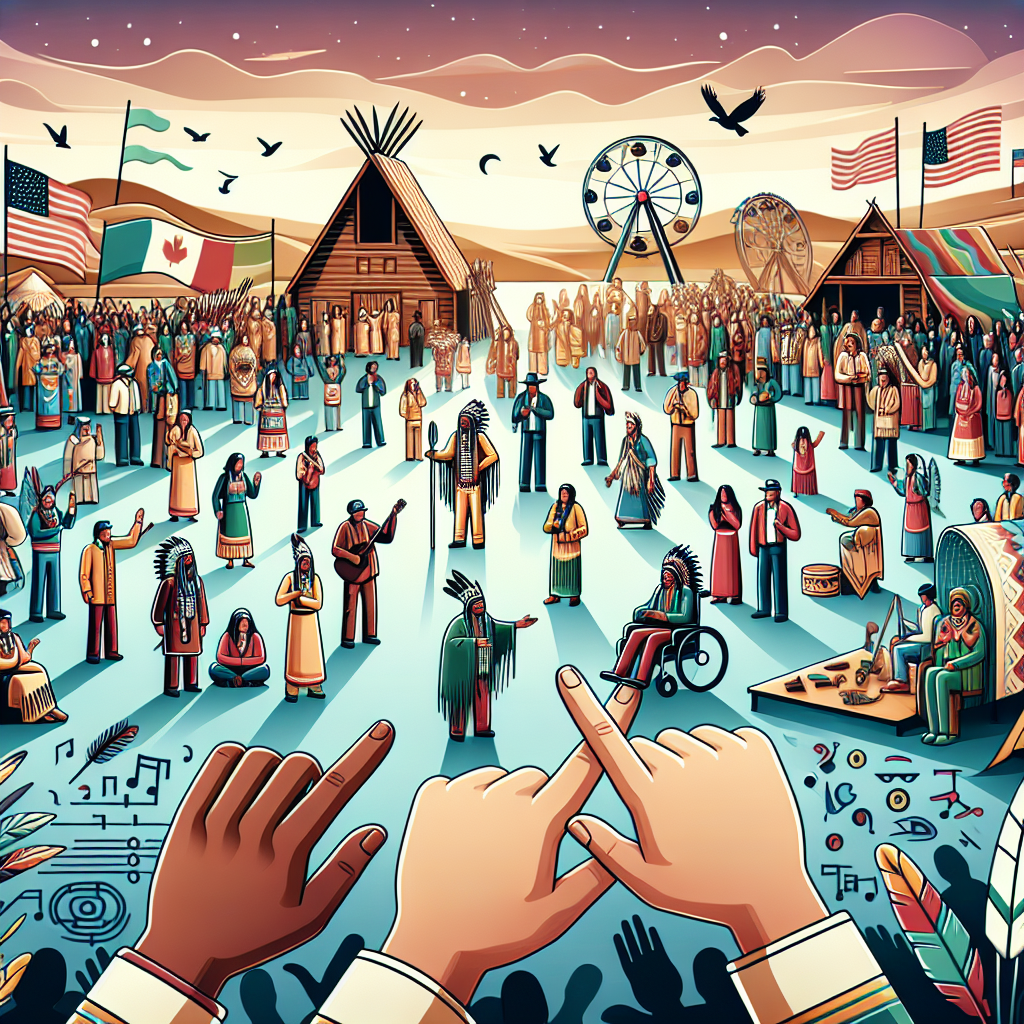
One way to build these bridges is through cultural exchange and awareness programs. These programs can highlight the rich cultural heritage of Deaf Native Americans and promote understanding and appreciation between different communities. For example, events showcasing indigenous sign languages, Deaf storytelling, and traditional arts can help break down barriers and foster a sense of community.
Advocacy organizations also play a crucial role in building bridges between communities. Organizations that focus on both Deaf and Native American issues can provide valuable resources, support, and advocacy for Deaf Native Americans. Collaboration between these organizations can amplify their efforts and create a more unified approach to addressing the challenges faced by Deaf Native Americans.
Encouraging cross-cultural training for educators, healthcare providers, and other professionals can also promote better understanding and support for Deaf Native Americans. By gaining insight into both Deaf culture and Native American culture, professionals can provide more effective and respectful services.
Conclusion
As we celebrate Native American Heritage Month, it is important to recognize the contributions and challenges of Deaf Native Americans. Their unique experiences and perspectives enrich both the Deaf and Native American communities and the broader society. However, they also face significant challenges, particularly in the realms of education and social inclusion.
By understanding and addressing these challenges, we can work towards creating a more inclusive society that values and supports Deaf Native Americans. This involves promoting culturally responsive education, advocating for social inclusion, and building bridges between the Deaf and Native American communities. Through these efforts, we can ensure that Deaf Native Americans have the opportunities and support they need to thrive.
Recognizing the contributions of Deaf Native Americans during Native American Heritage Month is just the beginning. Continued advocacy, support, and collaboration are essential to creating a more inclusive and equitable society. By working together, we can celebrate the rich cultural heritage of Deaf Native Americans and ensure that their voices are heard and their needs are met.