
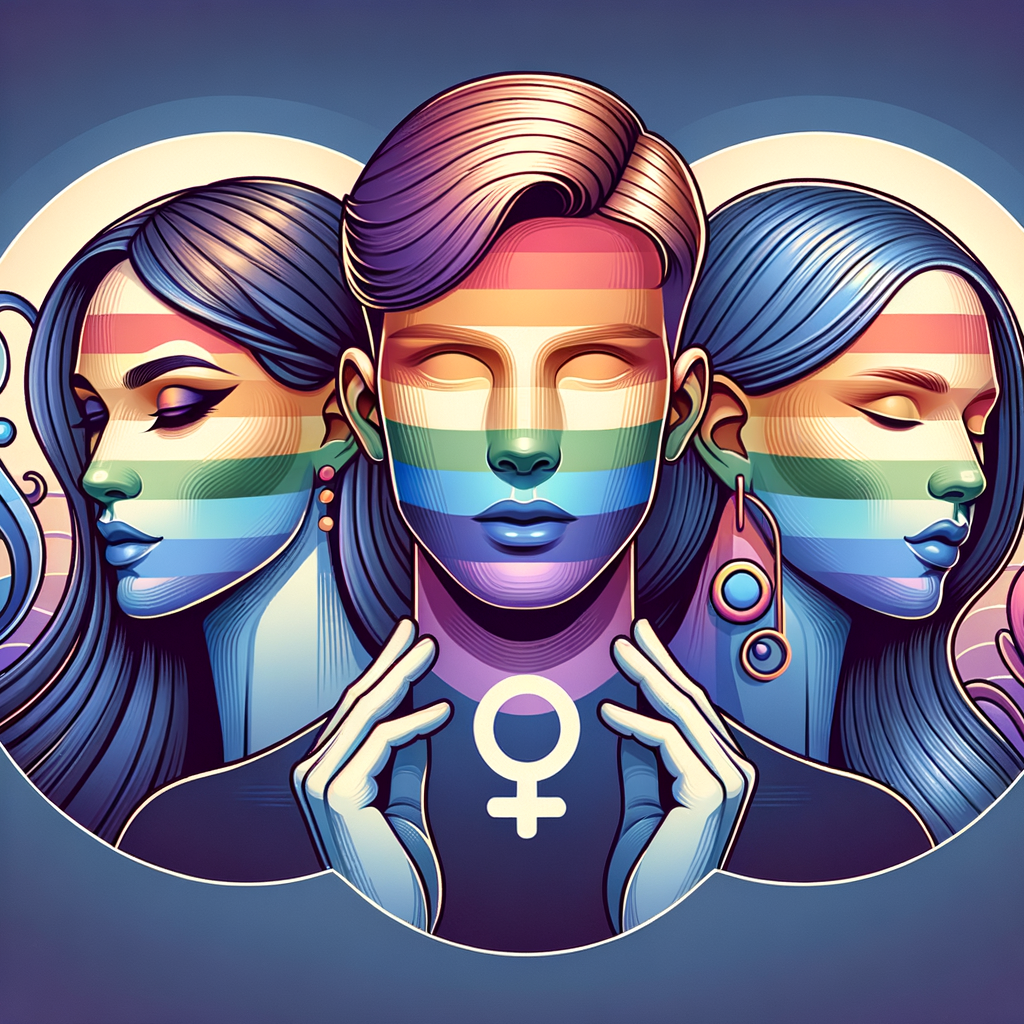
In the contemporary landscape of diversity and inclusion, the intersection of LGBTQ+ and Deaf identities presents a unique and intriguing dialogue. Society often describes these distinct yet overlapping identities as subcultures with their own distinct histories, traditions, and challenges. Understanding the dynamics at this junction offers valuable insights and cultivates empathy and greater inclusivity. The synthesis of these identities forms a complex tapestry where issues of communication, prejudice, and self-identity are prevalent and require careful navigation. At this intersection, individuals often navigate dual minority statuses, each accompanied by its own set of stereotypes, barriers, and social dynamics. Recognizing this duality allows a deeper appreciation of the multifaceted experiences individuals face, the vibrant cultures that emerge, and the potent advocacy for representation and rights. This article will delve into how LGBTQ+ individuals within the Deaf community navigate these identities, highlighting key challenges, community dynamics, and the role of advocacy in fostering understanding and acceptance.
Navigating Dual Identities
Living at the crossroads of LGBTQ+ and Deaf identities poses its own unique set of challenges. Both communities grapple with their marginalized status, though the nature of that marginalization is often expressed in different ways. For a Deaf LGBTQ+ person, navigating daily life involves reconciling their presence in multiple minority cultures. The complexities of communication are a significant aspect, where both linguistic diversity and accessibility come into play. American Sign Language (ASL) is a primary mode of communication among the Deaf community, giving it a unique cultural identity. Yet, within LGBTQ+ spaces, this mode of communication might be less prevalent or understood, leading to feelings of isolation or alienation.
The importance of language is profound. ASL does not merely serve as a communication tool; it’s a cornerstone of Deaf culture, encapsulating its values, history, and community spirit. Similarly, the LGBTQ+ community employs its own unique lexicon to express identity, orientation, and experiences. When these linguistic worlds overlap, individuals must often engage in educational roles, teaching peers about the nuances and importance of each language set. The responsibility falls upon these individuals to bridge gaps, create understanding, and advocate for inclusion on both fronts. For example, an LGBTQ+ themed event might reach a broader audience if it includes ASL interpreters, signaling inclusion beyond the auditory-centric mode of communication that many events default to.
Furthermore, there is an essential component of social dynamics to consider. Communities each have their own cultural norms and social gatherings, which are critical in establishing solidarity and support. Deaf LGBTQ+ people might find themselves torn between these communities. An LGBTQ+ person who is Deaf may find they have distinctive experiences compared to hearing LGBTQ+ individuals or straight Deaf individuals, encountering social circles that do not fully embrace both aspects of their identity simultaneously. Nonetheless, there are spaces, albeit limited, where Deaf LGBTQ+ communities thrive – places such as Deaf LGBTQ+ pride events, which provide a powerful opportunity for individuals to express their dual identities freely and unapologetically. The evolution and expansion of these spaces are crucial in fostering acceptance and a sense of belonging.
Challenges Within Communities
Despite the progress made in both LGBTQ+ and Deaf rights, individuals at this intersection still face numerous challenges. Discrimination and prejudice can manifest in both direct and subtle forms, sometimes compounded by a lack of mutual understanding between these communities. Within the Deaf community, there may be misunderstandings or lack of acceptance of LGBTQ+ identities, which can be attributed to misconceptions or cultural norms, depending on one’s upbringing and exposure to diverse identities. Conversely, in predominantly hearing LGBTQ+ spaces, there might be a lack of awareness about Deaf culture and the importance of inclusivity beyond mere lip service to diversity.
Educational deficits play a considerable role in perpetuating these issues. The traditional education system often fails to adequately represent multiple identities, leading to a narrow understanding of diversity. This deficiency can lead to erasure or a lack of awareness regarding the contributions and experiences of Deaf LGBTQ+ individuals. Advocacy for more comprehensive education is integral to shifting these paradigms. Implementing educational programs that emphasize intersectionality, promote cultural exchange, and highlight the contributions of all community members can bridge gaps in understanding.
Moreover, healthcare access remains a poignant issue at this intersection. Deaf individuals who identify as LGBTQ+ may face unique barriers to accessing healthcare services. The necessity of interpreters for medical appointments adds an additional layer of complexity, particularly when discussing issues related to sexual health or mental wellbeing. LGBTQ+ individuals often encounter discrimination in healthcare settings due to their sexual orientation or gender identity. When coupled with communication barriers due to hearing differences, the cumulative effect can result in inadequate care or reluctance to seek necessary medical attention. This underscores the necessity for healthcare practitioners to be culturally competent and equipped with the tools to aid patients with diverse needs.
Advocacy and Community Empowerment
Advocacy plays a central role in addressing the struggles faced by LGBTQ+ Deaf individuals. Organizations that recognize and work at these intersections are pivotal in driving policy change, raising awareness, and fostering inclusive environments. Coalitions at the grassroots level often lead efforts in facilitating dialogue, creating resources, and providing safe spaces. These organizations also have a significant impact on policy advocacy, increasingly focusing on legislative initiatives that protect and uplift marginalized communities.
Technological advancements have further augmented advocacy efforts. Social media, in particular, serves as a potent platform for activism, education, and community building. Here, Deaf LGBTQ+ individuals can connect, share experiences, form support networks, and amplify their voices globally. Digital advocacy can circumvent traditional barriers present in physical advocacy spaces, allowing for broader participation irrespective of geographic or socio-economic constraints.
Moreover, the role of storytellers and cultural ambassadors in bridging the understanding between communities cannot be understated. Individuals who share their experiences, whether through literature, film, or online platforms, significantly contribute to broader societal understanding. They humanize the experiences at these intersections, allowing others to recognize the inherent dignity and shared humanity in unique identities.
Conclusion
Navigating the intersectionality of LGBTQ+ and Deaf identities involves a complex interplay of communication, culture, community, and advocacy. Each oppressed group offers a distinct way of experiencing and understanding the world, making their convergence uniquely impactful and enriching. By recognizing the challenges and fostering an inclusive environment, society can ensure equal rights and representation for individuals traversing these cultural intersections.
What emerges is not just a struggle for acceptance, but also a celebration of cultural richness. The intertwining identities of Deaf and LGBTQ+ individuals foster a community that is resilient, vibrant, and continuously evolving. With ongoing advocacy, education, and inclusive practices, societal understanding can grow, leading to genuine acceptance and empowerment for all members.
This intricate tapestry of identities stands as a testament to human resilience and the enduring spirit of liberation and self-expression. As society moves towards greater inclusivity, it is paramount to prioritize these nuanced narratives, ensuring all identities are embraced and uplifted in the shared journey towards equality and understanding.