
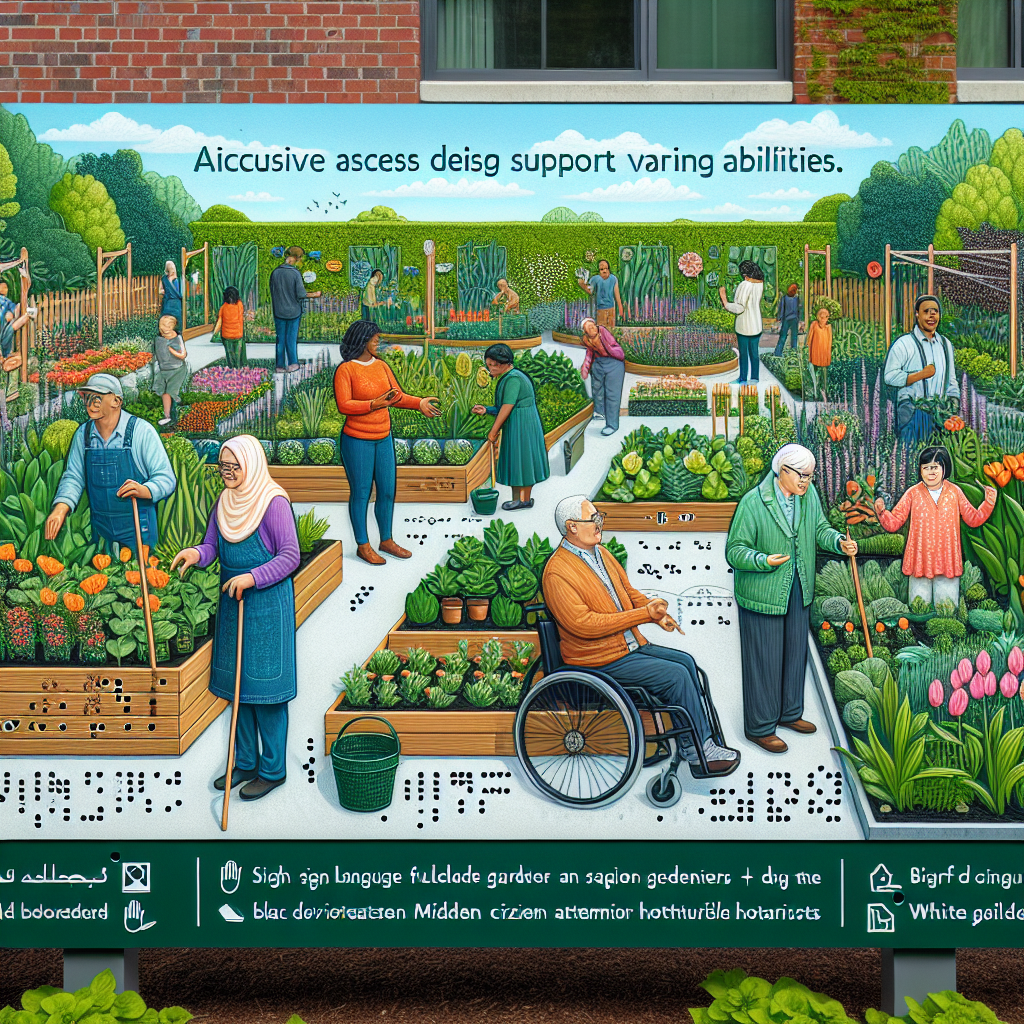
Community gardens are more than just plots of land where people grow plants. They are vibrant, inclusive spaces that foster community spirit, learning, and accessibility. For the Deaf community, these gardens can provide an exceptional environment for education and awareness. In this article, we will explore how community garden projects can be designed and managed to be inclusive green spaces with full Deaf access, ensuring that everyone can enjoy the benefits of gardening and nature.
The Importance of Community Gardens
Community gardens play a crucial role in urban and suburban areas by providing green spaces where people can come together to grow food, flowers, and plants. These gardens offer numerous benefits, including:
- Social Interaction: Community gardens bring people from different backgrounds together, fostering social cohesion and community spirit.
- Education: They serve as outdoor classrooms where people of all ages can learn about gardening, sustainability, and nutrition.
- Mental Health: Being in nature and engaging in gardening activities has been shown to reduce stress and improve mental well-being.
- Environmental Benefits: Gardens promote biodiversity, improve air quality, and contribute to urban green spaces.
For the Deaf community, these benefits are equally important. However, to make community gardens truly inclusive, specific measures need to be implemented to ensure accessibility.
Creating an Inclusive Community Garden
Creating an inclusive community garden involves thoughtful planning and design to accommodate the needs of Deaf individuals. Here are some key considerations:
1. Communication Accessibility
Effective communication is vital for Deaf individuals to fully participate in community garden activities. Here are ways to ensure communication accessibility:
- Sign Language Interpretation: Providing sign language interpreters during garden meetings, workshops, and events ensures that Deaf individuals can fully engage and understand the information being shared.
- Visual Aids: Using visual aids such as pictures, diagrams, and written instructions can help convey information clearly. These aids can be placed on notice boards or as part of garden signage.
- Technology: Utilizing technology like captioned videos, text messages, and smartphone apps can facilitate communication. Video relay services (VRS) can also be used for phone calls.
2. Physical Accessibility
The physical layout of the garden should be designed to accommodate everyone, including those with mobility challenges. Key features include:
- Wide Pathways: Ensure that pathways are wide enough for wheelchairs and other mobility aids. Smooth, level surfaces are essential to prevent tripping hazards.
- Raised Beds: Raised garden beds make gardening accessible to individuals who may have difficulty bending or kneeling.
- Seating Areas: Provide benches and seating areas throughout the garden where people can rest and socialize.
3. Educational Programs
Educational programs tailored to the Deaf community can enhance their gardening experience. Consider the following:
- Workshops and Classes: Offer workshops and classes on various gardening topics, with sign language interpreters and visual aids to ensure full participation.
- Mentorship Programs: Pair Deaf individuals with experienced gardeners who can provide guidance and support, using communication methods that work best for them.
- Youth Programs: Engage Deaf children and teenagers through youth gardening programs, fostering a love for nature and sustainability from an early age.
4. Community Engagement
Building a sense of community within the garden is crucial. Encourage engagement through:
- Regular Meetings: Hold regular garden meetings with sign language interpreters to discuss garden plans, share ideas, and address any concerns.
- Inclusive Events: Host events such as plant swaps, garden parties, and educational tours that are accessible to the Deaf community.
- Volunteer Opportunities: Create volunteer opportunities for Deaf individuals to contribute to the garden, fostering a sense of ownership and pride.

Success Stories: Inclusive Community Gardens
The Learning Garden, Los Angeles
The Learning Garden in Los Angeles is a prime example of an inclusive community garden. It offers sign language interpreters for workshops and garden tours, ensuring Deaf participants can fully engage. The garden also uses visual aids extensively, with clear signage and instructional diagrams placed throughout the space.
Deafroots Garden, New York
Deafroots Garden in New York is designed specifically for the Deaf community. It features raised beds, wide pathways, and regular sign language-interpreted workshops. The garden also hosts social events and educational programs tailored to Deaf children and adults, making it a vibrant hub for learning and community building.
The Role of Technology in Deaf Accessible Gardens
Technology can play a significant role in enhancing accessibility in community gardens. Here are some innovative ways technology can be used:
Mobile Apps
Mobile apps can provide real-time translation and communication support. Apps like Ava and Sorenson BuzzCards offer text-based communication tools that can facilitate conversations between Deaf and hearing individuals.
Online Resources
Creating an online portal or website for the garden where all information is available in text and video format with captions can ensure that Deaf individuals can access information anytime. This can include gardening tips, event schedules, and educational resources.
Virtual Workshops
Offering virtual workshops with sign language interpretation and captions can make educational content accessible to a broader audience. These can be recorded and made available for future viewing, providing a valuable resource for continuous learning.
How to Start an Inclusive Community Garden
Starting an inclusive community garden requires careful planning and community involvement. Here are steps to get started:
1. Gather a Diverse Team
Form a planning committee that includes Deaf individuals and other community members. Their input will be invaluable in creating a garden that meets everyone’s needs.
2. Secure a Location
Identify a suitable location for the garden. Consider accessibility, sunlight, water sources, and soil quality. Engage with local authorities and organizations to secure the land.
3. Design the Garden
Work with landscape designers and accessibility experts to create a garden layout that is inclusive and functional. Include features like wide pathways, raised beds, and seating areas.
4. Fundraising and Grants
Secure funding through grants, donations, and fundraising events. Many organizations and foundations offer grants specifically for community and accessibility projects.
5. Launch and Promote
Host a launch event to introduce the garden to the community. Promote the garden through local media, social media, and community networks. Highlight the inclusive and accessible features to attract a diverse group of participants.
Conclusion
Community gardens are powerful tools for fostering inclusion, education, and environmental stewardship. By making these green spaces accessible to the Deaf community, we can ensure that everyone has the opportunity to enjoy the numerous benefits of gardening and nature. Through thoughtful design, effective communication, and community engagement, community gardens can become vibrant, inclusive spaces where everyone feels welcome and valued.