
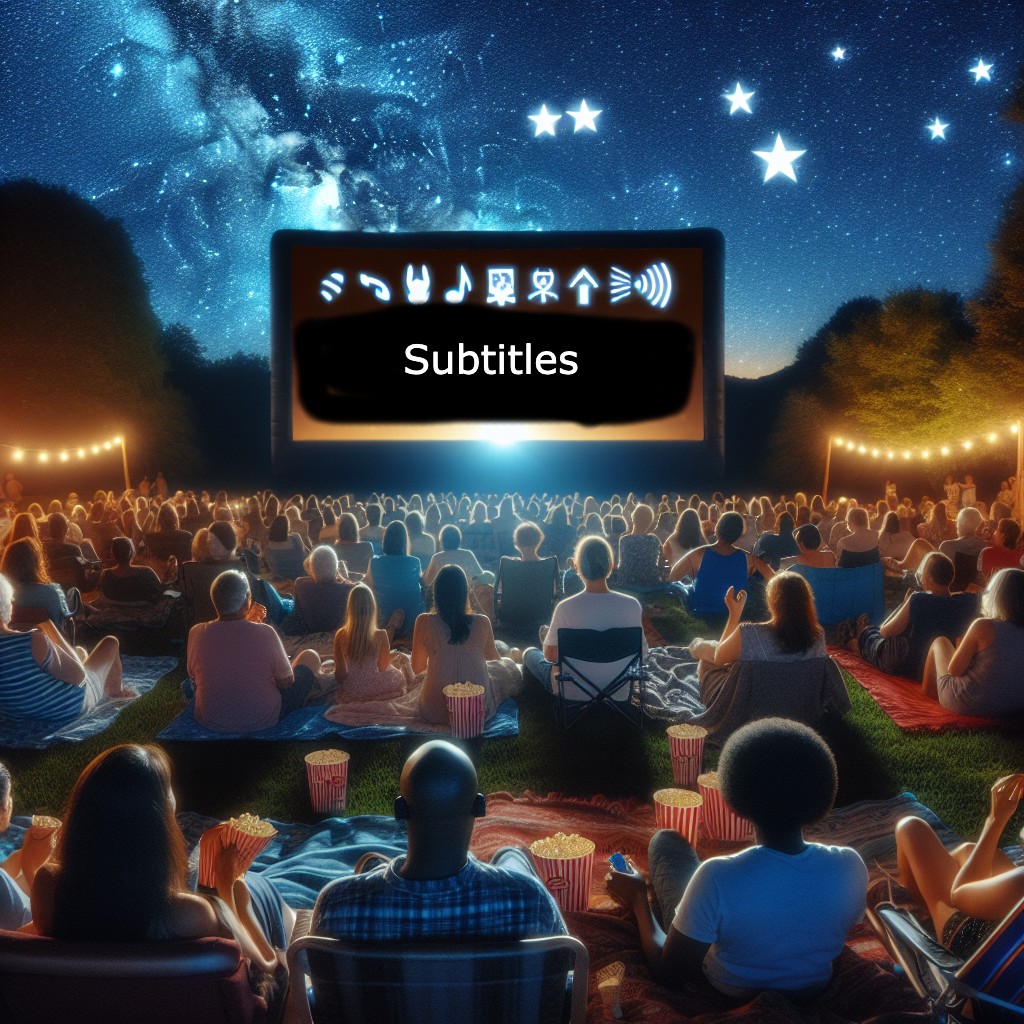
Summer nights create the perfect setting to unwind with a good movie under the stars. Communities across the globe host outdoor film screenings, turning parks, beaches, and rooftops into atmospheric movie theaters. However, for deaf or hard-of-hearing individuals, these experiences can often miss the mark in terms of accessibility. This article will delve into the realm of summer movie series with captioning, ensuring that deaf viewers can fully enjoy these cinematic evenings.
Captions and subtitles are not just beneficial for those with hearing impairments; they enhance the movie-watching experience for a wide array of audiences. Imagine the simultaneous worlds of watching your favorite movie, engaging with accurate dialogue, and recognizing subtle background sounds and music cues—all clearly presented in text form. It’s a considerable step in making public events more inclusive and enjoyable for everyone.
The importance of captioning in cinemas cannot be overstated. According to the World Health Organization, over 5% of the world’s population—over 430 million people—require rehabilitation to address their ‘disabling’ hearing loss. This staggering statistic highlights the pressing need for accessible media options. Ensuring that summer movie series include captions opens up a whole new realm of accessibility and enjoyment, promoting inclusivity and catering to a significant audience.
This piece will explore various aspects of creating an inclusive, accessible film screening experience. From understanding the benefits of captioning to the types of technology available, and even where to find or how to host such events, you’ll be well-equipped to make informed decisions for an accessible summer movie series.
The Benefits of Captioning
Captions first and foremost make movies accessible for the deaf and hard-of-hearing communities. They empower viewers by providing the necessary tools to follow dialogues, interpret sound effects, and understand background noises that are crucial to the storyline. This doesn’t just apply to movies; it increases access to promotions, public announcements, and even educational content that may accompany film events.
Interestingly, captions can also be a game-changer for individuals learning a new language. They enable learners to follow along with the spoken language while seeing its written form, facilitating better comprehension and vocabulary acquisition. This dual exposure helps cement new words and phrases in the mind, making the learning process more effective.
Additionally, captions can be beneficial for individuals watching movies in noisy environments. Think of big family gatherings, overactive children at home, or public spaces—captions help viewers understand dialogue without turning up the volume to disruptive levels.
Finally, captions are incredibly helpful for understanding dialects, accents, or films in entirely different languages. They ensure that the audience does not miss important plot points or character developments due to unfamiliar speech patterns. As a result, captioned movie screenings invite a broader, more diverse audience to participate.
Types of Captioning Technologies
There are several types of captioning technologies that can be utilized for outdoor movie screenings, all designed to enhance the viewing experience.
The most common type is Closed Captioning (CC). With CC, captions are encoded into the media and can be turned on or off by the viewer. This provides a flexible solution for situations where not all viewers may require or want captions.
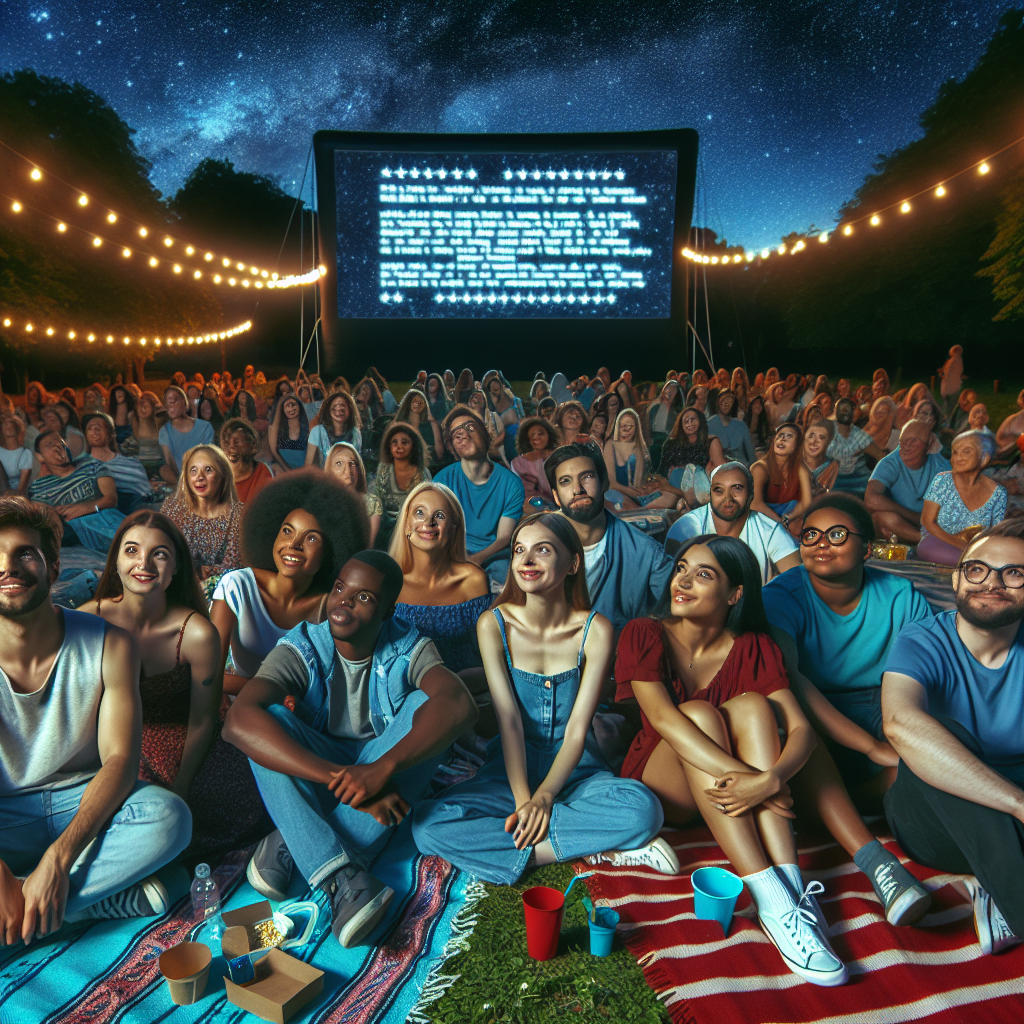
Open Captioning (OC), on the other hand, displays the captions directly on the screen as an integral part of the movie. This means no additional equipment or activation steps are needed, and everyone sees the captions automatically. OC is particularly effective for public screenings where individual control over the captions is not feasible.
Real-Time Captioning is another fascinating option. Utilizing trained live captioners or automated software like AI-driven speech-to-text programs, this technology generates captions as the film is being shown. This method is particularly useful for live events or screenings that include pre-show discussions or post-screening Q&As.
Another futuristic option is using Augmented Reality (AR) captioning glasses. These devices display captions on personal glasses, allowing users to see the text overlaid on their view of the movie. While a more expensive solution, AR glasses offer a blend of accessibility and personal viewing comfort.
Hosting an Accessible Summer Movie Series
Hosting an accessible summer movie series requires thoughtful planning and a commitment to inclusivity. Starting with the selection of captioned films is crucial. Many streaming services and media distributors now offer films with both closed and open caption options, making this easier than ever.
Promotion is another vital component. Highlight the availability of captioned films in your advertising materials to draw attention from the deaf and hard-of-hearing communities. Using inclusive language and symbols that signify accessibility helps ensure that potential attendees understand the event is designed with their needs in mind.
Seating arrangements and venue setup also play significant roles. Ensure the screen is visible from all areas and that there are no visual obstructions. If using open captions, make sure the text can be easily read from a distance and is not compromised by the backdrop or lighting conditions.
Feedback is invaluable. Engage with attendees and gather their input on what worked well and what could be improved. Consider holding a post-event survey to learn more about their experiences and foster a dialogue that can help you enhance future events.
Finding Captioned Outdoor Movies
If you’re looking to attend an outdoor movie with captioning, several resources can help. Many cities and towns now regularly host accessible film events, and a quick online search can reveal a multitude of options.
Websites and event platforms like Eventbrite and Meetup often list captioned movie screenings. They can filter events based on location, date, and accessibility features, making it easier to find what you’re looking for.
Local community centers and advocacy groups for the deaf and hard-of-hearing frequently organize and publicize accessible events. Joining these groups or subscribing to their newsletters can provide valuable information about upcoming screenings.
Social media is another potent tool. Many event organizers promote their accessible movie series on platforms like Facebook, Twitter, and Instagram. Following local community pages and using hashtags like #accessiblemovies or #deafeventscan broaden your search and keep you updated on new listings.
Important Considerations
While captioning is a significant step towards inclusivity, there are other important considerations to make outdoor movie events truly accessible for all.
Physical accessibility is paramount. Ensure that the venue is easily navigable for individuals with mobility issues. This might mean providing ramp access, even terrain, and adequate seating options for those who use wheelchairs.
Audio accessibility can be enhanced by offering assistive listening devices for people who are hard of hearing but do not use captions. These devices amplify the movie’s sound directly into the listener’s ears, improving clarity and comprehension.
Consider language accessibility as well. Providing captioned films in multiple languages can expand your audience further, making cultural exchange and community integration more seamless.
Lastly, be mindful of the sensory environment. Loud noises and bright lights can be overwhelming for some individuals. Offering a quiet area or sensory-friendly screenings with adjusted volume levels and lighting can make the experience more enjoyable for everyone.
Conclusion
Enjoying films under the stars is an iconic summer tradition, and ensuring that everyone can partake in this joy is a step forward in fostering an inclusive community. Captioning outdoor movies is an achievable, impactful way to open the wondrous world of cinema to the deaf and hard-of-hearing communities. Beyond fostering accessibility, captions enrich the viewing experience for everyone, making films more comprehensible, engaging, and enjoyable.
By embracing accessible technologies, promoting inclusivity in your advertising, and considering all aspects of accessibility in your venue setup, you can host summer movie series that truly welcome everyone. This effort will not go unnoticed and could serve as a model for other event organizers and communities to follow.
Whether you are an event organizer, a member of the deaf community, or a cinephile passionate about inclusivity, you now have the tools to make this summer movie season unforgettable for everyone. Here’s to enjoying many magical film nights under the stars, together.
Be sure to spread the word, share this information within your community, and advocate for the continued proliferation of accessible movie screenings. Inclusion should never be an afterthought; it should be the foundation upon which we build shared experiences and cherished memories.