

Hearing loss is not just the absence of sound; it is a condition that deeply affects various dimensions of a person’s life, including their emotional and psychological wellbeing. Deaf individuals often face unique challenges on account of their hearing impairment, challenges that are both external and internal. These include barriers to effective communication, social isolation, and limited access to mental health services. By shifting our perspective from a purely medical view of hearing loss to a more holistic understanding that includes mental health considerations, we can foster a more inclusive and empathetic society. Creating awareness around the mental health challenges faced by people with hearing impairments is crucial. This awareness translates into better support systems, inclusive policies, and a societal shift that acknowledges the multifaceted experiences of Deaf individuals. The heightened focus on mental health among the Deaf community urges us to look at hearing loss through a comprehensive lens that integrates factors of emotional and psychological wellbeing.
Hence, it becomes imperative to discuss the mental health issues associated with hearing impairment, the role of awareness in fostering better mental health outcomes, and effective strategies to address these challenges. This article aims to shed light on these key aspects, providing valuable insights and actionable steps that can help improve the mental health and overall wellbeing of Deaf individuals.
Impact of Hearing Loss on Mental Health
Hearing loss, whether it occurs gradually or suddenly, can lead to significant psychological distress. A world that was once filled with sound suddenly becomes silent or muted, causing feelings of isolation, frustration, and even depression. The inability to communicate effectively can be especially devastating. When one cannot partake in conversations, it can lead to social withdrawal, which is a significant risk factor for mental health issues such as anxiety and depressive disorders.
Additionally, the stigma surrounding hearing loss can cause individuals to feel embarrassed or shameful, exacerbating feelings of alienation. It’s not uncommon for people to underestimate the profound impact that hearing loss can have on someone’s mental health. It’s crucial to recognize that mental health issues faced by people with hearing impairments can be due not just to the physical absence of sound but to the ensuing social and emotional consequences.
Moreover, Deaf individuals often face systemic barriers in accessing mental health services. This lack of access further compounds the problem, leaving many without the necessary support and interventions that could improve their mental health. Awareness and advocacy are essential in overcoming these barriers.
Challenges Faced by Deaf Individuals
The challenges faced by Deaf individuals extend beyond the personal and into the realm of societal and systemic barriers. One of the primary hurdles is the pervasive lack of understanding and awareness about the Deaf community’s unique needs. For instance, standardized mental health assessment tools and therapy practices often rely on spoken language, putting Deaf individuals at a disadvantage.
Another significant challenge is the lack of mental health professionals who are fluent in sign language or are trained to work with Deaf individuals. This gap in service provision can deter Deaf individuals from seeking help, as conventional therapy settings may not fully accommodate their communication needs.
Workplace environments also present various challenges. Communication barriers can hinder job performance and opportunities for career advancement, leading to stress and decreased self-esteem. Educational settings, too, often lack the resources and accommodations necessary for Deaf students, affecting their academic growth and psychological wellbeing.
Strategies for Improving Mental Health Among Deaf Individuals
Given the unique challenges that Deaf individuals face, tailored strategies are essential for improving their mental health. Firstly, increasing the availability of mental health services that cater specifically to the Deaf community is crucial. This involves training more mental health professionals in sign language and Deaf culture, as well as developing accessible online resources and helplines.
Peer support groups can also serve as a powerful tool. These groups provide a safe space for Deaf individuals to share their experiences, challenges, and coping strategies. Such interaction fosters a sense of community and belonging, which is vital for psychological wellbeing.
Moreover, educational initiatives aimed at raising awareness about the mental health needs of Deaf individuals can lead to more inclusive policies and practices. Schools, workplaces, and healthcare facilities need to be made aware of these needs to create environments that are welcoming and supportive.
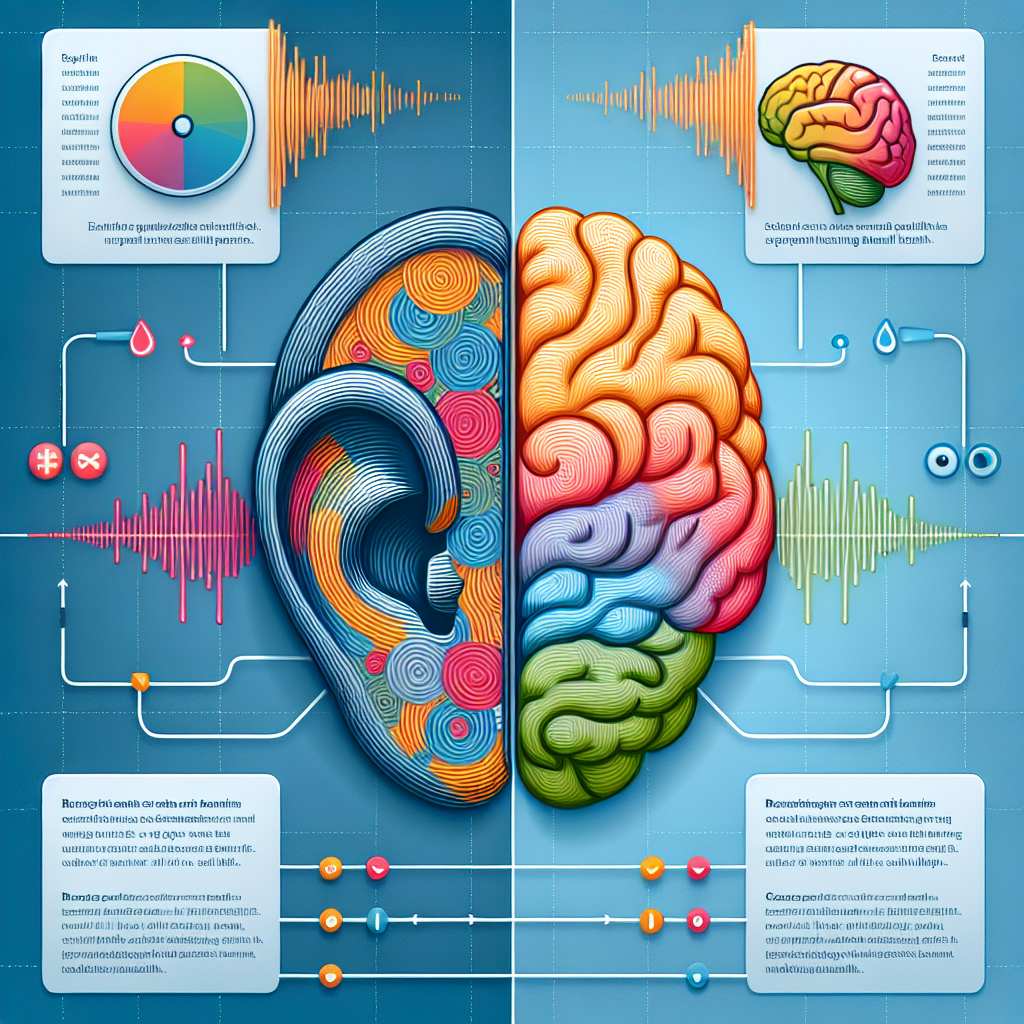
The Role of Technology
Technology can play a transformative role in enhancing the mental health of Deaf individuals. Video calling platforms and apps that support sign language interpretation can help bridge communication gaps in both personal and professional settings. Telehealth services specifically designed for Deaf individuals can make mental health support more accessible.
Wearable technology, such as smart hearing aids and devices that convert sound to visual or tactile signals, can also mitigate some of the challenges associated with hearing loss. These devices can offer real-time feedback and assistance, making daily interactions less stressful and more manageable.
Moreover, online platforms can serve as valuable resources for information and community support. Forums and social media groups dedicated to Deaf individuals can provide emotional support, practical advice, and a sense of community.
Policy and Advocacy
Effective advocacy is essential for creating policies that support the mental health of Deaf individuals. Advocacy efforts must focus on improving access to specialized mental health services, mandating the inclusion of sign language interpreters in healthcare settings, and funding research on the mental health needs of the Deaf community.
Legal frameworks should be strengthened to enforce compliance with these policies. For instance, ensuring that public service announcements and mental health resources are available in sign language can make a significant difference.
Moreover, it’s vital to involve Deaf individuals in the policymaking process. Their firsthand experiences and insights can guide the development of more effective and inclusive policies. Community organizations and advocacy groups play a crucial role in voicing these needs and pushing for systemic change.
Conclusion
Understanding the intersection between hearing loss and mental health is crucial for fostering a more inclusive society. The mental health challenges faced by Deaf individuals are multifaceted and require comprehensive strategies that address their unique needs.
By raising awareness, training specialized professionals, leveraging technology, and advocating for inclusive policies, we can create a supportive environment that enhances the mental health and overall wellbeing of Deaf individuals.
The journey towards recognizing and addressing these unique challenges is a collective one. It calls for the concerted efforts of individuals, communities, healthcare providers, and policymakers. Only through such a unified approach can we hope to break down the barriers that hinder the mental health and wellbeing of Deaf individuals.
In conclusion, fostering mental health awareness and providing tailored support systems for the Deaf community is not just a matter of necessity; it is a reflection of our commitment to inclusivity and equality. Let’s strive to create a world where Deaf individuals feel heard, understood, and supported.