

As the sunshine and warmth of summer arrive, the desire to engage in enjoyable and creative activities blooms. For families, educators, and community groups, planning summer activities is an inspired way to make the most of the season. However, ensuring these activities are inclusive and accessible for everyone, including Deaf and Hard of Hearing (DHH) individuals, requires thoughtful adaptation and creativity. Engaging in hands-on DIY crafts offers a fantastic avenue for all participants to express their creativity and enjoy the sunshine while also considering specific needs for accessibility.
Being inclusive is not only socially responsible but also essential in fostering an environment where everyone feels welcomed and appreciated. For DHH individuals, this means making small yet significant adjustments to everyday activities. Whether it’s through visual instructions, tactile sensations, or slight modifications to the usual crafting methods, accessible DIY crafts can enhance their experience, ensuring they can immerse in the joy of creating alongside peers. In this article, we will dive into the best ways to adapt various summer crafts, making them not only fun but also accessible for the DHH community.
Adapting Interactive Crafts
Interactive crafts are particularly enjoyable as they often involve multiple steps and elements that can captivate both young and mature minds alike. When adapting these crafts for DHH participants, it is crucial to contemplate sensory replacement where possible. Visual aids become incredibly vital here. If the regular game or activity involves instructions given verbally, translating these into colorful, easy-to-follow visual sequences can make a big difference.
Take, for instance, a popular summer project like making papier-mâché lanterns. Ordinarily, this craft may involve an instructor verbally guiding participants through the steps. Instead, create a visual storyboard with step-by-step instructions and corresponding images. Use brightly colored paper and markers to draw each phase, or even better, compile these steps into a large, easy-to-see poster. This way, DHH individuals can follow along at their own pace without feeling left out. Additionally, visual timers can be utilized for steps that require waiting, like drying time.
Tactile Crafting Adventures
Another effective adaptation is focusing on crafts that heavily involve tactile experiences. DHH individuals often have heightened sensitivity in other senses, making touch-based activities particularly effective. One wonderful craft for summer is clay modeling. The tactile nature of working with clay can provide a rich sensory experience, allowing creators to feel deeply engaged with their creation.
Organize a clay modeling workshop where participants can work on creating summer-themed objects like sunflowers, beach scenes, or even imaginative creatures. While guiding the workshop, facilitators can demonstrate techniques visually and encourage participants to explore the texture and form of clay. For added engagement, introduce various clay tools with different textures and shapes. This ensures that the craft is not only fun but also enables DHH individuals to fully participate by making the most of their tactile senses.
Using Technology for Inclusion
In today’s digital age, technology offers innovative solutions to make crafts more accessible. One highly effective tool is video-based instructions with captions and sign language interpretations. Platforms like YouTube have vast resources where creators upload craft tutorials, some of which are specifically tailored for DHH audiences.
If you are conducting a craft session, you can record a tutorial video in advance, ensuring you incorporate clear captions and a sign language interpreter. Alternatively, live video streaming can also be an interactive option. Incorporate live captioning, so participants can follow the instructional flow in real-time. Utilizing tablets or smartphones during craft sessions to replay steps can also help DHH individuals who might need to review a particular technique. These technological aids are invaluable in creating an inclusive and engaging crafting experience.
Bright and Bold Visual Elements
Visual stimulation plays a significant role in engaging DHH individuals, and the brightness and colors of summer provide an excellent backdrop for this. When planning DIY crafts, prioritize bright and bold visual elements. For example, a craft project that involves making summer-themed postcards or greeting cards can be initially daunting. However, by using vividly colored paper, markers, stickers, and decorative elements, you can elevate the visual appeal significantly.
Provide a variety of colorful materials such as washi tapes, glitter glue, and patterned paper. Creating a vibrant visual palette not only adds to the enjoyment but also aids in communication comprehension. Large images and diagrams can illustrate the desired outcome step-by-step, ensuring clarity and understanding. This approach will make the crafting process not just accessible, but also a visually delightful experience.
Group Crafts and Social Interaction
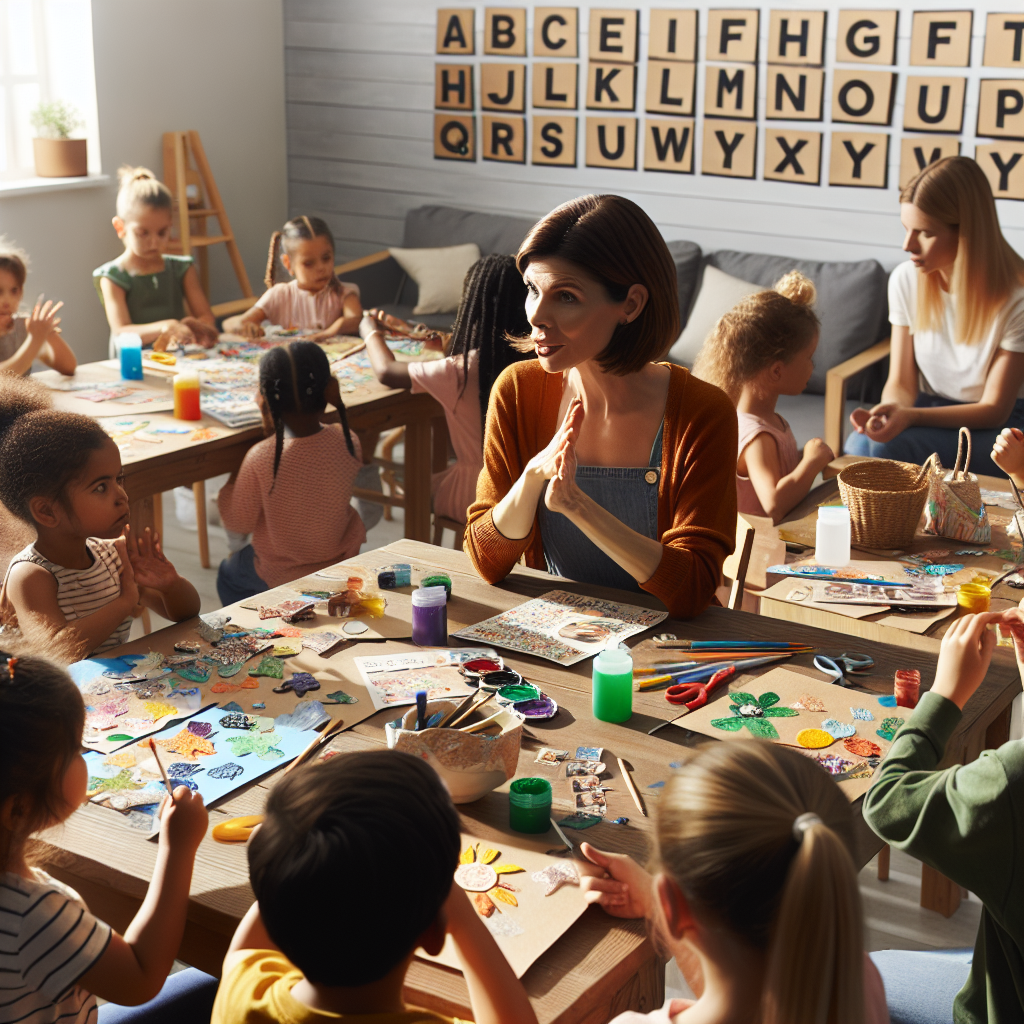
Social interaction is a pivotal aspect of crafting, providing opportunities for collaboration and shared happiness. For DHH individuals, group crafts need to incorporate strategies that facilitate seamless communication. One such approach is the “Round Table” crafting session. In this setup, participants sit in a circle, ensuring that everyone can see each other’s faces, which is essential for lip-reading and sign language communication.
Choose crafts that involve group efforts, such as creating a large summer mural. Each person can work on a section, and when pieced together, it forms a cohesive summer scene. Encourage using large gestures, facial expressions, and sign language-friendly communication. Assign specific roles or parts of the craft to each participant, leveraging strengths and interests. This way, everyone contributes and feels included, fostering a sense of community and shared achievement.
Conclusion
In conclusion, summer is a wonderful season to embark on DIY crafts, whether it’s at home, in schools, or community centers. Adapting these activities to be inclusive for Deaf and Hard of Hearing individuals not only respects their needs but enriches the experience for everyone involved. By incorporating visual aids, tactile elements, technology, bright visual cues, and encouraging social interaction, we can create a crafting environment that is accessible, engaging, and fun for all.
When planning these activities, always keep an open mind and be ready to adjust according to the preferences and feedback of participants. Engaging in dialogue with DHH individuals about how they best experience joy through crafting can provide invaluable insights. Remember, the goal is not merely to complete a craft, but to ensure that every individual, regardless of hearing ability, can enjoy the process, express their creativity, and bask in the shared connections forged through these activities.
Adopting these inclusive practices aids in building a more understanding and cohesive community. So, gather your crafting materials, assemble your group, and dive into a summer filled with bright, accessible, and joyful DIY projects. Let the creative festivities begin, as we craft a season not just of art, but of inclusion and shared happiness.