
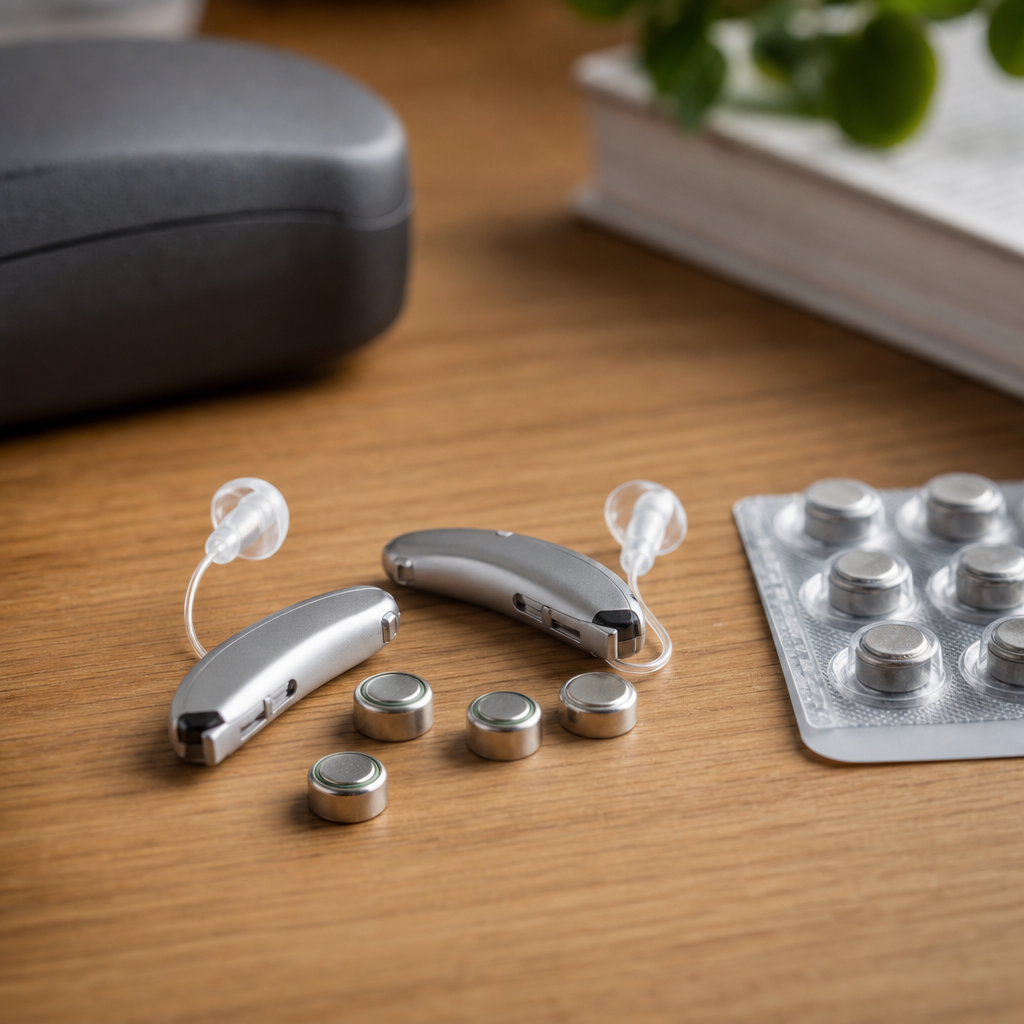
Choosing the right batteries for hearing aids affects far more than convenience. It influences daily speech clarity, confidence in social settings, maintenance routines, travel planning, and the long-term cost of using hearing technology. In clinics and product support work, I have seen many hearing aid problems blamed on device failure when the real issue was a weak cell, incorrect battery size, moisture damage, or poor storage habits. A solid understanding of hearing aid batteries prevents those avoidable interruptions and helps users get consistent performance from their devices.
Batteries for hearing aids fall into two broad categories: disposable zinc-air batteries and built-in rechargeable batteries, usually lithium-ion or silver-zinc depending on the manufacturer and model. A hearing aid battery is the power source that runs microphones, processors, wireless radios, directional features, tinnitus programs, and streaming functions. Battery life refers to how long a cell or charge lasts under normal use, while service life describes how many charging cycles or months of practical use a rechargeable system can deliver before noticeable decline. Battery size, drain level, chemistry, and environmental exposure all matter.
This topic matters because hearing aids are small computers worn in a demanding environment: warm skin, earwax, humidity, temperature swings, and frequent handling. Modern devices also consume more power than older analog aids because they process sound continuously and often connect to phones, televisions, and remote microphones. Users need clear guidance on battery types, sizes, expected runtime, safe handling, troubleshooting, storage, and replacement timing. This hub article covers the general essentials so readers can compare options confidently, avoid common mistakes, and navigate related subjects such as rechargeable hearing aids, battery safety, charger care, and travel preparation.
Understanding the main battery types used in hearing aids
Most hearing aids use either disposable zinc-air batteries or sealed rechargeable cells. Zinc-air batteries are activated when air enters through small holes after the protective tab is removed. Oxygen reacts with zinc inside the cell and begins producing electricity. This chemistry became standard in hearing aids because it offers high energy density in a compact format and stable voltage suited to precision electronics. The tradeoff is that once activated, the battery continues to discharge gradually even when the hearing aid is not being worn. That is why removing the tab starts the clock.
Rechargeable hearing aids rely primarily on lithium-ion batteries in current premium and midrange models from brands such as Phonak, Oticon, ReSound, Signia, Starkey, and Widex. Some earlier designs and a smaller number of specialty products used silver-zinc cells, which are also rechargeable but generally require more careful replacement planning. Rechargeable systems are attractive because they eliminate daily battery swapping, reduce ongoing purchases, and help users with arthritis, reduced vision, or dexterity limitations. In practice, they work best when charging habits are consistent and the user’s daily wear time fits the available runtime.
There is no universal best choice. Disposable batteries remain practical for users who travel frequently, spend long hours away from charging access, camp, work double shifts, or want to carry easy backups. Rechargeables are often the better fit for people who value convenience, use dexterity-sensitive devices, or prefer not to manage tiny tabs and battery doors. The decision should be based on hearing aid style, daily streaming time, physical handling ability, and whether the manufacturer supports a replaceable battery service after several years of use.
Battery sizes, color codes, and how to choose the correct one
Disposable hearing aid batteries come in four standard sizes: 10, 312, 13, and 675. These are identified by both number and color code, which reduces confusion at home and in stores. Size 10 is yellow and usually used in very small completely-in-canal devices. Size 312 is brown and common in receiver-in-canal hearing aids. Size 13 is orange and often found in larger behind-the-ear or in-the-ear models. Size 675 is blue and typically powers powerful behind-the-ear instruments, especially for severe to profound hearing loss.
The correct battery size is determined by the hearing aid design and power requirements, not by user preference. A size 312 cell cannot substitute for a size 13 even if it appears similar. Manufacturers design contacts, battery doors, and current draw around a specific format. If a user is unsure, the answer is simple: check the battery door marking, the hearing aid manual, the original battery packaging, or the clinic fitting record. I always recommend keeping a photo of the correct size on a phone for quick reference during travel or pharmacy visits.
| Battery Size | Color Code | Typical Hearing Aid Styles | Approximate Disposable Runtime |
|---|---|---|---|
| 10 | Yellow | Very small CIC and IIC models | 3 to 7 days |
| 312 | Brown | RIC and smaller BTE devices | 4 to 10 days |
| 13 | Orange | ITE and larger BTE devices | 6 to 14 days |
| 675 | Blue | Power BTE devices | 9 to 20 days |
These ranges vary because runtime depends on hearing loss level, output power, wireless use, environment classification features, and whether the hearing aid streams audio for hours each day. A user with moderate loss who wears RIC devices mainly for conversation may get a week or more from size 312 batteries. A user with severe loss, aggressive noise reduction, and heavy Bluetooth streaming may see meaningfully shorter life. Color coding is reliable, but the hearing aid manual remains the final authority.
How long hearing aid batteries last in real-world use
The question people ask most often is straightforward: how long do batteries for hearing aids last? The direct answer is that disposable batteries usually last between three and twenty days depending on size and power demand, while rechargeable hearing aids typically provide a full day of use per charge, often around sixteen to thirty hours under manufacturer test conditions. In real life, battery life changes with feature use. Streaming music, taking phone calls through the hearing aids, using tinnitus masking, and relying on constant environmental analysis all increase drain.
Manufacturers publish runtime estimates, but those numbers are usually based on controlled conditions. For example, a rechargeable hearing aid may be rated for twenty-four hours with limited streaming, yet a user who streams television audio each evening and takes several hands-free calls may need charging earlier. Likewise, zinc-air batteries are sensitive to storage age, tab activation timing, and humidity. I have seen users gain an extra day or more simply by allowing the battery to “breathe” for one to five minutes after removing the tab before inserting it, which helps activation stabilize.
Another practical point is that hearing aid batteries do not always fail suddenly. Users may notice softer startup chimes, intermittent Bluetooth disconnects, weak amplification, or a low-battery warning before shutdown. Many modern devices provide alerts through tones or smartphone apps, but some wearers still miss subtle signs and assume the hearing aid itself is malfunctioning. If sound quality seems inconsistent, replacing or recharging the battery is the first troubleshooting step. For related maintenance guidance, readers should also review a hearing aid cleaning guide and a charger care article within the wider hearing aids section.
Rechargeable versus disposable: benefits, limitations, and ideal users
Rechargeable hearing aid batteries offer the clearest benefit in everyday ease. Users place the hearing aids in a charger overnight and start the next day with a full charge. There is no need to handle tiny cells, peel tabs, or stock multiple packs. For older adults with neuropathy, tremor, arthritis, or low vision, this can be transformative. Rechargeables also reduce waste from frequent disposable battery use. In a busy clinic, I have watched patients move from repeated battery-door handling problems to a simple nightly charging habit that dramatically reduced support calls.
Disposable batteries still hold important advantages. They are easy to replace anywhere, require no wall outlet at the moment of need, and can be carried as compact backups in a wallet, bag, or travel case. For users in rural areas, on long-haul flights, or in places with unreliable electricity, disposables remain a practical solution. They are also useful for high-power hearing aids where guaranteed all-day runtime is essential. If a rechargeable system runs flat during a workday, the user may have no immediate recovery option unless the model supports fast charging or a portable power case.
The best choice often depends on lifestyle. Rechargeables suit predictable routines and users who return home nightly. Disposable systems suit irregular schedules, extended travel, and anyone who wants instant replacement. Cost comparisons should include not only battery purchases but also charger replacement, in-warranty service, and eventual rechargeable battery aging. After several years, a sealed rechargeable pack may hold less charge and require manufacturer service. That is not a reason to avoid rechargeables, but it is a real ownership factor that should be discussed before purchase.
Safe handling, storage, and maintenance best practices
Hearing aid batteries are small enough to create serious safety risks if swallowed by children, pets, or vulnerable adults. This is not a minor caution. Button batteries can cause severe internal burns quickly if lodged in the esophagus. Batteries should always be stored in original packaging, kept out of reach, and disposed of in secure containers. If ingestion is suspected, emergency medical care is required immediately. Safety guidance from pediatric and poison prevention organizations is clear on this point, and every household using hearing aid batteries should treat storage with the same seriousness as medication safety.
For routine handling, keep battery contacts clean and dry. Do not carry loose batteries in a pocket with coins or keys because metal can short-circuit them. Store disposable batteries at room temperature; refrigeration is outdated advice and can introduce condensation. For zinc-air cells, remove the tab only when ready to use the battery, then allow brief air activation before insertion. At night, open the hearing aid battery door if the device uses disposables. This reduces moisture buildup and can help preserve contacts. With rechargeables, place aids in the charger according to the manufacturer’s instructions rather than leaving them discharged for long periods.
Moisture is one of the most common causes of battery-related complaints. Sweat, humid climates, and ear canal condensation can corrode contacts and shorten performance. A hearing aid dehumidifier or drying cup is often worthwhile, especially for active users. Chargers also need care: clean the wells gently, ensure alignment pins remain unobstructed, and keep the charger on a stable, ventilated surface. If charging indicators become inconsistent, inspect for wax or debris before assuming electronic failure. Simple maintenance prevents many issues that users first interpret as battery defects.
Troubleshooting common battery problems and knowing when to replace
When a hearing aid stops working, battery diagnosis should follow a simple sequence. First, confirm the device is turned on and the battery or charge is fresh. Second, inspect the battery door or charging contacts for debris, corrosion, or bent components. Third, check whether wax blockage in the receiver or tubing is reducing sound and creating the illusion of power loss. Fourth, test with a new battery from a reliable package or place the rechargeable aid in a known working charger. This process isolates most everyday failures quickly.
Short battery life is often traced to one of five causes: old stock batteries, excessive streaming, moisture exposure, poor battery contact, or a hearing aid fault that increases current drain. If several batteries from the same pack die unusually fast, check the expiration date and vendor quality. If only one hearing aid drains faster than the other, the issue may be internal and should be evaluated professionally. For rechargeables, declining all-day performance after a few years usually indicates normal battery aging. Many manufacturers can replace the internal cell through service channels rather than requiring a whole new device.
Knowing when to replace hearing aid batteries is partly about timing and partly about planning. Do not wait for complete failure before carrying spares. Keep at least one unopened pack in reserve, especially before weekends, holidays, or travel. Replace disposable batteries as soon as low-battery alerts become consistent, not after repeated shutdowns during conversations. For rechargeable users, build charging into a nightly routine and confirm the charger light pattern each morning. If reliability has become unpredictable, schedule a hearing aid check. Stable power is the foundation of stable hearing performance, and treating batteries as a core maintenance item will save frustration, missed speech, and unnecessary service visits.
Batteries for hearing aids are easy to overlook until something goes wrong, yet they shape the entire hearing aid experience. The essentials are clear: know whether your device uses disposable zinc-air or rechargeable cells, confirm the exact battery size if it is disposable, understand that runtime changes with streaming and power demand, and follow strict safety and storage practices. Rechargeables deliver convenience and easier handling; disposables provide flexibility and instant backup power. Neither option is universally superior. The right choice depends on device style, daily routine, dexterity, travel habits, and tolerance for maintenance.
From years of working with hearing aid users, the most reliable outcome comes from simple habits done consistently. Buy batteries from reputable sources, check expiry dates, let zinc-air cells activate briefly, protect devices from moisture, clean chargers and contacts, and carry backups. If one hearing aid drains faster than the other or stops lasting through a normal day, do not assume that is normal aging without checking the device. Battery behavior is often the first sign that maintenance or service is needed.
Use this guide as your starting point for the wider hearing aids section, then explore related pages on rechargeable hearing aids, hearing aid cleaning, charger troubleshooting, and traveling with hearing aids. Better battery management means fewer interruptions, more dependable hearing, and greater confidence every day.
Frequently Asked Questions
What battery sizes do hearing aids use, and how do I know which one is right for my device?
Most disposable hearing aid batteries come in four standard sizes: 10, 312, 13, and 675. Each size is identified not only by number but also by a common color code used across many brands: yellow for size 10, brown for 312, orange for 13, and blue for 675. The correct size depends entirely on the hearing aid model you wear, and using the wrong size is not something to experiment with. A battery that does not match the device specifications will either not fit properly or will prevent the hearing aid from working as intended.
The easiest way to confirm the right battery is to check the hearing aid user manual, the packaging your provider gave you, or the label inside your battery drawer or storage case. If you use more than one hearing device in the household, it is especially important to keep sizes clearly separated, because the packaging can look similar at a glance. In practice, many performance complaints that seem like sound distortion or sudden shutdowns are simply caused by the wrong battery being inserted or an old battery being mixed into a new pack.
It is also worth noting that battery size often reflects the style and power demands of the hearing aid. Smaller devices commonly use size 10 or 312 batteries, while larger behind-the-ear models may use size 13 or 675. More advanced features such as wireless streaming, strong amplification, and frequent program changes can increase power use, so your provider may recommend a certain style of hearing aid partly based on battery demands. If you are ever unsure, ask your audiologist or hearing care provider before buying replacements, because choosing the right battery size is one of the simplest ways to avoid unnecessary troubleshooting and ensure consistent speech clarity.
How long do hearing aid batteries usually last, and what affects battery life?
Hearing aid battery life varies based on battery size, hearing aid style, daily wearing time, and the features you use. In general, size 10 batteries tend to last the shortest time, often a few days, while sizes 312, 13, and 675 may last longer depending on the device. However, there is no single number that applies to everyone. Two people using the same hearing aid model can get different battery life simply because one streams audio often, spends long days in noisy environments, or uses stronger amplification settings.
Modern hearing aids do more than amplify sound. Many models connect to phones, stream calls or media, adjust automatically between listening environments, and run background processing features that improve speech understanding. All of this can draw additional power. If you notice batteries draining faster than expected, it does not always mean something is wrong with the device. It may reflect a change in how the hearing aid is being used. Long workdays, frequent Bluetooth use, and heavy listening demands can shorten battery life noticeably.
Environmental factors matter too. Moisture, heat, and improper storage can reduce battery performance before the battery is even used. Keeping batteries in a humid bathroom, leaving them in a hot car, or handling them with wet hands can all affect reliability. A smart habit is to track roughly how many days a fresh battery lasts under normal use. If that pattern changes suddenly, it can help you tell the difference between ordinary battery drain and a possible maintenance issue. Consistent monitoring makes travel planning easier, reduces surprise shutdowns, and helps you keep enough batteries on hand without overbuying.
Why do hearing aid batteries sometimes seem dead too soon, and how can I make them last longer?
When batteries seem to die too quickly, the cause is often practical rather than mysterious. Common reasons include expired batteries, poor storage, moisture exposure, leaving the hearing aid on when not in use, or removing the battery tab and inserting the battery too quickly. Most disposable hearing aid batteries are zinc-air batteries, which begin activating once the protective tab is removed. After removing the tab, it is generally helpful to let the battery sit for about one to two minutes before placing it into the hearing aid. This allows full air activation and can improve performance consistency.
Storage habits make a real difference. Batteries should be kept at room temperature in a dry place, away from direct sunlight and away from coins, keys, or other metal objects that could cause contact problems. Refrigeration is usually unnecessary and can create condensation issues when batteries are brought back to room temperature. It is also a good idea to keep the original packaging until use, because loose batteries can be harder to identify and easier to damage or confuse with old ones.
To extend battery life, open the battery door at night so the hearing aid powers down fully and any trapped moisture can evaporate. If you live in a humid climate or perspire heavily, ask about a hearing aid dehumidifier or drying container. Clean battery contacts gently and routinely, because debris in the battery compartment can interfere with performance and mimic battery failure. Most importantly, rotate your stock so older packs are used first, and always check expiration dates when purchasing. Small maintenance habits like these can prevent the frustrating situation where a hearing aid appears unreliable when the true issue is battery handling.
Are rechargeable hearing aid batteries better than disposable ones?
Rechargeable hearing aids are an excellent option for many people, but they are not automatically better in every situation. The main advantage is convenience. Instead of changing small batteries regularly, you place the hearing aids in a charger, usually overnight, and start the next day with a full charge. This can be especially helpful for people with reduced finger dexterity, arthritis, vision challenges, or anyone who simply prefers a lower-maintenance routine. Rechargeable systems can also reduce the need to store and carry spare disposable batteries, which many users appreciate.
That said, disposable batteries still have strengths. They can be practical for travelers, people who spend long hours away from charging access, or users who want the reassurance of carrying quick replacements. If a rechargeable hearing aid runs out of power during the day, you may need access to the charger or a power source, whereas with disposable batteries you can usually solve the problem immediately by inserting a fresh cell. For some users, especially those with demanding daily schedules, that flexibility remains valuable.
The best choice depends on lifestyle, device compatibility, and personal preference. Rechargeable systems may offer long-term convenience and less day-to-day handling, but they also require consistent charging habits and eventual battery service as the internal battery ages. Disposable battery models may involve more routine maintenance, yet they can be simple to manage if you are organized and prefer easy battery replacement anywhere. A hearing care provider can help weigh factors such as streaming use, daily wearing time, travel patterns, and hand dexterity. In real-world use, the right battery system is the one that supports clear hearing with the least stress in your daily routine.
What are the best storage, safety, and travel tips for hearing aid batteries?
Good battery storage starts with keeping batteries in their original packaging in a cool, dry place at normal room temperature. Avoid bathrooms, window sills, glove compartments, and other locations exposed to humidity or heat. Do not carry loose batteries in a pocket or bag where they can contact metal objects. If battery contacts are shorted by keys or coins, the batteries may drain or become unsafe. It is also wise to separate new batteries from used ones so you do not accidentally insert a weak cell when you need reliable performance.
Safety is especially important in homes with children, pets, or vulnerable adults. Hearing aid batteries are very small and can be dangerous if swallowed. Store them well out of reach and dispose of used batteries promptly in accordance with local guidance. If ingestion is suspected, seek emergency medical help immediately. This is one area where prevention matters enormously, because the small size of hearing aid batteries makes them easy to overlook.
For travel, pack more batteries than you think you will need, especially if you rely on your hearing aids for navigation, conversation, and safety announcements. Keep spare batteries in carry-on luggage rather than checked bags so they remain accessible. If you use rechargeable hearing aids, bring the charger, appropriate adapters, and a backup power plan if you will be away from outlets for long periods. It can also help to pack a small cleaning kit and drying container, since moisture and debris often create problems that people mistakenly blame on battery failure. Thoughtful planning protects hearing performance, reduces stress during trips, and helps ensure your devices work consistently when you need them most.