
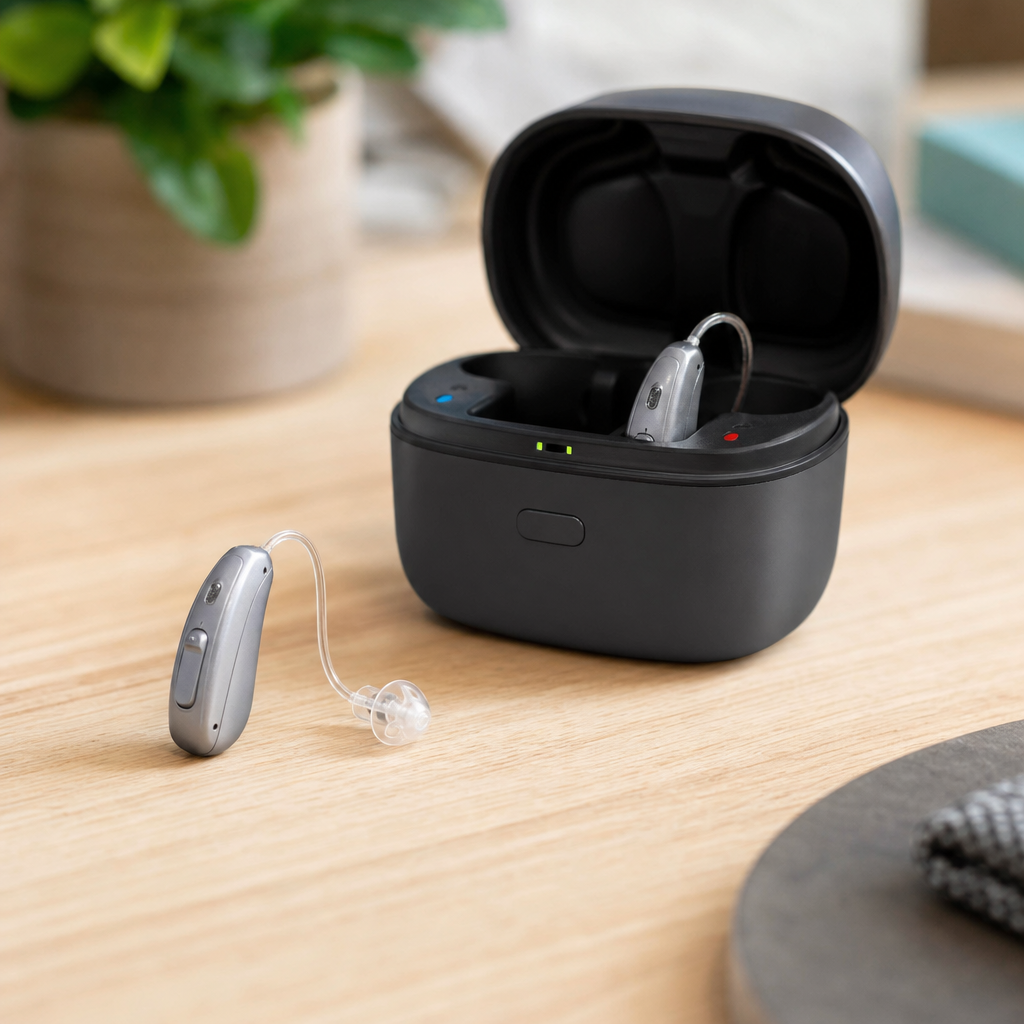
Horizon ix hearing aids are a modern hearing aid family designed to improve speech understanding, reduce listening effort, and support all-day hearing in complex real-world environments. For anyone researching hearing aids, this guide explains what Horizon ix hearing aids are, who they are for, how the technology works, what features matter most, and how to evaluate whether they fit your needs. As a hub article under the broader hearing aids category, it covers the general fundamentals first, then points readers toward the questions they should ask before comparing styles, batteries, connectivity, accessories, and professional care.
In clinical practice, the biggest mistake I see is treating a hearing aid like a generic gadget. A hearing aid is a medical device that must match a person’s hearing loss, ear anatomy, dexterity, listening environments, and goals. Horizon ix hearing aids sit in the premium conversation because they are built around adaptive speech processing, directional microphones, rechargeable options, smartphone connectivity, and fitting software used by hearing care professionals. That combination matters because successful hearing treatment depends less on one headline feature and more on how the system performs across quiet rooms, restaurants, meetings, cars, wind, television, phone calls, and group conversations.
The term hearing aid refers to the full signal chain: microphones capture sound, a processor analyzes it, amplification is tailored to a hearing test, and a receiver delivers sound into the ear. Good devices do more than make sound louder. They aim to make speech clearer, control sudden noise, preserve comfort, and support spatial awareness. The “ix” naming generally signals a newer platform generation with improved processing speed, environmental classification, and personalization features. For buyers, that translates into practical concerns: Will voices sound natural? Will background noise feel less overwhelming? Will the devices connect reliably to a phone? How long will the batteries last? And will support be available after purchase?
Those questions matter because untreated hearing loss is linked with social withdrawal, higher listening fatigue, poorer communication at work, and lower quality of life. The World Health Organization has repeatedly highlighted hearing loss as a major global health issue, and in routine fittings I have seen the difference proper amplification makes within days. People report less strain, better confidence in conversation, and fewer misunderstandings with family. Horizon ix hearing aids belong in that discussion because they are intended to address not just audibility, but day-to-day communication performance. The rest of this guide breaks down the core topics every buyer should understand before moving deeper into specific models and accessories.
What Horizon ix hearing aids are and how they work
Horizon ix hearing aids are digital hearing aids programmed to a wearer’s audiogram and listening needs. At a basic level, they use multiple microphones to pick up sound, convert it into a digital signal, separate speech from noise, apply gain by frequency, and output a processed signal through a speaker or receiver. The value is in the details. Better platforms classify the environment many times per second, adjust microphone directionality, manage impulse sounds such as clattering dishes, and compress amplification so speech remains audible without becoming uncomfortably loud.
In fitting appointments, patients often ask whether advanced devices “remove” background noise. The honest answer is no hearing aid can erase noise the way marketing sometimes implies. What good technology can do is improve the signal-to-noise ratio, emphasize speech cues, and reduce the burden of listening. Horizon ix hearing aids are generally discussed in that premium context. They are designed for people who want help in challenging settings like restaurants, family gatherings, worship spaces, open-plan offices, and moving vehicles, not only in quiet conversation at home.
Most modern fittings also rely on verification. Hearing care professionals commonly use real-ear measurement, a best-practice procedure supported by organizations such as the American Academy of Audiology. This test places a tiny probe microphone in the ear canal to confirm that the hearing aid output matches prescriptive targets like NAL-NL2 or DSL. If you are considering Horizon ix hearing aids, ask whether your provider verifies the fitting instead of relying only on software defaults. That single step often determines whether premium technology actually delivers premium outcomes.
Key features that usually matter most to buyers
Shoppers are often overwhelmed by feature lists, so it helps to focus on the functions that affect daily performance. Speech enhancement is first. If a hearing aid cannot improve speech access, its other features matter less. Directional microphones are second because they help prioritize the person speaking in front of you. Feedback management is third, especially for open fits and higher amplification levels. Connectivity, rechargeability, tinnitus support, telecoil availability, moisture resistance, and app control are also important, but their value depends on lifestyle.
Horizon ix hearing aids are typically evaluated against other premium devices on five practical dimensions: sound quality, noise performance, phone streaming, comfort, and ease of adjustment. In my experience, users judge sound quality within the first week, but they judge long-term satisfaction by how little they need to think about the devices after the first month. Reliable automatic programs, stable Bluetooth connections, and chargers that fit into a routine matter more than flashy claims. The best hearing aid is the one a person wears all day because it sounds acceptable, feels comfortable, and helps enough to justify the habit.
| Feature area | Why it matters | What to ask your provider |
|---|---|---|
| Speech processing | Improves understanding in conversation, especially in noise | How does this platform handle restaurants and group talk? |
| Directional microphones | Helps focus on the speaker you want to hear | Are microphone modes automatic, and can they be adjusted? |
| Rechargeability | Reduces battery handling and daily maintenance | What is the real battery life with streaming? |
| Bluetooth connectivity | Supports calls, media, and app control | Which phones are fully compatible? |
| Fitting and verification | Determines whether amplification matches your prescription | Do you use real-ear measurement at the fitting? |
| Service plan | Affects adjustments, repairs, and long-term value | What follow-up care is included in the price? |
That framework helps separate meaningful benefits from generic marketing. When buyers compare Horizon ix hearing aids, they should evaluate the complete ownership experience rather than just a feature sheet. A hearing aid purchased with thorough counseling, verification, and scheduled follow-up usually outperforms an equally capable device fitted poorly.
Styles, fit options, and everyday usability
Horizon ix hearing aids may be available in several physical styles, most commonly receiver-in-canal and behind-the-ear formats. Receiver-in-canal designs are popular because they balance cosmetic appeal, comfort, acoustic flexibility, and connectivity. They can fit many mild to severe hearing losses depending on receiver strength and dome or custom mold choice. Behind-the-ear designs are often preferred for greater power, durability, easier handling, and compatibility with pediatric or complex adult fittings. If custom in-ear versions are offered, they may appeal to users seeking a more discreet fit, but canal size, earwax, manual dexterity, and Bluetooth limitations can affect suitability.
Fit matters as much as style. Open domes can make a hearing aid feel more natural for mild to moderate high-frequency loss because low-frequency sounds enter the ear normally. The tradeoff is less acoustic control and sometimes less benefit in noisy places. Closed domes or earmolds provide better retention, stronger low-frequency amplification, and improved feedback control, but they can create an occlusion sensation if not chosen carefully. I usually tell patients to expect a short adjustment period, not instant perfection. The goal is stable, comfortable wear from breakfast through evening, including glasses, masks, phone use, and exercise.
Usability extends beyond the ear. Buttons, tap controls, chargers, retention locks, wax guards, and app interfaces all influence adoption. People with arthritis often do better with rechargeable devices and simple controls. Frequent travelers may need a compact charger or a backup power solution. Anyone with active lifestyles should ask about ingress protection ratings, sweat exposure, and drying routines. Small practical details decide whether a device stays in a drawer or becomes part of daily life.
Performance in noise, streaming, and special listening situations
The hardest listening environments are not quiet living rooms; they are places with competing speech, reverberation, and distance. Restaurants combine all three. Horizon ix hearing aids are relevant here because premium platforms are expected to classify scenes accurately and adapt microphone behavior in real time. That does not guarantee perfect hearing in noise, but it can materially improve communication. In real counseling sessions, I set realistic expectations: hearing aids help most when the speaker is relatively near, the room is not extremely reverberant, and the wearer can use visual cues. They help less when someone speaks from far away across a crowded room.
Streaming is another major decision point. Many users now judge hearing aids by phone call quality, video meeting clarity, and TV listening. Bluetooth Low Energy and newer audio standards have improved power efficiency and reliability, but compatibility still varies by phone model and operating system. Before choosing Horizon ix hearing aids, confirm whether they support hands-free calling, direct media streaming, and app-based remote adjustments on your specific device. I always test this before finalizing a recommendation because “compatible” on paper can still feel clumsy in daily use if call routing or pairing is inconsistent.
Special listening situations deserve attention too. Musicians may need less aggressive noise management and wider input dynamic range. Tinnitus patients often benefit from integrated sound therapy programs, though those should complement, not replace, a broader tinnitus management plan. People who attend lectures, worship services, or theaters may benefit from telecoil support or remote microphone accessories that improve distance listening. If Horizon ix hearing aids are part of your shortlist, ask which accessories are available and how they integrate with the hearing aid microphones rather than assuming the base device alone will solve every situation.
Buying considerations, follow-up care, and long-term value
Price matters, but value matters more. Premium hearing aids usually cost more because they include advanced processing, rechargeable systems, app ecosystems, and professional service. Yet the device itself is only one part of the cost. A proper hearing aid package should include diagnostic testing, fitting, verification, orientation, follow-up adjustments, warranty terms, and a trial period consistent with local regulations. I advise buyers to compare bundled care plans carefully. One clinic may quote a lower initial number while charging separately for visits, repairs, or replacement receivers later.
Horizon ix hearing aids should be evaluated over several weeks, not in a single office demonstration. Early impressions can be misleading because the brain is adapting to sounds it has not heard clearly for years. Most people need fine-tuning after wearing the devices in their actual environments. Keep notes on specific problems: “voices in the car are still unclear,” “my own voice sounds hollow,” or “streaming is too soft compared with environmental sound.” Specific observations allow precise programming changes. Vague complaints like “it sounds weird” are common at first but much harder to solve.
Maintenance is straightforward but essential. Clean microphones and domes regularly, replace wax guards when needed, charge nightly if rechargeable, and use a drying kit in humid climates. Schedule periodic hearing checks because hearing loss can change, and programming should change with it. Also remember that even excellent hearing aids do not restore normal hearing. Communication strategies still matter: face the speaker, reduce competing noise when possible, and use captions or assistive devices for high-demand listening. The best outcomes come from combining strong technology with realistic expectations and professional support.
Horizon ix hearing aids are worth serious consideration for people who want a current, full-featured hearing solution backed by professional fitting and follow-up care. The most important takeaway is simple: success depends on matching the device to the person, not choosing a brand name in isolation. Sound processing, directionality, comfort, rechargeability, streaming, and accessories all matter, but they matter only when the hearing aid is programmed well and worn consistently in real life.
As a general hub article, this guide has covered the foundation: what Horizon ix hearing aids are, how they work, which features deserve attention, how styles and fit affect comfort, what to expect in noisy places, and why service quality shapes long-term satisfaction. If you remember one rule, make it this one: insist on a comprehensive hearing evaluation and a verified fitting. Those steps turn a promising product into an effective treatment.
If Horizon ix hearing aids are on your shortlist, book a consultation with a qualified audiologist or hearing instrument specialist, bring your phone, describe your toughest listening environments, and ask direct questions about verification, trial terms, and ongoing support. That process will tell you far more than a brochure ever can, and it is the fastest path to better hearing with confidence.
Frequently Asked Questions
What are Horizon ix hearing aids, and what makes them different from other hearing aids?
Horizon ix hearing aids are part of a newer generation of hearing technology built to help people hear more clearly in the kinds of environments that often cause the most frustration, such as restaurants, family gatherings, meetings, worship services, and other places with competing voices and background noise. Rather than simply making all sounds louder, this hearing aid family is designed to improve speech understanding, lower the mental effort required to follow conversations, and support more natural hearing throughout a full day of use.
What makes Horizon ix stand out is the emphasis on real-world listening performance. Many people with hearing loss can hear that sound is present but still struggle to understand words, especially when more than one person is talking or when speech and noise are mixed together. Horizon ix hearing aids are intended to address that problem by using advanced processing to identify speech, manage noise, and adapt as listening conditions change. The goal is not just amplification, but clearer communication and less fatigue.
Another important difference is the overall user experience. Modern hearing aids like Horizon ix often focus on comfort, consistent sound quality, and ease of use across different environments instead of requiring the wearer to constantly adjust settings. That matters because hearing needs do not stay the same from one moment to the next. A device that can respond intelligently in dynamic settings may help wearers stay more engaged and less exhausted by listening. For many people researching hearing aids, Horizon ix represents a category of technology aimed at making hearing feel more effortless, not merely louder.
Who are Horizon ix hearing aids best suited for?
Horizon ix hearing aids are generally best suited for adults who want better speech clarity in everyday life, particularly in challenging environments where traditional amplification alone may not be enough. They may be a strong option for people who notice that they can hear sound but miss words, frequently ask others to repeat themselves, or feel drained after social situations because listening takes so much concentration. These are common signs that the quality of hearing support matters just as much as volume.
They can also be a good fit for people with active lifestyles who move through many listening environments during the day. Someone may start the morning in a quiet home, spend the afternoon in a workplace or store, and end the day at a busy dinner table. Hearing aids designed to adapt across these settings can be especially valuable for wearers who do not want to constantly manage manual adjustments. People who prioritize all-day use, comfort, and support in complex sound environments may find this type of hearing aid family appealing.
That said, the best candidate is not determined by marketing claims alone. A proper hearing evaluation is essential. An audiologist or hearing care professional can assess the type and degree of hearing loss, speech understanding ability, lifestyle demands, dexterity, and personal preferences. They can also determine whether Horizon ix is appropriate for mild, moderate, or more significant hearing loss and whether the available styles and features match the person’s needs. In short, Horizon ix may be well suited for many adults, but the right fit always depends on both hearing test results and real-world listening goals.
How does the technology in Horizon ix hearing aids work to improve speech understanding?
At a high level, Horizon ix hearing aids work by capturing sound through microphones, processing that sound digitally, and then delivering a customized signal to the ear based on the wearer’s hearing profile. The advanced part comes from how the system analyzes the listening environment and prioritizes useful sounds, especially speech. In everyday situations, the ears and brain are constantly trying to separate voices from background noise. Hearing loss can make that process much harder, and modern hearing aid technology is designed to provide support where natural hearing is no longer doing the job efficiently.
To improve speech understanding, hearing aids in this category typically use a combination of directional microphone technology, noise management, and rapid environmental analysis. Directional processing helps emphasize speech coming from a particular area, often in front of the listener, while reducing the impact of surrounding noise. Noise reduction features can soften steady or distracting background sounds so speech is easier to follow. At the same time, the hearing aid adjusts gain and sound shaping across frequencies so that soft speech cues become more audible without making loud sounds uncomfortably intense.
Another major factor is how the technology responds in complex, changing environments. Real conversations do not happen in a lab. People turn their heads, multiple speakers take turns, and background sound rises and falls. Horizon ix hearing aids are designed with the idea that listening is dynamic. Their processing aims to preserve access to speech while reducing the strain that often comes from trying to decode incomplete or masked speech signals. The result, when properly fitted, can be better conversational understanding, improved awareness of important sounds, and less listening fatigue over time.
What features should you pay closest attention to when evaluating Horizon ix hearing aids?
When evaluating Horizon ix hearing aids, the most important features are the ones that directly affect your day-to-day communication, not just the longest list of technical terms. Speech-in-noise performance should be near the top of the list because this is where many people struggle most. Ask how the hearing aids are designed to help in restaurants, group conversations, and noisy public places. If a hearing aid performs well only in quiet rooms, it may not meet the needs of someone with a busy lifestyle.
You should also pay close attention to listening comfort and all-day usability. A hearing aid can have advanced technology, but if it sounds harsh, feels uncomfortable, or drains your energy by late afternoon, it may not be the right choice. Features related to automatic environmental adjustment, feedback management, sound quality, and wearing comfort all matter. Rechargeability may also be important for people who want a simpler routine, while connectivity features can be useful for streaming calls, media, and other audio from phones or compatible devices.
Another key consideration is personalization. Even excellent hearing aid technology depends heavily on proper fitting and follow-up care. Ask whether the devices can be finely tuned to your hearing test results, listening preferences, and common environments. Consider app controls, program flexibility, remote support options, and the range of available styles. Finally, look beyond the device itself to the hearing care process: professional assessment, verification, adjustment visits, and long-term support often make the biggest difference in satisfaction. The best Horizon ix feature set is the one that aligns with your hearing needs, daily routines, and comfort with technology.
How can you tell if Horizon ix hearing aids are the right choice for your needs?
The best way to tell whether Horizon ix hearing aids are right for you is to compare what the technology is designed to do with the specific hearing challenges you face every day. Start by thinking beyond the general idea of “hearing better” and identify the situations that matter most. Do you struggle most in one-on-one conversations, in group settings, at work, in the car, on the phone, or in noisy social spaces? If your biggest problem is understanding speech in complex environments and reducing the effort required to listen, Horizon ix may be worth serious consideration.
Next, combine that self-assessment with a professional hearing evaluation. A hearing care provider can measure your hearing levels, assess speech understanding, review your communication goals, and explain what kind of improvement is realistic. This matters because no hearing aid restores normal hearing in every situation. The right expectation is meaningful improvement, not perfection. During a consultation, ask how Horizon ix is expected to perform for your type of hearing loss, whether a trial period is available, and how the provider will adjust the devices if the initial settings need refinement.
It is also helpful to evaluate practical fit. Consider your budget, preference for rechargeable versus disposable batteries, comfort with smartphone features, cosmetic priorities, and willingness to attend follow-up appointments. The right hearing aid is not just the most advanced one on paper; it is the one you will wear consistently and benefit from in real life. If Horizon ix matches your hearing profile, supports your most important listening situations, and comes with strong professional fitting and aftercare, it may be an excellent choice. A well-informed decision usually comes from looking at performance, lifestyle compatibility, and provider support together.