
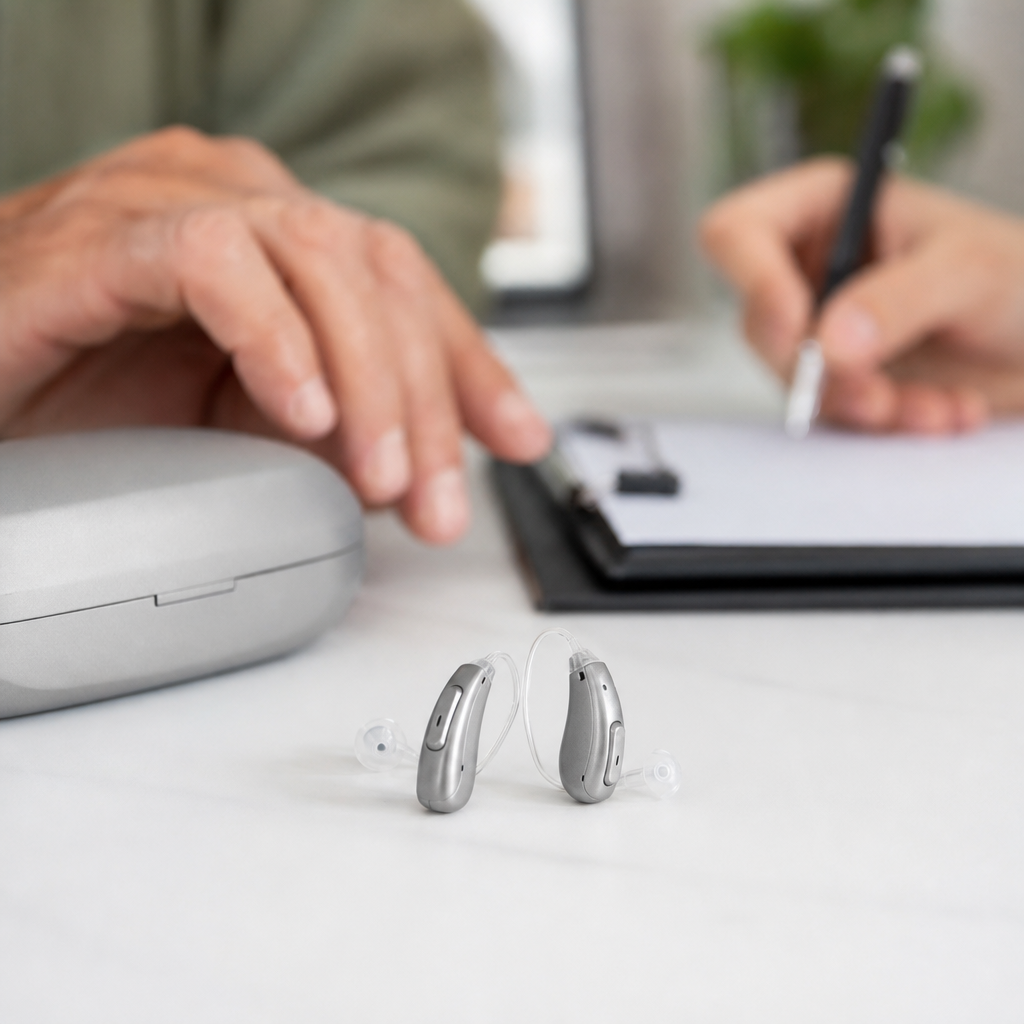
Phonak hearing aids prices vary widely because the brand sells multiple technology tiers, form factors, and feature packages, and the total amount you pay often depends as much on the provider’s service bundle as on the device itself. For anyone researching hearing aids, that variability can feel confusing at first, especially when one clinic quotes a few thousand dollars and another presents a very different number for what appears to be a similar product. After years of reviewing hearing aid pricing with patients and comparing quotes from private practices, big-box retailers, and online sellers, I have found that the smartest buying decisions come from understanding what is included, what is optional, and what truly affects day-to-day hearing performance.
Phonak is one of the best-known prescription hearing aid manufacturers in the world. The company, part of Sonova, offers devices for mild through profound hearing loss and is especially recognized for strong speech processing, universal Bluetooth connectivity on many models, and specialized solutions such as CROS systems for single-sided deafness. When people search for Phonak hearing aids prices, they usually want more than a list of numbers. They want to know how much different styles cost, why one tier costs more than another, whether insurance helps, and how to compare value across providers.
That broader context matters because hearing aids are not commodity electronics. A hearing aid purchase often includes professional hearing testing, fitting, earmolds, programming, follow-up care, real-ear measurements, warranty support, and future adjustments. Two identical Phonak devices can carry different price tags because the service model differs. In practice, the sticker price is only one part of the financial decision. The better question is often: what am I getting for that price, and will this level of technology and support match my hearing loss, lifestyle, and communication needs?
This hub article explains the general pricing landscape for Phonak hearing aids, the main product categories that influence cost, and the practical steps that help buyers avoid overpaying while still getting an appropriate fitting. It also clarifies key terms such as bundled pricing, receiver-in-canal, custom in-the-ear, rechargeability, and trial period, so you can move from vague research to an informed shortlist. If you are comparing brands within the broader hearing aids category, this page gives you the framework to understand where Phonak fits and what you should ask before you buy.
Typical Phonak hearing aids price ranges
In the current market, Phonak hearing aids prices commonly fall between about $1,000 and $4,000 per ear, though exact numbers depend on model, technology level, geography, and provider package. Entry-level or older-generation devices sold through discount channels can land near the lower end. Premium rechargeable prescription devices purchased through a full-service audiology clinic often sit near the upper end. A pair can therefore range from roughly $2,000 to $8,000 or more when professional care is included.
Those ranges are realistic because Phonak sells several product families, including receiver-in-canal devices such as Audéo, behind-the-ear options such as Naída and Sky, and custom products such as Virto. Within each family, the company usually offers multiple technology tiers. Higher tiers add more sophisticated automatic environmental classification, stronger noise reduction, and more advanced directionality for speech in noise. In plain terms, higher-priced devices tend to do better in restaurants, cars, group conversations, and other complex listening environments, while lower-priced devices may still work well in quieter settings.
Price quotes also reflect whether you are buying a current platform or a previous-generation model. Clinics sometimes discount older inventory, and that can be a sensible value option for buyers who do not need the newest processing features. I have seen patients save meaningfully this way without sacrificing core amplification quality. The tradeoff is that newer models may offer improvements in rechargeability, water resistance, Bluetooth stability, app control, and firmware support. Lower cost is attractive, but long-term compatibility and service life should still be part of the decision.
What affects the cost of Phonak hearing aids
The biggest pricing driver is technology tier. Phonak’s premium-level devices are designed for people who spend a lot of time in challenging listening situations, while essential tiers focus on basic amplification and simpler automatic adjustments. If your routine includes business meetings, family gatherings, restaurants, worship services, travel, and frequent phone use, the premium may be justified. If your listening demands are limited and your hearing loss is straightforward, a mid-level or entry tier may deliver better value.
Form factor matters too. Receiver-in-canal models are often popular because they balance cosmetic appeal, power, comfort, and feature access. Custom in-ear devices can cost more due to individualized shell manufacturing and may have battery, microphone, or wireless limitations depending on size. Power devices for severe to profound hearing loss may also be priced differently because they require specialized receivers, earmolds, and fitting expertise. Rechargeable models can add cost up front, but many users prefer them because they remove the recurring hassle of disposable batteries.
The provider’s service package is another major factor. Some clinics use bundled pricing, meaning the quote includes the hearing test, fitting, verification, follow-up visits, cleanings, and warranty handling. Others unbundle services and charge separately. Neither approach is inherently better, but buyers need clarity. A cheaper quote can become more expensive if every adjustment visit is billed later. Conversely, an all-inclusive package may be poor value if you expect to move soon or need minimal support. Always ask exactly what care is included for one year, two years, and beyond.
| Cost factor | How it changes price | Why it matters in real use |
|---|---|---|
| Technology tier | Higher tiers cost more | Better speech understanding in noise and more automation |
| Style | Custom and power options may cost more | Affects comfort, visibility, battery size, and amplification range |
| Rechargeability | Often raises upfront cost | More convenience, fewer battery changes, daily charging required |
| Service bundle | Included care can raise initial quote | Reduces surprise charges for fittings, checks, and adjustments |
| Generation | Older models are often discounted | Lower cost, but sometimes fewer modern features or shorter support window |
Phonak product families and how pricing differs
Audéo is typically the most visible family in consumer research because it covers popular receiver-in-canal devices for mild to severe hearing loss. These models often include Bluetooth streaming to phones and other electronics, app-based controls, and rechargeable options. Because Audéo fits a wide range of users, prices span from midrange to premium depending on the performance tier. For many adults with age-related hearing loss, this is the line most often quoted first by providers.
Naída is Phonak’s power-focused line for people with more significant hearing loss. These devices prioritize output, durability, and compatibility with earmolds or high-power receivers. Pricing can be high because fittings are more specialized and because severe hearing loss leaves less room for compromise. In real-world fittings, I have seen Naída make a substantial difference for patients who were under-amplified in smaller devices. The lesson is simple: the best price is not the lowest number; it is the device that meets audibility targets reliably.
Virto covers custom in-ear products, which appeal to people who want a smaller profile or a device shaped specifically to the ear. Prices depend on size, wireless features, and power requirements. Smaller custom devices may sacrifice battery life or full wireless connectivity. Larger customs can fit more features but are less discreet. Phonak also offers CROS and BiCROS solutions for single-sided hearing challenges, and those systems involve transmitter and receiver components, so pricing should be evaluated as a paired solution rather than a single aid.
What is usually included in the purchase price
Many buyers assume they are paying only for the hardware, but in conventional hearing care that is rarely true. A full-service Phonak hearing aid purchase often includes a diagnostic hearing evaluation, consultation, device selection, initial programming, verification with real-ear measurement, orientation, follow-up adjustments, cleaning checks, and a manufacturer warranty. Real-ear measurement deserves special attention because it is the clinical best practice for confirming that amplification matches prescription targets such as NAL-NL2. Without verification, even expensive hearing aids may be poorly fitted.
Warranty terms vary, but many prescription devices include repair coverage and one-time loss-and-damage replacement for a defined period, often one to three years depending on the provider and model. Some clinics include loaner devices during repairs. Others charge separately for extended warranty coverage, replacement chargers, custom earmolds, or accessory microphones. This is where comparing quotes line by line matters. A higher quote that includes verification, cleanings, and future visits can be more economical than a lower quote that excludes essential care.
Trial periods are also important. In the United States, return policies vary by state and provider, and there is often a nonrefundable professional fee even if the devices are returned. That fee compensates the clinic for testing and fitting time. Buyers should not interpret it as a red flag; they should simply understand it in advance. Ask how long the trial lasts, what return charges apply, and whether exchanges into a different Phonak tier are allowed if your first choice does not meet expectations.
Insurance, financing, and ways to lower the total cost
Insurance coverage for Phonak hearing aids prices is inconsistent. Traditional Medicare generally does not cover hearing aids, though some Medicare Advantage plans offer allowances through contracted networks. Employer insurance, union plans, Medicaid in some states, Veterans Affairs eligibility, and nonprofit assistance programs can all change the out-of-pocket number. Because benefits are often routed through third-party hearing networks, the exact Phonak models available and the included service terms may differ from what an independent clinic offers directly.
Health savings accounts and flexible spending accounts are commonly used for hearing aid purchases, which can reduce the effective cost through pre-tax dollars. Financing is also widely available. Monthly payment plans make premium technology more accessible, but buyers should calculate the total paid over time, not just the monthly amount. A zero-interest promotional plan can be useful. A long-term plan with fees can make a moderate-priced pair significantly more expensive. Ask whether accessories, follow-up care, and replacement chargers are financed too.
To lower cost without compromising outcomes, consider older-generation Phonak models, mid-tier technology, or a clinic that offers unbundled care if you need fewer visits. Warehouse clubs and online channels may sometimes sell hearing devices at lower prices, but service scope can be narrower, and product selection may not mirror independent audiology practices. Savings are real only if the fitting is accurate and support is sufficient. In hearing care, the cheapest path often becomes expensive when speech clarity remains poor and the devices end up unused in a drawer.
How to compare quotes and choose the right value
The best way to compare Phonak hearing aids prices is to request written quotes that specify the exact model family, technology tier, battery type, warranty length, trial period, included visits, verification method, and estimated future service charges. If one provider says “premium Phonak” and another says “advanced rechargeable,” that is not enough detail to compare. Ask for the precise product name. Small wording differences can hide large differences in capability and support.
Value also depends on your listening goals. Someone who mainly wants help watching television at home may not need top-tier processing. Someone who works in sales, teaches classes, or attends frequent social events may benefit from premium directional features and remote microphone compatibility. In consultations, I encourage people to rank their hardest situations before they discuss budget. That shifts the conversation from sales language to practical outcomes. A suitable fitting improves communication, reduces listening fatigue, and supports consistent use.
As you continue exploring the broader hearing aids category, use this article as your hub for understanding Phonak’s pricing logic. The core takeaway is straightforward: cost reflects technology, style, and service, not just the device itself. Buyers who ask for detailed quotes, verify what care is included, and match the technology tier to real listening demands usually make better long-term choices. Start by booking a hearing test, gathering two or three itemized estimates, and comparing total value rather than chasing the lowest advertised price alone.
Frequently Asked Questions
How much do Phonak hearing aids typically cost?
Phonak hearing aid prices can range quite a bit, which is why shoppers often see very different numbers during their research. In general, the cost depends on the specific model, the technology level, the style of hearing aid, and the provider selling and fitting it. Entry-level options usually cost less, while premium models with more advanced sound processing, stronger background noise management, better speech clarity in difficult environments, rechargeability, and wireless features tend to sit at the higher end of the price range. In many cases, consumers are not paying only for the physical device itself. The quoted total often includes a professional hearing evaluation, fitting appointments, programming, follow-up care, maintenance support, trial periods, and warranty coverage. That is one of the main reasons one clinic may quote a significantly different amount than another, even for hearing aids from the same brand. When comparing prices, it is best to look beyond the headline number and ask exactly what is included in the package.
Why do Phonak hearing aid prices vary so much from one provider to another?
The biggest reason Phonak hearing aid prices vary is that hearing aids are usually sold as part of a broader professional service package rather than as a simple off-the-shelf product. One provider may include comprehensive testing, multiple follow-up visits, cleanings, adjustments, loaner devices, extended warranties, and ongoing support for several years, while another may offer a more basic package with fewer included services. That difference alone can create a noticeable gap in the final price. On top of that, providers may carry different Phonak product families or technology tiers, each with distinct performance capabilities and feature sets. Geographic location, clinic overhead, local competition, and business model also affect pricing. Some practices bundle nearly everything into one upfront cost, while others separate the device price from professional care fees. For shoppers, the key is not simply finding the lowest number, but understanding what level of service, personalization, and long-term care comes with that number. A lower initial quote is not always the better value if it leaves you paying more later for adjustments or support.
Do more expensive Phonak hearing aids actually perform better?
In many cases, higher-priced Phonak hearing aids do offer meaningful performance advantages, but whether those upgrades are worth the extra money depends on your hearing needs and lifestyle. Premium models typically include more advanced automatic sound processing, improved speech understanding in noise, better environmental adaptation, and a more refined listening experience in challenging places like restaurants, group conversations, or outdoor settings. They may also offer more customization channels, stronger Bluetooth connectivity options, rechargeable convenience, and enhanced smartphone integration. That said, not every person needs top-tier technology. Someone with a quieter daily routine or simpler listening demands may do very well with a mid-level or even basic option if it is fit properly and supported by a qualified provider. The most expensive model is not automatically the best choice for every user. Proper fitting, accurate programming, realistic expectations, and consistent follow-up care often matter just as much as the feature list. The best value usually comes from matching the technology level to the situations where you most need help hearing clearly.
What should be included in the price of Phonak hearing aids?
A complete Phonak hearing aid package often includes much more than the devices themselves, and this is one of the most important details to clarify before buying. A strong package commonly includes the initial hearing test or diagnostic evaluation, the hearing aid fitting, custom programming based on your hearing loss, verification or fine-tuning appointments, follow-up visits, and counseling on how to use and care for the devices. Many providers also include warranty protection, a trial period, repair handling, routine maintenance, and sometimes supplies such as domes, wax guards, or chargers for rechargeable models. Some clinics build in several years of aftercare, while others charge separately for future visits and adjustments. This difference can have a major effect on the true long-term cost. Before making a decision, ask for a written breakdown of what is and is not included. It is especially helpful to confirm how long professional support lasts, whether loss and damage coverage is included, and what happens if you need multiple fine-tuning visits after the initial fitting. A higher upfront price may be justified if it covers extensive care and reduces future out-of-pocket expenses.
How can I compare Phonak hearing aid prices wisely without overpaying?
The smartest way to compare Phonak hearing aid prices is to evaluate both the devices and the service model behind the quote. Start by asking each provider for the exact Phonak model or platform being recommended, the technology level, whether it is rechargeable, and which features are included. Then ask for a detailed explanation of the care package: hearing tests, fitting, follow-ups, cleanings, adjustments, warranty length, trial period, and any future fees. This allows you to compare true value rather than just comparing two different price tags that may represent very different levels of support. It is also worth asking why a specific model is being recommended for your hearing profile and everyday listening environments. A trustworthy provider should be able to explain the reasoning clearly and connect the recommendation to your needs, not just to a price point. If possible, get quotes from more than one reputable clinic and make sure you understand whether each quote is bundled or itemized. The goal is not simply to find the cheapest option, but to choose a combination of Phonak technology and professional care that gives you reliable hearing improvement, good long-term support, and a fair total cost.