
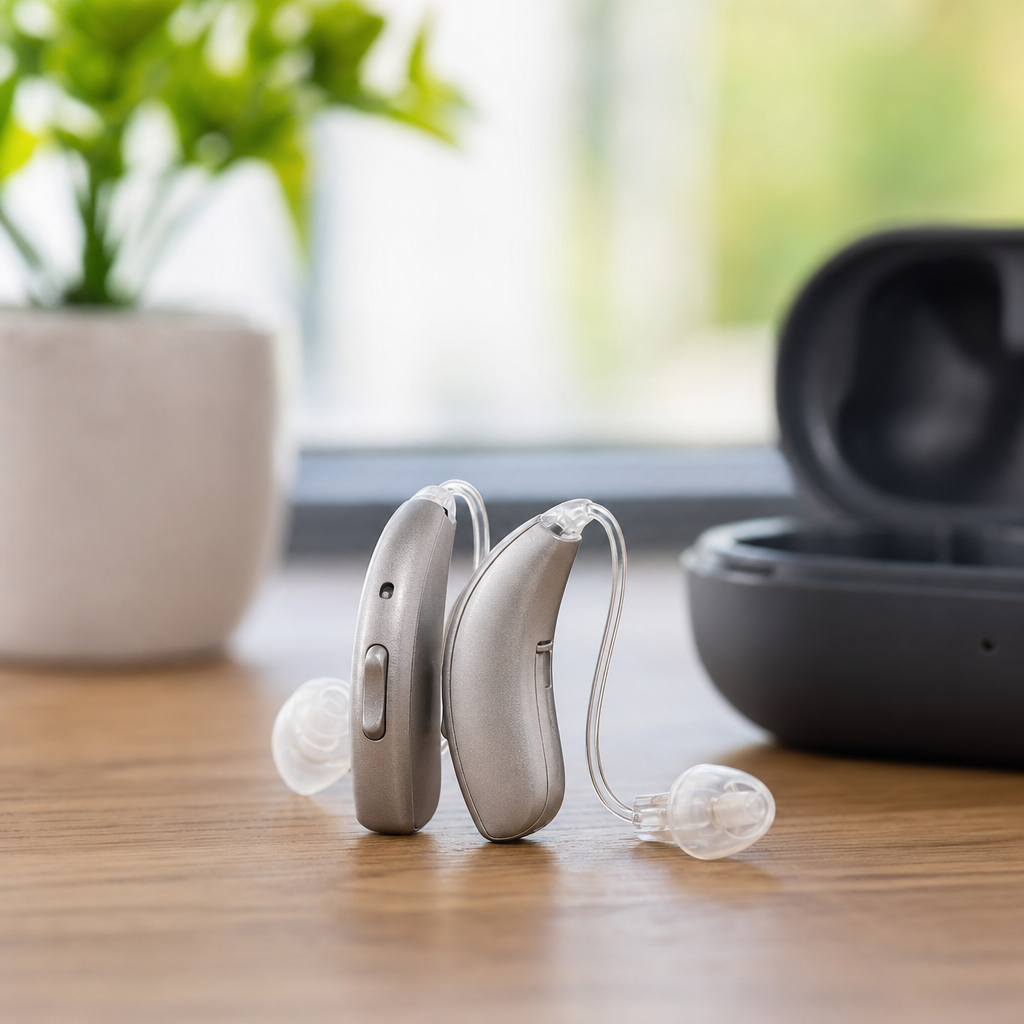
Audion hearing aids are budget-focused over-the-counter devices designed for adults with perceived mild to moderate hearing loss, and they matter because they sit at the intersection of affordability, accessibility, and everyday hearing support. In practice, people searching for a guide to Audion hearing aids usually want clear answers to practical questions: what these devices are, who they are for, how they compare with prescription hearing aids, what features they offer, and whether the lower price means meaningful compromises. I have worked with many first-time hearing aid shoppers, and Audion often comes up because it promises a simpler path than the traditional clinic model while still offering recognizable hearing aid form factors such as behind-the-ear and in-the-ear styles.
A useful starting definition is this: Audion sells direct-to-consumer hearing devices intended to amplify speech and environmental sound for adults, generally without the mandatory in-person fitting associated with prescription hearing aids. Since the U.S. Food and Drug Administration created an over-the-counter hearing aid category for adults with mild to moderate hearing loss, more shoppers have considered brands like Audion alongside established names such as Jabra Enhance, Eargo, Lexie, and MDHearing. That change matters because untreated hearing loss is linked to communication strain, social withdrawal, listening fatigue, and reduced participation at work or home. Better hearing can improve conversations, television listening, phone use, and awareness of doorbells, traffic, and alarms.
The most important point is that Audion hearing aids are not automatically the right choice for every hearing problem. People with sudden hearing loss, one-sided hearing loss, significant tinnitus, ear pain, drainage, or dizziness should start with a medical evaluation, not a direct online purchase. Adults with severe hearing loss may also need prescription devices with greater output, more precise fitting, and audiologist support. Still, for the right buyer, Audion can be a practical entry point. The brand’s appeal is straightforward: lower upfront cost, simpler ordering, and enough feature depth for users who need help in common listening situations rather than premium, clinic-grade customization.
As a hub article, this guide covers the general landscape around Audion hearing aids: product types, core features, setup, daily use, performance expectations, care, costs, and decision criteria. Think of it as the page that helps you narrow the field before you compare specific models, rechargeable versus battery-powered designs, or OTC versus prescription pathways.
What Audion hearing aids are and who should consider them
Audion positions its products for adults who notice difficulty hearing speech clearly, especially in conversation, on television, in restaurants, or during family gatherings. In plain terms, that usually means mild to moderate hearing loss, where sound is still audible but speech detail is missing. People often say, “I can hear that someone is talking, but I cannot make out the words.” That pattern is common in age-related hearing loss, which typically affects high frequencies first. A hearing aid helps by amplifying selected frequencies and making speech cues more accessible.
Audion’s main value is accessibility. Instead of scheduling an audiology appointment, completing a hearing test, waiting for custom programming, and paying several thousand dollars, many buyers can order online and begin using the device after a short setup period. That convenience is real, especially for people in rural areas, those without hearing aid coverage, or those who simply want to test whether amplification helps before making a larger investment. In my experience, first-time users often need a low-friction starting point, and that is exactly the niche Audion tries to fill.
That said, candid expectations are essential. OTC hearing aids can help a lot, but they are not magic. They do not restore normal hearing, and they usually cannot match the precision of a professionally verified fitting using real-ear measurement. If a user has complex hearing needs, poor speech understanding even when sounds are loud enough, or difficulty managing small controls, they may outgrow a basic direct-to-consumer device quickly. The right question is not “Is Audion good?” but “Is Audion appropriate for my hearing profile, dexterity, budget, and support needs?”
Styles, features, and what to expect from the technology
Audion hearing aids typically follow familiar designs: behind-the-ear units with tubing or slim speakers, and smaller in-the-ear options intended for discretion. Style matters because it affects comfort, battery size, visibility, and ease of handling. Behind-the-ear devices are usually easier to insert, easier to adjust, and better suited to users with limited finger dexterity. Smaller in-the-ear designs may look more discreet, but they can be harder to place correctly and may have shorter battery life or fewer controls.
Feature sets vary by model, but shoppers should expect a mix of rechargeable and disposable-battery options, multiple listening programs, volume adjustment, basic noise reduction, and feedback management to reduce whistling. More advanced models in the broader OTC market may add Bluetooth streaming, app-based tuning, directional microphones, and remote support, though budget brands do not always include every premium feature. The important technical idea is not the marketing label but the listening outcome. Ask whether the device improves speech in quiet rooms, speech in background noise, television clarity, and environmental awareness without becoming uncomfortable.
Digital signal processing is the engine behind modern hearing aids, including many lower-cost devices. It takes incoming sound, analyzes it by frequency, and applies programmed gain based on listening conditions. Compression is especially important. Soft sounds need more boost than loud sounds, so the hearing aid compresses the dynamic range to make speech audible but not painfully loud. If compression is poorly tuned, the result can sound harsh, tinny, or unnatural. That is one reason adjustment time matters. New users are not just hearing more sound; they are relearning how everyday environments should sound through amplification.
| Factor | What to look for in Audion hearing aids | Why it matters |
|---|---|---|
| Form factor | Behind-the-ear versus in-the-ear | Affects comfort, visibility, and handling |
| Power source | Rechargeable or disposable batteries | Changes daily routine and long-term cost |
| Controls | On-device buttons or app-based settings | Determines how easily you can make adjustments |
| Noise management | Basic noise reduction and directional support | Improves conversation in busy spaces |
| Fit options | Multiple dome sizes or ear tips | Impacts comfort, retention, and feedback |
| Trial and returns | Clear trial period and return policy | Reduces risk for first-time buyers |
Because this page is a general guide, it helps to connect these features to real life. A retiree who mostly wants better television sound and easier conversations at home may do well with a simple rechargeable device and physical volume control. Someone still working in meetings, on phone calls, and in restaurants may prioritize directional microphones, app control, and more flexible programs. A person with arthritis may care less about cosmetics and more about larger controls and easier charger placement. The best Audion hearing aid, if there is one for a given user, is the one whose design matches daily demands.
Setup, fit, and the adjustment period
Proper setup determines whether a hearing aid feels useful or ends up in a drawer. The process starts with physical fit. Ear tips or domes must seal well enough to deliver sound efficiently without causing pressure or soreness. A poor seal can lead to weak sound, instability, or feedback. New users should try each included dome size methodically and wear the chosen fit for several hours, not just a few minutes. Minor discomfort in the first day or two is common, but persistent pain is not normal and usually means the fit is wrong.
Then comes listening acclimatization. Most adults with gradual hearing loss have spent years hearing a reduced version of the world. When they first wear hearing aids, ordinary sounds can seem surprisingly sharp: running water, dishes clinking, paper rustling, turn signals, footsteps, and refrigerator hum. That does not mean the device is defective. It means the brain is being reintroduced to sounds it had stopped processing fully. I usually advise people to build up wear time over one to two weeks, beginning in quieter settings and adding harder environments later.
Users also need a realistic adjustment strategy. Start with one-on-one conversation at home. Then try television. Next, move to small family meals, errands, or quiet cafés. Save the loud restaurant, community event, or worship service until basic listening feels comfortable. If a device includes multiple programs, note where each one works best. Keep a simple journal for the first week: where you wore the hearing aid, what sounded good, what sounded too loud, and whether speech clarity improved. That record makes troubleshooting much easier.
Cleaning and charging are part of setup too. Rechargeable hearing aids need consistent nightly charging, and wax guards or domes need periodic inspection. Earwax is one of the most common causes of muffled output. If sound quality drops, users should first check for clogged openings before assuming the electronics have failed. Moisture also matters. Hearing aids should be kept dry, stored safely, and never exposed to hairspray, shower steam, or direct heat.
Benefits, limitations, and how Audion compares with other options
The clearest benefit of Audion hearing aids is cost control. Prescription hearing aids often range from roughly $2,000 to $7,000 per pair when bundled with professional services, while OTC options are typically much less expensive. For shoppers paying out of pocket, that price gap is decisive. Lower cost also reduces the emotional barrier to trying hearing support at all. Many people delay treatment for years because they assume every hearing aid purchase requires a clinic visit and a major financial commitment.
Another benefit is speed. Direct ordering means users can move from problem recognition to trying amplification quickly. For people who have already identified a probable mild to moderate loss and do not have red-flag symptoms, that speed can be valuable. Audion may also appeal to buyers who prefer a simpler, less medicalized process. They want straightforward help hearing better, not an extended care pathway.
Limitations are equally important. Lower-cost hearing aids often involve less individualized programming, fewer advanced features, and less direct professional support. In difficult environments with competing voices, reverberation, and sudden noise, premium devices with better directional processing and custom fine-tuning usually perform better. App ecosystems, teleaudiology services, and Bluetooth reliability can also vary widely across brands. If crystal-clear speech in complex settings is your top priority, comparison shopping is essential.
Compared with major OTC competitors, Audion generally competes on affordability and simplicity rather than extensive ecosystem depth. Compared with prescription hearing aids fit by an audiologist, the tradeoff is almost always customization versus convenience. Neither side wins universally. A budget-conscious adult with uncomplicated hearing needs may be well served by Audion. A musician, teacher, frequent traveler, or person with asymmetrical hearing loss may benefit more from a professionally fit system.
Buying advice, support, and long-term ownership
Before buying Audion hearing aids, confirm that your hearing difficulty fits the intended use. Adults with gradual, bilateral mild to moderate hearing loss are the typical candidates. If possible, get a recent hearing test even if you plan to buy OTC. An audiogram provides a baseline and can reveal whether one ear differs significantly from the other. That single step prevents many poor purchases. It also helps you judge whether your chosen device has enough power and the right feature set for your loss pattern.
Next, study the return policy, warranty terms, included accessories, and replacement part availability. A hearing aid is not a one-time gadget purchase. Domes, wax guards, chargers, batteries, and cables are part of ownership. Good support matters because first-time users almost always have questions about insertion, whistle reduction, charging habits, or inconsistent sound. Responsive customer service can be the difference between success and abandonment. Look for clear contact channels and written setup guidance.
Long-term value depends on maintenance and honest reassessment. If Audion helps in quiet settings but still leaves you struggling in restaurants, that may be a normal limitation rather than a failure. If the device does not improve clarity anywhere, the fit, settings, or candidacy may be wrong. Hearing can also change over time. Reevaluate yearly, and seek professional help if communication problems worsen. The best outcome is not merely owning hearing aids. It is using them consistently enough that conversations become easier and less tiring.
Audion hearing aids can be a practical first step for adults who want affordable, accessible help with mild to moderate hearing loss. They offer recognizable hearing aid styles, common digital features, and a lower-barrier buying process than prescription channels. Their strengths are convenience, lower price, and ease of entry. Their limitations are reduced customization, variable support depth, and performance constraints in the most challenging listening environments.
For most shoppers, the smart approach is simple. Match the device to your hearing profile, daily environments, and comfort with self-setup. Prioritize fit, return policy, charging routine, and customer support as much as headline features. If you have red-flag symptoms or more complex hearing needs, start with an audiologist or physician. If your needs are straightforward, Audion may be a sensible way to begin addressing hearing loss now instead of postponing help.
Use this general guide as your starting point within the broader Hearing Aids topic, then move on to model comparisons, care tips, and OTC-versus-prescription articles to narrow your choice. Better hearing usually begins with one informed decision. Make that decision deliberately, ask the right questions, and choose the level of support that will help you wear your hearing aids every day.
Frequently Asked Questions
What are Audion hearing aids, and how do they work?
Audion hearing aids are budget-focused over-the-counter hearing devices made for adults who believe they have mild to moderate hearing loss. Unlike prescription hearing aids, which are professionally fitted and programmed by an audiologist or hearing specialist, Audion devices are designed to be purchased directly by the consumer without a medical exam, fitting appointment, or hearing test requirement in most cases. Their main appeal is simplicity and affordability: they aim to give people access to everyday hearing support at a lower price point than traditional prescription options.
In practical terms, Audion hearing aids work by using small microphones to pick up sounds around you, processing and amplifying those sounds, and then delivering the enhanced audio into your ear through a speaker. Many models are designed to make speech and common environmental sounds easier to hear in everyday situations such as conversations at home, watching television, talking on the phone, or being out in public. Depending on the model, users may get basic controls for volume, listening modes, background noise management, or rechargeable batteries.
It is important to understand that while Audion devices can help some people hear better in daily life, they are not a cure for hearing loss and they are not identical to custom-programmed medical-grade prescription hearing aids. Their performance depends on the user’s hearing needs, the listening environment, and the expectations they bring to the product. For many adults looking for a more accessible first step into hearing support, Audion can be an entry-level option that balances convenience, lower cost, and practical functionality.
Who are Audion hearing aids best suited for?
Audion hearing aids are generally best suited for adults with perceived mild to moderate hearing loss who want a more affordable and accessible alternative to prescription devices. They may be a reasonable option for someone who notices that conversations sound less clear, people seem to mumble, the television volume keeps creeping up, or background noise makes speech harder to follow. They can also appeal to people who are not yet ready to invest in higher-priced prescription hearing aids and want to try an over-the-counter solution first.
These devices are often most useful for adults who are comfortable handling setup and adjustment on their own. Because OTC hearing aids are intended to be self-fitted, users should be willing to read instructions, experiment with fit and settings, and spend a little time getting used to amplified sound. That matters because comfort, proper placement, and realistic expectations can strongly affect the experience. Someone looking for straightforward hearing help in common daily settings may find Audion a practical fit.
At the same time, Audion hearing aids are not right for everyone. They are not intended for children, and they may not be appropriate for people with severe or profound hearing loss, sudden hearing loss, one-sided hearing loss, ear pain, ear drainage, ringing that is new or worsening, dizziness, or major difficulty understanding speech even when sounds are loud enough. Those situations call for a medical evaluation or professional hearing assessment. In short, Audion is best viewed as a consumer-friendly option for adults with uncomplicated, self-perceived mild to moderate hearing difficulty who prioritize affordability and convenience.
How do Audion hearing aids compare with prescription hearing aids?
The biggest difference between Audion hearing aids and prescription hearing aids is the level of personalization, professional involvement, and overall sophistication. Audion devices are sold over the counter and are built to serve a broad group of users with mild to moderate hearing loss. Prescription hearing aids, by contrast, are selected and programmed based on a full hearing evaluation and are adjusted to match a person’s specific hearing profile across different frequencies. That custom fitting can make a major difference for people with more complex hearing needs.
Prescription hearing aids also tend to offer more advanced technology, such as finer sound processing, more precise feedback control, better speech-in-noise performance, stronger customization tools, remote support from hearing professionals, and integration with audiology care over time. In many cases, that means better performance in demanding listening environments like restaurants, group conversations, or places with constantly changing background noise. They may also come with in-depth follow-up care, cleaning, maintenance, and adjustments that improve long-term success.
Audion hearing aids, however, have a clear advantage in price and accessibility. They are typically much less expensive than prescription models, easier to buy, and faster to start using. For adults with relatively straightforward hearing concerns, that lower barrier to entry can be a significant benefit. The tradeoff is that users may need to accept fewer premium features, less individualized tuning, and more self-management. For some people, Audion may be enough to improve daily communication at a manageable cost. For others, especially those with more advanced or complicated hearing loss, prescription hearing aids may provide better clarity, comfort, and long-term results.
What features can you expect from Audion hearing aids?
Features vary by model, but Audion hearing aids generally focus on the essentials that matter most to everyday users: amplification, basic sound adjustment, wearability, and convenience. Many models include volume controls or preset listening modes that allow users to tailor the sound for different situations, such as quiet conversations, indoor listening, or noisier environments. Some may also offer feedback reduction, which helps limit the whistling sound that can happen with hearing devices, along with simple noise management features intended to make speech easier to pick out.
Another common area of interest is power and charging. Depending on the specific Audion product, users may find rechargeable designs that reduce the need to handle small disposable batteries, which can be especially helpful for older adults or anyone who wants a simpler routine. Comfort features can also matter a great deal. Different domes, ear tips, or form factors may be included to improve fit and help users find a secure, natural-feeling seal in the ear. A good fit can improve both sound quality and comfort during longer wear.
That said, it is important to keep expectations grounded. While Audion hearing aids may include useful features for the price, they are not necessarily built to match the high-end processing, deep personalization, or broad app-based controls found in premium prescription devices. Their feature set is usually centered on practical, accessible hearing support rather than cutting-edge customization. For many buyers, that is exactly the point: they want hearing help that is easy to understand, easy to buy, and designed to cover common day-to-day listening needs without the cost of a more complex system.
Does the lower price of Audion hearing aids mean lower quality?
A lower price does not automatically mean poor quality, but it usually does mean a different level of technology, service, and customization. Audion hearing aids are designed to be more affordable than prescription devices, and that cost difference typically reflects simpler fitting methods, fewer advanced features, and less professional support rather than no value at all. For the right user, a budget OTC hearing aid can provide meaningful help with hearing everyday speech and environmental sounds. In that sense, affordability can be a strength, not a weakness.
The better question is whether the product delivers enough quality for your specific needs. If your hearing loss is mild to moderate, your expectations are realistic, and your listening challenges are fairly routine, Audion may offer solid value. Many people are not looking for the most advanced hearing technology available; they simply want to follow conversations more easily, reduce strain, and feel more confident in daily interactions. If a lower-cost device helps accomplish those goals, then it may be a worthwhile solution.
Where lower-priced devices can fall short is in highly challenging listening situations or for users who need precise sound shaping and hands-on clinical support. People with more severe hearing loss, complicated hearing patterns, or frequent communication trouble in noisy places may find that a budget device does not go far enough. So the lower price of Audion hearing aids should not be viewed as a blanket sign of low quality, but rather as part of a tradeoff: greater accessibility and lower upfront cost in exchange for less personalization and potentially more limited performance. The key is matching the device to the user, not judging it by price alone.