
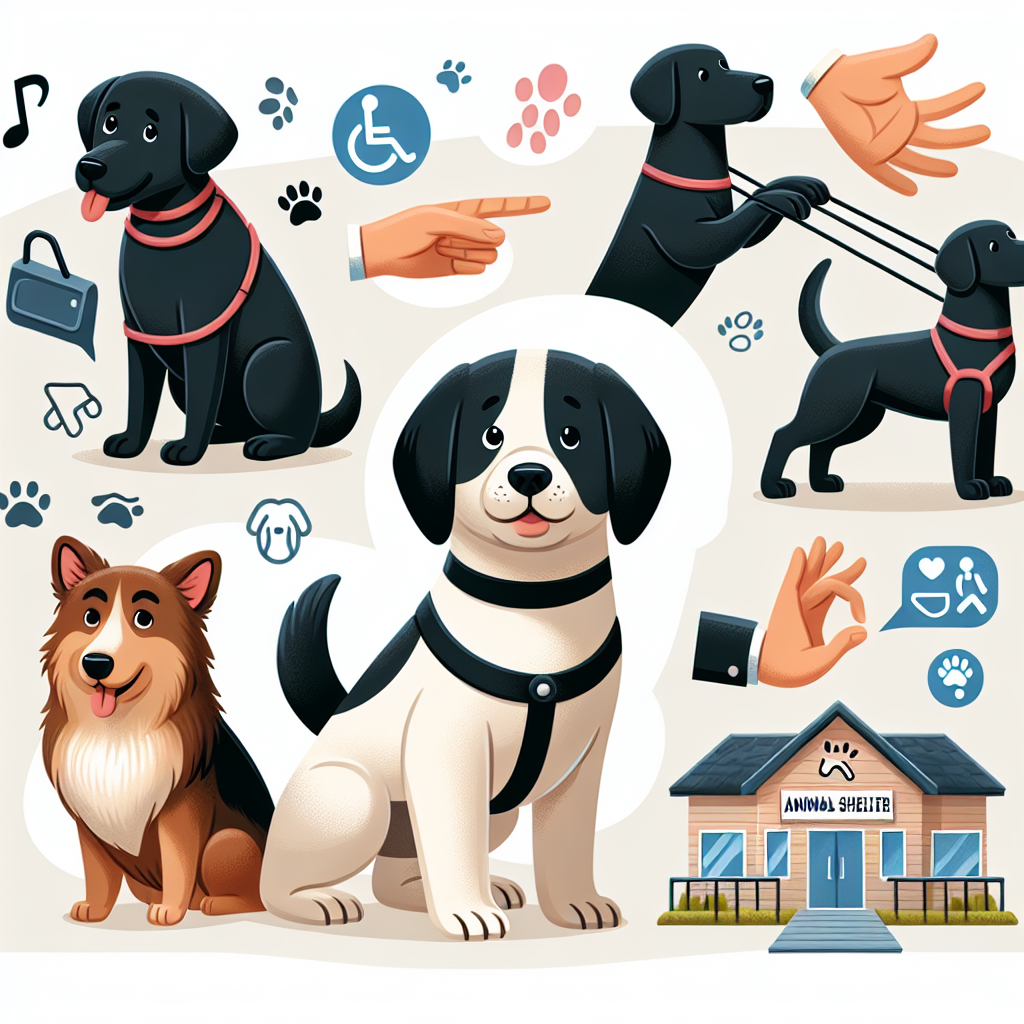
Observing National Dog Day is a joyous occasion; it’s a day dedicated to appreciating our loyal and loving canine companions. However, it’s also an opportunity to bring attention to something that often slips under the radar – deaf dogs. These furry friends are just as capable of bringing joy and love into our lives, yet they often face unique challenges. This article aims to raise awareness about deaf dogs, highlight effective training strategies for them, and advocate for better accessibility in animal shelters.
Understanding Deafness in Dogs
Deafness in dogs can be a congenital condition or acquired later in life, much like in humans. It can be caused by various factors, including genetic predisposition, infections, trauma, or age-related hearing loss. Breeds such as the Dalmatian, Australian Shepherd, and Boxers are more prone to being born with hearing impairments. Understanding the root cause of a dog’s deafness can drastically improve how one approaches training and interaction.
The initial realization that a dog is deaf can be overwhelming for pet owners. Common indicators that a dog may be experiencing hearing loss include lack of response to familiar sounds, over-sleeping, or unusually loud barking. Recognizing these signs early on can help in adapting suitable communication and training techniques.
Having a deaf dog doesn’t mean it can’t lead a fulfilling life. With the right approach and understanding, these dogs can be as well-behaved, loving, and obedient as their hearing counterparts.
Training Strategies for Deaf Dogs
Training a deaf dog might seem challenging, but with patience and the right strategies, it’s entirely achievable. Here are a few effective methods to ensure a smooth training experience:
1. Hand Signals
Hand signals can replace voice commands for a deaf dog. Consistency is crucial, so choose simple and distinct signals for each command and stick to them. Basic commands like sit, stay, come, and stop can all be taught using visual cues. Make the signals clear and distinct, and practice regularly to reinforce the learning.
2. Positive Reinforcement
Just like hearing dogs, deaf dogs respond well to positive reinforcement. Use treats, praise, and petting to reward desired behaviors. The praise should be noticeable; smiling, nodding, or giving a thumbs-up can be effective.
3. Vibrating Collars
Vibrating collars can be invaluable tools for training deaf dogs. These collars don’t shock but vibrate, gently getting the dog’s attention without causing distress. Over time, the dog will learn that certain vibrations correlate with specific commands or actions.
4. Maintaining Eye Contact
Since auditory communication is off the table, maintaining strong eye contact is essential. Gaining the dog’s attention visually and ensuring they look at you for cues heightens effective communication.
Training a deaf dog requires patience and creativity, but the bond formed through this unique communication method can be incredibly rewarding. Emphasizing kindness and consistency will ensure a successful training experience.
Adoption and Accessibility in Animal Shelters
Deaf dogs often face more significant challenges in finding a forever home. Shelters play a crucial role in bridging this gap by providing essential information and support to potential adopters. Unfortunately, not all shelters are well-equipped or knowledgeable about the unique needs of deaf dogs, which can hinder the adoption process.
Advocating for enhanced accessibility in animal shelters involves training staff to recognize and handle dogs with hearing impairments better, making necessary environmental adjustments, and educating the public on the needs and capabilities of deaf dogs. Here’s how shelters can improve:
1. Educating Staff and Volunteers
Proper training for shelter staff and volunteers is essential. They need to know how to effectively communicate with and manage deaf dogs, providing them with the correct environment and training support during their stay at the shelter.
2. Creating Visual and Tactile Cues
Shelters can implement visual and tactile cues around the facility to assist deaf dogs in navigating their environment. Brightly colored markers and textured surfaces can help orient dogs who rely on sight and touch.
3. Promoting Deaf Dogs for Adoption
Shelters can highlight the wonderful traits of deaf dogs through special adoption drives, featuring them on social media, and sharing success stories. Dispelling myths and highlighting the unique bonds that can form with deaf dogs encourages more people to consider adoption.
Creating a supportive and knowledgeable environment in shelters increases the chances of deaf dogs finding loving homes and living fulfilling lives.
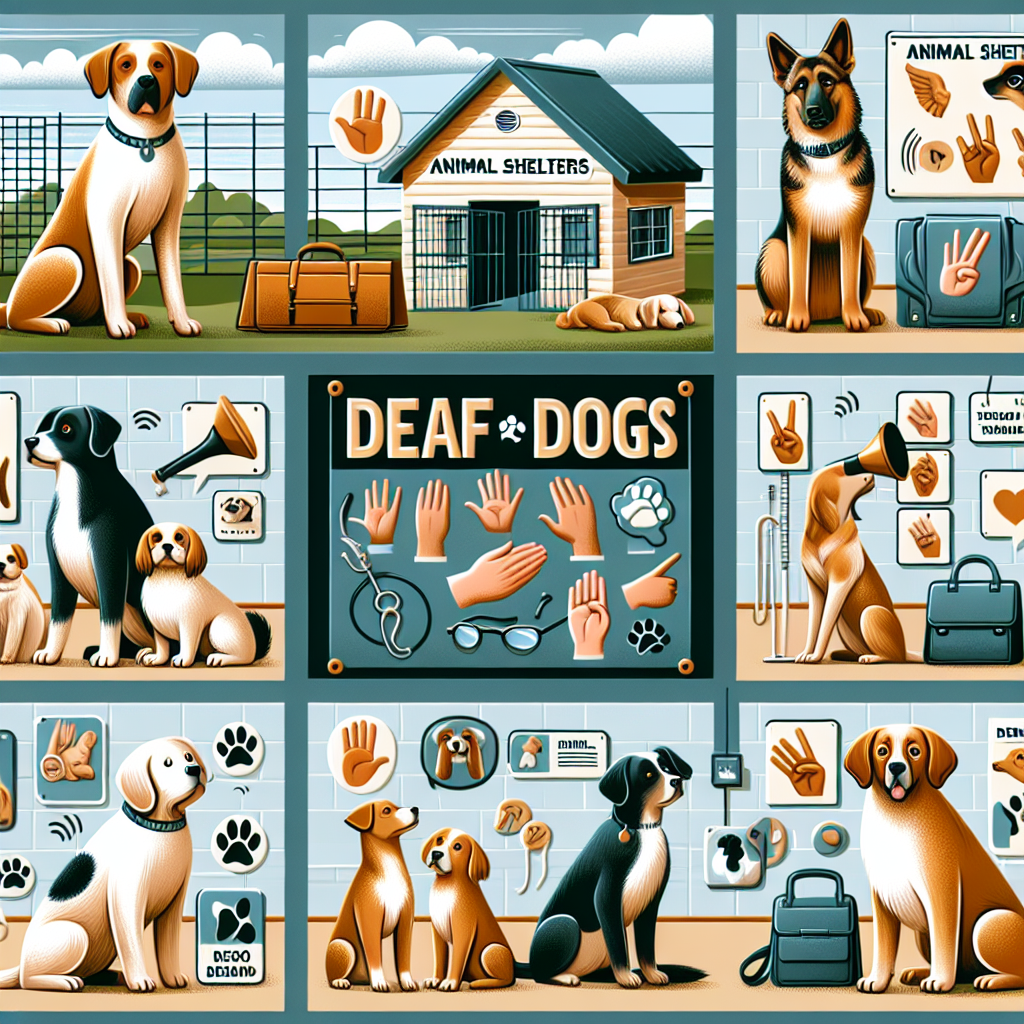
Success Stories of Deaf Dogs
Success stories play a significant role in changing perceptions about deaf dogs. These stories illustrate that deaf dogs are just as capable, loving, and resilient as hearing dogs. Here are a few heartwarming examples:
1. Gallaudet the Dalmatian
Gallaudet, a Dalmatian named after the famous university for the deaf, was born deaf. Despite her hearing impairment, she excelled in agility training and went on to become a therapy dog, visiting schools and nursing homes to spread joy and raise awareness about deafness in dogs.
2. Keller the Australian Shepherd
Keller, an Australian Shepherd, was found in a shelter after being abandoned due to his deafness. With patience and training, Keller learned various hand signals and became a beloved member of his adopted family. He now participates in training demos, showcasing that deaf dogs can be exceptionally obedient and well-trained.
3. Apollo the Boxer
Apollo, a Boxer mix, was rescued from a neglectful situation. His new owner was initially apprehensive about his deafness, but with time, dedication, and the use of vibrating collars, Apollo became a certified therapy dog, helping veterans with PTSD and spreading awareness about the abilities of deaf dogs.
These stories are just a few examples of the potential and love deaf dogs have to offer. Sharing these narratives inspires others to open their hearts and homes to these incredible animals.
Resources and Support for Owners of Deaf Dogs
For pet owners and those considering adopting a deaf dog, numerous resources are available for support and guidance. From online forums to training guides, these resources can provide valuable information to ensure the well-being of a deaf dog:
1. Online Communities
Joining online communities and forums dedicated to deaf dogs can be immensely helpful. Here, owners can share experiences, seek advice, and find camaraderie with others facing similar challenges.
2. Training Guides and Books
Several excellent training guides and books focus specifically on training deaf dogs. “Living With a Deaf Dog” by Susan Cope Becker and “Dog Training for Deaf Dogs” by Terrie Hayward are highly recommended reads.
3. Veterinary Support
Consulting with veterinarians who have experience with deaf dogs ensures they receive the best possible care. They can provide guidance on health, training, and behavior management tailored to the unique needs of deaf dogs.
4. Professional Trainers
Enlisting the help of a professional dog trainer with experience in training deaf dogs can be beneficial. They bring in specialized expertise and can provide personalized training plans to suit the individual needs of the dog.
With the right resources and support, owning a deaf dog becomes a rewarding experience, marked by a deep mutual understanding and unwavering companionship.
Conclusion: Celebrating National Dog Day with Deaf Dogs in Mind
National Dog Day is an ideal time to celebrate all dogs, including those with hearing impairments. By acknowledging and addressing the unique challenges faced by deaf dogs, we can make strides towards a more inclusive and empathetic approach to pet ownership. Deaf dogs, with the right training and support, can lead rich, fulfilling lives and bring immense joy to their families.
Advocating for accessibility in animal shelters, educating the public, and sharing success stories are vital steps in ensuring that more deaf dogs find loving homes. Remember, deafness does not define a dog’s ability to love, play, or be an exceptional companion. On this National Dog Day, let’s pledge to support and celebrate our deaf furry friends, embracing them for all their unique qualities and the unconditional love they bring into our lives.