
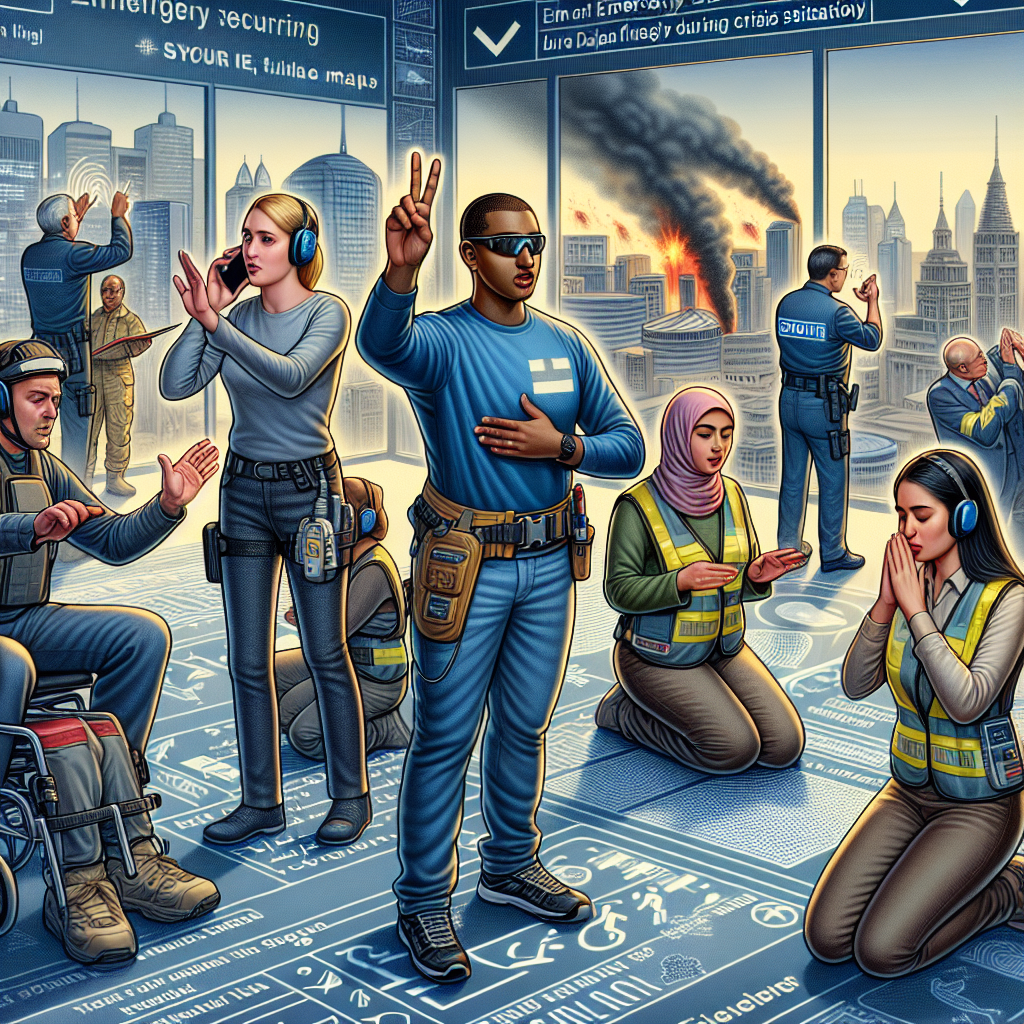
In crisis situations, effective communication and preparedness can make all the difference, especially for the Deaf and Hard of Hearing community. Ensuring their safety requires an understanding of their specific needs and the implementation of specialized resources and strategies. In this comprehensive article, we will explore various aspects of emergency preparedness, review crucial safety measures, and examine resources that are vital to the Deaf community during emergencies.
Introduction
Emergency preparedness is a critical aspect of public safety, and it becomes even more essential when considering the unique needs of the Deaf and Hard of Hearing community. Traditional emergency systems frequently rely on auditory signals, such as sirens and public address announcements, which may not effectively reach those who are Deaf or Hard of Hearing. Thus, there is a need for tailored emergency plans that ensure inclusivity and accessibility for all individuals.
Effective emergency preparedness for the Deaf community involves multiple layers of planning, from early warning systems to post-disaster recovery. It’s about creating a comprehensive framework that addresses communication barriers, provides access to critical information, and ensures that emergency services are equipped to support all individuals. This involves coordination among emergency planners, community leaders, educators, and the Deaf community itself.
Understanding the challenges faced by Deaf individuals during emergencies is the first step in developing effective strategies. Communication barriers can prevent timely receipt of evacuation orders or safety instructions, potentially leading to life-threatening situations. Additionally, the aftermath of a crisis can be particularly isolating if there is a lack of accessible resources and support services. We will discuss various strategies and resources that aim to bridge these gaps, ensuring that Deaf individuals can navigate emergencies with confidence and safety.
Effective Communication Strategies
Establishing clear and accessible communication is paramount in emergency situations. For the Deaf and Hard of Hearing community, this means utilizing various forms of visual communication and ensuring that information is available in formats that are easily understandable. Here are some effective communication strategies:
- Text Alerts: Many emergency management systems now offer text alert options. These alerts can provide real-time updates and instructions, which are crucial during an emergency. Establishing a reliable text alert system is essential.
- Visual Alarms: In addition to auditory alarms, visual alarms such as flashing lights should be installed in homes, workplaces, and public spaces. These alarms can signal the need to evacuate or seek shelter immediately.
- Video Messaging: Utilizing video messaging apps and platforms that support American Sign Language (ASL) can ensure that Deaf individuals receive messages in their primary language. This is particularly useful for conveying detailed instructions.
- Community Networks: Building a network of trusted neighbors, friends, and community members who can assist in communicating critical information during emergencies can be lifesaving. Regular drills and communication practice can help solidify these networks.
Preparing Emergency Kits
Having a well-prepared emergency kit is essential for everyone, but it’s crucial to include specific items that cater to the needs of Deaf and Hard of Hearing individuals. Below are some key components that should be included in an emergency kit:
- Assistive Devices: Ensure you have spare batteries for hearing aids or cochlear implants, as well as any other assistive devices. It’s also helpful to include a portable battery charger for electronic devices.
- Communication Aids: Include notepads, pens, and a pre-written list of important phrases and information that may be needed in an emergency. This can assist in communicating with emergency responders who may not be fluent in ASL.
- Visual Alert Devices: Pack portable visual alert devices that can signal alarms using light. These can be particularly useful if you find yourself in an unfamiliar environment.
- Documentation: Keep copies of important documents such as identification, medical records, and emergency contact information. Make sure these are stored in waterproof containers.
- First Aid Kit: A well-stocked first aid kit, along with any necessary medications, is a must-have.
- Comfort Items: Include items that provide comfort and security during stressful situations, such as a favorite book, blanket, or other personal items.
Training Emergency Responders
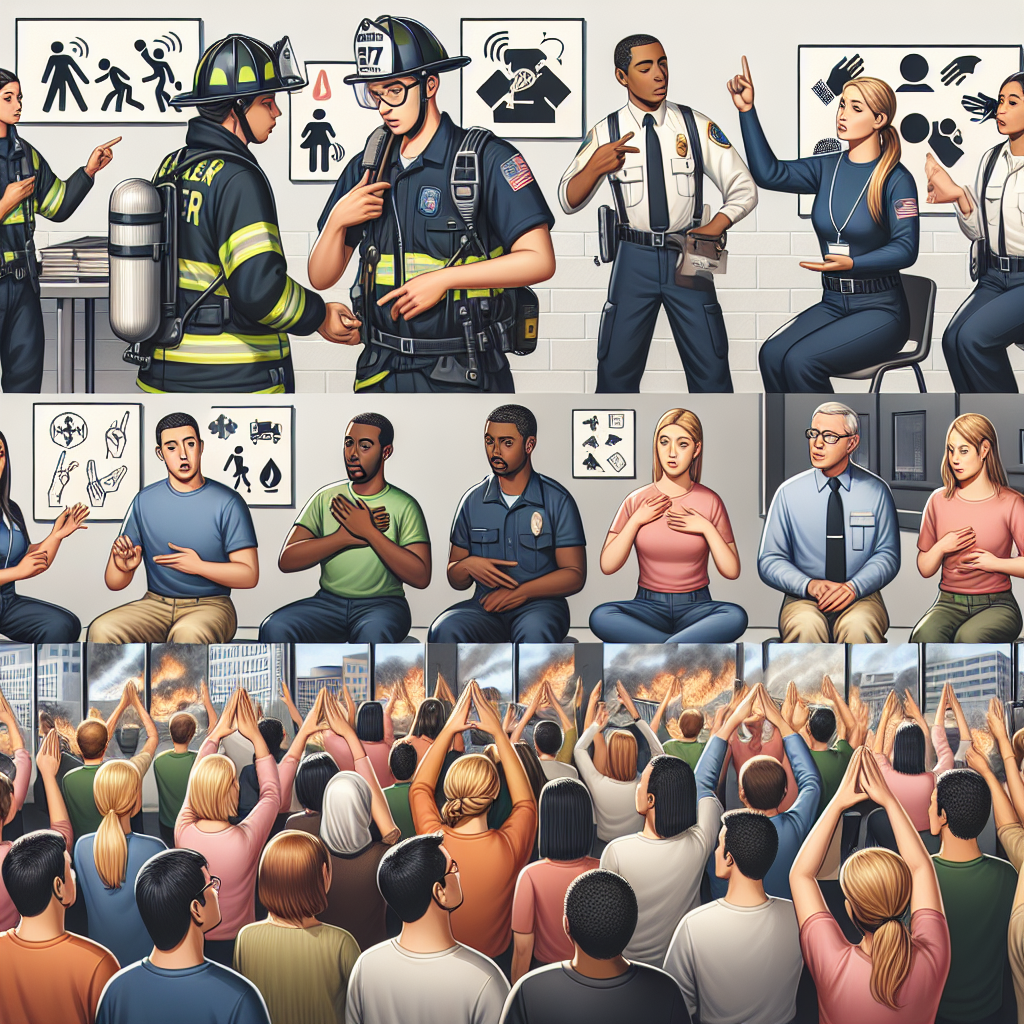
Emergency responders, including police, firefighters, and medical personnel, play a crucial role in ensuring the safety of all individuals during a crisis. It’s important that they receive specialized training that equips them with the knowledge to effectively assist Deaf individuals. This training can include:
- ASL Training: Providing basic American Sign Language training to emergency responders can significantly improve communication during emergencies. Even a limited understanding of ASL can make a difference in conveying essential information.
- Deaf Culture Awareness: Educating responders about Deaf culture and the specific challenges faced by Deaf individuals can foster empathy and improve interactions. This includes understanding the importance of visual communication and non-verbal cues.
- Use of Technology: Training responders in the use of technology, such as video relay services (VRS) and text-to-911, can enhance their ability to communicate with Deaf individuals in real-time.
- Simulation Drills: Conducting regular simulation drills that include scenarios involving Deaf individuals can help responders practice their skills and prepare for real-life situations.
Community Involvement
Community involvement is key to ensuring the safety of Deaf individuals during emergencies. Building strong community networks and fostering collaboration between various stakeholders can create a supportive environment. Here are some ways to enhance community involvement:
- Community Education Programs: Organizing workshops and informational sessions for the general public can raise awareness about the needs of the Deaf community during emergencies. These programs can cover topics such as effective communication strategies and the importance of visual alerts.
- Partnerships with Organizations: Partnering with organizations that advocate for the Deaf community, such as the National Association of the Deaf (NAD), can provide valuable resources and support for emergency planning.
- Neighborhood Watch Programs: Encouraging the establishment of neighborhood watch programs that include Deaf individuals can strengthen community bonds and ensure that everyone is looked out for during emergencies.
- Inclusive Emergency Plans: Working with local government and emergency management agencies to develop and implement inclusive emergency plans that consider the unique needs of Deaf individuals.
Technology and Innovation
Advancements in technology have the potential to greatly enhance emergency preparedness and response for the Deaf community. Leveraging these innovations can improve communication and accessibility. Here are some emerging technologies that can aid in emergency preparedness:
- Smartphone Apps: There are numerous smartphone apps designed to assist Deaf individuals in emergencies. These apps can provide real-time alerts, facilitate communication with responders, and offer GPS tracking for location sharing.
- Wearable Devices: Wearable devices that can detect environmental hazards, such as smoke or carbon monoxide, and alert the user through vibrations or light signals are becoming increasingly available.
- Artificial Intelligence (AI): AI-powered systems can analyze large amounts of data to predict and monitor emergency situations. This can lead to more timely and accurate alerts tailored specifically for the Deaf community.
- Drones: Drones equipped with visual alert systems and cameras can assist in search and rescue operations, providing an extra layer of support for Deaf individuals who may be trapped or isolated.
Education and Advocacy
Educating the Deaf community about emergency preparedness and advocating for their needs are essential components of ensuring their safety. By empowering individuals with knowledge and resources, we can build a more resilient and prepared community. Here are some key initiatives:
- Educational Workshops: Hosting workshops and training sessions specifically tailored for the Deaf community can provide valuable information on how to prepare for and respond to emergencies. These sessions can cover topics such as creating emergency plans, utilizing assistive technology, and understanding available resources.
- Advocacy Campaigns: Running advocacy campaigns to raise awareness about the importance of inclusive emergency preparedness can influence policy changes and improve overall safety for the Deaf community. This can include lobbying for the implementation of visual alert systems and accessible communication options.
- School Programs: Incorporating emergency preparedness education into school curriculums can ensure that Deaf students receive the necessary training from a young age. Schools can conduct regular drills and provide materials in accessible formats.
- Online Resources: Creating and promoting online resources, such as websites and videos, that offer guidance on emergency preparedness for the Deaf community. These resources should be available in multiple languages, including ASL.
Conclusion
Emergency preparedness is an essential aspect of ensuring the safety and well-being of all individuals, especially those in the Deaf and Hard of Hearing community who may face unique challenges during crisis situations. By implementing effective communication strategies, preparing tailored emergency kits, training emergency responders, fostering community involvement, leveraging technology, and advocating for inclusive education, we can create a safer and more resilient environment for Deaf individuals.
It’s crucial that we continue to raise awareness about the importance of accessible emergency preparedness and promote the development and adoption of inclusive practices. Collaboration between emergency planners, community leaders, educators, and the Deaf community is vital in building a comprehensive and effective emergency response framework.
We encourage everyone to take proactive steps in their own communities to ensure that Deaf individuals have the resources and support they need to navigate emergencies safely and confidently. By working together, we can make a significant impact and enhance the overall safety and preparedness of our society.