
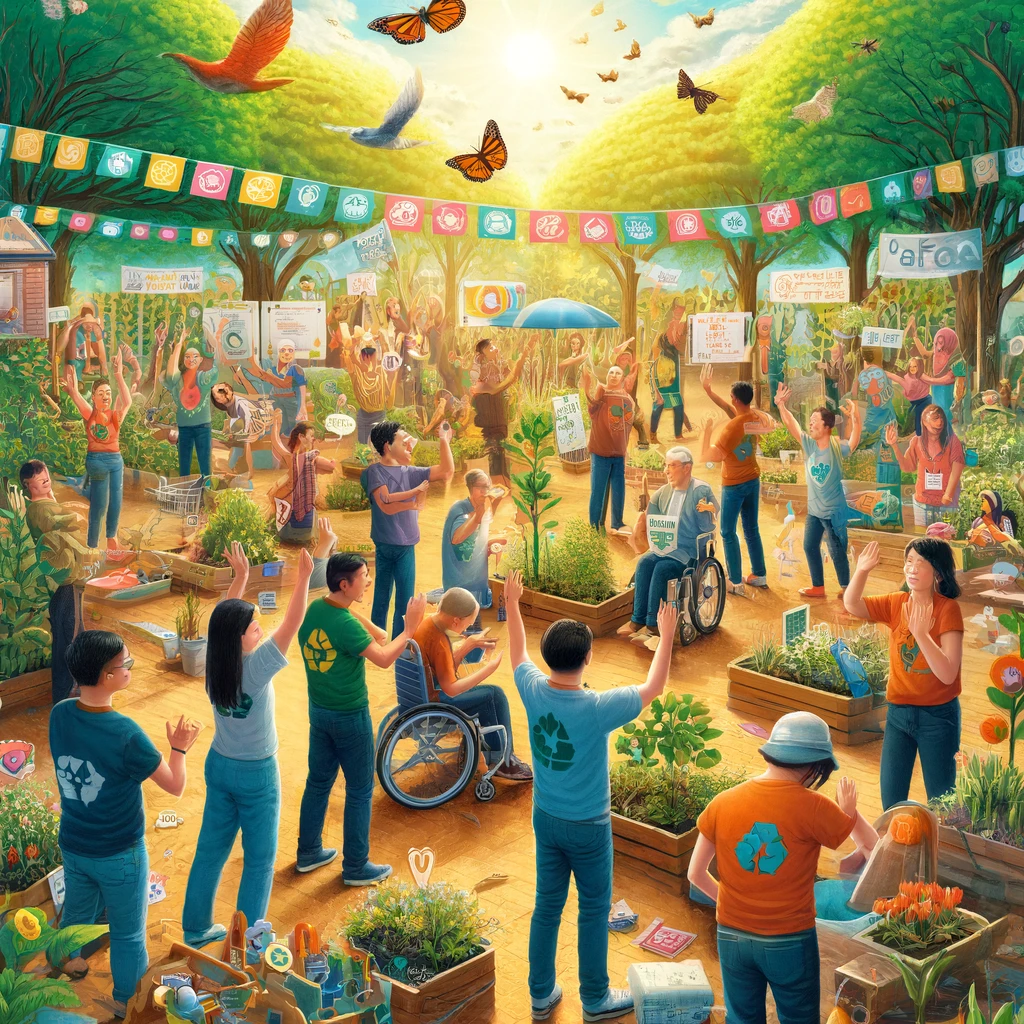
Earth Day, celebrated on April 22, is a global event dedicated to environmental protection. The Deaf community can actively participate in various activities that raise awareness about environmental issues and emphasize the importance of sustainability. This article outlines several Earth Day activities that are accessible, educational, and engaging for the Deaf community.
Host a Teach-In or Workshop
A teach-in is a great way to educate and involve the Deaf community in environmental discussions. Incorporating sign language interpreters ensures accessibility, allowing attendees to learn about environmental science, justice, and activism. Topics could include climate change, species protection, and sustainable living practices. Interactive elements such as quizzes and discussions can make these sessions more engaging.
Eco-Friendly Cookouts
Organize an eco-friendly cookout using solar-powered grills. This activity can demonstrate the effectiveness of clean energy while enjoying a meal outdoors. It’s an excellent opportunity for the Deaf community to engage in a social setting and discuss environmental sustainability.
Composting and Recycling Workshops
Workshops on composting and recycling can be beneficial. These activities not only contribute to waste reduction but also provide a practical approach to environmental stewardship. Participants can learn how to compost organic waste and recycle effectively, making a positive impact on their local environment.
Outdoor and Nature-Based Activities
The beauty of nature can be appreciated through various outdoor activities. Guided hikes with professional interpreters, bird-watching sessions, and participating in community cleanups are great ways for the Deaf community to connect with nature while contributing to environmental conservation.
DIY Eco-Crafts
Engage in eco-crafts using recycled materials. Projects like making bird feeders from plastic bottles or creating art from recyclables not only are fun but also promote the concept of upcycling. These activities can be particularly appealing to families and young members of the Deaf community.
Building a Community Garden
Participating in or initiating a community garden project can be both fulfilling and beneficial for the environment. This activity can bring together members of the Deaf community to work on a project that will provide fresh produce and enhance local biodiversity.
Environmental Education through Art
Artistic endeavors like mural painting or creating environmentally themed art pieces can be powerful in conveying messages about nature and sustainability. These activities can be organized at community centers or schools, offering a platform for creative expression and environmental education.
Participate in Local Earth Day Events
Many communities host Earth Day events with activities ranging from festivals to educational booths and workshops. The Deaf community can take part in these events, which often include activities specifically designed for them, such as ASL-guided tours or hikes.
Earth Day offers an excellent opportunity for the Deaf community to engage in activities that promote environmental awareness and sustainability. From educational workshops to hands-on projects and community events, there are numerous ways to participate and make a difference. These activities not only contribute to a healthier planet but also foster a sense of community and inclusiveness within the Deaf community.

Solar Panel Installation Projects
Engaging in community projects such as installing solar panels can be an excellent educational opportunity. The Deaf community can participate in these projects to learn about renewable energy sources and their benefits to the environment. This can include discussions about the cost, energy savings, and the positive impact of using solar energy.
Advocacy and Environmental Campaigns
Encouraging the Deaf community to be involved in advocacy for environmental issues is vital. Writing letters or emails to state representatives or senators about environmental policies can be a powerful way to make a difference. Such campaigns can be organized to address local environmental concerns and encourage political action for sustainability.
Sustainable Lifestyle Workshops
Workshops focusing on sustainable living can provide valuable insights into minimizing environmental impacts through daily choices. Topics could include sustainable cooking, using eco-friendly products, and reducing energy consumption. These workshops can be designed to be interactive and accessible for the Deaf community.
Beach and River Cleanups
Organizing beach and river cleanups is a direct way to contribute to a cleaner environment. These activities not only improve the appearance of these areas but also protect the ecosystems. The Deaf community can participate in or organize such events, making them accessible with sign language interpreters and visual aids.
Environmental Film Screenings
Hosting film screenings of documentaries related to environmental issues can be an engaging way to educate and inspire. Ensuring these films are accessible with captions or sign language interpretation can make them inclusive for the Deaf community. Discussions or Q&A sessions after the screenings can further enrich the experience.
Tree Planting Events
Participating in or organizing tree planting events can have a significant impact on the environment. Trees are powerful carbon sinks and planting them contributes to air quality improvement and biodiversity enhancement. These events can be made accessible and enjoyable for the Deaf community, with interpreters facilitating communication.
Gardening and Horticulture Classes
Gardening classes can teach participants about growing their own food and the importance of local, sustainable agriculture. These classes can be adapted to include sign language interpreters, making them accessible and enjoyable for the Deaf community. Participants can learn about planting techniques, soil health, and the benefits of homegrown produce.
Eco-Friendly Arts and Crafts
Creating art from recycled materials can be both a creative and environmentally friendly activity. Workshops can be organized where participants use materials like old magazines, fabric scraps, and recyclable containers to create new artworks. This encourages creativity while promoting the message of recycling and upcycling.
Wildlife Conservation Education
Educational sessions focusing on wildlife conservation can raise awareness about the importance of preserving biodiversity. These sessions can include presentations, interactive activities, and field trips, all adapted to be accessible for the Deaf community. Learning about local wildlife and conservation efforts can be both informative and inspiring).
Conclusion
Celebrating Earth Day provides the Deaf community with numerous opportunities to learn about and engage in environmental conservation. From educational workshops and advocacy to hands-on activities like cleanups and gardening, these activities not only foster environmental awareness but also strengthen community bonds. By participating in these events, the Deaf community can play an active role in preserving our planet for future generations.
References
- Earth Day Network. (www.earthday.org)
- Teambuilding.com. (www.teambuilding.com)
- We Are Teachers. (www.weareteachers.com)
- California Natural Resources Agency. (resources.ca.gov)
- Hawaii Department of Education. (www.hawaiipublicschools.org)
- SignUpGenius. (www.signupgenius.com)
- Biofriendly Planet. (biofriendlyplanet.com)