
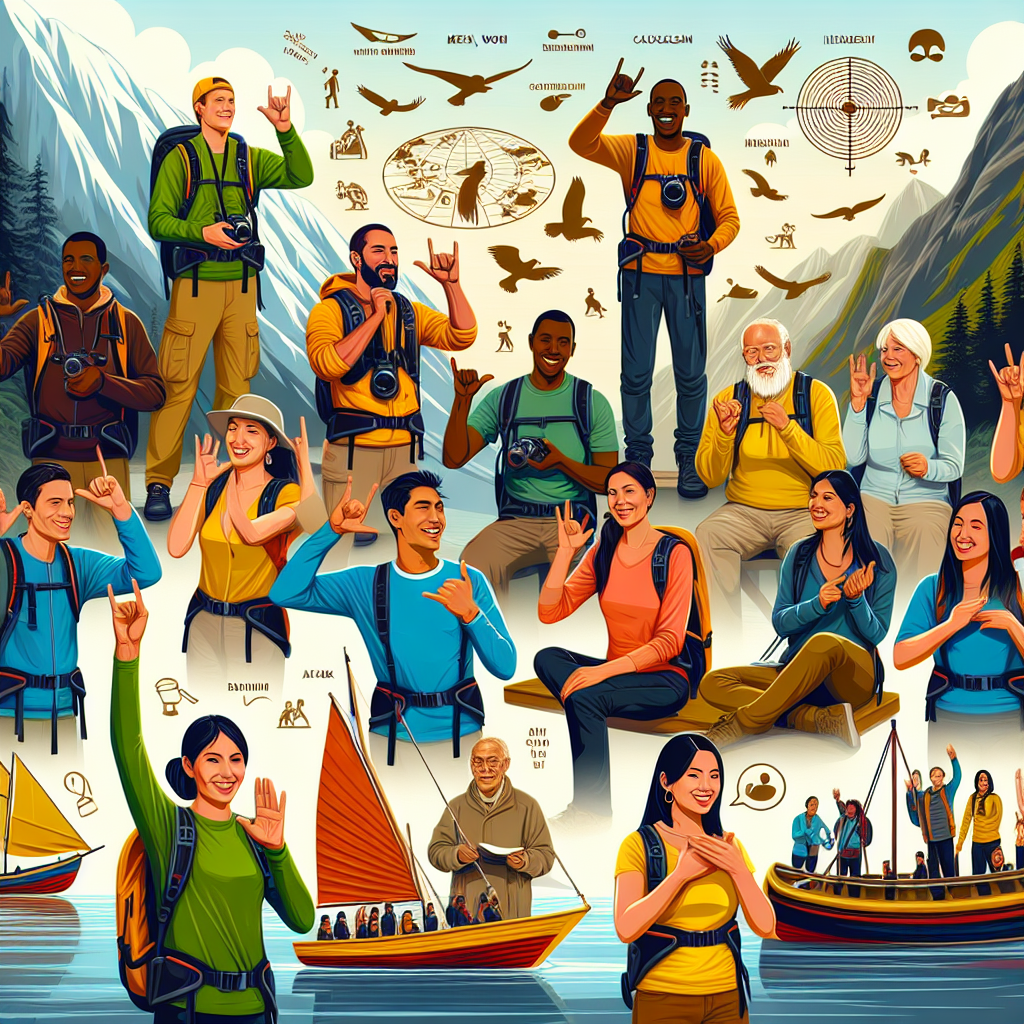
Traveling is a universal pursuit, a joyful discovery of the world that unites people regardless of their background or abilities. For the deaf community, the call of adventure is equally compelling, but it often comes with a unique set of challenges related to accessibility and communication. That’s where the magic of deaf travel groups steps in, creating enriched experiences that go beyond ordinary travel. By offering opportunities for shared adventures, learning, and networking, these groups have become pivotal in redefining what it means to explore the world. In this article, we will dive deep into the vibrant world of deaf travel groups, exploring their role in fostering communities of adventurers who are deaf or hard of hearing. We’ll uncover why these groups are essential, what unique experiences they offer, and how they are reshaping the travel landscape to be more inclusive and exciting for everyone, not just those with hearing.
The Importance of Deaf Travel Groups
Accessibility and awareness are critical components of travel for members of the deaf community. Traditional travel often leaves these considerations as afterthoughts, resulting in barriers that can diminish the quality of the experience, or worse, exclude travelers altogether. Deaf travel groups come in to bridge this gap, offering tailored experiences that cater to the needs of deaf and hard-of-hearing individuals. These groups ensure that every aspect of the journey, from transportation and accommodation to guided tours and dining, is geared towards creating an environment where deaf travelers feel understood and supported. Beyond logistics, these groups foster a sense of belonging and shared identity. Traveling with others who understand the unique communication needs of the deaf community can significantly enhance the travel experience, as members are free to communicate without barriers, developing deeper connections and friendships.
How Deaf Travel Groups Work
Deaf travel groups usually operate by organizing trips specifically designed to be accessible and enjoyable for deaf travelers. These can range from local day trips to international vacations. Key features include the presence of trained guides proficient in sign language, itineraries structured around attractions known for their accessibility, and the incorporation of assistive technologies to aid communication and comprehension. These groups often work in partnership with local organizations, using their expertise to scout for accessible locations and activities, ensuring that participants receive a genuine, immersive experience. The support doesn’t end at just planning; throughout the trips, guides and coordinators are keenly attentive to the needs of the group, ready to make real-time adjustments to enhance comfort and accessibility.

Experiences and Adventures
Participating in a deaf travel group opens a realm of adventure catered specifically to accessibility and enjoyment without limits. Trips often feature visits to cultural landmarks, natural wonders, and interactive activities that might otherwise pose challenges due to communication barriers. Take, for instance, a guided tour in Rome, where each historical site comes to life through the careful narration in sign language or the use of subtitled visual guides. Or imagine the thrill of sharing a white-water rafting adventure where each team member uses predetermined signs to communicate through the roar of the rapids. These experiences are about more than just seeing new places; they are about diving into adventures in a way that’s unhindered by typical constraints but enriched by shared understanding and camaraderie.
Community Building Through Travel
One of the most profound impacts of participating in deaf travel groups is the power of community building. When individuals share experiences on the road, their bonds grow beyond mere acquaintances to lifelong friendships. These shared journeys become a tapestry of collective memories that fortify community ties. Members often find comfort and joy in meeting new people who share similar experiences and challenges, which can be incredibly validating and empowering. Moreover, these groups offer an invaluable network for exchanging resources, advice, and support long after the trip is over. This community aspect extends into online spaces as well, with many groups maintaining social media pages and forums that allow for continuous connection, sharing of memories, and planning of future adventures.
Travel Industry and Increased Accessibility
The rise of deaf travel groups is also pushing the broader travel industry towards thoughtful inclusivity and innovation. With these groups actively advocating and setting examples, more companies and destinations are recognizing the importance of accessibility. Many travel companies are beginning to incorporate accessibility features more seriously, integrating technologies such as live translation apps, captioned content for tours, and training staff on sign language and deaf culture. This shift not only benefits deaf travelers but also promotes a more inclusive environment, setting a precedent for welcoming diverse customer bases. It is a testament to the industry’s potential for transformation when it prioritizes understanding and accommodating diverse needs. As the trend gains momentum, it sets new standards that not only benefit the deaf community but enhance the travel experience for everyone.
Conclusion
Deaf travel groups represent more than just travel; they are a powerful force that creates inclusive opportunities for adventure, discovery, and connection. They transform the way deaf travelers experience the world by removing barriers and promoting accessibility at every step of the journey. These groups foster vibrant communities of explorers who are reshaping the narrative around travel for the deaf and hard-of-hearing, turning once-challenging experiences into joyful, communal adventures. As the travel industry continues to evolve, led in part by these movements, the vision of a fully accessible world becomes more tangible. Whether uncovering history, exploring nature, or building strong, supportive networks, deaf travel groups illustrate the incredible possibilities when travel is approached with inclusivity and understanding. By joining such a group, adventurers are not just seeing the world; they are becoming part of a new wave that champions diversity and inclusion in all its forms.