
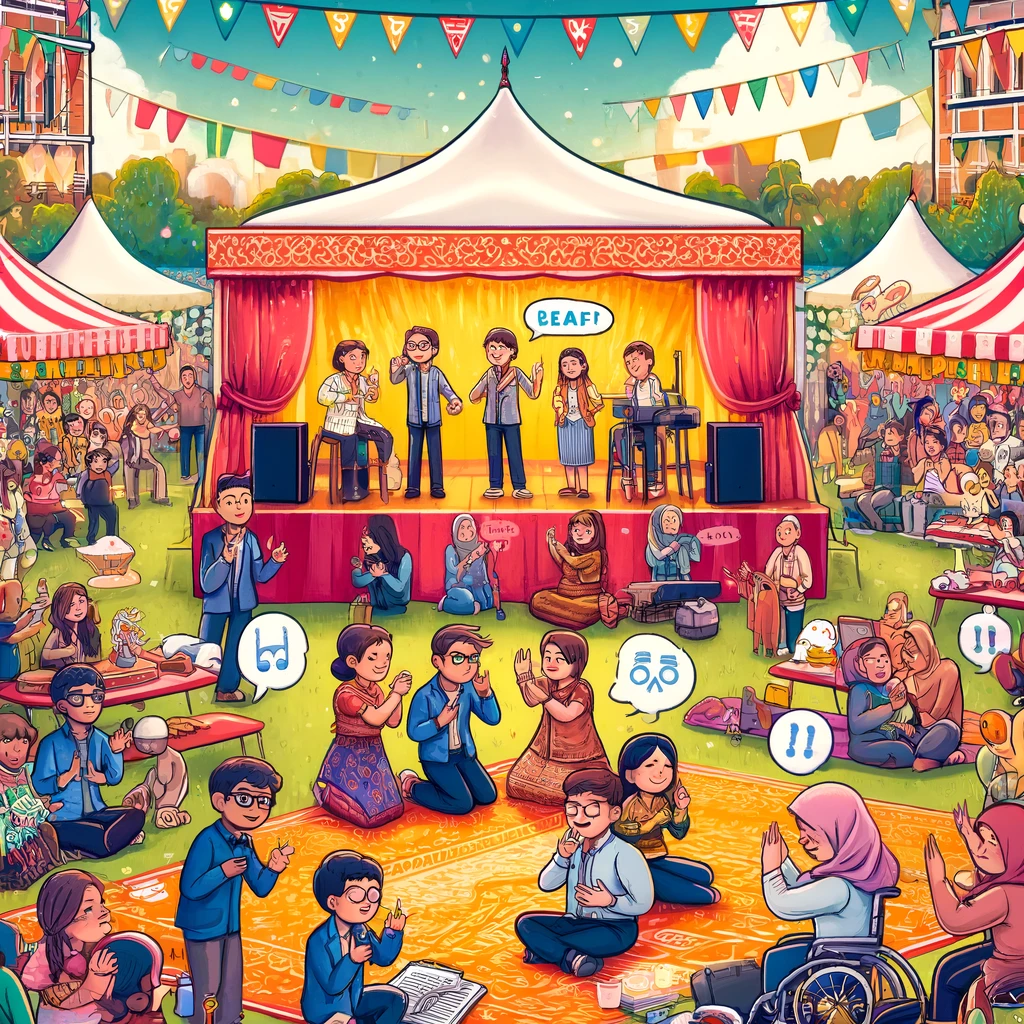
The Deaf community is robust with a deep-rooted culture full of rich traditions and unique customs. Understanding Deaf culture involves recognizing the values, social norms, and the ways in which Deaf individuals create their collective identity. This culture is not only reflected in language but also in the traditions and rituals that bring the community together.In this article, we will delve into some of the most significant traditions and rituals that define the Deaf community. By exploring these customs, we aim to shed light on the vibrant and resilient nature of Deaf culture and its proud heritage.
Deaf Community Festivals and Gatherings
Among the most celebrated aspects of Deaf culture are the numerous festivals and gatherings that occur regularly. These events can range from local get-togethers to international festivals, each fostering a sense of unity and mutual support within the Deaf community.
Deaflympics
The Deaflympics are an international sporting event that parallels the Olympic Games, specifically designed for Deaf athletes. This biennial event offers a platform for athletes to showcase their talents and compete on a global stage. Participation in the Deaflympics is not only about sports; it’s also a celebration of Deaf identity and international camaraderie.
Deaf Awareness Week
Deaf Awareness Week is observed annually with the goal of raising public awareness about Deaf issues, culture, and the societal contributions of Deaf individuals. Activities during this week often include educational workshops, public demonstrations, and celebratory events designed to foster a greater understanding and appreciation for Deaf culture.
Storytelling and Folklore
Storytelling holds a prominent place in Deaf culture, serving as a vital means of passing down traditions, history, and moral lessons. These stories are often expressed through American Sign Language (ASL), which allows the full depth of emotions and details to be conveyed.
ASL Storytelling
The art of storytelling in ASL is a cherished tradition in the Deaf community. ASL storytellers incorporate facial expressions, body language, and hand shapes to bring stories to life. Often, these stories are interwoven with humor and creativity, making the experience both entertaining and educational. ASL storytelling sessions are common at community events, schools for the Deaf, and cultural festivals.
Folklore and Myths
Deaf folklore is rich with myths and legends that highlight the unique perspectives and experiences of Deaf individuals. These stories often reflect themes of overcoming adversity, the importance of community support, and the value of Deaf identity. Sharing these tales helps reinforce the cultural pride and heritage within the community.
Language and Communication
Language is the heartbeat of any culture, and for the Deaf community, sign language is integral to communication, cultural identity, and social interaction.
American Sign Language (ASL)
ASL is not merely a means of communication; it is a core part of Deaf culture. The language has its own syntax, idioms, and expressions, distinguishing it from spoken languages. Mastery of ASL is viewed as a significant aspect of embracing Deaf identity.
Name Signs
One unique tradition within the Deaf community is the use of “name signs.” Rather than spelling out a person’s name letter by letter in ASL, a name sign is a personalized sign gesture that represents an individual. Typically, name signs are given by members of the Deaf community and reflect some personal characteristic, physical trait, or initial of the person’s name.
Celebratory Rites and Milestones
The Deaf community has its own sets of rites and celebrations that mark important life milestones, often incorporating unique customs and cultural elements.
Graduation Ceremonies
Graduation ceremonies at Deaf schools are vibrant celebrations that highlight the achievements of Deaf students. These events are conducted in sign language, and the joyous atmosphere reflects the pride and support of the community. Speeches by valedictorians, educators, and community leaders typically emphasize the importance of Deaf identity and the collective future of Deaf people.
Weddings and Family Celebrations
Weddings in Deaf culture often incorporate elements that cater to Deaf attendees, such as having interpreters, visual displays, and scripted ceremonies in sign language. These events highlight the critical value of inclusivity and ensure that Deaf members can fully participate in the celebrations.

Artistic Expression
Art in the Deaf community is not only a mode of expression but also a potent vehicle for advocacy and cultural preservation.
Deaf Theatre and Performances
Deaf theatre is a thriving art form where stories are conveyed through ASL and other visual elements. Performances often explore themes pertinent to Deaf experiences, identity, and social issues. Esteemed groups like the National Theatre of the Deaf have played crucial roles in bringing Deaf performances to wider audiences, showcasing the artistic talents within the community.
Visual Arts
Visual arts, including painting, sculpture, and photography, are prominent in Deaf culture. Deaf artists often use their work to express the Deaf experience, advocate for rights, and promote Deaf culture. Their art provides an avenue for visibility and an opportunity to tell their stories in the broader cultural context.
Technology and Innovation
Technological advancements have played a crucial role in empowering the Deaf community and enhancing cultural practices and communication.
Video Relay Services (VRS)
Video Relay Services have revolutionized communication within the Deaf community, allowing ASL users to communicate with hearing individuals via video calls. This technology has significantly reduced communication barriers and allowed for greater independence and social interaction.
Social Media and Online Communities
Social media platforms and online communities have brought Deaf individuals from across the globe closer together. These spaces allow for the sharing of experiences, the dissemination of information on Deaf culture, and the fostering of global Deaf networks. Platforms such as YouTube have become popular for ASL vlogging, where Deaf creators share insights, stories, and educational content.
Heritage and Identity
Deaf heritage is a source of immense pride in the Deaf community, with Deaf history and identity playing an essential role in shaping cultural consciousness.
Deaf History Month
Deaf History Month, celebrated from March 13 to April 15 in the United States, commemorates significant milestones in Deaf history. Events during this month highlight historical figures and moments that have shaped the journey of the Deaf community, encouraging reflection and appreciation of their shared heritage.
The Role of Deaf Schools
Deaf schools have historically been and continue to be, critical in fostering a sense of identity and community among Deaf individuals. These institutions provide not just an education but also a community where Deaf children can learn, socialize, and develop a robust cultural identity. Attending Deaf schools often constitutes a shared experience that bonds individuals for life.
Conclusion
The Deaf community’s traditions and rituals are vibrant expressions of a culture that values communication, unity, and resilience. From the Deaflympics to ASL storytelling, the rich tapestry of customs and practices highlights the community’s unique identity and shared heritage.Understanding and appreciating these traditions is crucial for fostering inclusion and respect for Deaf culture. By celebrating these aspects of Deaf life, we acknowledge the immense value and contributions of the Deaf community to our diverse world. Through continued education and awareness, we can work toward a more inclusive society where Deaf culture is recognized and cherished.
- Bahan, B. (2006). FacetoFace Tradition in the American Deaf Community and Disability Studies: A Literature Review. Disability Studies Quarterly, 26(2).
- Lane, H. (1995). The Mask of Benevolence: Disabling the Deaf Community. New York: Alfred A. Knopf.
- Padden, C., & Humphries, T. (1988). Deaf in America: Voices from a Culture. Cambridge, MA: Harvard University Press.
- Ladd, P. (2003). Understanding Deaf Culture: In Search of Deafhood. Clevedon: Multilingual Matters.
- Bienvenu, M. J. (2003). Reflections of Deaf Culture Identity. Journal of Deaf Studies and Deaf Education, 8(4), 389401.
- Brueggemann, B. J. (2009). Deaf Subjects: Between Identities and Places. New York: New York University Press.
- Carty, B. (2006). Rituals and Traditions in the Deaf Community. In C. Lucas (Ed.), The Sociolinguistics of Sign Languages (pp. 156180). Cambridge: Cambridge University Press.
- Senghas, A., & Monaghan, L. (2002). Signs of Their Times: Deaf Communities and Social Change—A Sociolinguistic Analysis. Annual Review of Anthropology, 31, 6997.
- Preston, P. (1994). Mother Father Deaf: Living Between Sound and Silence. Cambridge, MA: Harvard University Press.