
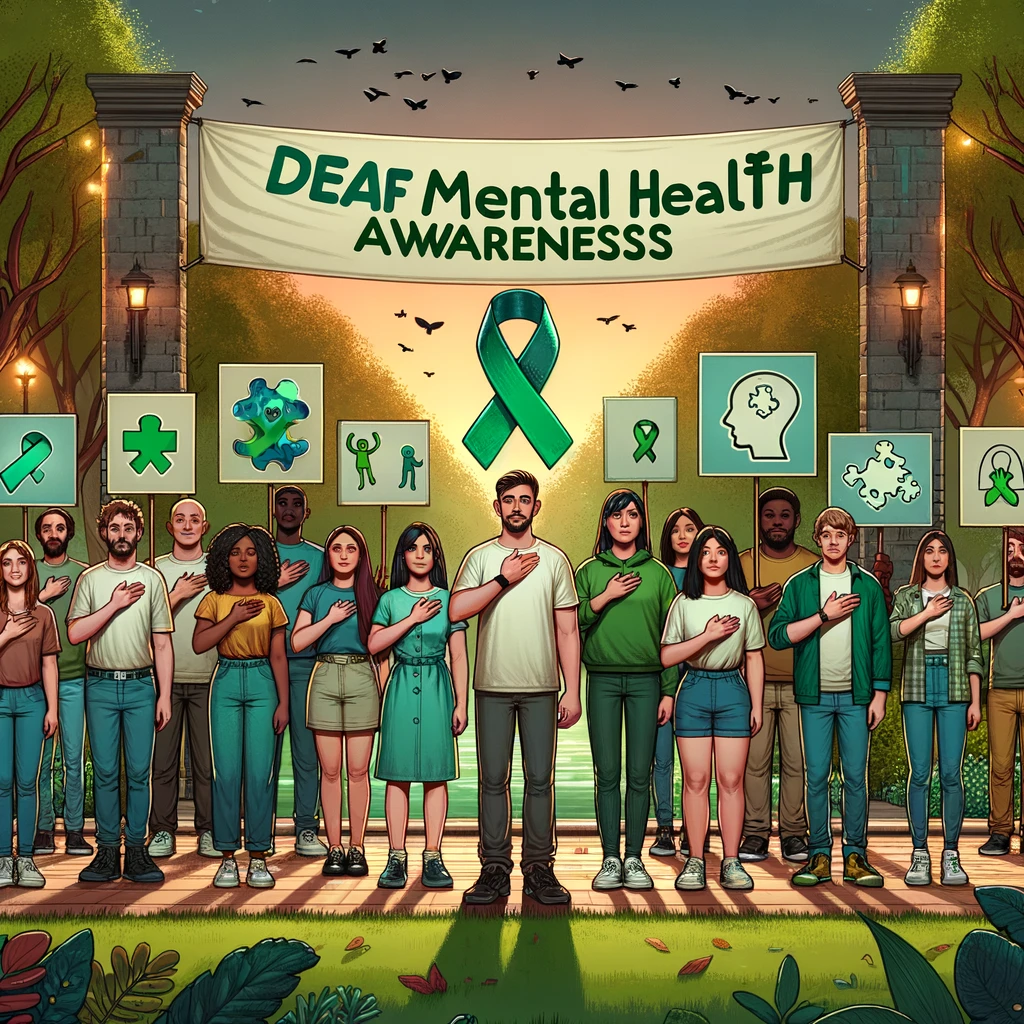
Deaf Mental Health Awareness Week is a pivotal time of year dedicated to shedding light on the unique mental health challenges faced by the Deaf community. This event not only fosters understanding and support but also empowers individuals by highlighting available resources and sharing uplifting stories from those who navigate these challenges daily.
Understanding the Unique Challenges
The Deaf community faces distinct mental health challenges, often stemming from communication barriers and social isolation. The pervasive issue of language deprivation, where Deaf individuals do not receive adequate exposure to a fully accessible language like sign language during early development, can lead to significant educational and social challenges. These barriers are compounded by the fact that many mental health services are not fully accessible to Deaf individuals, relying heavily on spoken language or interpreters that may not fully capture the nuances of mental health discourse in sign language.
Moreover, societal stigma around deafness can exacerbate feelings of isolation or misunderstanding. These factors often deter Deaf individuals from seeking help due to past negative experiences with healthcare providers who lack a deep understanding of Deaf culture and communication needs.
Spotlight on Resilience and Community Support
Despite these challenges, Deaf Mental Health Awareness Week is a testament to the resilience and solidarity within the Deaf community. Across the globe, community organizations and advocates come together to host workshops, panels, and events that are accessible in sign language and tailored to the needs of the Deaf community. These events serve as powerful platforms for sharing personal stories that not only highlight struggles but also celebrate triumphs and the effective coping strategies individuals have developed.
One impactful way the Deaf community promotes mental well-being is through peer support groups. These groups offer a space for Deaf individuals to connect with others who share similar experiences, fostering a sense of belonging and mutual understanding. These gatherings often become a crucial lifeline, providing both emotional support and practical advice on navigating mental health systems.
Promoting Accessible Resources
Key to the observance of this week is the promotion of accessible mental health resources. Numerous organizations are dedicated to transforming mental health services to be culturally and linguistically appropriate for Deaf individuals. These include providing therapy through qualified interpreters, training more Deaf therapists, and developing mental health resources in sign language.
Teletherapy has emerged as a significant advancement, offering remote access to mental health professionals who are fluent in sign language. This technology not only breaks down geographical barriers but also increases the comfort level of Deaf individuals seeking help, as they can communicate in their native language from the safety of their homes.
Furthermore, several mental health apps now incorporate sign language as a core feature, making daily mental health practices more accessible. These apps range from guided meditation in sign language to platforms that connect users directly with Deaf mental health professionals.
The Power of Stories
Personal stories are at the heart of Deaf Mental Health Awareness Week. By sharing their journeys, individuals not only educate the broader public about the realities of being Deaf and navigating mental health challenges but also inspire other Deaf individuals to seek help and advocate for their needs.
These narratives often highlight the importance of community and identity-affirming experiences in promoting mental health. They underscore the transformative impact of having access to mental health resources that respect and incorporate Deaf culture.
Looking Forward
As we continue to observe Deaf Mental Health Awareness Week annually, it becomes increasingly clear that the path to improving mental health services for the Deaf community involves continuous advocacy, education, and collaboration. Each story shared and resource promoted contributes to a broader movement towards inclusivity and accessibility in mental health care.
Deaf Mental Health Awareness Week is not just a time to reflect on the challenges faced by the Deaf community but also an opportunity to celebrate the progress made towards building a more inclusive society. Through the power of community, resilience, and shared stories, we move closer to a world where every individual has access to the mental health support they need in a way that respects their language and culture. Let us carry the spirit of this week throughout the year and continue to support and uplift each other in our journeys toward mental well-being.

Advocating for Policy Changes
One of the core aspects of Deaf Mental Health Awareness Week is advocating for necessary policy changes that can significantly impact the accessibility and quality of mental health services for the Deaf community. Advocacy efforts are crucial in pushing for legislation that requires health care providers to offer services that are fully accessible to Deaf individuals, including the availability of sign language interpreters and the training of health professionals in Deaf awareness and culture.
In many regions, advocates work tirelessly to ensure that mental health legislation includes specific provisions for the Deaf, such as funding for training more Deaf mental health professionals and mandating the use of technology that facilitates remote access to mental health services in sign language. By lobbying for these changes, the community can help create a healthcare environment where Deaf individuals feel understood and supported, rather than marginalized.
Educational Initiatives
Education plays a vital role during Deaf Mental Health Awareness Week. Educational initiatives focus on both the Deaf and hearing communities, aiming to increase awareness about the mental health needs of Deaf individuals and how these can be effectively addressed.
Workshops and seminars are common, often led by Deaf professionals who specialize in mental health. These events are designed to educate participants about Deaf culture, the psychology of deafness, and effective communication strategies. For the hearing community, such initiatives are essential to fostering a more inclusive environment that supports the mental health of Deaf colleagues, friends, and family members.
Community Engagement
Community engagement during this week is robust and varied, with activities designed to bring people together and foster a supportive network. Art exhibitions, storytelling nights, and film screenings featuring Deaf creators can play a significant role in raising awareness and reducing stigma associated with mental health issues in the Deaf community. These events not only provide entertainment but also open dialogues about mental health, creating a platform for deeper understanding and empathy.
Sports events and community gatherings also offer informal settings where Deaf individuals can engage in physical activities that promote mental well-being while connecting with others who share similar experiences. Such events are critical in building community bonds and providing informal support networks.
Digital Accessibility
In the digital age, ensuring that online content related to mental health is accessible to the Deaf community is another focus of Deaf Mental Health Awareness Week. This includes advocating for websites to include video content with sign language interpretation and ensuring that online mental health resources are fully accessible, with subtitles and visual aids designed for those who use sign language as their primary mode of communication.
The Role of Allies
Allies play a significant role in Deaf Mental Health Awareness Week. By standing in solidarity with the Deaf community, allies can help amplify the message and reach a broader audience. Allies are encouraged to engage with the content, participate in events, and spread the word through their networks. They are also instrumental in advocating for systemic changes, supporting Deaf-led initiatives, and learning about the culture and needs of the Deaf community to become more effective advocates.
Conclusion
Celebrating Deaf Mental Health Awareness Week is about more than just a series of events; it’s about recognizing the ongoing struggles and celebrating the strides made toward better mental health care for the Deaf community. It is a call to action for continuous improvement and solidarity, ensuring that the momentum gained during this week carries forward into lasting change. As we share stories and resources, we not only increase awareness but also build a stronger, more supportive community for Deaf individuals across the globe.