
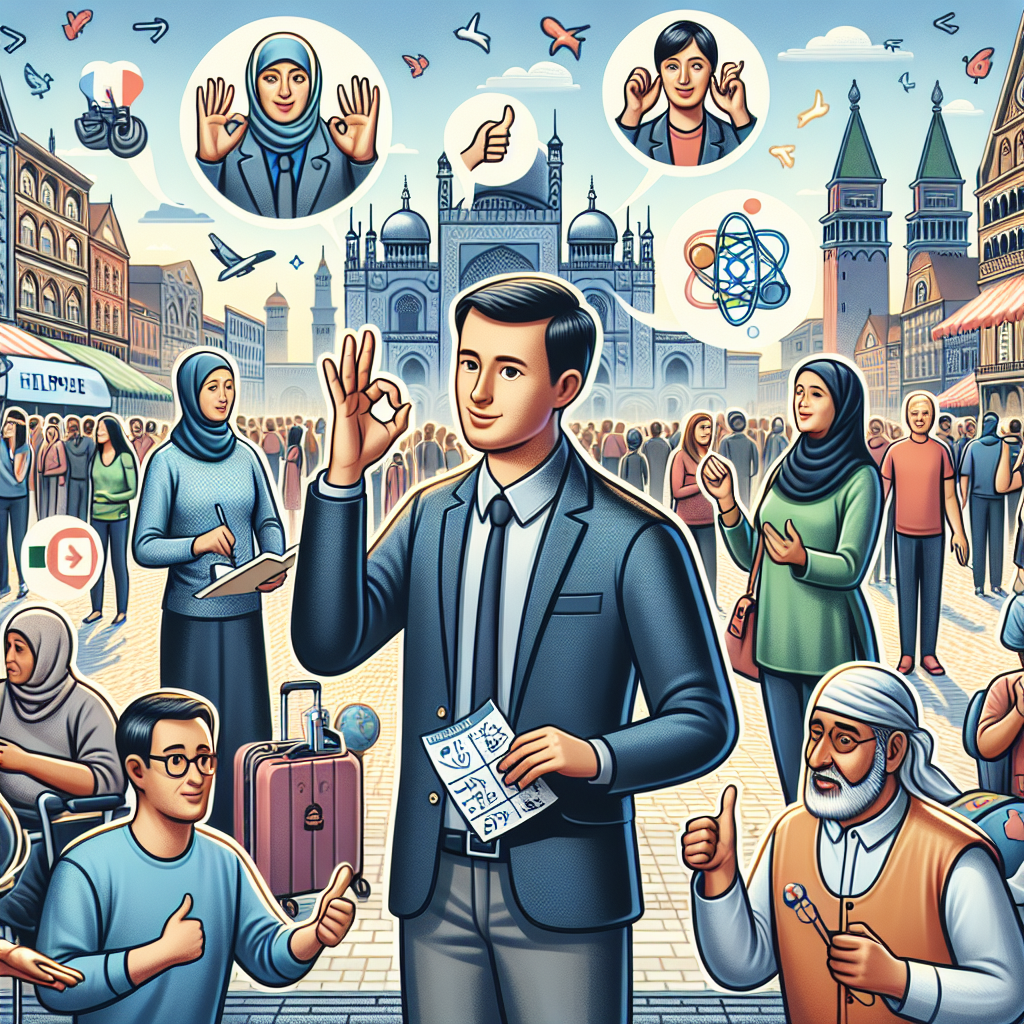
Traveling is a grand adventure that opens your eyes to the multifaceted fabric of humanity. Experiencing different cultures, cuisines, and traditions shapes your perception of the world and enriches your life with unforgettable memories. However, when you’re a Deaf tourist navigating foreign lands, these experiences come with unique challenges and opportunities. While popular tourist destinations are increasingly catering to various accessibility needs, there is a pressing need for increased awareness and understanding of Deaf culture specifically. With modern advocacy, Deaf tourists are not only finding better ways to enjoy their travels but also paving the way for more inclusive experiences worldwide.
The Intricacies of Deaf Culture in the Travel Sector
Understanding Deaf culture is crucial for any service provider within the travel industry aiming to cater to Deaf tourists. Deaf culture spans a rich tapestry of history, shared experiences, and a common language—primarily sign language. In this context, it is vital to recognize the distinct identity inherent within Deaf communities around the world. While sign language itself varies from country to country, what remains universal is the community’s vibrant spirit and unique way of interacting with the world.
For a Deaf tourist, the challenge lies not just in the destination’s accessibility but also in the societal norms and cultural understanding—or lack thereof—pertaining to Deaf culture. For instance, the level of awareness and the availability of services accommodating Deaf individuals can vary dramatically between countries. In some places, you might find highly accessible public services, whereas in others, basic communication can prove to be an arduous task. Therefore, better education about Deaf culture and increased advocacy for accessibility within the travel sector are essential.
The Role of Modern Advocacy in Enhancing Travel Experience
Modern advocacy is playing a crucial role in elevating the travel experiences of Deaf tourists. Advocacy groups and organizations around the globe are working tirelessly to ensure that holiday destinations are not only more accessible but also more inclusive in understanding the diverse needs of Deaf travelers. These organizations often engage in efforts such as lobbying for policy changes, creating awareness programs, and collaborating with travel agencies to build Deaf-friendly itineraries.
One of the most impactful contributions of modern advocacy has been the proliferation of educational materials and campaigns aimed at the general public, as well as within the tourism industry. From teaching basic sign language phrases to service providers to equipping popular tourist locations with visual aids and closed captioning options, every small step counts. These endeavors have opened new doors and provided Deaf tourists with the chance to explore the world more freely and confidently than ever before.
Strategies for Deaf Tourists to Navigate Social Norms Abroad
While modern advocacy is making strides in improving accessibility, Deaf tourists can also adopt certain strategies to facilitate their journeys. For starters, conducting thorough research before traveling to any new destination is key. Being aware of the accessibility options available, reading reviews from other Deaf tourists, and understanding local Deaf culture can make a world of difference.
Moreover, understanding and preparing for cultural norms in the destination country, including how Deaf people are perceived and treated, can help mitigate potential misunderstandings. Utilizing mobile apps designed for Deaf travelers, that offer services like real-time sign language translation, can also be incredibly beneficial. In addition, connecting with local Deaf communities can offer invaluable support and insights. These communities can give recommendations on Deaf-friendly venues and provide companionship, adding a personalized touch to the travel experience.
Embracing Technological Advances to Enhance Accessibility in Travel
Technology has been a game-changer in increasing accessibility for Deaf individuals, especially in travel. Various applications and digital platforms have been developed to assist Deaf tourists in overcoming communication barriers. These include apps that provide real-time translation of spoken languages into sign language and vice versa, as well as those that offer text-based options for accessing information about tourist attractions.
Video phones and remote interpreting services have also become increasingly prevalent, providing a direct line for communication when needed. These technological advances not only streamline the travel experience but also empower Deaf tourists to explore a range of activities and socialize within diverse environments. As technology continues to evolve, the hope is that more innovative solutions will emerge, further bridging the communication gap and creating richer experiences for Deaf travelers worldwide.
Real-Life Experiences: Stories from Deaf Travelers
There is no shadow of a doubt that stories from real-life experiences shed light on the lived realities of Deaf tourists. Hearing from those who have successfully navigated different regions offers a blend of inspiration and pragmatic advice. Many Deaf travelers recount how engaging with people keen to learn about Deaf culture enhanced their journeys, fostering mutual understanding and respect.
These stories also highlight the importance of advocacy and the tangible changes that have been realized over the years. From scuba diving in the Maldives, where dive instructors used underwater sign language, to attending a Broadway show with captioning screens, these experiences demonstrate that adapting to and accommodating Deaf tourists can enhance the travel experiences of all visitors. Real-life anecdotes encourage Deaf individuals embarking on international travels while also motivating locals and businesses to continue pushing for inclusivity.
Conclusion: Toward a More Inclusive Future for Deaf Tourists
The symbiosis between Deaf culture and modern advocacy holds the key to creating a more inclusive global community for Deaf tourists. As we continue to break down barriers and encourage understanding across cultural and communication lines, travel transforms into a more enriching experience for everyone. It is imperative that the strides made by advocates are further supported by the broader society and sustained over time.
Looking ahead, collaboration between local governments, tourism boards, and Deaf communities is essential in enforcing and expanding policies that cater to the needs of Deaf tourists. As more places become aware of the unique requirements of Deaf travelers, these areas can become genuinely inclusive destinations that celebrate diversity in all its forms.
Ultimately, the advocacy journey continues, driven by the power of education, technology, and cooperation. Tourism based on mutual respect and understanding, where everyone’s needs and cultures are acknowledged and celebrated, marks a positive step forward in enriching the global travel landscape.