
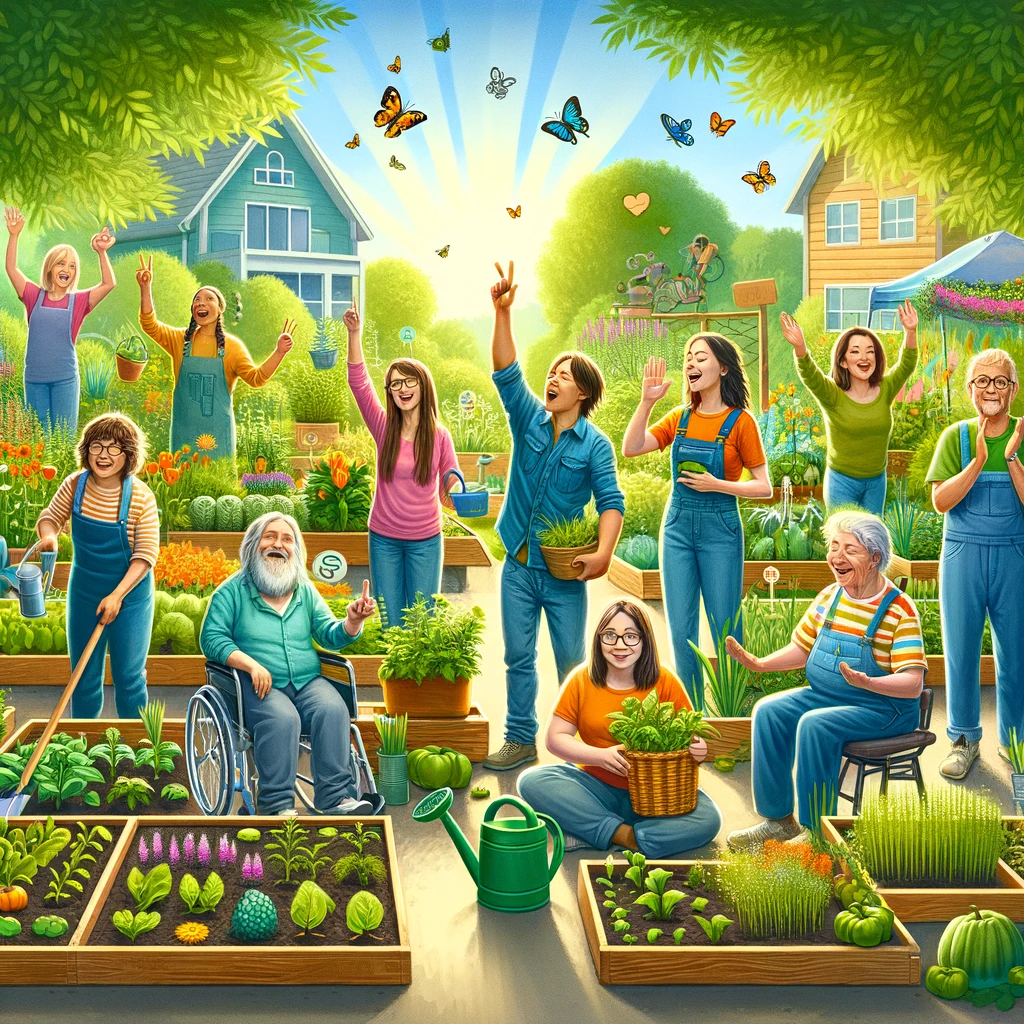
Gardening is not only a source of relaxation and beauty but also a gateway to environmental awareness and sustainability. For the Deaf and Hard of Hearing community, it offers an enriching experience that goes beyond the auditory, engaging the visual and tactile senses. This article provides practical advice and creative ideas to make gardening an accessible, enjoyable, and eco-friendly activity for everyone.
Creating an Accessible Garden
1. Garden Design and Layout:
- Accessibility First: Ensure pathways are wide, stable, and non-slip for easy movement, especially for wheelchair users (Thrive).
- Raised Beds and Containers: Utilize raised beds for comfortable gardening from a seated position, and consider container gardening for mobility and ease of access (Accessible Gardening) (IDEAS Disability Information).
- Ergonomic Tools: Choose tools with long handles and cushioned grips to reduce strain and make gardening tasks more manageable (Accessible Gardening).
2. Sensory Plants and Features:
- Touch and Sight: Incorporate plants with varying textures and vibrant colors to stimulate the senses, such as lamb’s ear, succulents, and brightly colored flowers (IDEAS Disability Information).
- Scented Gardens: Use plants like lavender and jasmine to create a garden that is pleasing to the olfactory senses, offering a delightful experience even without auditory elements (IDEAS Disability Information).
3. Adaptive Equipment and Techniques:
- Customized Tools: Modify tools with tape, foam padding, or PVC pipes for better grip and comfort (IDEAS Disability Information).
- Watering Solutions: Use self-watering containers and position water sources strategically around the garden for ease of maintenance (Accessible Gardening).
Gardening as a Community Activity
1. Community Gardens:
- Social and Tactile: Engage in community gardening, a hands-on activity ideal for visual and tactile communication, fostering community bonds (deafwebsites).
- Collaborative Learning: Community gardens provide an opportunity for learning about plant care and sustainable practices in a group setting.
2. Educational Opportunities:
- Workshops and Events: Participate in gardening workshops that use visual aids and sign language for learning and interaction.
- Sharing Knowledge: Share gardening tips and experiences with peers, promoting an exchange of knowledge and skills.
Sustainable Gardening Practices
1. Eco-friendly Techniques:
- Composting and Recycling: Use composting to recycle organic waste, enriching the soil naturally.
- Water Conservation: Implement water-saving techniques like mulching and drip irrigation to minimize water usage.
2. Supporting Biodiversity:
- Native Plants: Grow native plants to support local wildlife and reduce maintenance needs.
- Pollinator Gardens: Create spaces that attract bees, butterflies, and other pollinators, contributing to the ecosystem’s health.
3. Organic Gardening:
- Natural Pest Control: Use natural pest control methods, avoiding harmful chemicals.
- Organic Fertilizers: Opt for organic fertilizers to nourish plants and soil without damaging the environment.
Gardening, as a peaceful, engaging, and productive hobby, offers the Deaf and Hard of Hearing community a unique way to connect with nature and each other. By implementing these accessible gardening tips and eco-friendly practices, we can foster a sustainable world and enjoy the therapeutic benefits of gardening, making it a truly inclusive activity.
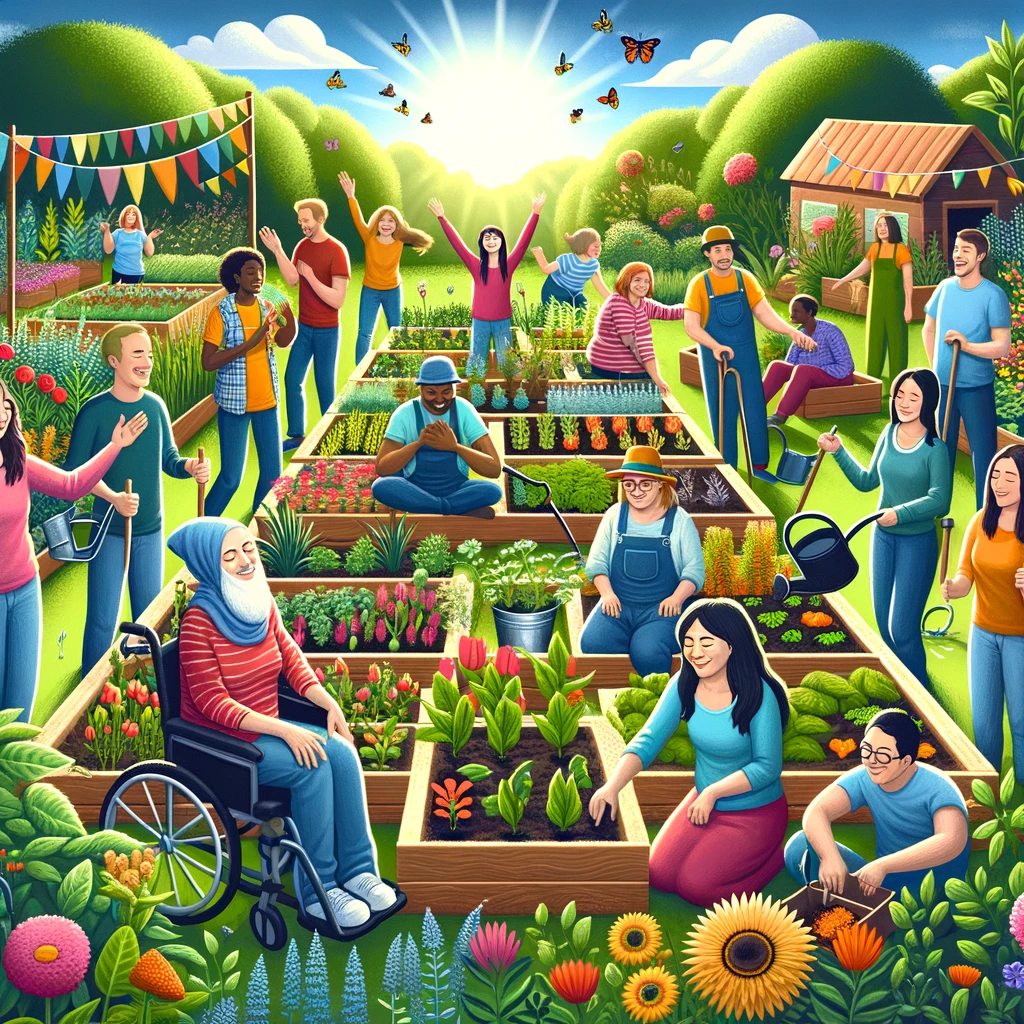
Enhancing Gardening Experience for Deaf and Hard of Hearing Gardeners
4. Visual and Tactile Communication:
- Visual Cues: Use color coding and visual markers to label plants and navigate the garden.
- Tactile Interaction: Encourage tactile exploration through gardening, such as feeling different textures of leaves and soil.
5. Technology and Innovations:
- Assistive Devices: Utilize gardening apps and tools that offer visual or haptic feedback.
- Online Communities: Join online forums and social media groups focused on gardening for the Deaf and Hard of Hearing to exchange ideas and tips.
Earth Day and Environmental Awareness
1. Celebrating Earth Day:
- Special Events: Organize or participate in Earth Day events that are accessible to the Deaf and Hard of Hearing, focusing on environmental education and activities.
- Awareness Campaigns: Use sign language and captioned videos to spread awareness about environmental issues and the importance of sustainable living.
2. Eco-Friendly Gardening Projects:
- Recycling Projects: Create garden art or functional items like bird feeders from recycled materials.
- Planting Trees: Engage in tree planting initiatives, promoting reforestation and carbon offsetting.
Therapeutic Benefits of Gardening
1. Mental Health and Relaxation:
- Stress Reduction: Gardening offers a peaceful retreat, helping to reduce stress and improve mental well-being.
- Mindfulness Practices: Encourage mindfulness through gardening, focusing on the sensory experiences of sight, touch, and smell.
2. Physical Health Benefits:
- Exercise and Mobility: Gardening activities enhance physical fitness, improving strength, flexibility, and endurance.
- Nutrition and Healthy Eating: Growing your own vegetables and herbs contributes to a healthy diet and understanding of nutrition.
Tips for Beginners
1. Starting Small:
- Easy-to-grow Plants: Begin with plants that are easy to grow and require minimal care, such as succulents, herbs, or certain vegetables.
- Gradual Expansion: Slowly expand your garden as you gain confidence and experience.
2. Resource Utilization:
- Local Gardening Resources: Seek out local gardening clubs or resources that offer support and advice for beginners.
- Educational Materials: Look for books, websites, and videos on gardening basics, focusing on accessible content.
Inclusion and Accessibility in Gardening
1. Inclusive Design Principles:
- Universal Design: Aim for garden designs that are inclusive, considering various disabilities and ages.
- Community Involvement: Encourage community involvement in making public gardens more accessible.
2. Advocacy and Awareness:
- Promoting Accessibility: Advocate for greater accessibility in public gardens and parks.
- Raising Awareness: Use your gardening experience to educate others about the needs and abilities of the Deaf and Hard of Hearing community.
Final Thoughts
Gardening is a vibrant, life-affirming activity that transcends communication barriers, bringing together the Deaf and Hard of Hearing community with nature in a meaningful way. Through accessible gardening practices and a commitment to sustainability, we not only enrich our own lives but also contribute to the health of our planet. Let’s use our green hands and open hearts to nurture a world where everyone can enjoy the beauty and bounty of nature.
References (continued):
- Thrive: Accessible garden design. Retrieved from www.thrive.org.uk.
- Accessible Gardening: The Ultimate Guide to Gardening for People with Disabilities. Retrieved from www.accessiblegardening.com.
- Deaf Websites: Accessible Spring Activities for the Deaf and Hard of Hearing. Retrieved from deafwebsites.com.
- IDEAS: Accessible Gardening Tips. Retrieved from www.ideas.org.au.