
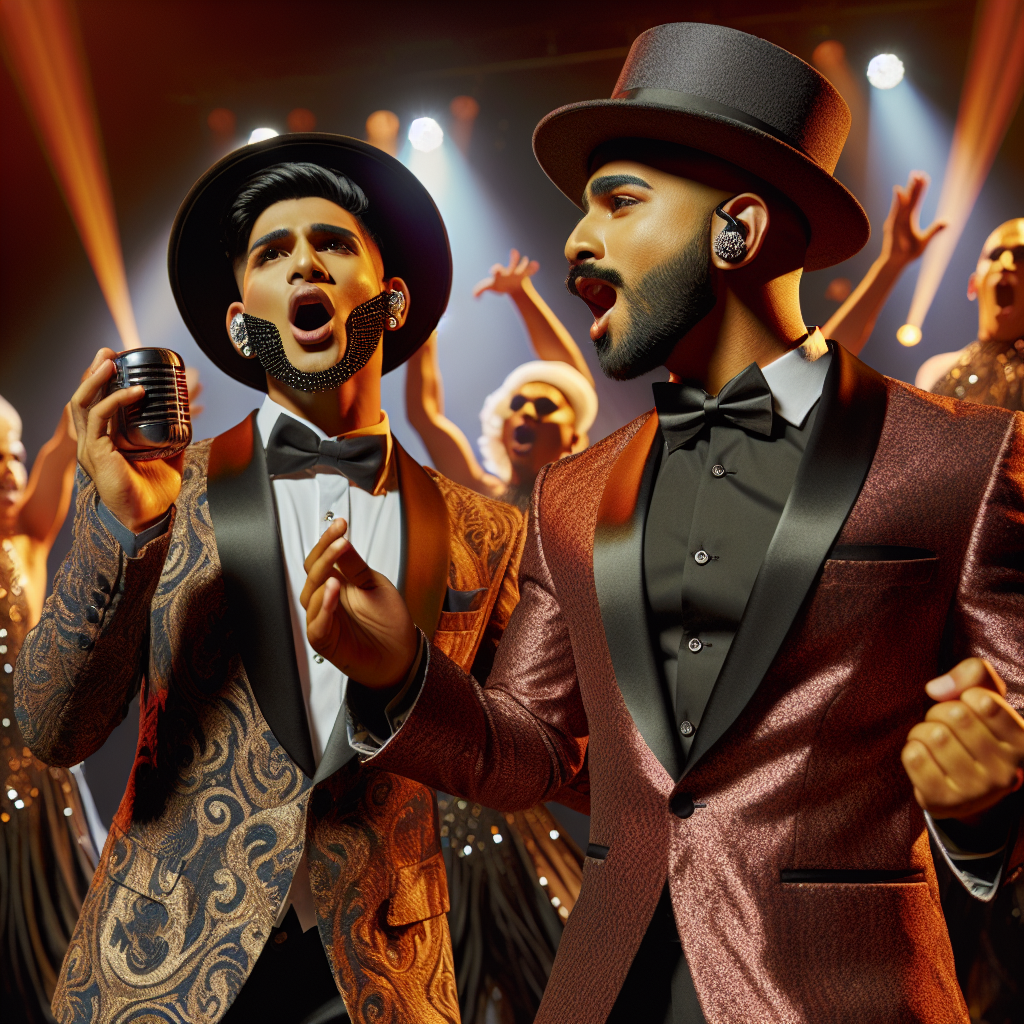
Deaf Pride and inclusivity mark the celebration of a rich culture and community that continues to break barriers and expand horizons. One of the most fascinating facets of this cultural proliferation is the rise of Deaf Drag Kings. These performers not only challenge traditional gender norms but also embody the intersection of Deaf identity and LGBTQ+ representation.
At its core, drag is about self-expression, challenging societal norms, and celebrating individuality. For the Deaf community, this space offers an additional layer of representation and empowerment. It allows Deaf individuals to showcase their talents, creativity, and unique perspectives, often in ways not easily accessible in mainstream culture.
With the popularity of drag culture skyrocketing, the visibility of Deaf Drag Kings offers a powerful message. It’s a declaration that Deaf individuals can thrive in expressive spaces, promote diversity, and challenge misconceptions about ability and identity. As more Deaf Drag Kings rise to prominence, they are championing a broader and more inclusive understanding of both gender and communication.
This article takes a deep dive into the burgeoning world of Deaf Drag Kings, exploring their impact on both the Deaf and LGBTQ+ communities, and their role in shattering stereotypes while advocating for inclusivity and representation.
The Intersection of Deaf Culture and Drag
The intersection of Deaf culture and drag performance is a fascinating one. Drag as an art form has always provided an outlet for challenging gender norms but integrating Deaf culture into it adds layers of depth and complexity. The use of sign language, for instance, becomes not just a means of communication but an integral part of the performance itself.
Deaf Drag Kings often incorporate American Sign Language (ASL) into their routines, merging visual language with performance art. This integration not only makes the performances accessible to Deaf audiences but also introduces hearing audiences to the beauty and expressiveness of sign language.
Moreover, the inclusion of Deaf Drag Kings in the broader drag community aids in debunking misconceptions about Deafness. It proves that Deaf individuals are just as capable of creativity, wit, and dynamism as their hearing peers. Through their performances, they assert that disability is not a barrier to talent or expression, but rather an aspect that can enrich the art form.
This intersection extends beyond the stage. It challenges viewers and participants to reconsider preconceived notions about gender, ability, and identity. By bringing ASL and Deaf culture into the spotlight, Deaf Drag Kings pave the way for a more inclusive and accepting society.
Iconic Figures in the Deaf Drag King Movement
Several prominent figures stand out in the Deaf Drag King movement, each bringing their unique flair and perspective to the stage. Performers like Aaamazing, a well-regarded Deaf Drag King, have been instrumental in pushing boundaries and gaining visibility for Deaf artists within the drag community.
Aaamazing’s performances often blend humor, critique, and heartfelt moments, all while using ASL to communicate with audiences. Their ability to captivate and entertain, despite the language barrier, showcases the universal appeal of drag as an art form.
Another notable figure is Gilda Wabbit, who has made waves both within the Deaf community and the broader drag scene. Wabbit’s commitment to advocacy and representation goes beyond the stage, as they often speak on issues of accessibility, inclusion, and the importance of diverse representation in media.
These performers, among others, not only entertain but also educate. By bringing Deaf experiences into the limelight, they foster greater understanding and appreciation for Deaf culture. Their successes also inspire a new generation of Deaf individuals to explore drag as a means of expression and empowerment.
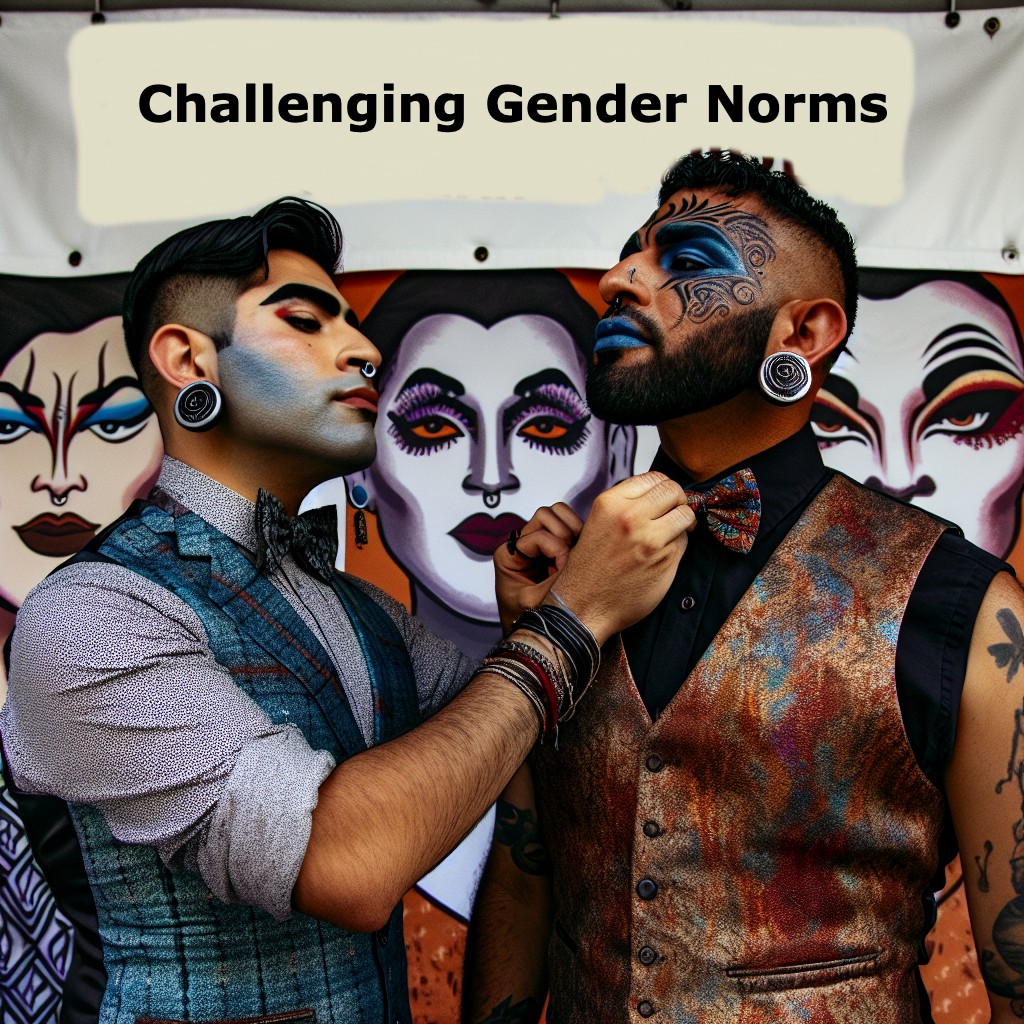
Creating Inclusive Spaces
One of the significant challenges facing Deaf Drag Kings is the need for more inclusive spaces within the drag community and beyond. Traditional venues and platforms often overlook the needs of Deaf performers and audiences, resulting in barriers to full participation and enjoyment.
However, there are strides being made to address these issues. More venues are incorporating ASL interpreters, ensuring that performances are accessible to Deaf and hard-of-hearing attendees. Additionally, some drag events and festivals are specifically designed to highlight Deaf performers, creating a space where they can fully express themselves without the limitations imposed by inaccessible environments.
Social media also plays a critical role in fostering inclusivity. Platforms like Instagram, TikTok, and YouTube provide Deaf Drag Kings with an avenue to reach wider audiences without the constraints of traditional performance spaces. Many Deaf performers use these platforms to share their art, connect with fans, and advocate for greater accessibility and representation.
In creating more inclusive spaces, it’s essential to listen to the needs and preferences of Deaf performers and audiences. This commitment to inclusivity benefits everyone, as it enriches the diversity of the drag community and ensures that all voices can be heard and celebrated.
Advocacy and Awareness
Advocacy and awareness are crucial components of the Deaf Drag King movement. As these performers gain visibility, they often use their platforms to highlight issues affecting the Deaf community, such as access to education, employment, and social services.
By speaking out on these issues, Deaf Drag Kings play a vital role in advocating for systemic change. They challenge societal norms and biases, pushing for policies that promote inclusivity and equal opportunities for Deaf individuals.
Furthermore, their advocacy extends to the broader LGBTQ+ community. Issues like intersectionality, representation, and acceptance are central themes in many deaf drag performances. By addressing these topics, Deaf Drag Kings contribute to a more nuanced and inclusive understanding of gender and sexual identity.
Raising awareness through performance art is a powerful form of activism. It engages audiences emotionally and intellectually, often leading to greater empathy and understanding. As more people become aware of the challenges and triumphs of the Deaf community, the movement towards a more inclusive society gains momentum.
Empowering Voices
Empowerment is at the heart of the Deaf Drag King movement. For many Deaf individuals, drag offers a unique platform to assert their identities and celebrate their culture. It provides a way to defy societal expectations and create a space where they can be unapologetically themselves.
This sense of empowerment extends beyond the individual performers. It resonates with audiences, inspiring them to embrace and celebrate their own identities. For Deaf individuals in particular, seeing Deaf Drag Kings succeed in a traditionally hearing-dominated space is profoundly affirming.
Empowerment also comes from the sense of community and solidarity that the Deaf Drag King movement fosters. Drag houses and collectives often provide a support network for performers, offering mentorship, resources, and a sense of belonging. These communities are essential in nurturing talent and ensuring that all performers have the opportunity to thrive.
As more Deaf Drag Kings rise to prominence, they continue to empower others to explore their identities and express themselves fully. Their success stories serve as a reminder that diversity and inclusion are not just ideals to strive for but tangible realities that can be achieved through perseverance, talent, and community support.
Conclusion
The rise of Deaf Drag Kings is a testament to the power of representation and the importance of inclusivity in all forms of expression. These performers challenge traditional gender norms, advocate for the Deaf community, and empower both Deaf and hearing audiences through their art.
Their contributions go beyond entertainment; they spark conversations about accessibility, identity, and the intersection of cultural experiences. By pushing boundaries and shattering stereotypes, Deaf Drag Kings pave the way for a more inclusive and understanding society.
As we celebrate Pride and the diversity of the LGBTQ+ community, it’s essential to recognize and uplift the voices of Deaf Drag Kings. Their unique perspectives and talents enrich the cultural tapestry, reminding us that inclusivity is not just about making space but about celebrating the beauty of our differences.
Through their performances, advocacy, and empowerment efforts, Deaf Drag Kings demonstrate that everyone has the right to express themselves and be recognized for their contributions. It’s a powerful reminder that when we embrace diversity, we all thrive.