
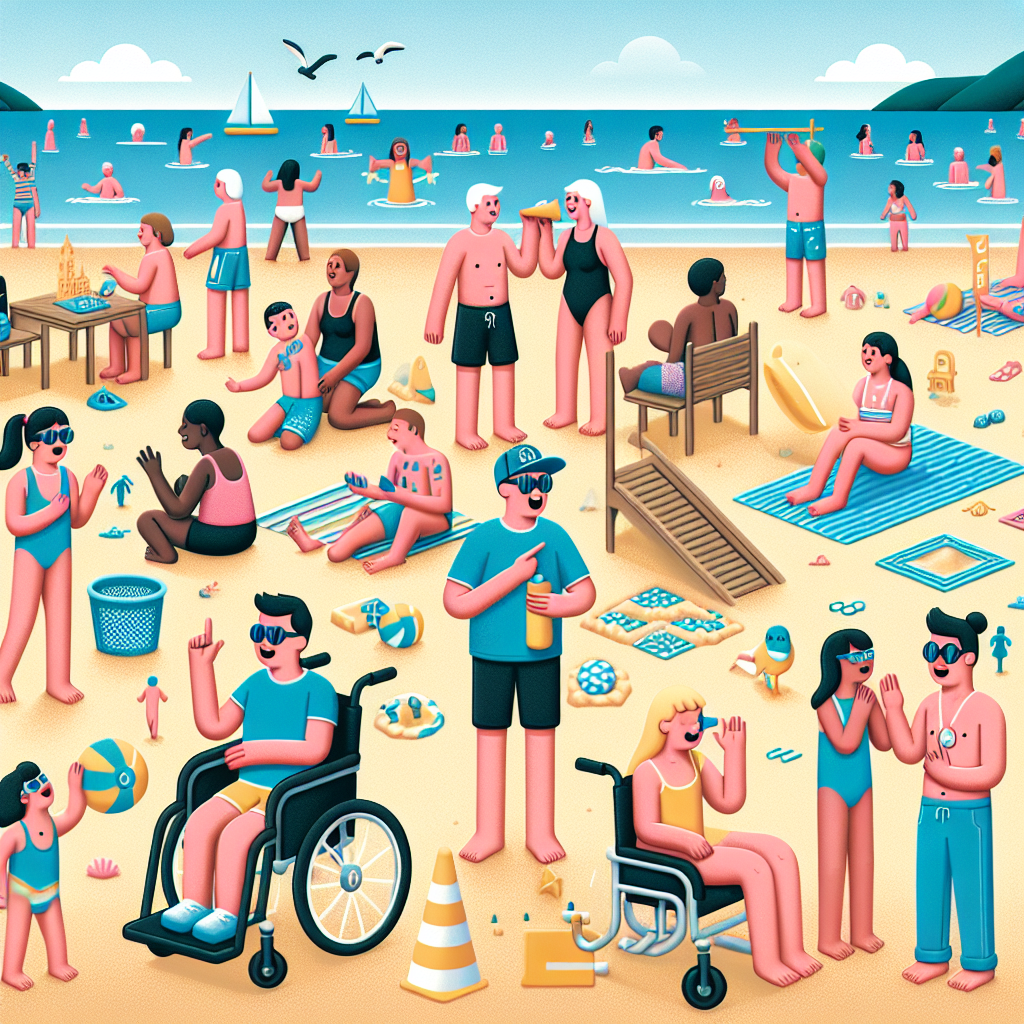
Ah, summer! It’s that time of the year when the sun is shining bright, and the sandy beaches beckon us to dive into their myriad of recreational opportunities. But, imagine planning a beach day if you are deaf or hard of hearing. It comes with its own set of challenges that many might not immediately think about. This is precisely why creating a supportive and inclusive environment for deaf beachgoers is so essential. The goal isn’t just about physical accessibility; it is about ensuring everyone feels included, safe, and understood. This article explores various strategies, activities, and resources to make beach outings enjoyable and accessible for everyone.
There is something inherently soothing about the rhythmic crash of waves, the gentle touch of sand beneath your feet, and the warmth of the sun on your skin. For individuals who are deaf, the beach offers these sensory pleasures, albeit differently. Understanding and addressing these differences can significantly enhance their beach experience. Deaf education and awareness don’t have to take a backseat even while planning fun summer adventures. Through accessible water activities and inclusive strategies, beaches can become havens where everyone can soak up the sun, splash around, and create beautiful memories.
Understanding Accessibility Needs
First and foremost, it’s crucial to recognize the unique challenges that deaf beachgoers might face. Communication can be a significant hurdle, especially in crowded and noisy environments. Hand signals, which might work in quieter settings, can become difficult to see and interpret amidst the beach frenzy. This makes accessibility devices and visual aids an essential part of the solution. Services like live captioning and interpreter access can bolster communication by providing real-time support. Likewise, waterproof communication devices tailored for beach environments can be game changers.
At a more fundamental level, beach accessibility begins with straightforward modifications. Signage that is clear and placed at strategic locations can guide individuals effortlessly. Information boards should include water safety instructions, event schedules, and available facilities in sign language. Furthermore, having staff trained in basic sign language can bridge the gap, making the beach a welcoming space for deaf individuals. The importance of training cannot be overstressed. Lifeguards, for instance, would benefit from learning a few essential signs to help them communicate swiftly and efficiently in emergencies.
Inclusive Water Activities
Water activities form the heart of any beach trip, and ensuring they are inclusive can make all the difference. Organizations and communities across the world are stepping up their game in offering accessible water sports. Surfing programs designed for the deaf community, for example, incorporate instructors fluent in sign language who can provide tailored guidance. These classes foster not just skills but also a sense of belonging and achievement.
Snorkeling and diving also present exciting opportunities that need careful consideration regarding accessibility. Guided underwater tours with visual aids and briefing sessions with interpreters can provide a deeper appreciation of marine life. Similarly, equipment is just as important; waterproof communication boards or wristbands can be employed for signaling underwater. Kayaking and paddleboarding can be adapted by ensuring that instructions and safety protocols are communicated visually through cards or videos.
Technology and Tools for Enhanced Experience
Technology, as ever, is a great equalizer and enabler. Various gadgets and apps can play a pivotal role in enhancing the beach experience for the deaf community. One such advancement is the use of vibrating alarms for water safety. These devices can alert users to changes in tide patterns or signal when it’s time to get back to shore. Apps that provide real-time weather updates and safety notifications in sign language ensure deaf beachgoers stay informed and prepared.
Video relay services (VRS) can also be instrumental. They allow users to place calls to voice telephone users via a sign language interpreter, fostering smoother communication in emergency situations or for coordinating with service providers at the beach. On a more personal level, there are apps available that teach basic sign language to beach staff and fellow beachgoers, promoting an inclusive environment. Wi-Fi-enabled beaches can further enhance these experiences by allowing easy access to these digital tools.
Community and Support Systems
No beach outing is complete without a robust support system. Friends, family, and organized community groups play a crucial role in making beach days enjoyable. Group outings can help dispel feelings of isolation by fostering a sense of camaraderie and understanding. Community organizations often organize events specifically tailored for the deaf community, enabling participants to enjoy a variety of activities within a supportive framework.
Mentorship programs can be incredibly empowering. Seasoned beachgoers with hearing impairments can guide and mentor newcomers, sharing tips and tricks for a safe and fun beach experience. These programs not only instigate confidence but also forge bonds within the community. Online forums and social media groups focusing on accessible beach activities can also be invaluable. They offer platforms for sharing resources, experiences, and recommendations, ensuring everyone has the information they need to make their beach day a grand success.
Educating and Raising Awareness
Education is the bedrock of any inclusive initiative. Promoting awareness about the needs and preferences of deaf beachgoers can lead to more compassionate and accommodating environments. Workshops and training sessions for beach staff can cover crucial aspects, such as basic sign language, setting up visual alert systems, and understanding the specific safety needs of deaf individuals. By fostering a culture of inclusivity, beaches can become more than just recreational spaces; they can serve as models for social integration.
Moreover, educational initiatives should extend beyond the confines of the beach and into schools and communities. Summer camps and educational programs can incorporate modules on deaf awareness and accessibility. Such initiatives can teach children and young adults the value of inclusion from a young age, fostering empathy and understanding. Media campaigns, featuring testimonies and stories from the deaf community, can also be powerful tools for spreading awareness and promoting inclusivity.
Future Prospects and Innovations
As technology evolves, so too will the opportunities for creating more inclusive beach environments. Innovations in augmented reality (AR) and virtual reality (VR) could soon offer lifelike training simulations for beach staff, enhancing their ability to assist deaf beachgoers. Imagine a VR training program that immerses lifeguards into scenarios requiring rapid sign language communication. Such advancements can radically improve preparedness and response times during emergencies.
Similarly, the development of better waterproof communication devices and wearables can offer enhanced safety features. Future innovations might include multilingual sign language translators or advanced haptic feedback systems for underwater communication. As we move forward, the integration of these technologies will bridge gaps and bring us closer to fully inclusive and accessible beach experiences. Public and private sector investments in these innovations will be key to their widespread adoption.
Conclusion
Creating a beach experience that is inclusive and enjoyable for everyone, including deaf individuals, is an achievable goal. Through the concerted efforts of community members, technological innovations, and dedicated educational initiatives, we can create beach environments where everyone feels welcome and empowered. By addressing the unique challenges faced by deaf beachgoers and implementing the strategies discussed, we can ensure that the sun, sand, and sea remain a source of joy and relaxation for all.
So next time you plan your beach day, think about incorporating some of these strategies – whether it’s learning a few basic signs, using accessible communication tools, or just being more aware of the needs of others. With a little effort and a lot of heart, we can all contribute to making our beaches a more inclusive place for everyone. Here’s to a summer filled with unforgettable, inclusive beach bonanzas that celebrate diversity and promote equal enjoyment for all!