
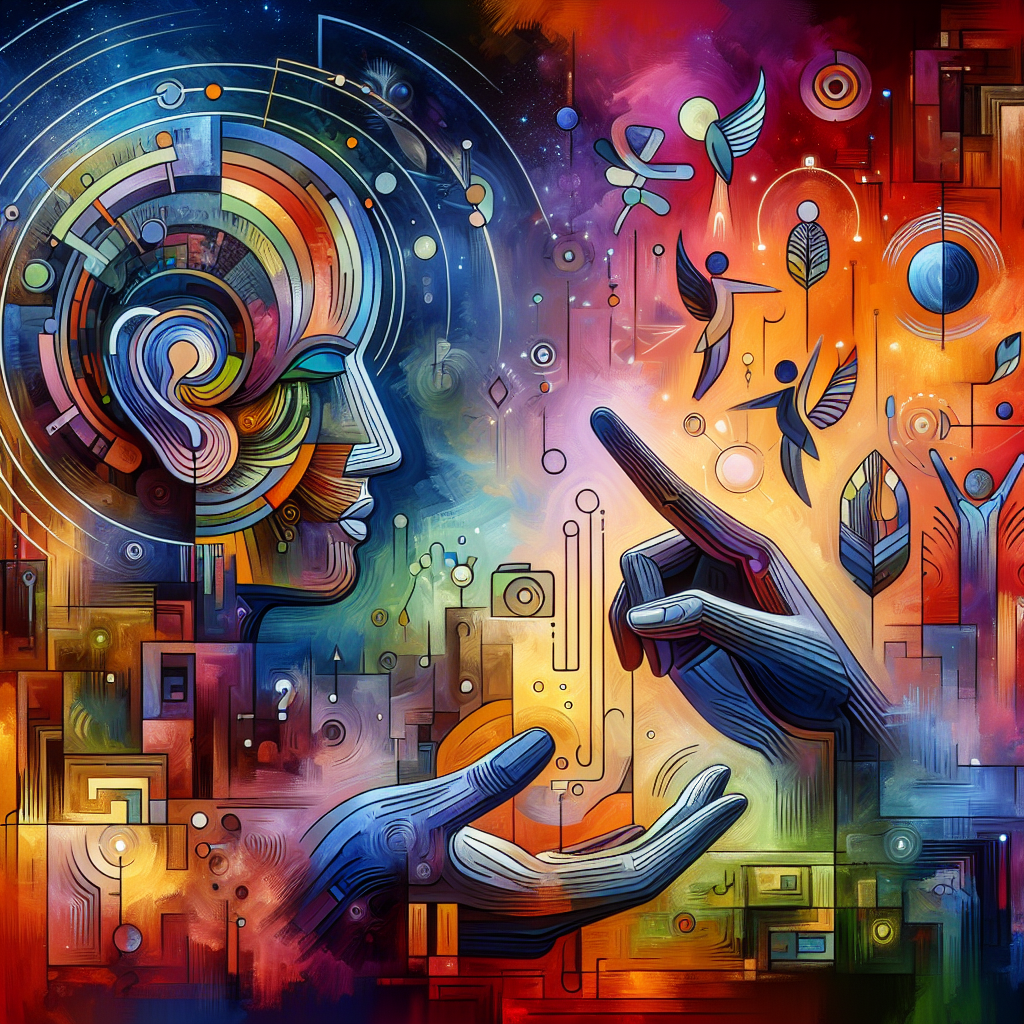
In modern education and awareness movements, the significance of understanding Deaf culture cannot be overstated. Providing an inclusive environment for the Deaf community requires a rich comprehension of their distinct modes of storytelling and expression. One of the most profound methods by which the Deaf community conveys its narratives is through art—a form of communication where images replace words, bringing stories and emotions vividly to life. Deaf art, an often under-recognized facet of artistic expression, melds color, shape, and texture to articulate messages that transcend spoken language. This article delves into the vibrant world of Deaf art, exploring its roots, its unique elements, and its crucial role in expanding our understanding of Deaf culture.
Art is a potent vehicle for communication, universally understood and interpreted. For the Deaf community, however, visual storytelling through art offers a gateway to express experiences, emotions, and cultural narratives that might be challenging to convey through spoken or written languages. Deaf artists use their work to advocate for visibility, challenge societal norms, and celebrate the richness of their culture. Whether through paintings, sculptures, or digital media, Deaf art is a testament to the community’s resilience, creativity, and profound depth of experience. By examining the elements of Deaf art, we can gain insights into how this visual language shapes and informs broader cultural conversations.
The Foundations of Deaf Art
Understanding Deaf art begins with an appreciation of its historical and cultural origins. Deaf artists have been creating distinctive art forms for centuries, often inspired by their unique life experiences and the world around them. Historically, Deaf art has been influenced by various movements and styles, absorbing elements from mainstream art while simultaneously developing a unique identity.
The concept of “Deaf Art” can be traced back to the early 20th century, although it gained more significant recognition in the latter half of the century. A pivotal moment was in the 1960s and 1970s, alongside the broader civil rights movements, when Deaf individuals began advocating for recognition of their language, American Sign Language (ASL), and their cultural identity. This period saw a surge in creative expression among Deaf artists, who used their work to highlight social justice issues, identity, and the Deaf experience.
Key figures in Deaf art, such as Betty G. Miller and Chuck Baird, have paved the way for contemporary Deaf artists. Miller, often referred to as the mother of De’VIA (Deaf View/Image Art), created works that deeply reflected the Deaf experience, critiquing audism and celebrating Deaf culture. Meanwhile, Baird’s vibrant paintings and illustrations often depicted hands and signs, embodying the essence of ASL and the unique visual language of the Deaf community.
Elements and Styles in Deaf Art
Deaf art is characterized by distinct elements and styles that set it apart from mainstream art. One of the primary features is the emphasis on visual narratives, where the use of vibrant colors, bold lines, and dynamic compositions plays a crucial role in storytelling. The visual language in Deaf art is intentional and communicative, often embedding ASL signs, cultural symbols, and metaphors within the artwork.
The De’VIA manifesto, established in the 1980s, outlines the characteristics of Deaf art. According to this framework, Deaf art is defined by its focus on the Deaf experience, cultural identity, and the visual representation of ASL. The manifesto emphasizes the use of contrasting colors, exaggerated shapes, and centralized focus to convey core themes. Deaf art often employs visual metaphors to depict the barriers faced by the Deaf community, as well as their cultural pride and resilience.
An example of this is the frequent portrayal of hands in Deaf art. Hands are not just physical appendages but are crucial tools for communication in ASL. Artistic representations of hands in various positions and movements symbolize the dynamism and beauty of sign language. Moreover, Deaf artists often use their work to critique societal attitudes towards deafness, portraying themes such as isolation, oppression, and the struggle for recognition and equality.

The Impact of Deaf Art on Cultural Awareness
Deaf art has a profound impact on cultural awareness and education, serving as a powerful medium to bridge the gap between Deaf and hearing communities. Through their work, Deaf artists provide a window into their world, offering insights into their experiences, challenges, and triumphs. This visual storytelling not only educates but also fosters empathy and understanding among those unfamiliar with Deaf culture.
Exhibitions and galleries dedicated to Deaf art play a crucial role in spreading awareness. These spaces allow for the celebration of Deaf culture and creativity, while also challenging viewers to reconsider preconceived notions about deafness. Educational institutions incorporating Deaf art into their curriculums provide students with a deeper understanding of diversity and inclusion, helping to cultivate a more inclusive society.
Moreover, Deaf art has influenced various aspects of mainstream art and media. Increasingly, we see collaborations between Deaf and hearing artists, leading to a fusion of styles and perspectives that enrich the artistic landscape. These collaborations highlight the importance of accessibility and representation in the arts, ensuring that diverse voices are heard and celebrated.
The Role of Technology in Deaf Art
Technology has revolutionized the creation and dissemination of Deaf art, providing new platforms and tools for artists to express themselves. The advent of digital media, social networks, and virtual galleries has expanded the reach of Deaf art, allowing artists to share their work with a global audience.
Digital tools such as graphic design software, animation, and video editing have opened up new avenues for Deaf artists to explore and innovate. These technologies enable artists to create intricate and interactive visual narratives that were previously difficult to achieve. For instance, video art and digital storytelling incorporate ASL in ways that engage the viewer on multiple sensory levels, blending visual and kinetic elements.
Social media platforms like Instagram, TikTok, and YouTube have become invaluable for Deaf artists to showcase their work, connect with other artists, and engage with audiences. These platforms also serve as educational resources, where Deaf and hearing individuals alike can learn about Deaf culture, art, and the nuances of ASL through accessible and engaging content.
Challenges Faced by Deaf Artists
Despite the growing recognition and inclusion of Deaf art, Deaf artists still face significant challenges. Barriers such as limited accessibility to art education, funding constraints, and societal biases continue to impact the visibility and opportunities available to Deaf artists.
Many Deaf individuals do not have access to art education tailored to their needs. Traditional art classes often rely on auditory instruction, making it difficult for Deaf students to fully engage and benefit from the curriculum. Efforts to develop more inclusive education models, with emphasis on visual instructions and the integration of ASL, are essential in addressing this issue.
Funding is another significant hurdle. Grants and financial support for Deaf artists are relatively limited compared to their hearing counterparts. Advocacy for more equitable funding opportunities and the establishment of dedicated funds for Deaf artists can help to bridge this gap, enabling them to pursue their artistic endeavors more fully.
Societal biases and misconceptions about deafness and Deaf art also pose challenges. Many still view Deaf individuals through a deficit lens, focusing on what they cannot do rather than recognizing their unique capabilities and contributions. Combating these biases requires ongoing advocacy, education, and representation of Deaf art in mainstream media and institutions.
The Future of Deaf Art
The future of Deaf art is bright, with a new generation of Deaf artists pushing boundaries and exploring innovative ways to express their culture and experiences. Advancements in technology, increasing cultural awareness, and continued advocacy for inclusivity are paving the way for a more vibrant and diverse artistic landscape.
Educational initiatives and programs dedicated to promoting Deaf art and culture are on the rise. Universities and art schools are beginning to offer more courses focused on Deaf studies and visual storytelling, providing invaluable resources and support for aspiring Deaf artists. These initiatives not only empower Deaf individuals to pursue their passions but also educate the broader community about the richness of Deaf culture.
Collaborations between Deaf and hearing artists will likely continue to grow, leading to a richer, more inclusive art world. These partnerships can foster mutual respect and understanding, blending diverse perspectives and styles to create innovative works of art. The increasing visibility of Deaf artists in mainstream media and art institutions also ensures that their voices and stories are heard, challenging stereotypes and celebrating the diversity of human expression.
Conclusion
Deaf art is a vibrant, dynamic form of visual storytelling that offers profound insights into the Deaf experience. Its unique elements and styles, rooted in cultural identity and the visual language of ASL, communicate powerful messages that resonate beyond words. By appreciating and supporting Deaf art, we not only celebrate the creativity and resilience of Deaf artists but also foster greater cultural awareness and inclusion.
As we move forward, it is essential to continue advocating for equitable opportunities for Deaf artists, promoting inclusive education, and challenging societal biases. The future of Deaf art is promising, with technology and increasing cultural recognition opening new avenues for expression and connection. Embracing Deaf art enriches our collective artistic landscape, offering a more holistic understanding of the human experience.