
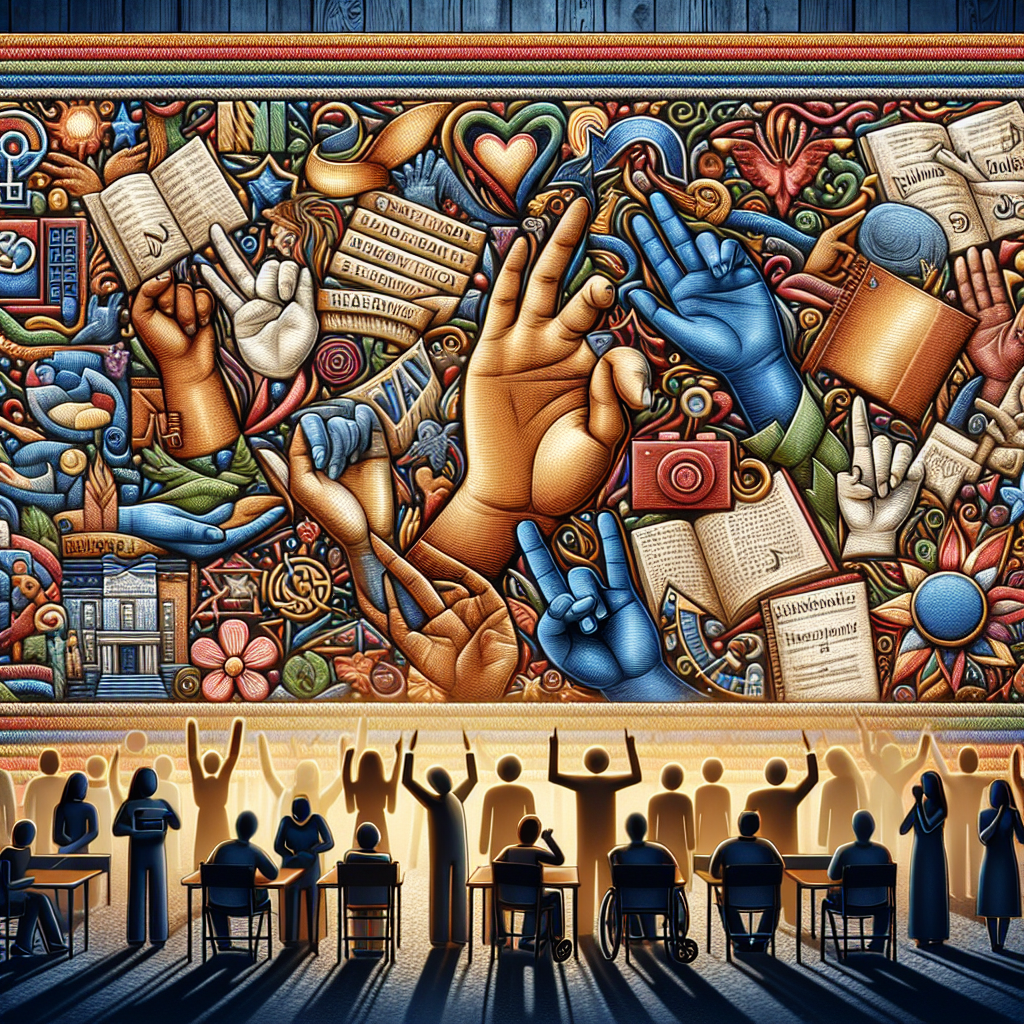
When we talk about cultural richness and diversity, it’s important to shine a light on communities that form essential threads in the social and cultural tapestry of our world. One such vibrant and often underrepresented community is the Deaf community. Far beyond the perceptions of limitations and disabilities, the Deaf culture is filled with rich traditions, unique customs, and a profound sense of identity and unity.
Deaf culture encompasses the experiences, stories, beliefs, and values of those who identify with Deafness—not merely as a physical condition, but as a cultural identity. Contrary to common misconceptions, Deaf individuals do not view themselves as disabled but rather as part of a distinct cultural and linguistic minority. Understanding Deaf culture requires us to move beyond the medical model of deafness and to appreciate it from a sociocultural perspective.
The objective of this article is to unveil the diverse traditions and customs that define Deaf culture. From the historical roots of sign languages to contemporary educational practices and community activities, we aim to offer a comprehensive look into this unique world. By fostering awareness and appreciation, we hope to promote inclusivity and respect for the Deaf community.
The Historical Roots of Deaf Culture
The history of Deaf culture is deep-seated and stretches back centuries. One of the foundational elements is the development and recognition of sign languages. American Sign Language (ASL), for instance, has its roots in the early 19th century and was influenced by French Sign Language due to the work of Thomas Hopkins Gallaudet and Laurent Clerc. ASL is now recognized as a fully-fledged language with its own syntax and grammar.
In the 1880s, a significant event in Deaf history occurred—the Second International Congress on Education of the Deaf in Milan, Italy. The conference decided overwhelmingly in favor of oralism, promoting speech and lip-reading over sign language. This decision had lasting impacts, sidelining sign language for decades and affecting Deaf education globally. However, the Deaf community’s resilience and advocacy led to a resurgence of sign language in the mid-20th century.
The cultural revival was bolstered by the establishment of institutions like Gallaudet University in Washington, D.C., the world’s only university designed specifically for Deaf and hard-of-hearing students. Founded in 1864, Gallaudet is a cornerstone of Deaf education and culture, fostering academic excellence and leadership within the Deaf community.
Language: The Heart of Deaf Culture
At the heart of Deaf culture lies sign language, which serves as its primary mode of communication. Unlike spoken languages, sign languages are visually based and utilize hand shapes, facial expressions, and body movements to convey meaning.
ASL is more than just a tool for communication; it is a profound expression of identity and culture for the Deaf community. Learning ASL transcends mere language acquisition—it involves embracing a cultural narrative and fostering a deep appreciation of the Deaf worldview.
In addition to ASL, various other sign languages exist around the world, each with its own unique characteristics. British Sign Language (BSL), Auslan (Australian Sign Language), and many others amply illustrate the diversity within the Deaf world. These languages play a crucial role in preserving the heritage and fostering solidarity within Deaf communities.
Deaf Education: Navigating Challenges and Celebrating Triumphs
Deaf education has always been a subject of intense discussion and debate. Traditionally, educational approaches oscillated between oralism, which emphasizes lip-reading and speech, and manualism, which promotes the use of sign language.
In recent decades, the trend has shifted towards a more inclusive and bilingual approach, which combines both sign language and spoken language to enhance learning opportunities. Many educators and advocates believe that exposing Deaf children to sign language at an early age is crucial in their cognitive and social development.
Institutions like the Model Secondary School for the Deaf (MSSD) and various residential schools have been pioneers in implementing comprehensive educational programs that cater specifically to the learning needs of Deaf students. These institutions not only provide academic education but also nurture the cultural and social aspects of Deaf life.
The role of technology in Deaf education cannot be overstated. Innovations such as cochlear implants, captioning services, and video relay services have transformed educational accessibility for Deaf students. However, it’s important to recognize that technology is just one aspect and should complement—not replace—cultural and linguistic education.
Arts and Entertainment: Expressions of Deaf Culture
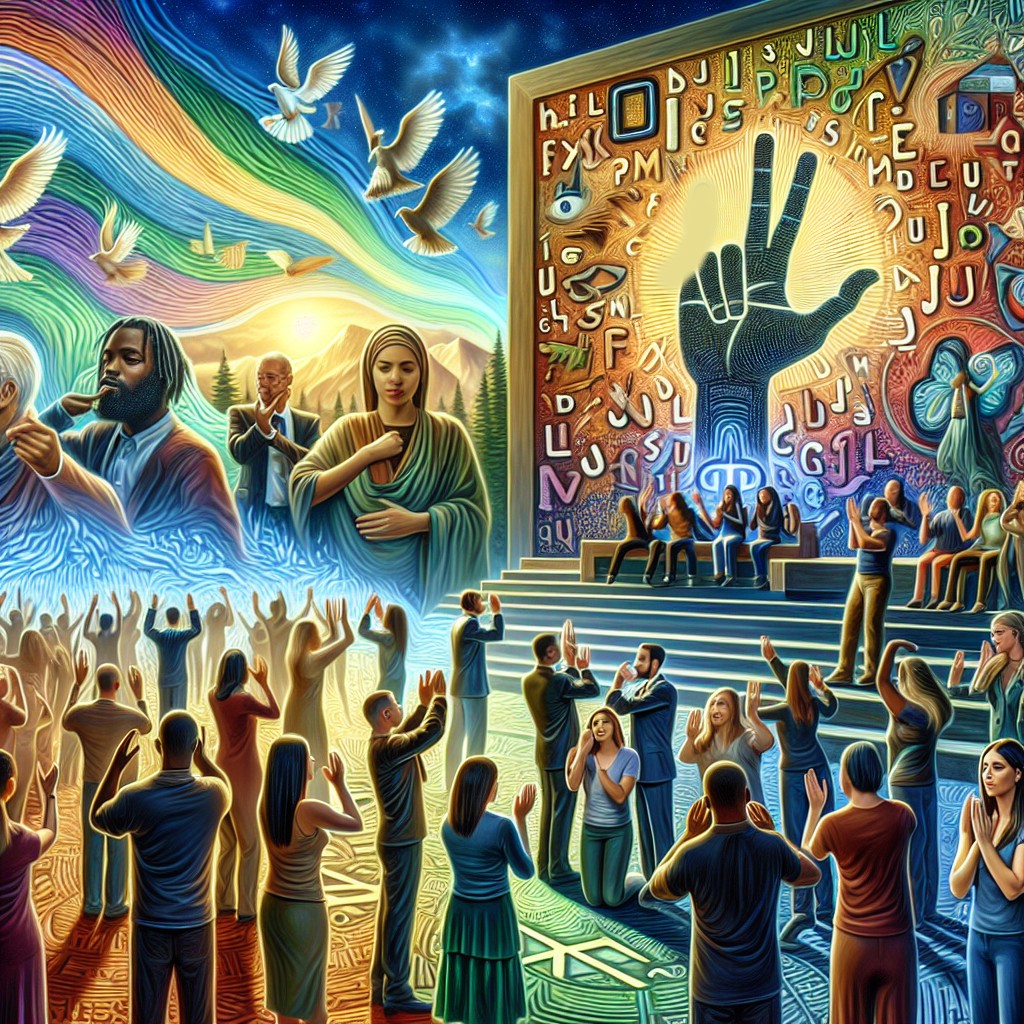
The vibrant world of arts and entertainment is another domain where Deaf culture thrives. From theatre productions to film, literature, and visual arts, Deaf artists have made significant contributions, further enriching the cultural panorama.
Deaf theatre, for instance, has grown exponentially with organizations like the National Theatre of the Deaf (NTD) making groundbreaking performances that celebrate Deaf history and stories. Productions that incorporate sign language and Deaf actors have captivated audiences both within and beyond the Deaf community.
Films such as “Sound and Fury,” “Children of a Lesser God,” and more recently, “CODA” (Children of Deaf Adults) have brought Deaf experiences and narratives into the mainstream. These works offer insightful perspectives on the dynamics of Deaf life, fostering greater understanding and empathy.
Literarily, Deaf authors and poets like Dorothy Miles and Clayton Valli have penned works that beautifully articulate the essence of Deaf culture. Their contributions provide invaluable insights and ensure that Deaf voices are celebrated and heard.
Community and Social Life
Community and social bonds form the bedrock of Deaf culture. Social gatherings, events, and organizations play pivotal roles in creating and maintaining a sense of belonging and solidarity within the Deaf community.
Clubs, associations, and advocacy groups such as the National Association of the Deaf (NAD) offer platforms for socializing, networking, and collective action. These organizations have been at the forefront of championing the rights and interests of Deaf individuals, working tirelessly to advocate for accessibility, legal protections, and social justice.
Events like Deaflympics, Deaf Expos, and World Federation of the Deaf Congresses provide opportunities for Deaf people to celebrate their culture, showcase their talents, and foster connections globally. These events are festivities where Deaf identity and pride are joyfully expressed and celebrated.
The role of technology, social media, and online communities in shaping contemporary Deaf social life cannot be overlooked. Platforms such as YouTube, Instagram, and TikTok have become valuable spaces for Deaf influencers, educators, and advocates to share knowledge, build networks, and amplify their voices.
Celebrating Traditions and Embracing Change
One of the fascinating aspects of Deaf culture is its ability to balance tradition with innovation. While deeply rooted in history, the Deaf community embraces change and adapts to the evolving landscape.
Traditions such as the annual Deaf Awareness Month in September and the International Week of the Deaf are critical in promoting understanding and appreciation. These celebrations highlight the achievements, heritage, and contributions of Deaf individuals and help dispel myths and misconceptions.
Additionally, contemporary movements within Deaf culture emphasize intersectionality and inclusivity, recognizing the diverse experiences of Deaf individuals across different gender, racial, and socioeconomic backgrounds. This inclusive approach enriches the cultural narrative and ensures that all voices within the Deaf community are heard.
Embracing technological advancements, increasing accessibility, and fostering partnerships with hearing allies are also essential strategies. By working together, both Deaf and hearing communities can collaboratively build a more inclusive and respectful society.
Conclusion
The Deaf community presents a rich tapestry of traditions, customs, and cultural expressions that deserve recognition and celebration. Far from being a monolith, Deaf culture is diverse and multifaceted, reflecting the unique experiences and identities of its members.
By delving into the historical roots, understanding the central role of sign language, exploring educational practices, and appreciating artistic contributions, we gain a profound appreciation of Deaf culture’s significance. Community life, social bonds, and the ability to balance tradition with change further enrich this vibrant cultural narrative.
Fostering awareness and education about Deaf culture is essential in promoting inclusivity and respect. By breaking down barriers of ignorance and prejudice, we can create a more inclusive society where Deaf individuals are valued for their contributions and experiences.
As we continue to learn and grow, let us celebrate Deaf culture not as a mere aspect of diversity but as an integral and cherished part of our collective human heritage. By embracing the richness of Deaf traditions and customs, we enrich our own lives and foster a world where every culture is admired and respected.