
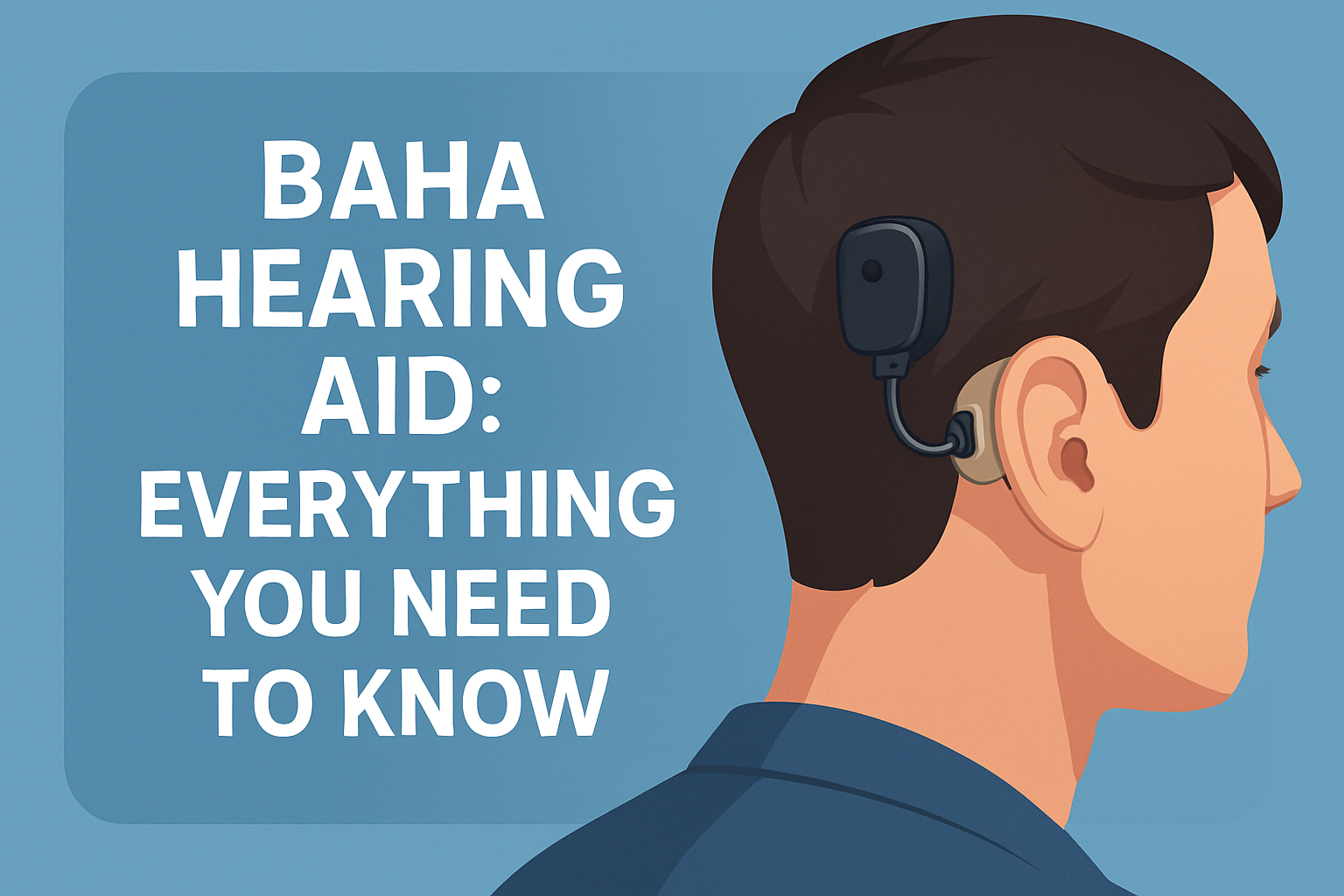
Introduction to Baha Hearing Aids
Hearing loss affects millions of people worldwide, impacting their daily lives and communication abilities. For those with specific types of hearing impairments, traditional hearing aids may not suffice. This is where Baha (Bone Anchored Hearing Aid) systems come into play. Baha hearing aids are specialized devices designed for individuals with conductive hearing loss, mixed hearing loss, or single-sided deafness. Unlike conventional hearing aids that amplify sound through the air, Baha uses bone conduction to deliver sound vibrations directly to the inner ear. Understanding how Baha systems work and their benefits can be life-changing for those who are suitable candidates.
The significance of exploring Baha hearing aids cannot be overstated. Traditional hearing aids can fail to provide sufficient support for individuals with particular types of hearing loss due to anatomical or functional barriers. Baha hearing aids offer a viable alternative to bridge this gap by bypassing the outer and middle ear entirely. By facilitating a clearer and more direct pathway to the cochlea, Baha hearing aids ensure users experience sound in a more natural and effective manner. It’s crucial for potential users, healthcare providers, and caregivers to be well-informed about Baha hearing aids as they evaluate options to improve quality of life through better hearing.
How Baha Hearing Aids Work
At the heart of a Baha hearing system is its unique method of sound transmission. Traditional hearing aids amplify sound waves to pass through the outer and middle ear, but Baha devices utilize bone conduction technology. Sound directly transmitted through the bone can provide a clearer, more direct path to the inner ear and cochlea, bypassing parts of the ear that may be damaged or impaired.
The system typically consists of a small titanium implant placed in the skull bone behind the ear, an external sound processor, and an abutment or magnet that connects these two components. Sound waves received by the external processor are converted into vibrations that the bone conducts directly to the cochlea. Patients with single-sided deafness often find that this transmission method helps localize sound and improve overall auditory experience.
Benefits of Baha Hearing Aids
The advantages of Baha hearing aids extend beyond mere sound amplification. Firstly, they provide improved sound quality and clearer hearing experiences for users, especially in noisy environments where traditional aids may falter. By bypassing the outer and middle ear, Baha systems minimize distortion and deliver a more natural sound, which is especially beneficial for individuals with conductive hearing loss.
Moreover, Baha aids offer enhanced spatial awareness. People with single-sided deafness greatly benefit from the ability to perceive sound from all directions, facilitating better communication in group settings and environments where understanding speech can be challenging. Real-world examples include students being able to follow classroom discussions seamlessly, or professionals engaging more effectively in meetings. Overall, the improved hearing experience leads to increased confidence and engagement in social situations.
Real-world Case Study: Emily’s Journey with Baha
Consider Emily, a teenager diagnosed with unilateral hearing loss due to a congenital condition. Traditional hearing aids proved ineffective as they mostly amplified background noise. Upon consultation with her audiologist, she transitioned to a Baha hearing system. The improvement was immediate; Emily reported a significant increase in comfort and the ability to hear her friends more clearly in the crowded hallways of her school.
This real-world example underscores the transformative impact of Baha hearing aids on daily life. Emily’s story highlights how these devices can restore not just hearing, but also self-esteem and a sense of normalcy in social interactions. The psychological and emotional benefits are invaluable in promoting overall well-being.
Considerations and Candidacy for Baha Hearing Aids
Determining candidacy for Baha hearing aids requires careful evaluation by healthcare professionals. Suitable candidates typically include those with conductive or mixed hearing loss and individuals with single-sided deafness. Determining factors include the type and severity of hearing loss, the condition of the ear anatomy, and the patient’s ability to undergo minor surgical procedures.
Surgery is a critical component of Baha implantation, and potential candidates need to understand the procedure, recovery time, and any associated risks. While the surgery is relatively straightforward, it is essential to have realistic expectations and be willing to commit to postoperative care and follow-up appointments to ensure the best outcomes.
Another consideration is the cost and availability of Baha systems. Unlike standard hearing aids, Baha devices and surgical procedures may be more expensive and require insurance coverage. Patients and caregivers should explore financial options and insurance policies to understand the potential costs involved fully.
- Types of Hearing Loss: Conductive, mixed, single-sided deafness
- Procedure: Outpatient surgery to place the implant
- Adjustment Period: Typically requires some time for users to acclimate to the device
- Insurance Coverage: Varies by policy, often requires pre-approval
Cost and Accessibility of Baha Hearing Aids
The cost of Baha hearing aids can vary significantly based on various factors, including geographical location, healthcare provider fees, and insurance coverage. While Baha devices are generally more expensive than traditional hearing aids, the investment is well worth it for those who benefit from the improved hearing experience. It is important for potential users to research and discuss with audiologists and insurance providers to gain a comprehensive understanding of the associated expenses.
Financial accessibility plays a crucial role in the decision-making process. Insurance coverage for Baha hearing aids may be limited, and policies vary widely in terms of what is included. Some insurance plans cover a portion of the costs, while others may require significant out-of-pocket expenses. Exploring financing options, grant programs, or charitable organizations offering assistance can provide additional support for those in need. A thorough understanding of coverage options ensures that potential users are well-prepared to make informed decisions.
Summarizing the Key Takeaways
Baha hearing aids present a revolutionary solution for individuals with specific types of hearing impairments, offering clear sound quality and enhanced auditory experiences. By understanding bone conduction technology and its application, potential users can determine whether Baha is a suitable option. Real-world examples, such as Emily’s, demonstrate the practical benefits and transformative impact these devices can have on people’s lives. Discussing candidacy with healthcare professionals is essential for determining suitability and understanding what type of Baha system might be most beneficial.
Thank you for investing the time into understanding Baha hearing aids. For more information or to see if you might be a candidate, consult with an audiologist or healthcare provider specializing in bone-anchored hearing solutions. Taking the step to explore your hearing options can lead to significant improvements in quality of life and overall well-being. Consider scheduling an appointment today to learn more about how a Baha hearing aid might benefit you.
Frequently Asked Questions
1. What is a Baha Hearing Aid and how does it work?
A Baha Hearing Aid, or Bone Anchored Hearing Aid, is a cutting-edge hearing solution designed for individuals with specific types of hearing impairments, such as conductive hearing loss, mixed hearing loss, or single-sided deafness. Unlike traditional hearing aids that amplify sound through the ear canal, Baha devices work on the principle of bone conduction. This means they bypass the outer and middle ear to transmit sound vibrations directly to the cochlea through the skull bone.
The system consists of a small titanium implant surgically placed into the bone behind the ear, a connecting abutment, and an external sound processor. The sound processor captures sound waves and converts them into vibrations. These vibrations are then sent through the abutment and implant, directly stimulating the cochlea. This allows individuals to perceive sound more clearly, especially in environments where traditional hearing aids might struggle.
2. Who is a suitable candidate for a Baha Hearing Aid?
Baha Hearing Aids are specifically designed for people who have conductive hearing loss, mixed hearing loss, or unilateral hearing loss, also known as single-sided deafness. Conductive hearing loss occurs when there’s a problem conducting sound waves anywhere along the path through the outer ear, tympanic membrane (eardrum), or middle ear. Mixed hearing loss is a combination of conductive and sensorineural hearing loss, where there are problems with both conduction of sound and perception along the nerve pathways.
Single-sided deafness is when there is profound hearing loss in one ear while the other ear has normal hearing. Baha provides a unique solution by transmitting the sound from the deaf ear to the functioning cochlea of the normal hearing ear, effectively allowing bilateral hearing. Patients who have these types of hearing loss, particularly where traditional hearing aids have not been effective, are ideal candidates for Baha systems.
3. What is the process for getting a Baha Hearing Aid?
The process of obtaining a Baha Hearing Aid typically begins with a thorough evaluation by an audiologist and an ENT (Ear, Nose, and Throat) specialist to determine candidacy. This includes a series of hearing tests to assess the nature and degree of hearing loss. If you are considered a suitable candidate, the next step involves a surgical procedure to implant the titanium fixture into the bone.
The surgery is usually an outpatient procedure done under local or general anesthesia and typically takes about an hour. After the surgery, there is a healing period, usually around six to twelve weeks, allowing the bone to integrate with the implant. Once the site has healed, the external sound processor is fitted and fine-tuned by an audiologist to ensure optimal performance. Patients often undergo follow-ups to monitor the device’s effectiveness and make necessary adjustments.
4. What are the advantages of using a Baha Hearing Aid over traditional hearing aids?
One of the key advantages of a Baha Hearing Aid is its ability to bypass the outer and middle ear, providing clearer and more direct sound quality for those with conductive or mixed hearing loss. This makes it particularly beneficial for patients who have issues with blockages or malformations in these areas. Additionally, for individuals with single-sided deafness, Baha offers a way to pick up sounds on the impaired side by transferring them to the good ear, significantly improving spatial awareness and sound localization.
Another benefit is the reduction of feedback and distortion, which can be a common issue with traditional hearing aids. Since Baha uses bone conduction, it often leads to a more comfortable auditory experience for users. Furthermore, many patients report a significant improvement in their ability to comprehend speech, especially in noisy environments, as well as enhanced overall auditory perception, enhancing quality of life and communication efficacy.
5. Are there any risks or downsides associated with Baha Hearing Aids?
As with any surgical procedure, there are risks associated with the implantation of a Baha system. These may include infection at the implant site, skin irritation, or complications related to the anesthesia used during surgery. However, such incidences are relatively rare, and most patients recover swiftly and without issue.
Another point to consider is that the sound quality through bone conduction may take some time to get used to, as it is different from what you might experience with traditional air-conducted sounds. Some users might also experience issues like skin tenderness around the abutment area, though this can often be managed with good hygiene and regular follow-ups with a healthcare provider.
It’s important for potential candidates to have a detailed discussion with their healthcare team to fully understand the benefits and possible risks, as well as to ensure they have realistic expectations about the outcomes. With professional guidance and support, many users find the Baha system to be a life-changing option for their specific type of hearing loss.