
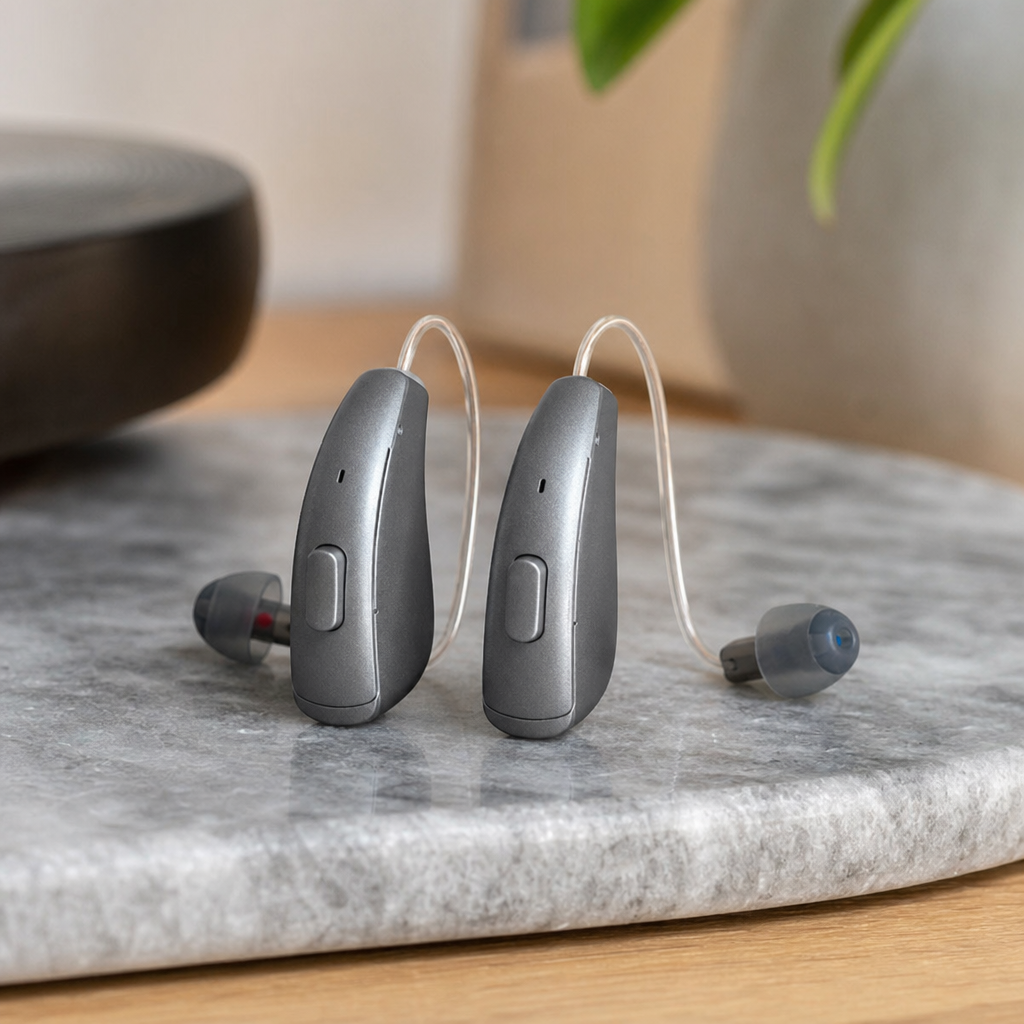
ReSound Nexia hearing aids are a current premium hearing aid family designed to improve speech understanding, support wireless connectivity, and give users flexible options for hearing care in daily life. For anyone researching hearing aids, this guide to ReSound Nexia hearing aids serves as a practical hub: it explains what the line is, who it suits, how the technology works, what models and features matter most, and what questions to ask before buying. In plain terms, a hearing aid is a small medical device that amplifies and processes sound for people with hearing loss, while a hearing aid platform is the underlying chip, software, and feature set shared across several device styles. Nexia is ReSound’s modern platform for addressing common complaints I hear from patients and families every week: trouble hearing conversation in noise, difficulty streaming calls clearly, discomfort from loud sudden sounds, and confusion about rechargeable versus disposable battery choices. The topic matters because hearing loss affects communication, cognitive load, social participation, workplace performance, and safety, yet many people delay treatment for years. Choosing the right hearing aid family can shorten that delay, especially when the product line is easy to understand. A good hub article should therefore do three things: define the range, clarify the tradeoffs, and help readers connect this overview with more specific decisions about styles, fittings, accessories, and follow-up care.
What ReSound Nexia is and who it is for
ReSound, part of the GN Group, has a long track record in wireless audio and hearing technology, and that background shows in Nexia. The platform is intended for adults with mild to profound hearing loss depending on the model and receiver configuration, though exact candidacy depends on the audiogram, ear anatomy, dexterity, and listening goals. In clinic, I explain Nexia as a hearing aid family built around three priorities: speech clarity in complex environments, broad device connectivity, and practical wearability. It is not one single hearing aid. It is a collection of behind-the-ear and receiver-in-ear options that share core signal processing but differ in size, battery approach, microphone layout, and fitting range.
For a first-time user, Nexia can be appealing because it supports automatic environmental adjustment, app-based control, and familiar smartphone behaviors such as hands-free calling on compatible devices. For an experienced user upgrading from older ReSound products or competing brands, the main interest is usually whether speech-in-noise performance and streaming quality are meaningfully better. The answer is yes, but with an important caveat: no hearing aid eliminates background noise. The best result comes from matching the device to the hearing loss and then fine-tuning gain, compression, directional settings, noise reduction, feedback management, and real-ear verification. People with active social routines, frequent phone use, or strong preferences around discreet design often place Nexia high on the shortlist because it balances small form factors with advanced wireless functions.
Key technology and real-world performance
The core value of ReSound Nexia hearing aids lies in how they process sound across changing environments. Hearing aids sample incoming sound, separate speech from competing inputs as well as possible, apply amplification according to the hearing loss, limit excessive loudness, and deliver the result through a receiver or speaker. Nexia uses directional microphone strategies, noise management, impulse sound handling, and feedback suppression to make that processed sound more usable. In practical terms, that means the hearing aid tries to preserve soft speech cues, avoid making dishes or road noise feel painfully sharp, and reduce whistling when the fit is close or the phone is near the ear.
Speech understanding in noise is the issue most buyers care about, and it is also where expectations need to be realistic. In a quiet room, many hearing aids perform well. In a restaurant, family gathering, car ride, or open-plan office, performance depends on microphone directionality, the signal-to-noise ratio, the wearer’s word recognition ability, and the quality of programming. ReSound’s approach emphasizes access to surrounding sound while still steering attention toward speech. Some users prefer this because it can feel more natural and less tunnel-like than aggressive noise reduction. Others need a stronger directional setup. During fitting, that is why audiologists often create multiple listening programs rather than relying on one automatic mode alone.
Another notable point is low-latency wireless audio. ReSound has leaned into modern connectivity, including Bluetooth Low Energy based audio support on compatible devices. For users, the benefit is not just convenience. Better direct streaming can improve phone understanding because the caller’s voice arrives directly in both ears, bypassing room acoustics and reducing listening effort. That matters for work calls, telehealth appointments, and daily contact with family. In many cases, users who say they “hear people but miss words” notice the biggest quality-of-life gain from these communication features rather than from pure amplification alone.
Models, styles, and battery options
Nexia includes several style categories, and selecting the right one is as important as selecting the right technology level. Receiver-in-ear designs are common because they fit many hearing losses, sit comfortably behind the ear, and allow open fittings for people who still hear low frequencies relatively well. More traditional behind-the-ear styles may be used when more power, durability, or specific earmold acoustics are needed. Rechargeable models attract most attention because they simplify daily handling and remove the need to change tiny batteries. Disposable-battery options still matter for users who travel extensively, want instant power without charging, or have routines that make charging inconvenient.
When I compare styles with patients, I focus on lifestyle before cosmetics. A very small device can be attractive, but if arthritis makes insertion difficult or if the user needs more microphone performance, a slightly larger model may produce a better long-term experience. Receiver strength also matters. Standard receivers fit many mild to severe losses, while more powerful receivers or custom molds may be necessary for greater amplification and feedback control. This is one reason a broad “best hearing aid” claim is not helpful. The best ReSound Nexia hearing aid is the one whose style, acoustic coupling, power level, and programming match the person wearing it.
| Consideration | Why it matters | Typical Nexia-related decision |
|---|---|---|
| Degree of hearing loss | Determines required gain, receiver power, and earmold style | Open-fit RIE for milder loss; stronger receiver or BTE for greater loss |
| Battery preference | Affects maintenance, travel convenience, and handling | Rechargeable for ease; disposable battery for backup flexibility |
| Phone and media use | Streaming quality can drive satisfaction as much as amplification | Choose models optimized for direct wireless connectivity |
| Dexterity and vision | Small parts can be hard to manage | Larger controls, easier chargers, or simpler domes and molds |
| Noise exposure | Restaurants, meetings, and group events require stronger directional support | Prioritize advanced microphone and program options |
| Ear anatomy and comfort | Fit affects retention, sound quality, and feedback | Select the correct dome, wire length, or custom earmold |
Connectivity, app controls, and accessories
Connectivity is one of the strongest reasons buyers look at ReSound Nexia hearing aids. Modern hearing aids are no longer isolated amplifiers; they are part of a personal audio system that often includes a smartphone, television, remote microphone, charger, and companion app. Nexia models support app-based volume and program changes, device status checks, and in many cases remote fine-tuning with a hearing care professional. That remote support is especially useful in the first few weeks, when users may need small adjustments for own-voice comfort, soft sound audibility, or restaurant performance without returning to the clinic each time.
For phone use, direct streaming can transform the experience. Instead of holding a speaker at an awkward angle or trying to force sound into one ear only, audio is transmitted to the hearing aids in stereo on supported devices. Hands-free capability on compatible phones can further reduce friction in daily use. TV streaming accessories are also valuable because television listening often causes household conflict long before a person seeks help for hearing loss. With a dedicated TV streamer, the user can hear speech at a comfortable level while others keep the room volume normal. Remote microphones remain one of the most underused but effective accessories. In classrooms, cars, meetings, houses of worship, and noisy restaurants, placing a microphone near the talker often produces a larger speech benefit than changing hearing aid settings alone.
The app side deserves equal attention. A strong app does not replace professional fitting, but it gives users meaningful control. Many patients appreciate being able to lower wind noise outdoors, switch programs for music, or confirm that both devices are connected and charged. The app also supports confidence. New wearers often assume a hearing aid is malfunctioning when the issue is actually wax blockage, low charge, or phone pairing loss. Clear app feedback reduces that confusion and improves adherence.
Fitting, verification, and daily adjustment
The success of ReSound Nexia hearing aids depends heavily on the fitting process. This is where many online summaries fall short. Hardware matters, but programming matters more. A proper fitting starts with a current hearing test, case history, otoscopic exam, and discussion of communication goals. It should continue with receiver and dome selection, physical comfort checks, programming to a prescriptive target such as NAL-NL2, and real-ear measurement. Real-ear verification uses probe microphone equipment to measure the actual sound level in the ear canal while the hearing aids are worn. It is the gold standard because ears are not identical, and software first-fit settings are not accurate enough on their own.
From experience, the biggest improvements often come in the follow-up period, not on day one. Users may initially report that paper sounds too loud, their own voice seems strange, or background sound feels newly noticeable. Those reactions are common because the brain is hearing information it has been missing. The correct response is not always to turn everything down. Sometimes the better solution is targeted adjustment of high-frequency gain, maximum power output, acclimatization settings, compression ratios, or noise reduction strength. Counseling is part of treatment. If a user expects silence in a crowded restaurant, disappointment is inevitable. If they understand that the goal is clearer speech with less effort and better situational awareness, the outcome is usually much better.
Maintenance is straightforward but essential. Domes, wax guards, microphone ports, chargers, and earmolds all require periodic attention. Rechargeable batteries also have finite lifespan, and moisture, cerumen, and skin oils remain major causes of service issues. Routine cleaning and scheduled checks protect performance over time.
Benefits, limitations, and how Nexia compares in practice
The benefits of ReSound Nexia hearing aids are clear: strong connectivity, modern rechargeability options, flexible styles, advanced environmental processing, and a user experience that often feels natural rather than overly processed. Many wearers value the balance between awareness and focus, especially outdoors or in social settings where they do not want everything outside a narrow speech beam to disappear. For users who rely on phone calls and streaming, Nexia can be especially compelling.
There are also limitations. First, premium hearing aids are expensive, and coverage varies widely by private insurance, government systems, and regional benefits. Second, individual anatomy and hearing loss patterns affect outcomes. A person with poor word recognition from long-standing inner-ear damage may hear sound louder without achieving perfect clarity, regardless of brand. Third, not every phone supports every advanced wireless feature equally well, so compatibility checks are essential. Finally, some users prefer different sound philosophies from competing manufacturers, particularly if they like stronger automatic steering in noise or different app workflows.
In practical comparison, Nexia tends to stand out for users who want broad connectivity and a refined, everyday listening experience. It may not be the only excellent choice, but it is a serious contender in the premium category. The deciding factors should be speech-in-noise needs, fit options, charger and battery preferences, and the quality of the provider who will test, fit, and support the devices. Brand matters; professional execution matters more.
As a general hub page, this guide to ReSound Nexia hearing aids should leave you with a clear framework for the next step. Nexia is a modern hearing aid family, not a single product, and its value comes from the combination of sound processing, wireless features, style options, and careful fitting. If you remember only the essentials, remember these: choose the style that matches your hearing loss and dexterity, verify phone compatibility before purchase, insist on real-ear measurement, and plan for follow-up adjustments because first settings are rarely final. ReSound Nexia hearing aids can deliver meaningful improvement in conversation, calls, television listening, and day-to-day confidence, but the best results come when expectations are realistic and care is individualized. That is why this topic works best as a hub. From here, readers can explore detailed articles on model comparisons, connectivity setup, rechargeable care, hearing aid fitting, accessories, troubleshooting, and cost. If you are considering hearing aids now, book a comprehensive hearing evaluation and use this overview as your checklist for asking better questions.
Frequently Asked Questions
What are ReSound Nexia hearing aids, and what makes them different from other premium hearing aids?
ReSound Nexia hearing aids are part of ReSound’s current premium hearing aid family, built to help people hear speech more clearly, stay connected to modern devices, and manage hearing support more naturally in everyday environments. In simple terms, a hearing aid is a small electronic device worn in or behind the ear that amplifies and processes sound so speech and important environmental sounds are easier to hear. What sets the Nexia line apart is the combination of advanced sound processing, a strong focus on speech understanding in noise, and broad wireless connectivity options for phones, accessories, and streaming.
For many buyers, the biggest difference is not just louder sound, but smarter sound. Premium hearing aids like ReSound Nexia are designed to analyze listening environments and adjust automatically, helping users move between quiet conversations, busy restaurants, outdoor spaces, and home settings with less manual effort. Nexia devices are also positioned for people who want hearing support that fits modern life, including discreet styles, rechargeable options, app-based controls, and more personalized hearing care. Rather than being a one-size-fits-all product, the Nexia family is meant to offer flexible choices depending on hearing loss level, lifestyle, dexterity needs, and preferences around comfort and connectivity.
Who is a good candidate for ReSound Nexia hearing aids?
ReSound Nexia hearing aids can be a strong option for adults with mild to severe hearing loss who want premium-level features and a hearing solution that adapts well to different daily situations. They may be especially appealing for people who regularly struggle to follow speech in background noise, such as during family gatherings, work meetings, restaurants, worship services, or social events. Because hearing needs vary so much from person to person, the best candidate is not defined only by the hearing test, but also by communication goals, lifestyle, ear anatomy, comfort preferences, and interest in connected features.
They are often a good fit for users who want more than basic amplification. If someone values direct streaming from compatible devices, app controls, rechargeable convenience, or a more seamless transition between listening environments, Nexia may be worth considering. They can also suit people who prefer discreet hearing solutions, since hearing aid families typically include a range of styles, from receiver-in-ear designs to custom options depending on availability and fitting needs.
That said, suitability should always be confirmed through a professional hearing evaluation and fitting consultation. A hearing care professional can determine whether ReSound Nexia is appropriate based on the degree and pattern of hearing loss, speech clarity, ear health, manual dexterity, and budget. They can also compare Nexia to other devices in the same category so the buyer understands whether the premium feature set is truly necessary for their daily listening demands.
How do ReSound Nexia hearing aids help with speech understanding in noisy places?
One of the main reasons people invest in premium hearing aids is difficulty understanding speech in places where multiple sounds compete at once. ReSound Nexia hearing aids are designed to address this by using advanced microphones and sound-processing technology that helps prioritize speech while still keeping the listener aware of surrounding sounds. The goal is not to eliminate all background noise, which would often feel unnatural, but to make speech more accessible and less tiring to follow.
In practical terms, this means the hearing aids can detect the listening environment and adjust how sound is processed. In a quiet room, the settings may preserve a more natural, open listening experience. In a noisy setting, the system can emphasize speech cues and manage competing sound more effectively. Directional microphone behavior is a major part of this process, since it can focus more on sounds coming from particular directions, especially in face-to-face conversation. This can make it easier to follow the person speaking without losing complete awareness of the room.
It is important to keep expectations realistic. Even the best hearing aids do not restore normal hearing or erase every communication challenge in noise. What they can do is significantly improve access to speech, reduce listening effort, and give the wearer a better chance of staying engaged in conversation. Fit and programming matter just as much as the technology itself, so professional fine-tuning is essential. Features may work best when they are personalized to the user’s hearing loss, listening priorities, and common environments.
What models, styles, and features should buyers pay closest attention to in the ReSound Nexia line?
When comparing ReSound Nexia hearing aids, buyers should focus on the features that will matter most in real life rather than getting distracted by marketing terms alone. Style is one of the first considerations. Some people prefer behind-the-ear or receiver-in-ear designs because they often offer flexibility, strong performance, and easier handling. Others may prioritize smaller custom styles for cosmetic reasons or comfort. The best style depends on hearing loss severity, ear shape, dexterity, battery preference, and whether the user wants the easiest possible insertion and maintenance.
Rechargeability is another major factor. Many current premium hearing aids offer rechargeable options, which can be more convenient than changing disposable batteries. For some users, especially those with arthritis, vision challenges, or an active lifestyle, rechargeability can simplify daily use. Connectivity is equally important. Buyers should ask whether the hearing aids support direct audio streaming from their specific phone and whether they work with accessories for TV listening, remote microphones, and hands-free communication functions where available.
Sound features should also be reviewed carefully. Ask about speech-in-noise support, automatic environmental adjustments, directional microphone capabilities, wind-noise management, feedback control, tinnitus features if needed, and app-based personalization. It is also wise to look at practical ownership issues: how easy the app is to use, what follow-up care is included, how often adjustments are typically needed, what the warranty covers, and whether trial periods or service plans are available. In many cases, the long-term support from the provider is just as important as the device features themselves.
What questions should I ask before buying ReSound Nexia hearing aids?
Before buying ReSound Nexia hearing aids, ask questions that connect the technology to your actual communication needs. Start with the basics: Why is this specific model recommended for my hearing loss? What results should I realistically expect in quiet settings, noisy environments, on the phone, and while watching television? How will these hearing aids be programmed for my hearing profile, and what follow-up visits are included if adjustments are needed after I start wearing them regularly? These questions help move the conversation away from generic sales language and toward practical outcomes.
It is also important to ask about style and day-to-day usability. Should I choose a rechargeable model or one with replaceable batteries? Which style is easiest for me to insert, remove, clean, and wear comfortably for long periods? Will I be able to stream calls or media from my smartphone, and are there limitations based on the type of phone I use? If I spend time in difficult listening situations, ask how the hearing aids are expected to perform there and whether additional accessories, such as a remote microphone, could improve communication.
Finally, ask about the full purchase package. What is the trial period? What is the return policy? How long is the warranty, and what does it cover? Are cleanings, adjustments, and annual evaluations included? What are the repair procedures if something goes wrong? A hearing aid purchase is not just about buying hardware; it is an ongoing care relationship. The more clearly these questions are answered before purchase, the more confident and prepared you will feel about whether ReSound Nexia hearing aids are the right choice for your needs.