
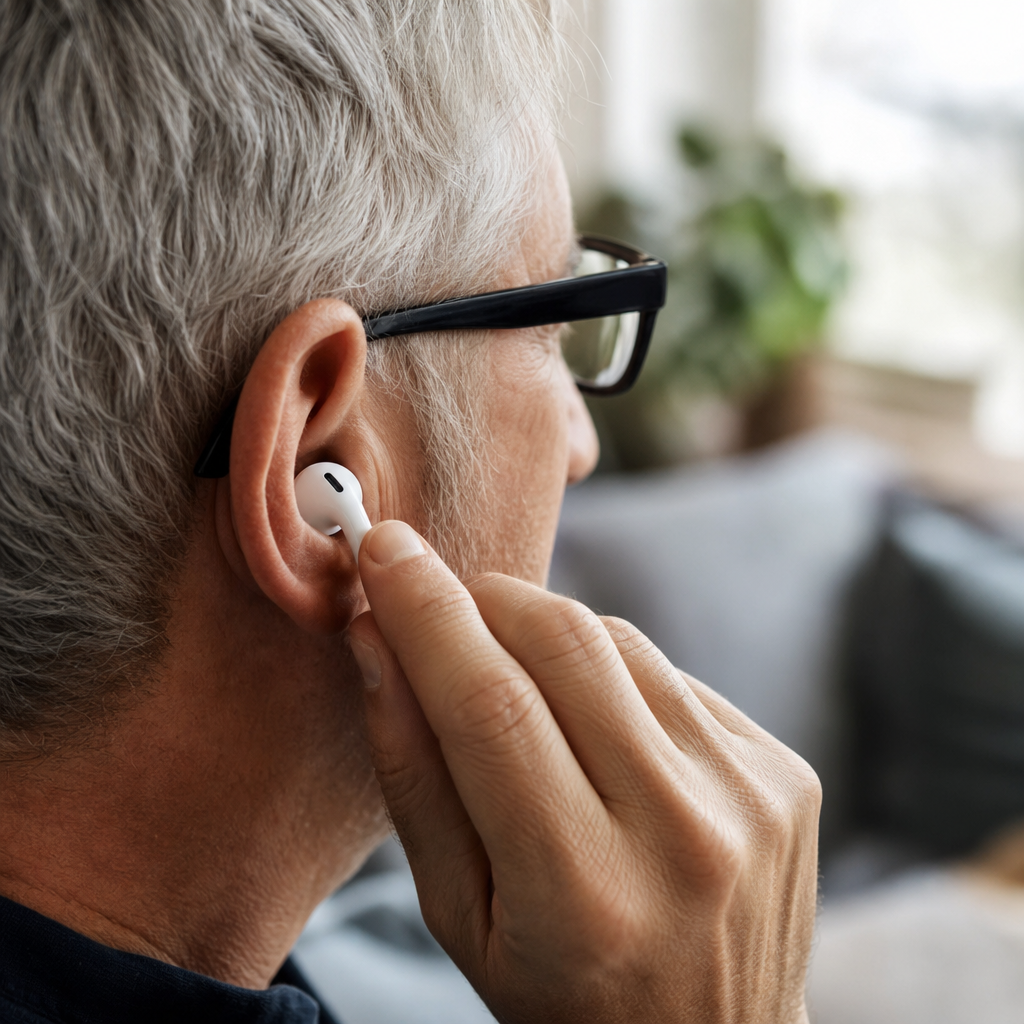
Apple’s move toward turning AirPods into hearing support devices has become one of the most closely watched developments in consumer health technology, and the question many people ask is simple: what is the AirPods hearing aid release date, and what should buyers realistically expect? In practical terms, this topic covers Apple’s hearing health features for AirPods, the timeline for release and rollout, and how those features compare with traditional hearing aids. It matters because mild to moderate hearing loss affects daily communication, work, safety, and cognitive load, yet many people delay treatment for years due to cost, stigma, or uncertainty about options.
When people search for an AirPods hearing aid release date, they usually mean one of three things. First, they may be asking when Apple will launch a hearing aid mode or hearing assistance feature for AirPods. Second, they may want to know which AirPods models support those capabilities. Third, they may be comparing AirPods with prescription hearing aids and over-the-counter hearing aids to decide whether waiting makes sense. Based on Apple’s public announcements and regulatory positioning, the hearing aid functionality tied to AirPods Pro 2 was introduced in 2024, with availability depending on software updates, geography, and health regulatory approvals in specific markets.
That distinction is important because release date does not always mean immediate universal access. Apple often announces features at a keynote, ships them through iOS and firmware updates later, and then expands support region by region. I have worked on consumer health content and device evaluation long enough to see this pattern repeat with ECG features, fall detection, blood oxygen tools, and hearing-related controls. A launch can be technically real while still being unavailable to some users for months. For hearing support products, this timing is shaped not only by product readiness but also by medical device rules, claims language, and local compliance obligations.
Another reason this subject deserves a hub-style overview is that hearing support is not one feature. It includes hearing tests, personalized amplification, transparency processing, noise reduction, fit, battery management, latency, microphone quality, accessibility settings, and medical limitations. Consumers often assume AirPods hearing aid support means Apple has fully replaced a conventional hearing aid. That is not accurate. For some adults with perceived mild to moderate hearing difficulties, AirPods may become a helpful and lower-friction entry point. For people with more significant hearing loss, complex audiograms, ear anatomy issues, or speech-in-noise challenges, dedicated hearing aids fitted by an audiologist remain the stronger solution.
AirPods hearing aid release date: what has launched and when
The clearest answer is that Apple announced hearing health features for AirPods Pro 2 in 2024, and the hearing assistance rollout began that year through software updates rather than a brand-new hardware release branded as a separate hearing aid product. If you are looking for a single date, the public reveal came during Apple’s September 2024 product announcements, with feature availability following in supported regions as Apple pushed compatible updates. That means the AirPods hearing aid release date is best understood as a phased 2024 launch, not a one-day global retail debut.
Apple’s approach matters because AirPods remain consumer earbuds first. The company layered in hearing-related capabilities through the H2 chip, computational audio, on-device personalization, and integration with iPhone health workflows. In plain terms, the hearing support experience depends on both AirPods hardware and Apple software. Users typically need AirPods Pro 2, a compatible iPhone or iPad, current firmware, and the relevant operating system version. In markets where hearing aid or hearing assistance claims require approval, feature timing may lag behind the headline announcement.
People also ask whether older AirPods models will get the same hearing aid features. The safest answer is no, not in full. Apple tends to reserve advanced audio and health functions for newer chips and microphone arrays. AirPods Pro 2 has the processing architecture Apple has referenced for adaptive audio, conversation awareness, and hearing health tools. Basic accessibility options such as Headphone Accommodations existed earlier, but those are not the same as a dedicated hearing aid-style experience. If release timing is your main question, model compatibility is the second question you should answer immediately.
How Apple’s hearing support features work in practice
Apple’s hearing support concept centers on three functions: assessing hearing, tailoring sound to the user, and applying amplification in everyday listening. A hearing test can estimate how well a person detects tones across frequencies. That profile can then shape how AirPods amplify incoming sound, especially speech. The goal is not just louder audio. It is frequency-specific support, because hearing loss rarely affects every pitch equally. Someone may hear low frequencies reasonably well but miss consonants in higher ranges, making speech sound muffled rather than simply quiet.
In practice, the experience depends heavily on environment. Quiet conversations at home are easier than restaurants, transit platforms, family gatherings, or conference rooms with reflective surfaces. I have seen many users overestimate how much any ear-level device can solve speech-in-noise problems. Even premium prescription hearing aids struggle in chaotic acoustic settings, despite advanced beamforming and noise management. AirPods can help, especially with transparency and voice emphasis, but expectations should stay grounded. The benefit is likely to be strongest for adults who need modest support and already live inside the Apple ecosystem.
Apple also benefits from a major usability advantage: people are comfortable wearing AirPods. Traditional hearing aid adoption has long suffered from stigma and inertia. Earbuds normalized visible ear devices. That social shift can materially improve uptake. If a person will actually wear AirPods all day, charge them, update them, and use the hearing settings, the real-world outcome may beat a theoretically superior device left in a drawer. Ease of setup through iPhone, familiar controls, and built-in accessibility menus are not minor details; they are often the difference between trial and abandonment.
AirPods versus hearing aids: key differences buyers should understand
AirPods hearing support is not identical to prescription hearing aids, and buyers need that distinction before making a decision. Prescription hearing aids are medical devices selected and programmed using a full audiological assessment, often including pure-tone thresholds, speech recognition testing, uncomfortable loudness levels, and real-ear measurements. They are designed for continuous wear, low-power operation, all-day battery life, feedback management, and stable retention. They also come with clinician support, follow-up tuning, wax management guidance, and counseling on listening strategies.
AirPods, by contrast, are multifunction earbuds. Their strengths are convenience, mainstream design, seamless smartphone integration, and lower barrier to trial. Their limits are equally clear: shorter battery life, fit variability, fewer advanced fitting controls, and less individualized programming than a hearing aid fitted to a clinical audiogram. In my experience, people who mainly want help in intermittent situations often find consumer hearables attractive. People with persistent hearing loss across the full day usually notice the compromises faster, especially in meetings, outdoor walks, and noisy social settings.
| Category | AirPods Pro 2 hearing support | Prescription hearing aids |
|---|---|---|
| Release model | Software-enabled feature on existing earbuds | Dedicated medical device platforms |
| Best for | Mild to moderate perceived difficulty, Apple users | Mild to profound diagnosed hearing loss |
| Fitting method | Consumer setup and device-based hearing profile | Clinical audiology assessment and professional programming |
| Battery pattern | Hours per charge, case recharging required | Typically all-day wear |
| Speech in noise | Helpful but limited by earbud design | Usually stronger directional and noise-management systems |
| Cost structure | Lower entry cost if you already own compatible devices | Higher cost, often includes service and follow-up care |
Who should consider AirPods hearing support, and who should not wait
AirPods hearing support makes the most sense for adults who suspect mild to moderate hearing difficulty, want a familiar device, and are comfortable managing settings through an iPhone. It can also be useful for people who have never tried hearing technology and want a lower-friction first step before committing to clinical care. For example, someone struggling with television dialogue, one-on-one conversations, or meetings in moderately quiet rooms may gain immediate benefit from personalized amplification and clearer speech emphasis. For these users, the 2024 rollout is meaningful because it lowers the threshold for action.
However, there are clear cases where waiting for AirPods features is the wrong move. If you have sudden hearing loss, one-sided hearing changes, tinnitus with rapid onset, dizziness, ear pain, drainage, or a long-standing significant hearing deficit, you should seek medical evaluation and audiology care rather than rely on earbuds. The same applies if family members say you routinely miss speech, turn the television up excessively, or withdraw from conversations. Untreated hearing loss is associated with social isolation, listening fatigue, and reduced quality of life. Delaying proper assessment can cost more than buying the wrong gadget.
Parents should also note that consumer earbud hearing support is not a substitute for pediatric hearing care. Children need formal evaluation pathways, and hearing management in younger users involves developmental, educational, and medical considerations that go far beyond device convenience. Adults with occupational hearing demands, such as teachers, sales professionals, healthcare workers, and frontline staff, may also outgrow earbud-based support quickly if they need dependable all-day performance and robust speech access in dynamic spaces.
What affects availability: software, region, and regulation
The reason release date questions remain confusing is that hearing features sit at the intersection of hardware, software, and health regulation. Apple can technically enable a function through firmware and an operating system update, but whether that function is described as a hearing aid, hearing test, or hearing assistance tool may depend on local laws. In the United States, the Food and Drug Administration has created pathways for over-the-counter hearing aids for adults with perceived mild to moderate hearing loss. That regulatory change opened the door for more mainstream hearing products, but it did not eliminate every compliance requirement for every company or market.
Outside the United States, rules differ. The European Union, the United Kingdom, Canada, Australia, and Asian markets each have their own frameworks for medical claims, device classification, labeling, and post-market obligations. This is why one country may receive a feature immediately while another waits. Apple also tends to publish availability notes on product pages and support documentation, and those notes matter more than rumor-driven timelines. If you want the most accurate release status, check Apple’s official regional pages, current iOS release notes, and AirPods support documents rather than relying on recycled headlines.
Another practical factor is language and hearing test calibration. Hearing features tied to instructions, test prompts, and health data interpretation may require additional localization and validation. That work is less visible than a keynote announcement, but it often determines how fast a feature can launch broadly. Consumers who understand this rollout logic are less likely to mistake a phased launch for a canceled one.
How this fits into the wider hearing aids market
Apple’s hearing aid-style features do not exist in isolation. They sit within a hearing care market already reshaped by over-the-counter hearing aids, teleaudiology, self-fitting software, and direct-to-consumer brands such as Jabra Enhance, Sony, Lexie, Eargo, and HP Hearing Pro devices in various periods of the category’s evolution. The broader trend is clear: hearing support is becoming easier to access, more digitally managed, and less dependent on a traditional clinic-first buying journey. Apple’s likely impact is not that it replaces audiologists, but that it expands awareness and normalizes early intervention.
That matters because many adults wait years between noticing symptoms and trying any hearing solution. In hearing care, time-to-action is a major problem. People adapt by lip reading, asking others to repeat themselves, avoiding restaurants, or pretending they understood. A mainstream brand can interrupt that pattern. Even if AirPods are not the final answer, they may become the first action that leads users to a proper hearing test and better long-term care. From a market perspective, that is significant.
For buyers researching hearing aids generally, the smartest approach is to treat AirPods as one option in a larger decision set. Compare them with OTC hearing aids, prescription hearing aids, assistive listening devices, and audiology-led evaluations. Match the tool to the hearing problem, not the headline. If you are considering your next step, start by checking compatibility, confirming local availability, and getting your hearing assessed so you can choose the right level of support with confidence.
Frequently Asked Questions
What is the AirPods hearing aid release date, and has Apple officially launched this feature yet?
The most accurate answer is that Apple’s hearing support features for AirPods have been announced as part of its broader hearing health push, but availability depends on the specific feature, software version, AirPods model, and the country or region where you live. In other words, there is not always a single universal “release date” that applies everywhere at once. Apple typically introduces major health features at a keynote or developer event, then rolls them out later through software updates and staged regional approvals. That means some users may gain access sooner, while others may need to wait for regulatory clearance, device compatibility updates, or localized rollout timing.
For buyers, the practical expectation is this: the AirPods hearing aid timeline is tied closely to Apple’s software ecosystem rather than a brand-new standalone hardware launch in the traditional medical-device sense. If you are waiting for full hearing assistance functionality, it is smart to watch for official Apple announcements, iOS update release notes, AirPods firmware support, and any market-specific guidance. The bottom line is that Apple has clearly signaled its direction, but consumers should rely on Apple’s official product pages and regional availability notices for the exact launch window in their area.
Will all AirPods work as hearing aids, or do you need a specific model?
No, not all AirPods should be expected to offer the same hearing support capabilities. Apple usually limits advanced health and audio processing features to newer hardware because those features depend on specific chips, microphones, computational audio systems, and software integration. In practice, that means the most advanced hearing assistance tools are more likely to appear on recent AirPods models rather than older generations. Buyers should not assume that any pair of AirPods can simply be updated and transformed into a hearing aid alternative.
This distinction matters because hearing-related features can range from basic sound amplification and conversation enhancement to more personalized hearing support based on a user’s hearing profile. Some features may work broadly across compatible devices, while others may require a newer model designed for more sophisticated signal processing. Before buying, consumers should check Apple’s compatibility list carefully, confirm their iPhone and iOS version also meet the requirements, and verify whether the hearing feature they want is described as general hearing assistance, hearing health monitoring, or a hearing aid-style function. Those are not always identical experiences, and the hardware requirements can differ.
How do AirPods hearing features compare with traditional hearing aids?
AirPods hearing features may be highly appealing for people with mild to moderate hearing concerns, but they are not automatically a full replacement for prescription or professionally fitted hearing aids in every situation. Traditional hearing aids are medical-grade devices designed specifically to address hearing loss, often with precise fitting, audiologist support, fine-tuned frequency shaping, feedback management, and long-term wear comfort. They are built for all-day assistive use and are intended to match an individual’s hearing needs as closely as possible.
By contrast, AirPods are consumer electronics first, even if Apple adds increasingly advanced hearing support functions. Their advantages are convenience, familiarity, lower barrier to entry, discreet mainstream design, and integration with the Apple ecosystem. For users who have been reluctant to try conventional hearing aids because of cost, stigma, or inconvenience, AirPods could represent an important middle ground. However, expectations should stay realistic. People with more significant hearing loss, complex hearing profiles, or a need for medical supervision may still be better served by dedicated hearing aids and professional evaluation. The strongest way to think about AirPods is as a potentially useful hearing support option for some users, not a one-size-fits-all replacement for clinical hearing care.
Do you need a hearing test or a doctor’s diagnosis to use AirPods as hearing support devices?
In many cases, Apple’s approach is expected to make hearing support more accessible than traditional clinical pathways, especially for adults with perceived mild to moderate hearing difficulties. Depending on the feature and region, users may be able to complete an on-device hearing assessment, configure personalized audio settings, or use preset accessibility tools without first getting a formal medical diagnosis. That is part of what makes the AirPods hearing aid discussion so significant: it lowers the friction for people who may have noticed hearing challenges but have not yet taken action.
That said, easier access should not be confused with a complete substitute for professional care. A self-guided hearing feature can be useful for screening, convenience, and early support, but it does not diagnose the underlying cause of hearing loss. If someone has sudden hearing changes, one-sided hearing loss, ringing in the ears, dizziness, ear pain, or rapidly worsening hearing, they should seek evaluation from a qualified medical professional. AirPods may help some people hear conversations more clearly, but they cannot determine whether the issue is age-related hearing decline, earwax blockage, infection, noise damage, or another medical condition. For many users, the best approach is to see AirPods as an accessible first step, not necessarily the final answer.
Should you wait for the AirPods hearing aid release, or buy traditional hearing aids now?
That depends on how urgent your hearing needs are and how much support you require in daily life. If your hearing difficulties are mild, you are already in the Apple ecosystem, and you are mainly looking for a more affordable or approachable way to boost speech clarity and everyday listening, waiting for Apple’s hearing support rollout could make sense. The appeal is obvious: familiar hardware, likely simpler setup, broad consumer availability, and a lower psychological barrier than entering the traditional hearing aid market. For some people, that combination may be enough to justify waiting a little longer for the feature set they want.
On the other hand, if hearing problems are already interfering with work, relationships, safety, or overall quality of life, delaying treatment just to wait for a tech release may not be the best move. Traditional hearing aids exist right now, and they remain the better choice for users who need customized amplification, professional fitting, stronger performance in challenging listening environments, or support for more advanced hearing loss. A practical compromise for many buyers is to get a hearing evaluation now, understand the severity of the issue, and then decide whether Apple’s solution is likely to be sufficient. That way, you are making the decision based on actual hearing needs rather than hype or speculation about a release timeline.