
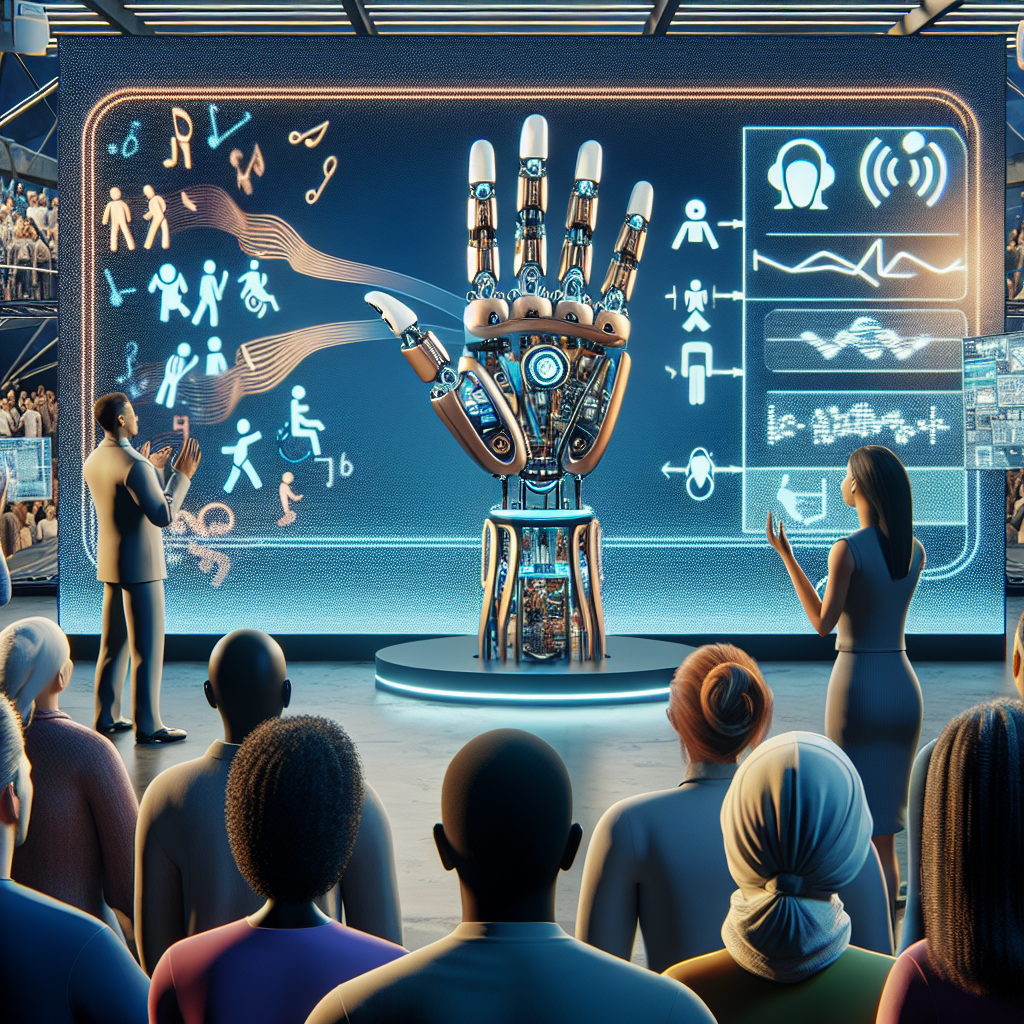
The evolution of technology has revolutionized how we perceive and interact with the world, all ranging from communication to education, healthcare, and beyond. Among the many technological miracles, artificial intelligence (AI) stands out as a game-changer in numerous fields. A prime example is its application in sign language translation, opening new horizons for the Deaf community. AI has the potential to bridge communication barriers, fostering improved accessibility, inclusion, and independence for deaf and hard of hearing individuals. In this article, we dive deep into the fascinating intersection of AI and sign language, exploring how technological advancements are shaping the future of Deaf education and awareness.
The Current Landscape of Deaf Education and Sign Language
Deaf education has come a long way from the early days of rudimentary gestures to sophisticated sign languages like American Sign Language (ASL), British Sign Language (BSL), and others. Despite these advancements, there remain significant gaps in accessibility and resources for the Deaf community. Technology, particularly AI, holds the key to addressing many of these challenges. Modern AI algorithms, including machine learning and neural networks, offer unprecedented opportunities to enhance communication and learning experiences for Deaf individuals.
However, it is essential to understand the current landscape to appreciate the need for AI in sign language translation. Traditional methods, such as human interpreters and written communication, have limitations. Human interpreters may not always be available, and written communication lacks the expressive richness of sign language. These challenges underscore the potential impact that AI-driven solutions can have in creating a more inclusive world for the Deaf and hard of hearing.
Understanding AI’s Role in Sign Language Translation
At its core, AI refers to the simulation of human intelligence in machines, enabling them to perform tasks that typically require human cognitive functions. In the realm of sign language translation, AI systems leverage complex algorithms to analyze and interpret hand gestures, facial expressions, and body language. These systems are trained on vast datasets of sign language videos and images, allowing them to recognize and translate signs with increasing accuracy.
Sign language translation using AI typically involves two critical steps: gesture recognition and natural language processing. Gesture recognition involves detecting and interpreting hand movements and gestures, while natural language processing focuses on understanding and generating human language. By combining these two processes, AI systems can translate sign language into spoken or written language, making communication more accessible for Deaf individuals.
Several pioneering projects and tools are already making significant strides in this field. For instance, Google’s AI-powered project, “Live Transcribe,” provides real-time transcription of spoken words to text, enhancing communication for the Deaf community. Additionally, research institutions and tech companies are continually developing innovative solutions to improve the accuracy and efficiency of sign language translation using AI.
Technological Innovations Driving AI and Sign Language Translation
The rapid advancements in AI and machine learning technologies have paved the way for a range of innovative solutions in sign language translation. Some of the key technological innovations driving this progress include:
- Deep Learning: Deep learning algorithms, a subset of machine learning, play a pivotal role in enabling AI systems to recognize and interpret complex sign language gestures. By analyzing vast datasets and learning from patterns, deep learning models can enhance the accuracy of sign language translation.
- Computer Vision: Computer vision technology enables AI systems to process and analyze visual information, such as hand gestures and facial expressions, in real-time. This capability is crucial for accurately interpreting sign language and providing seamless translation.
- Natural Language Processing: Natural language processing (NLP) techniques allow AI systems to understand and generate human language, bridging the gap between sign language and spoken or written communication.
- Wearable Devices: Innovations in wearable technology, such as smart gloves and augmented reality glasses, offer unique opportunities for real-time sign language translation. These devices can capture and interpret gestures, providing instant feedback and translation for Deaf users.
These technological innovations are just the beginning. The continued development and refinement of AI-driven sign language translation systems hold the promise of even greater accessibility and inclusivity for the Deaf community in the years to come.

Challenges and Limitations of AI in Sign Language Translation
While the potential of AI in sign language translation is immense, it is important to acknowledge the challenges and limitations that come with this technology. Some of the key challenges include:
- Data Availability: The accuracy of AI systems depends on the quality and quantity of data available for training. Sign language datasets are often limited, which can hinder the development of highly accurate translation models.
- Cultural and Linguistic Diversity: Sign languages are highly diverse, with unique grammatical structures, regional variations, and cultural nuances. Developing AI systems that can accurately interpret this diversity poses a significant challenge.
- Contextual Understanding: Sign language is rich in context and relies heavily on facial expressions, body language, and situational factors. AI systems must be able to capture and interpret these contextual elements to provide accurate translations.
- Real-Time Processing: Achieving real-time sign language translation requires significant computational power and efficiency. Ensuring that AI systems can process and translate gestures in real-time without delays is a complex technical challenge.
Despite these challenges, ongoing research and technological advancements are continually improving the capabilities of AI-driven sign language translation systems. Addressing these limitations will be crucial in realizing the full potential of AI in enhancing accessibility for the Deaf community.
The Future of AI and Sign Language Translation
The future of AI and sign language translation holds exciting possibilities for the Deaf and hard of hearing community. As technology continues to evolve, several trends and developments are likely to shape the future of this field:
- Integration of AI in Everyday Devices: The integration of AI-powered sign language translation into everyday devices, such as smartphones, tablets, and smart glasses, will make communication more accessible and convenient for Deaf individuals.
- Improved Accuracy and Efficiency: Continued advancements in AI algorithms and machine learning techniques will enhance the accuracy and efficiency of sign language translation, bringing us closer to seamless and real-time communication.
- Increased Collaboration and Research: Collaboration between researchers, technology companies, and Deaf communities will drive innovation and ensure that AI solutions are developed with a deep understanding of the unique needs and challenges faced by Deaf individuals.
- Greater Awareness and Advocacy: Increased awareness and advocacy for Deaf education and accessibility will play a crucial role in driving the adoption of AI-powered solutions. Public support and policy initiatives can help create a more inclusive society for the Deaf and hard of hearing.
The journey towards fully realizing the potential of AI in sign language translation is an ongoing one. By embracing technological advancements and fostering a collaborative approach, we can create a future where communication barriers are dismantled, and Deaf individuals can thrive in all aspects of life.
Conclusion
The intersection of AI and sign language translation represents a groundbreaking frontier in enhancing accessibility and inclusivity for the Deaf and hard of hearing community. Through the power of artificial intelligence, we have the opportunity to bridge communication gaps, create more inclusive educational environments, and foster independence and empowerment for Deaf individuals.
As we look to the future, the continued development and adoption of AI-driven sign language translation solutions will be shaped by ongoing research, collaboration, and advocacy. By addressing the challenges and limitations, and harnessing the potential of technological innovations, we can create a world where Deaf individuals have equal opportunities to communicate, learn, and participate fully in society.
Ultimately, the journey towards greater Deaf education and awareness is a collective effort that requires the support and involvement of all stakeholders. Together, we can celebrate the transformative power of technology and innovation, and work towards a future where accessibility and inclusivity are not just aspirations, but realities for all.