
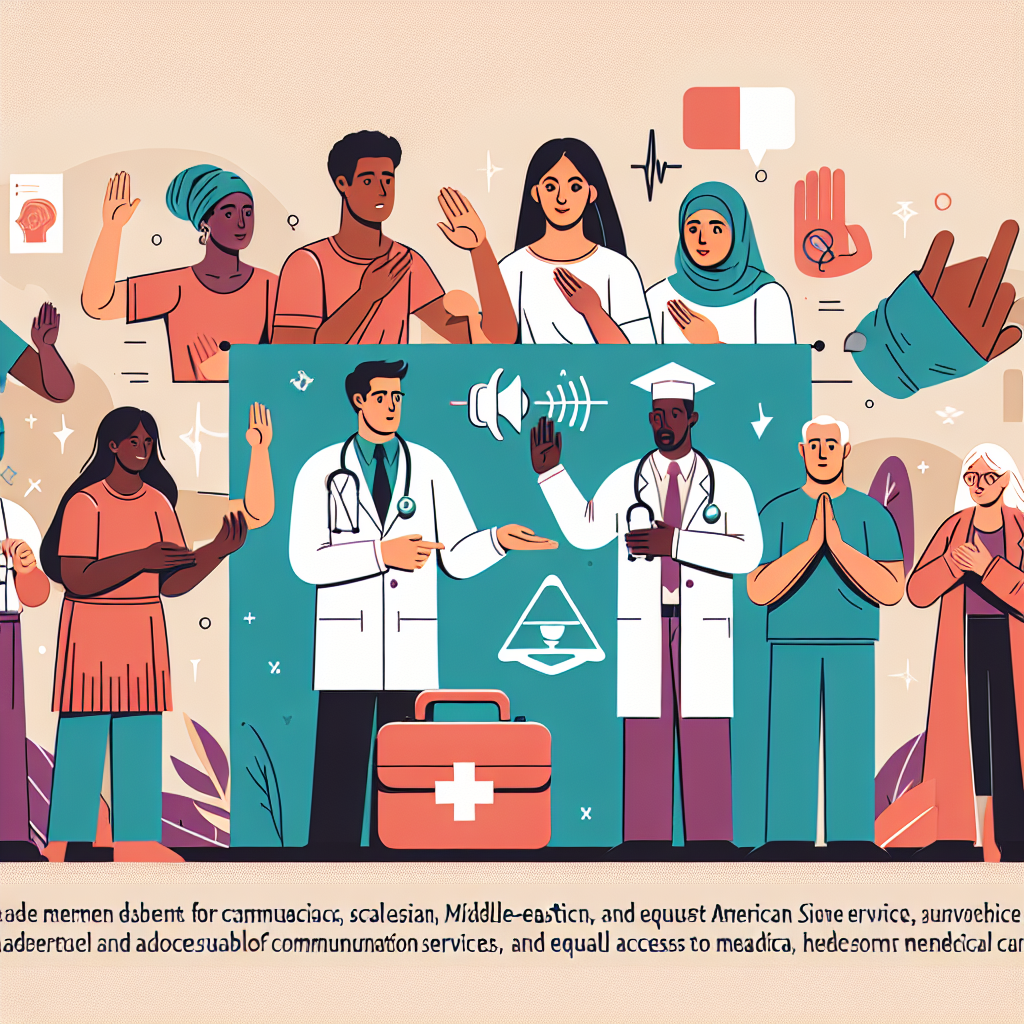
Healthcare access is a basic human right, yet many Deaf individuals face significant challenges when seeking medical services. These challenges arise primarily due to communication barriers and the lack of awareness regarding the unique needs of the Deaf community. As we strive for a more inclusive healthcare system, it is crucial to advocate for effective communication services and equal access to medical care for Deaf individuals. This article delves into the importance of Deaf education, awareness on Deaf health, and the crucial need for accessible healthcare services.
Deaf individuals often encounter difficulties such as miscommunication with healthcare providers, leading to misunderstandings about their health conditions and the treatments prescribed. Inadequate interpretation services, lack of trained medical staff, and insufficient technological resources further exacerbate these issues. Addressing these barriers not only improves the health outcomes for Deaf individuals but also fosters a more equitable healthcare environment for everyone.
In the following sections, we will explore the current state of healthcare for Deaf individuals, the role of Deaf education in raising awareness, the necessity of advocacy for communication services, and how we can work towards equal access to medical care. Let’s begin by understanding the fundamental issues faced by the Deaf community in accessing healthcare.
Current State of Healthcare for Deaf Individuals
The healthcare system often falls short when it comes to addressing the needs of the Deaf community. Miscommunication between patients and healthcare providers can lead to incorrect diagnoses, inappropriate treatments, and ultimately, poorer health outcomes. The crux of the problem lies in the lack of effective communication methods tailored to Deaf individuals.
One of the primary barriers is the scarcity of qualified sign language interpreters within medical facilities. Although federal regulations such as the Americans with Disabilities Act (ADA) mandate the provision of auxiliary aids and services to ensure effective communication, in practice, these regulations are not always adhered to. Consequently, Deaf patients might rely on family members for interpretation, which can compromise their privacy and the accuracy of their medical information.
Moreover, healthcare providers often lack training on how to effectively communicate with Deaf patients. This gap in knowledge contributes to misunderstandings and dissatisfaction with the care provided. Innovative solutions, such as video remote interpreting (VRI) and telehealth services with sign language capabilities, have shown promise in addressing some of these issues, but their availability is still limited.
With an understanding of the current challenges, we can appreciate the importance of Deaf education and raising awareness about the health and well-being of Deaf individuals.
Deaf Education and Awareness on Deaf Health
Education is a powerful tool in fostering awareness and promoting understanding within the healthcare system. For Deaf individuals, tailored educational programs that focus on health literacy and self-advocacy are essential. These programs should cover topics such as basic health knowledge, understanding medical terminologies in sign language, and navigating the healthcare system effectively.
Healthcare providers also require education to better serve Deaf patients. Comprehensive training programs that include modules on Deaf culture, effective communication strategies, and the proper use of auxiliary aids and services can make a significant difference. Facilitating regular workshops and seminars led by Deaf educators can enhance the cultural competency of healthcare professionals.
Community outreach initiatives play a crucial role in raising awareness about Deaf health. Collaboration with Deaf organizations can help disseminate information, provide resources, and create supportive networks. Public health campaigns that include visual and sign language content ensure that health information is accessible to Deaf individuals, promoting their overall well-being.
By investing in education and awareness, we can bridge the knowledge gap and empower both Deaf individuals and healthcare providers to engage in more effective communication and better health outcomes.
Advocacy for Communication Services
Effective advocacy is key to ensuring that Deaf individuals receive the communication services they need within the healthcare system. Advocacy efforts should focus on enforcing existing regulations, promoting policy changes, and encouraging the adoption of innovative technologies that facilitate communication.
Enforcing the ADA and other relevant laws is a critical step in guaranteeing that Deaf patients have access to qualified interpreters and auxiliary aids. Healthcare institutions must be held accountable for providing these services to ensure compliance and protect the rights of Deaf individuals.
Promoting policy changes that improve accessibility is another vital aspect of advocacy. For instance, advocating for the inclusion of sign language interpretation services as part of standard healthcare protocols can make a significant difference. Support for policies that fund the training and certification of medical interpreters will also enhance the quality of services provided.
Encouraging the adoption of technologies such as VRI and telehealth platforms can address communication barriers more effectively. These technologies provide real-time access to sign language interpreters, supporting more accurate and timely communication between patients and providers. Continued advocacy for the development and implementation of these technologies will enhance healthcare accessibility for Deaf individuals.
Working Towards Equal Access to Medical Care
Achieving equal access to medical care for Deaf individuals requires a multifaceted approach that includes systemic changes, community involvement, and ongoing evaluation. By addressing the root causes of inequities, we can build a more inclusive healthcare system that meets the needs of all patients.
Systemic changes should include the incorporation of universal design principles in healthcare facilities. This means creating environments where communication access is integrated into the overall design, such as visual alert systems and clear signage. Policy changes that mandate the availability of interpretation services within all healthcare settings are also crucial.
Community involvement is essential to drive these changes. By empowering Deaf individuals to participate in decision-making processes and advocating for their needs, we can create a more responsive healthcare system. Partnerships between healthcare providers and Deaf organizations can facilitate the sharing of resources and best practices, fostering a collaborative approach to improving accessibility.
Ongoing evaluation and research are necessary to identify gaps and measure the effectiveness of implemented changes. Regular feedback from Deaf patients and healthcare providers can help refine strategies and ensure continuous improvement. Investing in research that explores the health outcomes of Deaf individuals and the impact of accessibility measures will provide valuable insights for future initiatives.
Conclusion
Ensuring accessible healthcare for Deaf individuals is not just a matter of compliance with regulations; it is an ethical imperative that promotes equity and justice within the healthcare system. Through education, advocacy, and systemic changes, we can dismantle the barriers that prevent Deaf individuals from receiving the quality care they deserve.
Deaf education and awareness play a pivotal role in this process by empowering both patients and providers with the knowledge and tools needed for effective communication. Advocacy efforts must continue to push for the enforcement of laws and the adoption of innovative solutions that enhance accessibility.
Working towards equal access to medical care requires collaboration and commitment from all stakeholders, including healthcare institutions, policymakers, community organizations, and the Deaf community itself. Together, we can create a healthcare environment where Deaf individuals can confidently navigate the system and attain optimal health and well-being.
By prioritizing accessibility and equity, we lay the foundation for a more inclusive society where every individual, regardless of their abilities, can thrive. The journey towards accessible healthcare for Deaf individuals is ongoing, but with collective efforts, significant progress is within reach.