
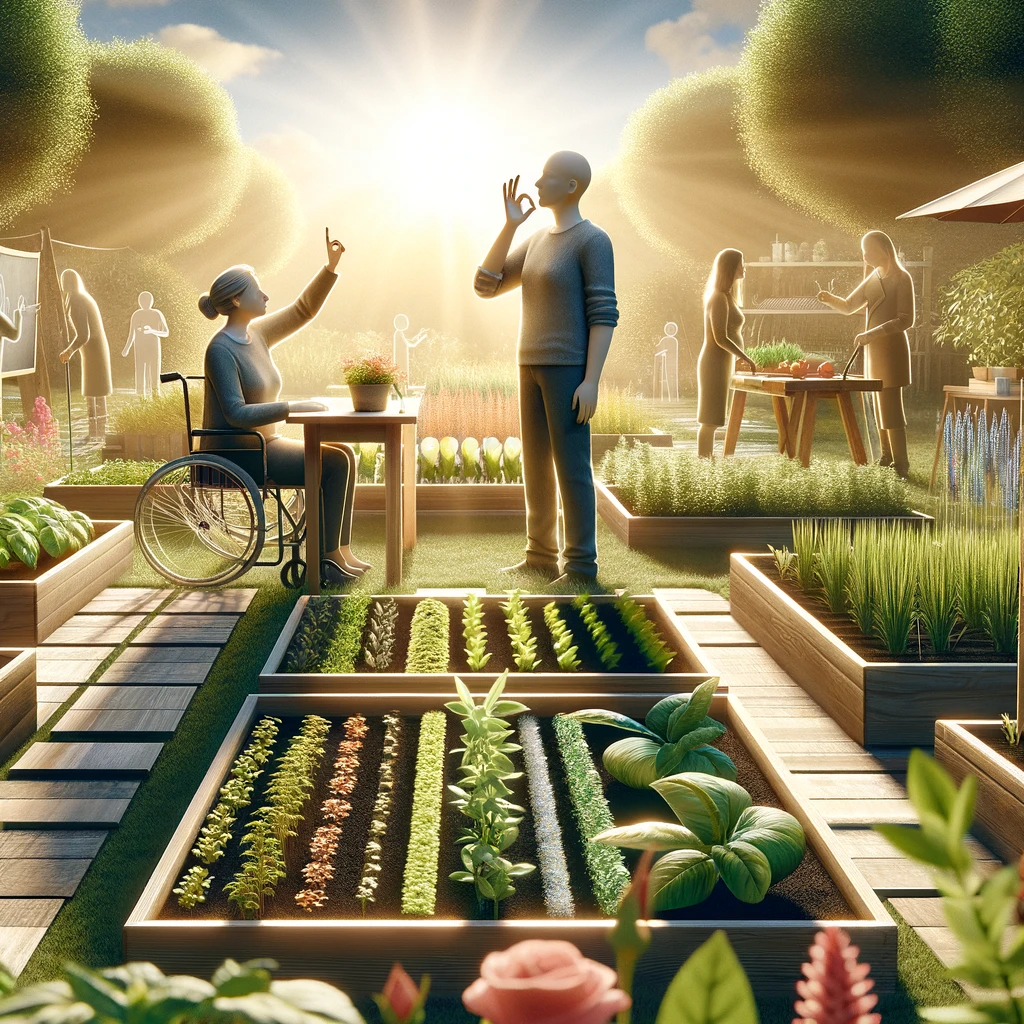
Gardening is a universally cherished activity that transcends the barriers of language and sound. For the deaf and hard of hearing community, the serenity and connection to nature that gardening offers can be especially profound. In this comprehensive guide, we’ll explore accessible gardening practices, provide tips, and suggest activities that are specifically tailored for the deaf community.
Understanding the Importance of Deaf-Friendly Gardening
Gardening is not just about planting seeds and watching them grow. It’s an immersive experience that involves all the senses. For individuals in the deaf community, gardening can be a therapeutic and empowering activity. It offers an opportunity to engage in a non-verbal, tactile, and visual pastime that is both rewarding and inclusive.
Sensory Gardens: A Gateway to Enhanced Experience
Sensory gardens are designed to stimulate the senses. These gardens are particularly beneficial for the deaf community as they focus on the visual, textural, and olfactory elements of the gardening experience. Plants with vibrant colors, varied textures, and strong aromas can create a multi-sensory environment that is deeply engaging.
Tips for Creating a Sensory Garden:
- Choose Colorful Plants: Opt for flowers like marigolds, zinnias, and sunflowers that provide a visual feast with their bright colors.
- Incorporate Textured Plants: Plants like lamb’s ear or silver sage offer unique textures to explore.
- Add Fragrant Herbs: Include herbs like lavender, rosemary, and mint for their pleasant scents and the added benefit of use in cooking.
Communication and Learning in Gardening
Gardening workshops and classes can be an excellent way for the deaf community to learn and engage. However, accessibility is key.
Sign Language and Visual Aids in Gardening Education
Ensuring that gardening classes offer sign language interpreters or use visual aids can make a significant difference in accessibility. Visual aids such as charts, diagrams, and videos can effectively convey gardening techniques and concepts.
Implementing Accessible Education:
- Use Sign Language Interpreters: Providing interpreters in workshops ensures effective communication.
- Develop Visual Learning Materials: Create or source visual guides, step-by-step pictorial instructions, and demonstrative videos.
Technology and Gardening
Advancements in technology have opened up new avenues for making gardening more accessible for the deaf community.
Apps and Software for Deaf Gardeners
There are apps available that can provide visual alerts for watering schedules, plant growth tracking, and weather updates. These tools can be invaluable for gardeners who may not hear auditory cues.
Tech Tools to Consider:
- Gardening Apps: Look for apps with visual notifications and reminders.
- Weather Alert Systems: Systems that provide visual or vibratory alerts for weather changes can be crucial for protecting plants.
Community Gardening: Fostering Inclusivity and Collaboration
Community gardens can be wonderful spaces for social interaction and learning. For deaf individuals, these gardens offer the chance to engage with fellow gardeners, share knowledge, and build a sense of community.
Creating Deaf-Inclusive Community Gardens
Ensuring that community gardens are accessible to the deaf community involves more than just physical accessibility. It means fostering an environment where communication barriers are minimized, and inclusivity is emphasized.
Steps to Enhance Deaf Inclusion:
- Host Sign Language Gardening Events: Regular events with sign language interpreters can encourage participation.
- Establish Deaf Gardening Groups: Creating specific groups within the garden community can provide a comfortable space for deaf gardeners to share and learn.
Hands-On Activities: Gardening Projects for the Deaf Community
Engaging in practical, hands-on gardening projects can be especially rewarding. Here are some project ideas that are well-suited for deaf gardeners.
Project Ideas:
- Building a Raised Garden Bed: This project involves measuring, cutting, and assembling, offering a tactile and visually satisfying experience.
- Creating a Container Garden: Ideal for those with limited space, container gardening allows for creativity and is easily accessible.
- Planting a Butterfly Garden: Focus on plants that attract butterflies, offering a visually stunning garden space.
Accessible Design in Gardening Spaces
The physical design of gardening spaces can greatly impact their accessibility. For the deaf community, visual aspects and ease of navigation are key.
Designing Deaf-Friendly Gardening Spaces:
- Clear Visual Layouts: Ensure that the layout of the garden is visually clear and easy to navigate.
- Use of Signage: Incorporate visual signage with both text and symbols to guide and inform.
Challenges and Solutions in Deaf Gardening
While gardening can be incredibly rewarding, it also comes with its set of challenges, especially for deaf gardeners. Addressing these challenges is crucial for creating an inclusive gardening experience.
Overcoming Barriers:
- Communication Challenges: Encourage the use of visual communication methods in community gardening spaces.
- Lack of Accessible Resources: Advocate for more gardening resources, such as books and online content, that are designed with the deaf community in mind.
Educational Outreach and Awareness in Deaf Gardening
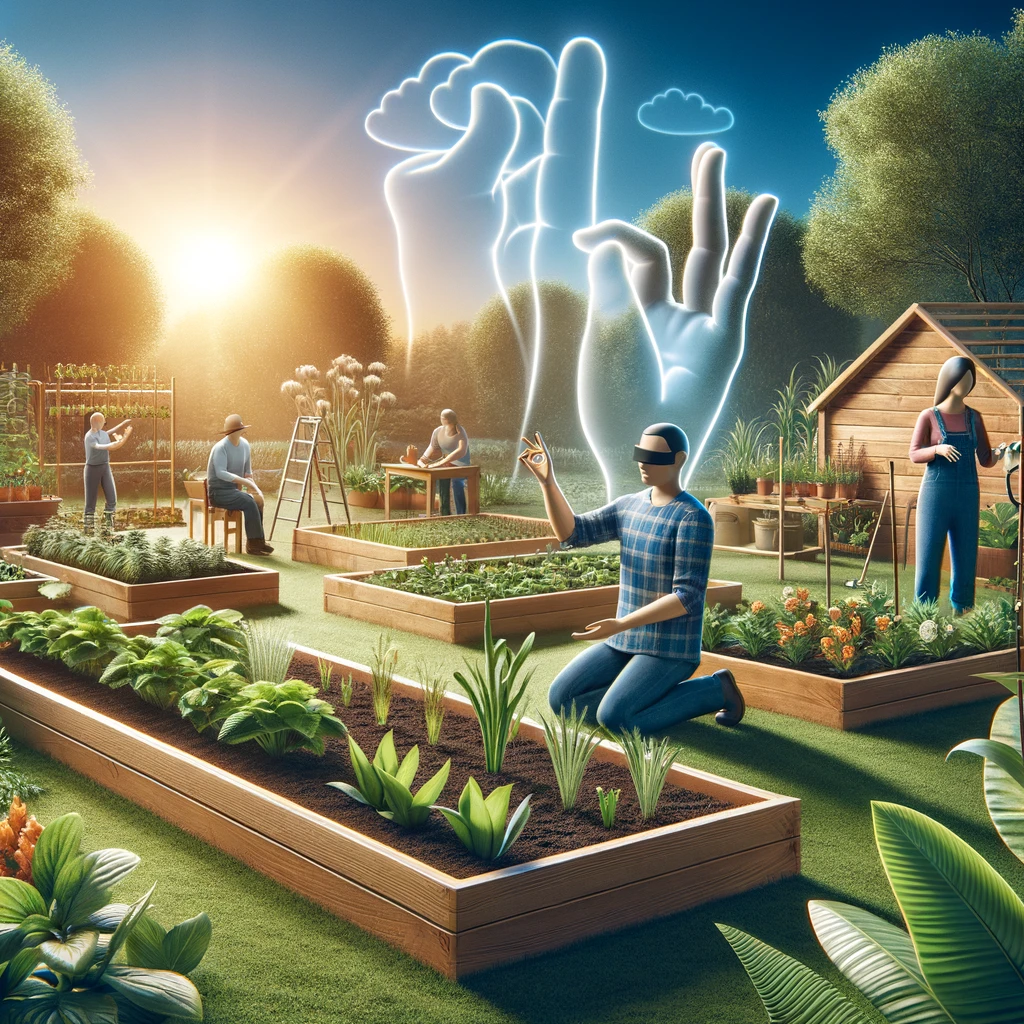
Education and awareness play a vital role in promoting gardening within the deaf community. By providing accessible information and resources, we can ensure that deaf individuals have equal opportunities to learn and engage in gardening.
Strategies for Effective Outreach:
- Collaboration with Deaf Organizations: Partnering with organizations that serve the deaf community can help in spreading awareness about accessible gardening.
- Creating Educational Content in Sign Language: Producing gardening tutorials and documentaries in sign language can make learning more accessible.
The Role of Schools and Educational Institutions
Schools and educational institutions have a unique opportunity to introduce deaf children to gardening. Implementing gardening programs in these settings can be both educational and therapeutic.
Implementing School Gardening Programs:
- Gardening as Part of the Curriculum: Incorporating gardening into the school curriculum for deaf students can enhance their learning experience.
- After-School Gardening Clubs: Establishing gardening clubs provides an additional opportunity for hands-on learning and social interaction.
Adaptive Tools and Equipment
Certain tools and equipment can make gardening more accessible for deaf individuals. These tools are designed to reduce physical strain and make gardening tasks more manageable.
Recommended Adaptive Gardening Tools:
- Ergonomic Tools: Tools with ergonomic designs are easier to handle and use, especially for individuals who may have additional physical challenges.
- Visual Timers and Sensors: These can help in managing watering and care schedules for plants.
Inclusive Gardening Events and Workshops
Hosting gardening events and workshops that are specifically designed to be inclusive of the deaf community can foster engagement and learning.
Organizing Inclusive Events:
- Interactive Workshops with Sign Language Interpreters: Ensuring that all participants can engage and learn effectively.
- Garden Tours with Visual Guides: Offering tours with visual aids can help in making the experience more enriching for deaf visitors.
Mental and Physical Health Benefits of Gardening
Gardening offers numerous mental and physical health benefits. For the deaf community, these benefits can be particularly impactful.
Health Benefits of Gardening:
- Stress Reduction: The calming nature of gardening can help in reducing stress and improving mental well-being.
- Physical Exercise: Gardening activities provide a form of physical exercise that is low-impact but highly beneficial.
Community Engagement and Support Networks
Fostering a supportive network within the gardening community can greatly enhance the experience for deaf gardeners. This involves creating spaces where they can share experiences, challenges, and successes.
Building a Supportive Gardening Community:
- Online Forums and Social Media Groups: These platforms can provide a space for deaf gardeners to connect, share advice, and offer support.
- Community Events: Regular community events can help in building a network of support and shared learning.
The Future of Deaf Gardening
Looking towards the future, there is vast potential for growth and development in the field of deaf gardening. Embracing new technologies, educational approaches, and community engagement strategies can continue to make gardening more accessible and enjoyable for the deaf community.
Vision for the Future:
- Advancements in Assistive Technology: Continued development of gardening-related technology can aid in making gardening even more accessible.
- Increased Educational and Community Resources: Expanding resources and support for deaf gardeners will ensure that more individuals can enjoy the benefits of gardening.
Conclusion
Gardening is a wonderful activity that has the power to unite people across different abilities and backgrounds. For the deaf community, it offers a unique and enriching experience that goes beyond the act of planting and nurturing plants. Through inclusive practices, adaptive tools, and community engagement, gardening can be made more accessible, allowing deaf individuals to fully immerse themselves in the joys and benefits of gardening. As we continue to evolve and adapt our approaches to deaf-friendly gardening, we plant the seeds for a more inclusive and vibrant gardening community.