
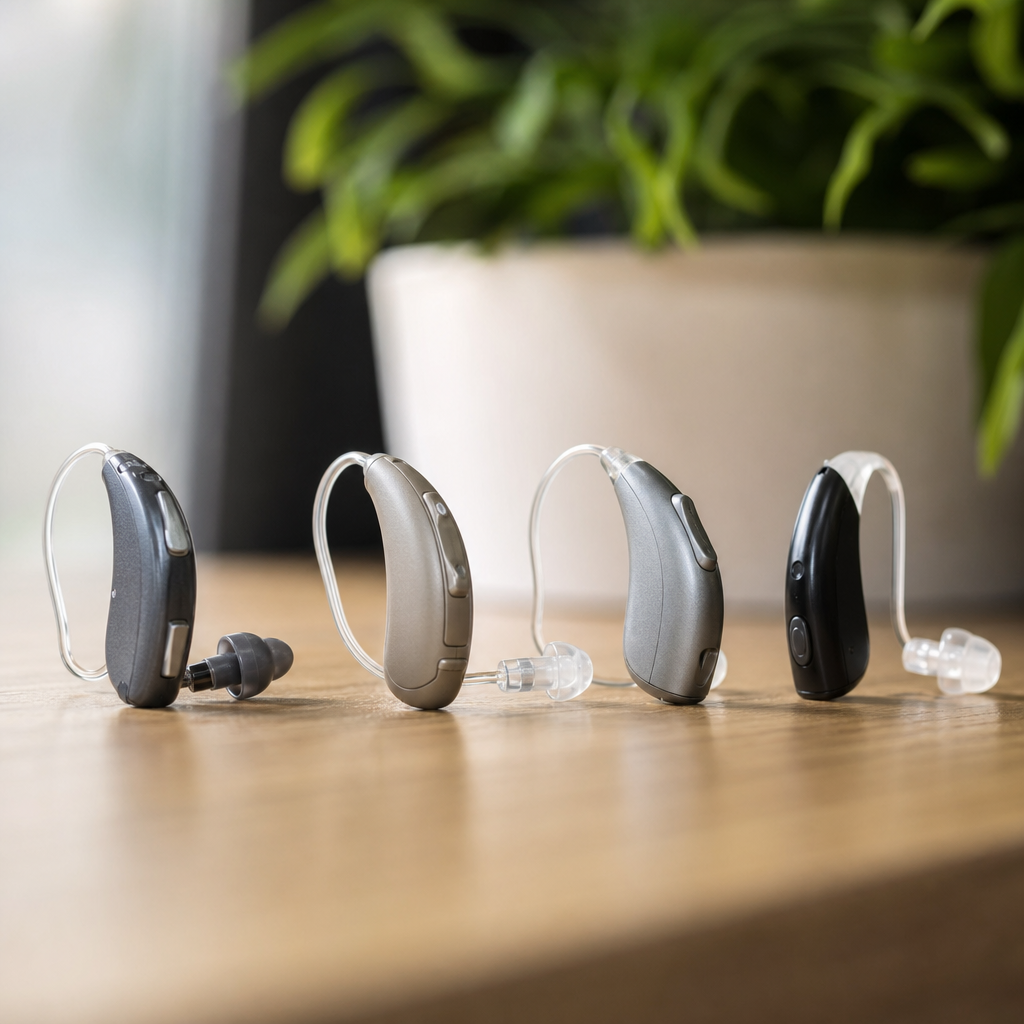
Choosing the best rated hearing aids in 2025 means looking beyond brand hype and focusing on speech clarity, comfort, battery life, app control, service support, and how well each device matches a real hearing profile. Hearing aids are medical-grade devices designed to amplify and process sound for people with hearing loss, but the category now spans prescription receiver-in-canal models, nearly invisible custom instruments, rechargeable behind-the-ear designs, and over-the-counter options for adults with perceived mild to moderate loss. As someone who has compared fittings, demo units, manufacturer software, and patient feedback across clinics and retail channels, I can say the top-rated devices are not simply the most expensive ones. They are the products that consistently improve conversation in noise, reduce listening effort, and fit smoothly into daily life.
This matters because untreated hearing loss is linked with social withdrawal, fatigue, reduced workplace performance, and a higher risk of cognitive decline. The National Institute on Deafness and Other Communication Disorders estimates that millions of adults in the United States could benefit from hearing help, yet many wait years before taking action. In 2025, buyers also face more choices than ever. Legacy manufacturers such as Phonak, Oticon, ReSound, Signia, Starkey, Widex, and Unitron continue to compete with direct-to-consumer and OTC brands including Jabra Enhance, Eargo, Sony, Lexie, and Sennheiser partners. Ratings can be confusing because one list may reward sound quality, another may emphasize app usability, and another may prioritize value. A useful hub page must define what “best rated” actually means and explain which hearing aids stand out for different needs, budgets, and lifestyles.
In practical terms, the best rated hearing aids in 2025 tend to share several traits: advanced signal processing, strong directional microphones, reliable feedback management, Bluetooth streaming, rechargeability, and meaningful aftercare. Good ratings also reflect fitting accuracy. A premium device programmed poorly can underperform a midrange model fit with real-ear measurement, the gold standard method for verifying output at the eardrum. This guide covers the leading categories, the brands that earn the strongest reviews, and the tradeoffs that matter before you buy. It is written as a hub for the broader hearing aids topic, so it addresses the central questions people ask first: which models are best overall, who should choose prescription versus OTC, what features are worth paying for, and how to narrow the field without wasting money.
What makes a hearing aid top rated in 2025
A hearing aid earns high ratings when it performs well in the situations users care about most. The first is speech understanding in background noise. Restaurants, family gatherings, cars, airports, and open offices remain the hardest listening environments, so the best devices use multi-microphone arrays, beamforming, noise reduction, and motion sensors to keep speech forward and distracting sound softer. The second factor is sound comfort. Good hearing aids should make speech clearer without making dishes, traffic, paper rustling, or wind feel harsh. The third is fit and wearability. If a device whistles, slips, feels occluding, or dies before the day ends, ratings drop quickly regardless of technical sophistication.
Clinical measures and user-reported outcomes both matter. Audiologists often rely on audiograms, speech-in-noise testing, real-ear verification, and follow-up questionnaires such as the APHAB or HHIE to gauge benefit. Consumers, however, usually rate hearing aids based on simple outcomes: “Can I hear my spouse?” “Can I follow meetings?” “Do I need to keep adjusting volume?” The best rated hearing aids in 2025 bridge both worlds. They show measurable improvement and they feel easy to live with. I have seen patients keep a technically excellent device in a drawer because app controls were confusing or domes irritated the canal. Ease of use is not a minor feature; it is essential to long-term success.
Connectivity now plays a major role in ratings. Current buyers expect direct Bluetooth streaming for iPhone and, increasingly, for Android via ASHA or Bluetooth LE Audio implementations. Hands-free calling, remote fine-tuning, teleaudiology visits, and accessories such as TV streamers are standard expectations in the premium tier. Water and dust resistance also matter more than they did a few years ago, especially for active adults. An IP68 rating, while not a promise of survival in every situation, usually indicates a hearing aid can tolerate sweat, brief splashes, and dusty environments better than older designs.
Best rated hearing aid brands and standout models
Several brands consistently appear at the top of professional recommendations and consumer review roundups in 2025. Phonak remains a strong choice for people who want powerful speech performance, broad Bluetooth compatibility, and options ranging from slim receivers to robust behind-the-ear models. Its Infinio and Lumity families are frequently praised for speech enhancement and universal connectivity. Oticon rates highly for open, natural sound and excellent performance in complex environments, especially in the Intent and Real lines, which use sophisticated environmental analysis and, in some models, user-intent sensing. ReSound continues to earn strong marks for streaming quality, app design, and comfortable sound, particularly in Nexia and OMNIA devices.
Signia stands out for sleek industrial design, strong mobile app support, and solid own-voice processing. The Pure Charge&Go and Styletto platforms appeal to users who care about aesthetics without giving up advanced features. Starkey remains one of the most feature-rich options, integrating health and wellness tools such as step tracking, fall alerts on select systems, and robust custom styles. Widex often receives top ratings from users who prioritize music fidelity and natural tonality; musicians and sound-sensitive wearers still mention Widex favorably because its processing can sound less artificial than some aggressive noise-management systems. Unitron, while sometimes discussed less often, offers flexible upgrade pathways and competitive speech processing that can deliver very good value through local providers.
| Brand | Top 2025 Strength | Best For | Main Watchout |
|---|---|---|---|
| Phonak | Universal Bluetooth and strong speech focus | Mixed device users, active lifestyles | Some wearers prefer a softer sound signature |
| Oticon | Natural soundscape and advanced environmental processing | Conversation in dynamic settings | Premium pricing through many clinics |
| ReSound | Streaming quality and intuitive app control | iPhone users, daily streamers | Performance depends heavily on fitting quality |
| Signia | Design, own-voice comfort, compact chargers | Style-conscious buyers | Feature sets vary widely by technology tier |
| Starkey | Health features and broad custom lineup | Tech-forward users, custom fits | Not every user needs the extra wellness tools |
| Widex | Music fidelity and smooth sound | Musicians, sound-sensitive wearers | Noise reduction may feel less aggressive |
For OTC buyers, Jabra Enhance Select, Sony CRE series devices, Lexie B2 Plus, and similar self-fit products often lead ratings because they balance accessible pricing, remote support, and simpler setup. These are best suited to adults with perceived mild to moderate hearing loss who can manage smartphone-based hearing checks and who do not have medical red flags such as sudden hearing loss, one-sided hearing loss, drainage, pain, or severe tinnitus. OTC products have improved meaningfully since the U.S. Food and Drug Administration established the OTC hearing aid category, but they still do not replace a diagnostic evaluation when symptoms are complex.
Prescription hearing aids versus OTC models
The most important buying decision in 2025 is whether to choose prescription hearing aids or OTC hearing aids. Prescription devices are fit by an audiologist or licensed hearing instrument specialist after a formal hearing evaluation. They are appropriate for mild through profound hearing loss, asymmetrical loss, conductive components, and cases that require ear impressions, custom molds, tinnitus programming, or close rehabilitation support. OTC hearing aids are intended for adults age eighteen and older with perceived mild to moderate hearing loss. They are self-fit or remotely supported, generally lower in cost, and increasingly competent for straightforward cases.
When people ask which type is “better,” the direct answer is that prescription hearing aids are better for complex hearing loss and better when personalized fitting matters. OTC hearing aids are better when the loss is uncomplicated, budget is tighter, and the buyer is comfortable with self-management. In my experience, people who do poorly with OTC devices often have more hearing loss than they realized, need a custom coupling to control feedback, or need counseling to set realistic expectations. Hearing aids do not restore normal hearing. They improve access to sound, and the brain still needs time to adapt.
Price differences are significant. Prescription pairs can range from roughly $2,000 to over $7,000 depending on technology level, service bundle, and region. OTC pairs often land between $800 and $2,000. The lower price is appealing, but buyers should compare what is included: hearing tests, fitting visits, cleanings, wax guards, charger replacement, loss coverage, and warranty terms. A “cheaper” product can become less economical if it fails early or does not provide enough benefit to remain usable.
Features worth paying for and features you can skip
Not every premium feature deserves a premium budget. Features that usually justify the cost include rechargeable lithium-ion batteries, reliable directional microphone performance, strong feedback cancellation, app-based adjustments, telecare support, and direct audio streaming if you use calls, podcasts, or television audio regularly. Real-world convenience matters. A good charger reduces daily friction, and remote support can save multiple clinic visits. For people with dexterity issues, rechargeability is often worth more than a small difference in sound-processing tiers because disposable batteries are increasingly frustrating to handle.
Features that are useful but situational include AI-driven environmental classification, motion sensors, automatic program switching, tinnitus sound therapy, and health tracking. These can be valuable, especially for active users or people with bothersome ringing, but they are not equally important for everyone. If your main complaint is hearing family conversations at home and in restaurants, spend first on fitting quality and proven speech-in-noise performance. If you are a frequent streamer, prioritize Bluetooth stability. If you attend concerts or play instruments, ask specifically about music programs, compression behavior, and input dynamic range, because music reproduction often reveals processing limitations faster than speech does.
What can many buyers skip? Ultra-discreet designs that sacrifice battery life or manual controls just to hide the device. Tiny completely-in-canal products look appealing, but they can be harder to insert, may have fewer features, and often stream less effectively. Some users also overpay for the highest technology tier when a midlevel platform would meet their needs. The difference between premium and advanced tiers is often most noticeable in the hardest noise environments, not in quiet living rooms. An honest provider should explain that tradeoff clearly.
How to choose the right hearing aid for your hearing loss and lifestyle
The best rated hearing aid is the one that fits your hearing loss, ear anatomy, daily routine, and willingness to maintain it. Start with the hearing profile. High-frequency sensorineural loss, the most common age-related pattern, often does well with open-fit receiver-in-canal designs because they amplify speech cues without plugging the ear too much. More severe loss may need custom molds, more powerful receivers, or behind-the-ear instruments with larger batteries. People with chronic earwax, narrow canals, or recurrent moisture issues may need different dome materials, filters, or shell styles than average review lists suggest.
Next, match the device to listening demands. A retired adult who mainly wants easier conversation at home and church may not need the same technology as a sales professional spending all day in meetings, airports, and restaurants. Smartphone comfort also matters. If you rarely use apps, choose a system with strong automatic settings and simple on-device controls. If you rely on your phone for everything, compare apps closely. ReSound Smart 3D, myPhonak, Oticon Companion, Signia app, Starkey My Starkey, and Widex Moment apps all have different strengths in remote control, geotagging, support access, and user interface. The best one is the one you will actually use.
Finally, evaluate the provider as carefully as the product. Good outcomes depend on counseling, verification, follow-up tuning, and realistic adaptation plans. Ask whether the clinic uses real-ear measurement, offers speech-in-noise validation, provides trial periods that comply with state rules, and includes clean-and-check visits. Ratings improve when buyers understand what to expect in week one, month one, and month three. Most successful users need at least a few adjustments as the brain readjusts to amplified sound.
Common mistakes buyers make in 2025
The biggest mistake is choosing by online star ratings alone. Reviews are useful for spotting reliability issues and app frustrations, but they rarely tell you whether a device matches your audiogram. The second mistake is underestimating fit. Domes, vents, receiver length, and custom molds affect retention, feedback, comfort, and sound quality. The third is expecting instant perfection. Even excellent hearing aids can sound sharp, echoic, or overly bright during the first days because the brain has not heard certain frequencies well for years. Gradual wear schedules and well-planned follow-up appointments make a measurable difference.
Another common mistake is ignoring medical warning signs. Sudden changes in hearing, one-sided loss, dizziness, ear pain, drainage, or unilateral tinnitus warrant medical evaluation before purchase. Hearing aids are not the answer to every ear problem. People also often compare sticker price without comparing service value. A lower upfront price with weak support may lead to abandonment, while a higher package with strong fitting care may produce better long-term value.
The best rated hearing aids in 2025 are the devices that consistently deliver clearer speech, lower listening effort, dependable comfort, and support that keeps the user engaged long after the sale. Brands such as Phonak, Oticon, ReSound, Signia, Starkey, Widex, and selected OTC leaders all have legitimate strengths, but no single model is best for everyone. The right choice depends on hearing-loss severity, noise exposure, streaming needs, dexterity, budget, and the quality of fitting. If you remember one principle, make it this: a well-fit hearing aid matched to your lifestyle will outperform a poorly fit flagship every time.
Use this hub as your starting point for the broader Hearing Aids topic. From here, the next logical steps are comparing prescription and OTC options, exploring hearing aid styles, learning how fittings work, and understanding ongoing care costs. If you are ready to narrow your options, schedule a hearing evaluation or a guided OTC consultation, ask for clear feature comparisons, and insist on a trial process with follow-up support. The best rated hearing aid is not the one with the loudest marketing. It is the one that helps you hear real life better every day.
Frequently Asked Questions
What should I look for when comparing the best rated hearing aids in 2025?
When comparing the best rated hearing aids in 2025, it helps to focus on real-world performance rather than advertising claims or brand recognition alone. The most important factor is how well a device improves speech understanding, especially in challenging environments like restaurants, family gatherings, meetings, and cars. Many modern hearing aids now use advanced sound processing, directional microphones, and background noise management to make speech clearer, but the effectiveness of those features depends on how well the device is fitted to the user’s specific hearing loss.
Comfort is another major consideration. Even a highly rated hearing aid may not be a good choice if it feels bulky, causes irritation, or does not stay secure during daily wear. In 2025, buyers can choose from receiver-in-canal models, behind-the-ear styles, custom in-ear designs, and smaller nearly invisible options. The right style often depends on the degree of hearing loss, ear anatomy, dexterity, cosmetic preference, and whether the user prioritizes battery size or discretion.
Battery performance and charging convenience also matter more than many first-time buyers expect. Rechargeable hearing aids have become extremely popular because they simplify daily use and reduce the need to handle tiny disposable batteries. A strong model should offer dependable all-day battery life, even when streaming phone calls, music, or television audio. For some users, though, replaceable batteries still make sense because they allow immediate power replacement without waiting for a recharge.
App control and connectivity are increasingly important ranking factors as well. Many top-rated hearing aids now connect directly to smartphones for volume adjustment, program changes, remote support, and media streaming. A well-designed app can make the hearing aid easier to live with every day, but usability varies. It is worth looking for an interface that is simple, stable, and useful rather than overloaded with features that add little value.
Finally, service support can be just as important as the device itself. The best rated hearing aids are often backed by strong fitting support, warranty protection, follow-up care, adjustment options, and trial periods. Hearing aids are not one-size-fits-all products. Even excellent hardware can disappoint if there is no professional guidance or responsive support after purchase. The strongest choice is usually the one that fits the user’s hearing profile, lifestyle, and long-term care needs most accurately.
Are prescription hearing aids better than over-the-counter hearing aids in 2025?
Prescription hearing aids are not automatically better for every person, but they are generally the better option for people with more complex, moderate to severe, or medically significant hearing loss. A prescription device is selected and programmed based on a hearing evaluation, which means the amplification can be tailored to the individual’s hearing thresholds, speech needs, and listening environments. That level of personalization often leads to better comfort, better speech clarity, and a lower risk of under-amplification or over-amplification.
Over-the-counter hearing aids, by contrast, are designed primarily for adults with perceived mild to moderate hearing loss. In 2025, the OTC category has improved considerably, with better sound processing, app-based setup, rechargeability, and easier access than in earlier years. For the right user, an OTC hearing aid can offer a practical and more affordable entry point into treatment. These devices may work especially well for people who are comfortable managing their own settings and who do not have significant asymmetry, sudden hearing changes, tinnitus concerns, or difficulty understanding speech beyond simple volume problems.
The biggest difference usually comes down to assessment and fitting. Prescription hearing aids are part of a clinical process that can identify whether hearing loss is conductive, sensorineural, symmetric, progressive, or associated with a medical red flag that needs physician attention. OTC devices do not replace that diagnostic step. If someone has one-sided hearing loss, ear pain, drainage, sudden hearing decline, dizziness, or poor speech clarity that seems out of proportion to volume, professional evaluation is especially important.
Another distinction is available technology range. Premium prescription devices often include more advanced customization, stronger feedback control, broader fitting flexibility, and more support for severe losses. They may also offer deeper integration with tinnitus features, remote fine-tuning, accessories, and in-office verification tools. OTC products can be excellent in the right circumstances, but they usually serve a narrower group of users.
In short, OTC hearing aids can be a smart option for some adults with mild to moderate hearing difficulty, especially when budget and convenience are priorities. Prescription hearing aids remain the more comprehensive solution when hearing loss is more significant, more complex, or simply not improving enough with self-fit technology. The best choice depends on the hearing profile, not just the product category.
Which hearing aid style is considered best in 2025: receiver-in-canal, behind-the-ear, or custom in-ear?
No single hearing aid style is best for everyone in 2025, because the ideal style depends on hearing loss severity, ear shape, comfort preferences, dexterity, cosmetic concerns, and the need for certain features. Receiver-in-canal, or RIC, devices remain among the most highly rated because they strike a strong balance between performance, comfort, and flexibility. They are typically small, lightweight, and suitable for a wide range of hearing losses. Many users like RIC models because they often sound natural, support rechargeability, and can be adjusted across a broad fitting range.
Behind-the-ear, or BTE, hearing aids are often recommended for users who need more power, longer battery life, easier handling, or greater durability. They tend to be larger than RIC devices, but that size can be an advantage for people with reduced finger dexterity or vision issues, since the controls and charging placement are usually easier to manage. BTE models may also work better for certain ear anatomies, for children, or for people who need robust amplification and reliable connectivity.
Custom in-ear styles, including in-the-ear and nearly invisible options, appeal to users who want discretion and a device shaped specifically for their ear canal or outer ear. These can be very comfortable when fitted well and may offer a less visible appearance than standard behind-the-ear solutions. However, they are not always ideal for every hearing profile. Very small custom devices may have shorter battery life, fewer onboard features, or less room for advanced directional microphones and wireless hardware. Earwax and moisture can also affect maintenance more significantly in custom canal-style devices.
For many adults, RIC hearing aids continue to dominate best-rated lists because they combine cosmetic appeal with strong acoustic performance and modern connectivity. That said, users who prioritize easy handling may prefer BTE designs, while those focused on discretion may gravitate toward custom options. A hearing aid that looks ideal online can still be a poor match if it does not suit the user’s hearing needs or day-to-day habits.
The most reliable way to decide among styles is to consider not only appearance, but also speech clarity, retention in the ear, comfort over long periods, maintenance demands, and whether the style supports the needed level of amplification. The best hearing aid style is the one the wearer can use consistently, comfortably, and effectively every day.
How important are rechargeable batteries, Bluetooth, and app controls when choosing a top-rated hearing aid?
Rechargeable batteries, Bluetooth connectivity, and app controls are very important for many buyers in 2025, but their value depends on how the hearing aid will be used in everyday life. Rechargeability has become one of the most sought-after features because it removes the hassle of handling tiny disposable batteries. For many older adults and first-time users, that convenience can make daily hearing aid use much easier and more consistent. A good rechargeable model should last through a full waking day, including normal listening, environmental processing, and some streaming activity.
Bluetooth matters most for users who want direct streaming from a smartphone, tablet, computer, or television accessory. This can significantly improve convenience by sending phone calls, podcasts, video audio, and navigation prompts straight into the hearing aids. For people who frequently talk on the phone or watch media in shared spaces, Bluetooth can be more than a luxury feature; it can meaningfully improve communication and listening comfort. However, not every user needs heavy streaming support, and some may prioritize battery endurance or simplicity over wireless extras.
App control can also add substantial day-to-day value. The best hearing aid apps allow users to adjust volume, switch listening programs, modify speech focus, locate lost devices, monitor battery levels, and access remote support. Some apps now include AI-assisted personalization or quick environmental adjustments, which can help users adapt to noisy spaces without needing an office visit. Still, app quality varies widely. A hearing aid may have strong hardware but a frustrating app experience, so ease of use and connection stability are worth paying close attention to.
That said, these features should not distract from the fundamentals. Speech clarity, proper fitting, physical comfort, and ongoing support are still more important than convenience technology. A hearing aid with excellent Bluetooth but weak real-world speech performance is not a strong long-term solution. Likewise, a sophisticated app cannot compensate for poor programming or an incorrect device style.
For many people, rechargeable batteries and app-based controls are now close to essential, while Bluetooth is highly beneficial for users who rely on phones and media throughout the day. The key is to choose features that genuinely match the user’s lifestyle rather than assuming every available